


Hong Kong Welcomes Crypto Wealth: Bitcoin and Ethereum Now Accepted for Residency Applications

Hong Kong has officially recognized Bitcoin and Ethereum as valid proofs of wealth for its investment immigration program, marking a significant step toward integrating cryptocurrencies into mainstream financial systems. This policy shift positions the city as a global crypto hub, attracting high-net-worth investors while reinforcing its commitment to regulated digital asset adoption.
Telegram Bets Big on TON – What It Means for Developers, Users, and the Future of Crypto Apps

Telegram's decision to mandate exclusive integration with The Open Network (TON) for all Mini Apps and crypto wallets by February 2025 marks a major shift in its blockchain strategy, forcing developers to migrate or risk being shut out. While the move aims to create a streamlined and secure ecosystem, it has sparked debate over interoperability, decentralization, and the broader implications for Web3 applications.
Czech Republic Embraces Bitcoin: New Law Exempts Long-Term Holders from Capital Gains Tax

The Czech Republic has introduced a groundbreaking tax exemption, allowing individual investors to sell Bitcoin and other digital assets tax-free if held for over three years. This move aligns with the EU’s Markets in Crypto-Assets (MiCA) framework, positioning the country as a crypto-friendly jurisdiction while incentivizing long-term investment.
Beyond the Meme: How Shiba Inu Is Reinventing Blockchain for Government Use

Once dismissed as a meme coin, Shiba Inu is proving its real-world potential through a groundbreaking partnership with the UAE’s Ministry of Energy and Infrastructure. By integrating its blockchain-powered **ShibOS** into government operations, SHIB is moving beyond speculation and into institutional adoption, a shift that could redefine its market trajectory.
WazirX Hack Fallout: Creditors Face Critical Vote on $230M Recovery Plan

WazirX creditors are facing a critical decision following the exchange’s $230 million hack: approve a restructuring plan that offers recovery tokens and potential reimbursements starting in 2025, or reject it and risk waiting until 2030 for uncertain payouts. While WazirX presents the proposal as a viable path to recovery, skepticism is mounting over the lack of guarantees and the reliance on a new decentralized exchange to fund repayments.
David Sacks Declares End to Crypto ‘Persecution’

David Sacks, Trump’s newly appointed Crypto Czar, declared an end to the U.S. government’s adversarial stance on digital assets, emphasizing regulatory clarity and stablecoin legislation as key priorities. While the administration’s shift toward a structured framework aims to foster industry growth, concerns remain over potential restrictions, market volatility, and the practical challenges of implementation.
Ethereum Sets the Stage for Scalability: Pectra Update and Gas Limit Boost Propel Network Forward

Ethereum is gearing up for a transformative year with the recent increase in its gas limit and the anticipated Pectra update, slated for March...
Coinbase Secures FCA Approval, Strengthening Its UK Crypto Dominance
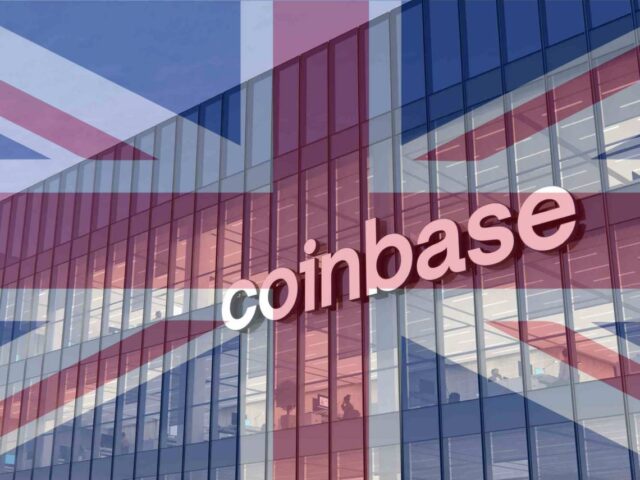
Coinbase has officially secured registration from the UK’s Financial Conduct Authority (FCA). The approval solidifies its position as the country’s largest registered cryptocurrency service...
Bitcoin’s Big Moment or Biggest Test? Trump’s Trade War Exposes Cracks in Crypto’s Future

Is Bitcoin truly a hedge against economic turmoil, or just another risk asset? As Trump’s tariffs send global markets into a tailspin, Bitcoin tumbles below $91K, raising doubts about its safe-haven status and exposing cracks in its long-held narrative.
MiCA’s First Major Casualty? Crypto.com Cuts USDT Amid Europe’s Regulatory Shake-Up

Crypto.com is delisting USDT in Europe to comply with the EU’s MiCA regulations, which impose strict licensing and reserve requirements on stablecoin issuers. This move signals a broader shift in the European crypto landscape, raising questions about market stability and the future of digital assets under increased regulatory scrutiny.