Home Blog Page 174

Ripple Ruling: $125M Fine Marks Victory with Uncertain Future as SEC Mulls Appeal
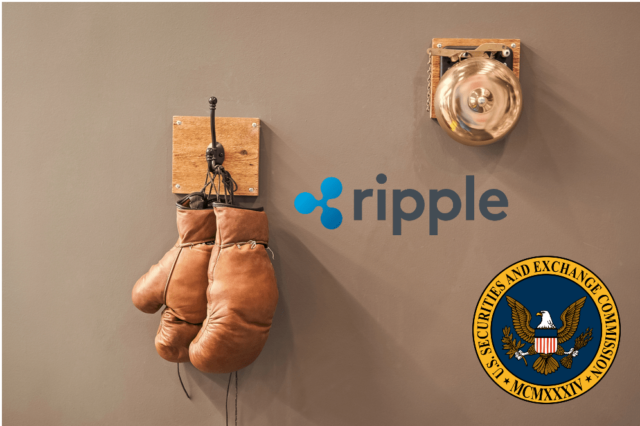
Ripple ruling brings a $125M fine but leaves room for an SEC appeal.

Ripple Labs has secured what many in the cryptocurrency world view as a significant, though partial, victory in its prolonged legal battle with the U.S. Securities and Exchange Commission (SEC). The recent federal court ruling has alleviated a substantial regulatory burden for Ripple. It concluded that XRP is not a security. This decision comes after years of legal uncertainty that has weighed heavily on Ripple and the broader crypto market. However, the court’s decision to impose a $125 million fine on Ripple and the potential for an SEC appeal suggest that the case – and the legal standing of XRP – may not be fully settled.

The Court’s Ruling: A Mixed Outcome

The federal court’s ruling is pivotal in the ongoing conflict between Ripple and the SEC, a dispute that began in 2020. The SEC initially accused Ripple of conducting an unregistered securities offering by selling XRP tokens, seeking billions in penalties. The court’s determination that XRP is not a security under U.S. law is a win for Ripple. It contradicts the SEC’s position and provides some much-needed clarity on the token’s regulatory status.

Despite this favorable outcome, Ripple was still ordered to pay a $125 million fine. The penalty, while significant, is far less than the potential billions the SEC had sought. This fine reflects the court’s finding that Ripple did not fully comply with securities laws in its initial coin offering. However, the extent of the violation was deemed less severe than originally argued by the SEC.

The Potential for an Appeal

The SEC has not yet indicated whether it will appeal the court’s decision, but the possibility remains. Should the SEC choose to appeal, the case could be prolonged, keeping Ripple and XRP under a cloud of uncertainty. An appeal would likely focus on the legal interpretation of what constitutes a security. This a key issue that could have far-reaching implications for the entire cryptocurrency industry.

Legal experts believe the SEC’s decision to appeal will be influenced by its broader regulatory goals and how the ruling might impact future actions against other tokens. The outcome of an appeal could either strengthen or weaken the precedent set by this case, making it a crucial development to monitor.

Ripple’s Strategic Response

Ripple’s leadership has expressed a cautious optimism in the wake of the ruling. CEO Brad Garlinghouse has framed the decision as a victory for Ripple and the crypto community. He emphasized that the ruling provides clarity allowing the company to continue its operations and growth efforts without the looming threat of a massive financial penalty.

Ripple also indicated plans to expand its On-Demand Liquidity (ODL) services. They will focus on regions outside the U.S., where most of its business operates. This strategic move suggests that Ripple aims to mitigate any potential negative effects from ongoing regulatory challenges within the U.S. market.

https://twitter.com/sperazza/status/1821292254688170052

Broader Implications for the Crypto Industry

The court’s ruling in the Ripple case is seen as a landmark decision that could influence how other cryptocurrencies are regulated in the U.S. If XRP is not classified as a security, this could provide a framework for other digital assets facing similar scrutiny. However, the case’s unresolved aspects—particularly the potential for an SEC appeal—mean that the legal environment remains uncertain.

Moreover, the ruling highlights the ongoing tension between innovation in the crypto space and the regulatory frameworks designed to oversee financial markets. The Ripple case could set a crucial precedent for future regulatory actions while the SEC still grapples with how to regulate digital assets.

Ripple’s recent court ruling marks significant progress for the company. However, the $125 million fine and the potential SEC appeal indicate the battle isn’t over. Ripple may have won a key round, but the legal and regulatory landscape for XRP and other cryptocurrencies remains unsettled. As the case unfolds, it will likely influence the future of crypto regulation in the U.S. and beyond.

Readers’ frequently asked questions

What does the Ripple ruling mean for other cryptocurrencies?

The Ripple ruling has significant implications for the broader cryptocurrency market, especially regarding how digital assets are classified under U.S. securities laws. The court’s decision that XRP is not a security could set a precedent for other cryptocurrencies facing similar legal challenges from the SEC. This ruling may provide a framework for how digital assets are treated in the U.S., potentially offering more clarity and legal protection for other projects. However, the ruling is specific to XRP. It does not automatically apply to other cryptocurrencies. Each token may have unique characteristics that could lead to different legal outcomes. The ongoing regulatory environment remains uncertain, particularly if the SEC decides to appeal the decision, which could impact future cases.

How might the SEC’s potential appeal affect Ripple and the cryptocurrency market?

If the SEC decides to appeal the ruling, it could prolong the legal battle for Ripple, maintaining uncertainty around the regulatory status of XRP and possibly other cryptocurrencies. An appeal could lead to further legal scrutiny and potentially overturn the favorable aspects of the current ruling. For Ripple, this would mean continued legal expenses and market uncertainty, which could affect its business operations and market valuation. For the broader cryptocurrency market, an appeal could either reaffirm the current ruling, provide more regulatory clarity, or introduce new legal precedents that could complicate the classification of digital assets. The outcome of any appeal would be closely watched, as it could influence the SEC’s approach to regulating other cryptocurrencies.

What are Ripple’s next steps following the ruling?

Following the ruling, Ripple’s immediate focus is on paying the $125 million fine and continuing to operate its business, particularly its On-Demand Liquidity (ODL) services, which are largely conducted outside the United States. Ripple’s leadership has expressed cautious optimism. They view the ruling as a victory that allows them to move forward without the threat of a massive financial penalty hanging over them. Ripple plans to leverage the legal clarity provided by the ruling to expand its services and strengthen its position in the global cryptocurrency market. However, Ripple remains vigilant about the potential for an SEC appeal. They are likely preparing to defend its position if the legal battle continues​

What Is In It For You? Action Items You Might Want to Consider

Leverage Market Sentiment Indicators

Given the recent ruling and its impact on XRP’s price, it’s crucial to pay close attention to market sentiment indicators such as social media trends, trading volumes, and sentiment analysis tools. The ruling has spurred positive sentiment. However, any news of an SEC appeal or other regulatory developments could shift the market’s mood quickly. Use sentiment analysis to gauge the broader market’s perception. Make informed decisions on whether to hold, buy, or sell XRP based on these real-time insights.

Explore Arbitrage Opportunities Across Exchanges

There may be discrepancies in XRP prices across different cryptocurrency exchanges due to heightened volatility after the recent ruling. Traders can take advantage of these price differences through arbitrage trading. This strategy involves buying XRP at a lower price on one exchange and selling it at a higher price on another, capitalizing on the spread. However, be mindful of transaction fees and the speed of execution to ensure profitability.

Hedge Against Regulatory Risks

While the ruling has brought some clarity, the possibility of an SEC appeal and future regulatory actions still presents significant risk. Consider using derivative instruments like options or futures to hedge your XRP positions. By purchasing options contracts, for instance, you can protect against potential downside while still participating in any further upside. This strategy can help manage risk and provide a safety net if the market turns against your position due to unforeseen regulatory developments.


Hamster Kombat: The Telegram-Based Crypto Game Leading Web3 Evolution

Hamster Kombat, popular play-to-earn crypto game

Hamster Kombat has quickly established itself as a significant force in the Web3 gaming world. It captured the attention of millions with its unique concept and rapidly growing user base. Launched on Telegram in March 2024, this tap-to-earn game has amassed over 300 million players in just five months. That made it one of the most successful blockchain-based games to date. As it gears up for what is expected to be the largest airdrop in crypto history, Hamster Kombat is positioning itself not just as a game, but as a major player in the evolving Web3 ecosystem.

Game Mechanics and Gameplay

At the heart of Hamster Kombat is its engaging gameplay, where players take on the role of a hamster CEO managing a virtual cryptocurrency exchange. The game’s mechanics are simple yet addictive: players earn in-game coins by tapping their screens to simulate the busy work of running an exchange. Players can reinvest these coins to grow their operations, leading to greater profits and more in-game opportunities. But the true allure of Hamster Kombat lies in its integration with real-world cryptocurrency rewards. The developers have announced an airdrop of the HMSTR token, with 60% of the tokens allocated to players based on their in-game activities. This airdrop, touted as the largest in crypto history, has generated significant buzz within the community and beyond.

The game also features daily tasks, such as solving ciphers and making strategic upgrades, which keep players engaged and incentivized. The success of these game mechanics is evident in the game’s rapid growth. It made it one of the most popular applications on Telegram.

Web3 Ecosystem and TON

Hamster Kombat’s success is deeply intertwined with its foundation on the TON (The Open Network) blockchain. TON, developed by Telegram, provides the infrastructure necessary to support the game’s massive user base, ensuring secure and transparent operations. This integration with TON has been crucial to the game’s scalability. It can handle the influx of millions of users while maintaining a seamless gaming experience.

Moreover, TON’s integration has enabled Hamster Kombat to become a gateway for many users into the world of Web3. The game’s simple mechanics combined with its real-world rewards appeal to seasoned crypto enthusiasts and newcomers, helping to bridge the gap between traditional gaming and the decentralized future that Web3 represents.

Global Reach and User Base

Telegram’s global reach has been a key driver of Hamster Kombat’s success. The messaging platform, particularly popular in regions like Europe and Asia, has provided a massive and ready-made audience for the game. Within just two months of its launch, Hamster Kombat had already reached 100 million users. It has since surpassed 300 million players. This rapid expansion underscores the game’s broad appeal. It transcends the typical boundaries of the crypto community and reaches a diverse, global audience.

Impact and Controversies

As with any rapidly growing platform, Hamster Kombat has faced its share of challenges and controversies. The most notable issue has been the game’s vulnerability to cyberattacks. Given its massive user base, Hamster Kombat has become a prime target for hackers, with reports of phishing attempts and malware attacks aimed at exploiting its popularity. These security concerns have highlighted the need for stronger protections in Web3 gaming platforms.

Additionally, the upcoming HMSTR token airdrop has sparked considerable debate. While the airdrop is eagerly anticipated, with the promise of being the largest in history, it has also raised concerns about the potential for market disruption and the challenges of distributing such a large volume of tokens. The game’s developers have attempted to address these concerns. They emphasized that the token’s value will be driven purely by organic demand, with no venture capital or early investments that could exert additional sell pressure.

Furthermore, as Hamster Kombat prepares to expand into a broader gaming ecosystem, some early adopters have expressed concerns about the fairness of new updates and how they might affect the distribution of future rewards. These concerns highlight the ongoing challenges that the game will need to navigate as it continues to grow and evolve.

Hamster Kombat is at the forefront of the Web3 gaming revolution. It offers a unique combination of engaging gameplay and real-world financial incentives that have captivated millions. Its integration with the TON blockchain, ambitious expansion plans, and upcoming airdrop have solidified its position as a leader in the decentralized gaming space. However, as the game continues to grow, it will need to navigate the challenges of scale, security, and community expectations to maintain its momentum and fulfill its potential as a transformative force in the world of blockchain gaming.

Readers’ frequently asked questions

How does the HMSTR token airdrop work, and when will it happen?

The HMSTR token airdrop is a highly anticipated event in the Web3 gaming community. It is touted as potentially the largest airdrop in crypto history. The developers of Hamster Kombat have allocated 60% of the total HMSTR token supply to be distributed among players based on their in-game activity. The exact date of the airdrop has been delayed due to the technical challenges of coordinating such a massive distribution to over 250 million users. While initially planned for July 2024, the launch has been pushed back to ensure that all technical aspects are fully ironed out. Despite this, the token is already available for pre-market trading on several exchanges, including Gate.io, OKX, and KuCoin​.

What security measures are in place to protect Hamster Kombat players from cyberattacks?

Given the game’s massive user base, Hamster Kombat has unfortunately become a target for cyberattacks, including phishing attempts and malware designed to exploit its popularity. The game’s developers are aware of these issues and have been working to implement stronger security measures. These include enhancing user authentication processes, educating players on how to recognize phishing attempts. They are also working closely with cybersecurity experts to monitor and mitigate threats. Despite these efforts, the scale of the attacks suggests that security remains an ongoing challenge. Players should stay vigilant and follow best practices to protect their accounts.

What are Hamster Kombat’s plans for expanding its gaming ecosystem beyond the current game?

Hamster Kombat’s developers have ambitious plans to expand the game into a broader gaming ecosystem. This expansion involves creating a platform supporting various games and offering new revenue streams beyond the present tap-to-earn model. The Hamster Foundation, which oversees the game’s development, is planning to offer grants to third-party developers. They want to support game studios of varying sizes, and consider additional token usage scenarios. The foundation also aims to avoid putting extra sell pressure on the HMSTR token by generating income through other means, such as fiat-denominated grants, rather than relying solely on token sales. These steps are part of a broader vision to turn Hamster Kombat into a holistic gaming platform within the TON blockchain, appealing to both gamers and developers​.

What Is In It For You? Action Items You Might Want to Consider

Monitor the HMSTR Token Pre-Market Activity

The HMSTR token is already available for pre-market trading on exchanges like Gate.io, OKX, and KuCoin. It’s crucial to keep an eye on the price movements and trading volumes. Since the full airdrop has been delayed, the pre-market activity could provide valuable insights into market sentiment and potential price directions once the token is fully launched. Engaging in pre-market trading can offer early entry opportunities, but it also comes with risks due to market volatility. Evaluate these dynamics carefully to make informed trading decisions​.

Prepare for Potential Market Volatility During the Airdrop

The upcoming airdrop, touted as the largest in crypto history, could introduce significant volatility in the market. When the tokens are distributed, there could be a surge in trading activity, leading to rapid price fluctuations. To navigate this, consider setting stop-loss orders or taking partial profits if you’re holding positions in HMSTR tokens or related assets. Additionally, keep an eye on announcements from the Hamster Kombat team. Exact airdrop timings and any changes in the distribution plan could affect market conditions​.

Stay Informed on Security Updates and Best Practices

With the recent reports of cyberattacks targeting Hamster Kombat users, it’s crucial to prioritize security in your trading activities. Ensure that you are using two-factor authentication (2FA) on all exchanges where you trade HMSTR tokens. Be cautious of phishing attempts, especially during the airdrop period, as these attacks often escalate during high-profile events. Regularly follow official channels for updates on security measures. Consider using hardware wallets for storing any significant holdings of HMSTR tokens to reduce exposure to online threats​.

Uncommon Victory for FTX Victims: $12.7 Billion Settlement May Exceed Original Claims

FTX CFTC Settlement to offer potentially full compensation to FTX creditors

In a rare turn of events, victims of the FTX collapse might receive more than 100% of their original claims, thanks to a $12.7 billion settlement negotiated by the U.S. Commodity Futures Trading Commission (CFTC). This significant settlement includes $8.7 billion for restitution and $4 billion for disgorgement. It represents a glimmer of hope for those who suffered massive losses when the exchange imploded in November 2022.

A Unique Outcome in Bankruptcy Proceedings

Bankruptcy proceedings typically leave creditors scrambling for whatever they can recover, often receiving only a fraction of their original claims. However, the FTX case has taken a different turn. Following the liquidation of assets from FTX and its trading affiliate Alameda Research, the recovered funds might exceed the amount needed to satisfy all claims. This rare situation could result in creditors receiving more than 100% of their claims, an outcome almost unheard of in bankruptcy cases.

The CFTC’s decision to forgo its civil penalties and prioritize victim compensation has been a critical factor in this potential outcome. By subordinating its claims, the CFTC has allowed a larger portion of the available funds to be directed toward those affected by FTX’s fraudulent activities. This move underscores the regulatory body’s commitment to protecting consumers, particularly in an industry as volatile as cryptocurrency.

The Mechanics of Recovery

The funds earmarked for restitution and disgorgement come from liquidating FTX’s assets, including its venture capital investments through Alameda Research. These liquidated assets of approximately $15 billion provided sufficient resources to cover a significant portion of the claims against FTX. According to reports, creditors holding claims of $50,000 or less could see returns of up to 118 cents on the dollar. Larger creditors are also expected to be fully compensated.

This level of recovery is a stark contrast to the typical outcomes seen in other high-profile bankruptcies. For example, after the collapse of Lehman Brothers or Enron creditors often received only pennies on the dollar. The relatively favorable outcome for FTX creditors is largely due to the liquid nature of the assets involved and the strong recovery efforts undertaken by the liquidation team.

Implications for Future Bankruptcy Cases

The FTX settlement could set a new precedent for how bankruptcy proceedings are handled in the cryptocurrency industry. It highlights the importance of asset recovery and effective liquidation strategies, especially in digital asset cases. Additionally, the settlement reinforces the need for robust regulatory oversight to prevent similar collapses in the future.

While the FTX case is far from over – with ongoing litigation against key figures like Sam Bankman-Fried and other executives – this settlement offers a rare silver lining for the victims. It provides a measure of financial justice. It is also a reminder that recovery is possible even in the volatile world of cryptocurrencies.

As the industry evolves, the lessons learned from the FTX collapse and the subsequent settlement will likely shape the future of cryptocurrency regulation and bankruptcy proceedings, offering a glimmer of hope in an otherwise tumultuous sector.

Readers’ frequently asked questions

How is it possible that FTX creditors might receive more than 100% of their claims?

The potential for FTX creditors to receive more than 100% of their claims stems from the liquidation process of FTX and its affiliate, Alameda Research. The liquidation team has managed to recover approximately $15 billion from FTX’s assets, primarily from the venture capital investments made by Alameda. This recovery amount exceeds the total claims made by creditors. Now, there is a possibility that smaller creditors, in particular, might receive up to 118% of their original claims. Additionally, the CFTC’s decision to prioritize victim compensation over civil penalties has allowed a greater proportion of the recovered funds to be distributed to creditors. That enhanced the likelihood of full or overcompensation​.

What role did the CFTC play in achieving this unusual settlement?

The Commodity Futures Trading Commission (CFTC) played a pivotal role in this settlement. It negotiated the $12.7 billion payout, which includes both restitution and disgorgement. Crucially, the CFTC decided to forgo its own monetary penalties, which are typically imposed in such cases. Instead, they opted to maximize the funds available for victim compensation. By subordinating its claims to those of the fraud victims, the CFTC ensured that the majority of the recovered assets would be used to repay creditors. This decision underscores the CFTC’s commitment to consumer protection and marks a significant move in favor of those defrauded by FTX.

What are the broader implications of this settlement for the cryptocurrency industry?

This settlement could set a significant precedent in the cryptocurrency industry, particularly regarding how bankruptcy cases are managed and how victims are compensated. It highlights the importance of asset recovery strategies and could influence future bankruptcy proceedings involving digital assets. Additionally, the case underscores the need for stronger regulatory oversight in the crypto industry to prevent similar fraudulent activities. The outcome of this settlement may push regulators to implement more stringent measures, potentially leading to increased regulation of cryptocurrency exchanges and a more secure environment for investors and users in the industry​.

What Is In It For You? Action Items You Might Want to Consider

Reevaluate Your Risk Management Strategy

Given the unexpected possibility of full or even overcompensation for FTX creditors, this is a timely reminder to reassess your risk management strategies, especially in volatile markets like cryptocurrency. Ensure that your investments are diversified and that you have a plan in place for potential losses. The FTX case underscores how quickly the market can turn. Being prepared for both the worst and the best outcomes is crucial.

Stay Informed About Regulatory Developments

With the CFTC playing a significant role in the FTX settlement, it’s clear that regulatory bodies are becoming more active in the crypto space. As a trader, keeping up-to-date with regulatory changes can help you anticipate market shifts and adjust your strategies accordingly. Regulations could impact everything from market access to asset security, so staying informed can give you a competitive edge.

Consider the Impact of Bankruptcy and Liquidation on Your Holdings

The FTX case shows that even in bankruptcy, there can be opportunities for recovery, sometimes beyond initial expectations. If you’re holding assets in exchanges or platforms facing financial difficulties, consider how liquidation processes might affect your holdings. It’s important to monitor the financial health of the platforms you use. Understand how your assets might be treated in the event of bankruptcy. This awareness can help you make informed decisions about whether to stay invested or move your assets elsewhere.

Stripe and Bitstamp New Partnership: A Technical Leap Forward for Europe’s Crypto Infrastructure

Stripe and Bitstamp have announced a strategic partnership aimed at making cryptocurrency purchases more accessible to European consumers.

Stripe and Bitstamp have announced a partnership that promises to enhance Europe’s crypto infrastructure by providing a streamlined fiat-to-crypto on-ramp. Integrating Bitstamp’s cryptocurrency exchange technology with Stripe’s extensive payment services aims to meet the rising demand for easier access to digital assets. This collaboration strongly focuses on technical innovation and operational synergy between the two companies. Will it set a new standard for crypto transactions in the European markets?

Enhancing Europe’s Crypto Infrastructure

Integrating Bitstamp’s sophisticated cryptocurrency exchange technology with Stripe’s expansive payment network is at the core of this partnership. The technical synergy promises to create a more user-friendly interface for individuals and businesses looking to enter the digital asset space, particularly for purchasing cryptocurrencies with fiat currencies like euros.

Bitstamp, which has built a reputation for its robust security and compliance measures, will offer its trading infrastructure to complement Stripe’s payment solutions. This integration is expected to enhance the efficiency and reliability of crypto transactions. It will set new benchmarks for the industry in terms of speed, security, and ease of use.

Meeting the Rising Demand for Digital Assets

Europe has seen a significant rise in interest in cryptocurrencies, with retail and institutional investors driving the trend. However, the complex and fragmented process of converting traditional currencies into digital assets is a persistent challenge. By joining forces, Stripe and Bitstamp want to simplify this process, making it more accessible to a broader audience.

This partnership is particularly timely. It comes on the heels of the European Union’s adoption of the Markets in Crypto Assets (MiCA) framework. The framework provides much-needed regulatory clarity and confidence for financial institutions and consumers alike. MiCA is expected to accelerate the adoption of cryptocurrencies further. It provides a consistent regulatory environment across the EU, which aligns perfectly with the goals of the Stripe-Bitstamp collaboration.

A Technical Leap Forward

From a technical perspective, integrating Bitstamp’s exchange infrastructure with Stripe’s payment gateway represents a significant advancement in crypto infrastructure. Bitstamp’s technology is designed to handle high volumes of transactions securely and efficiently. That is a crucial factor as crypto trading volumes continue to grow. Combined with Stripe’s expertise in handling global payments, this will likely result in a system that meets current demand and scales for future growth.

Moreover, this partnership could set a precedent for how traditional financial services companies and crypto exchanges collaborate. It may pave the way for more such integrations in the future. Stripe and Bitstamp position themselves as key players in the next phase of crypto adoption in Europe, focusing on operational efficiency and user experience.

Setting New Standards

This partnership between Stripe and Bitstamp is more than just a business agreement; it represents a technical leap forward to redefine how Europeans access and trade cryptocurrencies. The operational synergy between the two companies is poised to create a seamless and secure fiat-to-crypto conversion process. This collaboration could very well set new industry standards for the evolving crypto market in Europe, making it easier than ever for consumers and businesses to participate in the digital asset economy.

Industry insiders, regulators, and competitors will closely watch the success of this partnership. Integrating traditional and digital finance will likely become increasingly common in the maturing crypto space. The Stripe-Bitstamp partnership will serve as a model for others to follow.

Readers’ frequently asked questions

How will this partnership between Stripe and Bitstamp make crypto purchases easier for European users?

The partnership between Stripe and Bitstamp is designed to simplify the process of converting fiat currency (like euros) into cryptocurrency. Traditionally, this process has been somewhat fragmented and complex. It often requires users to navigate multiple platforms and deal with significant delays and fees. Integrating Bitstamp’s robust exchange infrastructure with Stripe’s payment gateway will streamline the process. Users can then purchase cryptocurrencies directly through Stripe’s platform using their regular bank accounts or credit cards. It eliminates the need to go through a separate crypto exchange. This integration aims to reduce transaction times and lower costs. It increases access for a broader audience in Europe.

What impact could the European Union’s Markets in Crypto Assets (MiCA) framework have on this partnership?

The MiCA framework is a significant development in the regulation of digital assets across the European Union. It provides clear guidelines and rules for how cryptocurrencies and related services should be managed, offering legal clarity that has been lacking in the past. For the Stripe-Bitstamp partnership, this framework is particularly beneficial as it enhances the regulatory environment in which they operate. With MiCA in place, both companies can be more confident in expanding their services across Europe, knowing they operate within a well-defined legal framework. This could lead to increased adoption of their services as consumers and financial institutions gain more trust in the regulatory safeguards provided by the MiCA framework.

What are the potential risks or challenges associated with this partnership?

While the partnership between Stripe and Bitstamp has significant potential, it also comes with certain risks and challenges. One of the primary concerns is the volatility of the cryptocurrency market. It can lead to fluctuations in the value of assets purchased through the platform. Additionally, despite the regulatory clarity provided by MiCA, there is always the possibility of regulatory changes or challenges that could impact how these services are offered in the future. Another challenge is the need for robust security measures to protect against hacking and fraud. These are ongoing concerns in the crypto space. Both companies will need to continuously invest in security and compliance to ensure the safety of their users and maintain trust in their services.

What Is In It For You? Action Items You Might Want to Consider

Explore New Fiat-to-Crypto Opportunities on Stripe

With the integration of Bitstamp’s crypto exchange into Stripe’s payment services, consider using Stripe as a new gateway to purchase cryptocurrencies. This streamlined process could offer lower fees and faster transactions compared to traditional methods, making it an attractive option for adding to or diversifying your crypto portfolio.

Leverage the Regulatory Stability in Europe

The EU’s MiCA framework provides a more secure and regulated environment for cryptocurrency trading. As a trader, this is an opportune time to increase your exposure to the European crypto market. The regulatory clarity might lead to more consistent growth and adoption of digital assets in this region.

Monitor Security and Compliance Enhancements

Both Stripe and Bitstamp are likely to continue enhancing their security and compliance features as part of this partnership. Stay updated on any new security tools or features they introduce. These can help you safeguard your assets more effectively when using their platforms for trading or transactions.

Navigating Turkey Crypto Laws: Institutional Players Step In as Others Exit

Amid new crypto regulations in Turkey, institutional players enter market, while some firms opt for liquidation due to compliance challenges.

The crypto market in Turkey is undergoing a significant transformation with the introduction of the “Crypto Law”, compelling firms to either comply with stringent new regulations or cease operations. As 47 companies, including notable entrants like QNB Digital Assets, seek operational licenses, three others have opted for liquidation. This dual movement highlights the dynamic and challenging nature of Turkey’s evolving crypto landscape.

Introduction of the new “Crypto Law” in Turkey

On July 2, 2024, Turkey enacted its first comprehensive legislation governing crypto assets, known as the “Crypto Law”. This law grants the Capital Markets Board (CMB) extensive authority to regulate various aspects of the cryptocurrency market. That includes the issuance, sale, and distribution of crypto assets. The law mandates crypto asset service providers (CASPs) to obtain operational licenses to continue their activities. It significantly impacts Turkey’s crypto regulation landscape.

Institutional Entry: QNB Digital Assets Leads the Charge

Among the 47 companies applying for operational licenses, QNB Digital Assets stands out as a significant entrant. It is one of the first banks to enter Turkey’s crypto sector. QNB aims to revolutionize financial services with its “Touch Tomorrow with Bitcoin” initiative. This move underscores the growing institutional acceptance of digital assets and is expected to enhance market credibility and attract more investors. The entry of such established financial institutions into Turkey’s crypto market is a notable aspect of the new regulatory environment.

Market Exit: Strategic Liquidations

While several companies are eager to enter the market, three firms – WooTR, Coinsate, and Every Bit Counts – have opted for liquidation. This decision highlights the dynamic and challenging nature of the cryptocurrency landscape in Turkey. Not all participants can sustain success amid stringent regulations. The CMB has stipulated that firms choosing liquidation must ensure the process does not harm customer rights and interests. Also, they must cease accepting new customers during the liquidation period. These measures aim to protect investors and maintain market stability during the transition.

Regulatory Impact and Compliance Requirements

The “Crypto Law” imposes rigorous compliance requirements on CASPs. Existing service providers were required to submit their applications for operating permits by August 2, 2024, or decide on liquidation. The law mandates that CASPs meet high standards in their operations, including IT system requirements set by the Turkish Scientific and Technological Research Council (TÜBİTAK) and independent audits. Additionally, the CMB has prepared comprehensive lists of compliant and liquidating firms, ensuring transparency and providing clear guidance for market participants and investors.

Future Outlook and Challenges

As the CMB continues to refine its regulatory framework, the Turkish cryptocurrency market is poised for structured growth. However, the path ahead is fraught with challenges. Stringent licensing criteria and evolving global trends in cryptocurrency will influence local market dynamics. Investors and industry players must stay informed about these developments to navigate the changing landscape successfully. The regulatory changes are reshaping the competitive landscape, pushing out non-compliant entities while attracting established institutions. This dual movement highlights the crypto market’s dynamic and often unpredictable nature. Regulatory compliance and market adaptability are crucial for sustained success.

The introduction of Turkey’s “Crypto Law” marks a significant turning point for the country’s cryptocurrency market. With 47 companies gearing up for operations and stringent reviews in place, the market is set for structured growth. However, the challenges ahead necessitate continuous adaptation and vigilance from both investors and industry participants. The entry of institutional players like QNB Digital Assets and the strategic exits of others underscore the evolving and dynamic nature of Turkey’s new crypto landscape.

By implementing this robust regulatory framework, Turkey aims to enhance transparency, security, and investor protection in its burgeoning crypto market. These developments are a testament to Turkey’s commitment to effectively regulate its crypto market. It wants to remain a competitive and attractive environment for both local and international players.

Readers’ frequently asked questions

What does the new “Crypto Law” entail for existing cryptocurrency companies in Turkey?

The new “Crypto Law,” which came into effect on July 2, 2024, mandates that all existing cryptocurrency companies in Turkey must either apply for operational licenses or opt for liquidation. Companies had until August 2, 2024, to submit their applications for these permits, demonstrating compliance with the stringent new regulations set by the Capital Markets Board (CMB). The law also imposes high standards for IT systems, independent audits, and regulatory compliance. They aim to enhance transparency, security, and investor protection. Firms that choose liquidation must ensure the process does not harm customer rights and interests. They must cease accepting new customers during this period.

How will the new regulations affect the Turkish cryptocurrency market?

The new regulations are expected to significantly reshape the Turkish cryptocurrency market by creating a more regulated and secure environment. With 47 companies applying for operational licenses and three opting for liquidation, the market will see a consolidation of compliant entities. The entry of institutional players like QNB Digital Assets is likely to enhance market credibility and attract more investors. However, the stringent compliance requirements may push out smaller or non-compliant firms, altering the competitive landscape. This shift is designed to protect investors from fraud and ensure secure transactions, which should lead to increased investor confidence and a more robust market.

What are the potential challenges faced by companies under the new “Crypto Law”?

Companies operating under the new “Crypto Law” will face several challenges. First, they must meet high compliance standards, including IT system requirements set by TÜBİTAK and undergoing independent audits. The application process for operational licenses involves rigorous scrutiny, which may be challenging for smaller firms with limited resources. Additionally, the law’s strict deadlines require quick adaptation, and failure to comply could result in forced liquidation. Market dynamics will also shift as non-compliant firms exit and institutional players enter, increasing competition. Companies must stay informed about ongoing regulatory updates to navigate these changes successfully and maintain their operations in the evolving landscape of Turkey’s crypto market.

What Is In It For You? Action Items You Might Want to Consider

Stay Updated on Compliance Requirements

With Turkey’s new “Crypto Law” in effect, it’s crucial for traders to stay informed about the latest regulatory requirements. Regularly check the Capital Markets Board (CMB) announcements and updates on their website to ensure compliance with the stringent standards. This includes understanding the deadlines for applications, IT system requirements set by TÜBİTAK, and the need for independent audits. Keeping abreast of these regulations will help you avoid potential legal issues and ensure that your trading activities remain compliant within Turkey’s evolving regulatory landscape.

Evaluate Your Portfolio and Service Providers

Given the dynamic changes in the Turkish cryptocurrency market, take the time to reassess your crypto portfolio and the service providers you use. With 47 companies applying for operational licenses and others opting for liquidation, it’s important to ensure your assets are managed by compliant and reliable entities. Review the lists of compliant and liquidating firms prepared by the CMB. Verify that your service providers meet the new regulatory standards. This proactive approach can safeguard your investments and enhance the security of your transactions.

Explore Opportunities with Institutional Entrants

The entry of institutional players like QNB Digital Assets into Turkey’s crypto market presents new opportunities for traders. These institutions bring increased credibility and stability to the market, which can attract more investors and potentially improve liquidity. Consider diversifying your investments by engaging with these new entrants, as their presence is likely to enhance market dynamics and provide more secure trading environments. Additionally, institutional involvement could lead to new financial products and services that may benefit your trading strategies.

- Advertisement -

FEATURED