Home Blog Page 176

Sanctions Drive Russia to Legalize Bitcoin and Stablecoins for Global Trade
Russia Legalizes Bitcoin Mining and the use of Stablecoins for international payments

With stringent international sanctions disrupting traditional financial systems, Russia is turning to cryptocurrencies as a lifeline for its global trade. The recent legislation passed by the State Duma legalizes Bitcoin mining and using stablecoins for cross-border payments, marking a significant policy reversal. This legislative move underscores the Kremlin’s determination to circumvent economic isolation and ensure the continuity of its export-import activities through innovative digital solutions.

In this historic shift driven by geopolitical and economic pressures, Russia has enacted legislation that legalizes the mining of Bitcoin and permits the use of cryptocurrencies, including stablecoins, for international trade. It’s a direct response to the extensive economic sanctions imposed by Western nations following Russia’s invasion of Ukraine. These sanctions have significantly hampered Russia’s ability to engage in international transactions through conventional financial systems such as SWIFT.

Legislative and Regulatory Changes

The upcoming legislation is set to take effect on September 1, 2024. It marks a notable deviation from Russia’s past approach to cryptocurrencies. Traditionally, the Russian government and its central bank have been hesitant about embracing digital currencies, mainly to protect the ruble and prevent financial instability. However, the economic landscape changed dramatically under the weight of international sanctions. This prompted a reassessment of the potential benefits of blockchain technology.

The bill passed with an overwhelming majority by the State Duma allows the mining of Bitcoin and permits using cryptocurrencies for international trade settlements. This legal framework aims to provide an alternative to traditional financial channels blocked or heavily regulated due to sanctions. By leveraging digital currencies, Russia hopes to maintain trade relations with key partners such as China, India, and Turkey. These countries may be more open to transacting in cryptocurrencies.

Economic and Strategic Implications

The Kremlin’s move to legalize cryptocurrency mining and crypto payments must be viewed as a strategic effort to mitigate the impact of sanctions and stabilize Russia’s economy. Cryptocurrencies, particularly stablecoins, provide a relatively stable and secure way to conduct international transactions without depending on the US dollar or the Euro. This is crucial for Russia, whose access to these currencies has been restricted by the sanctions.

Furthermore, integrating digital currencies into Russia’s financial system is expected to enhance the efficiency and security of cross-border transactions. Stablecoins are viewed as a viable solution for international payments due to their relatively stable value compared to more volatile cryptocurrencies like Bitcoin. This could facilitate smoother trade operations and provide a buffer against the economic disruptions caused by sanctions.

International Reactions and Compliance

While Russia’s legislative changes are poised to reshape its economic interactions, they raise concerns about regulatory compliance and the potential for sanctions evasion. The United States and the European Union have been vigilant in monitoring the use of cryptocurrencies. They want to ensure they do not become tools for circumventing sanctions. These international bodies have called on major cryptocurrency exchanges to enforce strict measures to prevent sanctioned entities from using their platforms for illicit activities.

Russia’s recent decision to legalize Bitcoin mining and cryptocurrency payments for international trade is a significant development. As the country grapples with challenges posed by international sanctions, it is turning to blockchain technology to support its economic activities and uphold trade relationships. The government’s mandate underscores the transformative power of digital currencies. It also highlights the ongoing struggle between regulatory compliance and financial innovation amidst geopolitical conflicts.

By adopting cryptocurrencies, Russia is charting a new course in its economic strategy. It could have far-reaching implications for global trade and the future of digital finance. As this situation evolves, the world will be closely watching the impact of Russia’s bold legislative changes on its domestic economy and its position in the international arena.

Readers’ frequently asked questions

How will Russia’s move to legalize cryptocurrencies affect its relations with Western countries?

Russia’s decision to legalize cryptocurrencies for international trade is likely to further strain its relations with Western countries. These nations perceive it as a direct attempt to circumvent the economic sanctions imposed by them. It could prompt additional regulatory measures or sanctions aimed specifically at curbing the use of digital currencies by Russian entities. Western countries, particularly the United States and the European Union, have been closely monitoring the use of cryptocurrencies. They want to ensure they are not used to evade sanctions. This heightened scrutiny could lead to more pressure on global cryptocurrency exchanges to enforce stringent compliance measures, potentially limiting Russia’s ability to utilize these digital assets internationally.

What are the potential risks and challenges associated with Russia’s adoption of cryptocurrencies for international trade?

While adopting cryptocurrencies opens a path for Russia to bypass traditional financial restrictions, it also introduces some risks and challenges. One significant risk is the volatility of cryptocurrencies like Bitcoin. This can result in unpredictable transaction values and financial instability. Additionally, the global regulatory environment for cryptocurrencies is still evolving. There is a risk that international bodies could implement more stringent regulations to prevent their misuse, further complicating Russia’s use of these assets. There are also technical and security concerns, such as the potential for cyberattacks and the need for robust infrastructure to support secure transactions. Furthermore, integrating cryptocurrencies into the financial system may face resistance from domestic institutions wary of undermining the ruble’s stability.

How might this legislative change impact the global cryptocurrency market?

Russia’s entry into the cryptocurrency market on such a significant scale could have multiple impacts. On one hand, it could drive up demand for cryptocurrencies, potentially increasing their value and fostering greater adoption and innovation in the blockchain space. On the other hand, it could lead to increased regulatory scrutiny globally. Other countries seek to prevent the use of cryptocurrencies to evade sanctions. This heightened scrutiny might result in stricter compliance requirements for cryptocurrency exchanges and possibly even restrictions on certain transactions. That could affect liquidity and market dynamics. Additionally, the increased usage of cryptocurrencies by a major economy like Russia might accelerate the development of international regulatory frameworks and cooperation aimed at overseeing the global cryptocurrency market​.

What Is In It For You? Action Items You Might Want to Consider

Diversify Your Portfolio with Stablecoins and Bitcoin

Given Russia recently legalized Bitcoin mining and the use of stablecoins for international trade, traders should consider diversifying their portfolios to include these digital assets. The increased demand from a major economy like Russia could drive up the value and stability of these cryptocurrencies. Stablecoins, in particular, are designed to maintain a stable value. They can offer a safer hedge against the volatility typically associated with cryptocurrencies. Investing in both, Bitcoin and stablecoins, you can balance the potential for high returns with the security of more stable assets.

Stay Informed on Regulatory Changes

The international regulatory landscape for cryptocurrencies is likely to evolve rapidly in response to Russia’s actions. Traders should stay updated on regulatory developments in major economies and across global markets. This includes monitoring announcements from the United States, the European Union, and other significant financial regulators. They may implement stricter measures to prevent using cryptocurrencies for sanctions evasion. Keeping abreast of these changes will help you navigate compliance issues and adjust your trading strategies accordingly to mitigate risks.

Leverage Volatility for Strategic Trades

The geopolitical impact of Russia’s move could introduce significant volatility into the cryptocurrency markets. Traders can capitalize on this by employing strategies that benefit from price swings. Techniques such as swing trading, which involves capturing gains by holding an asset for a short period, or using options to hedge against potential downturns, can be effective. Additionally, keep a close eye on market sentiment and news related to Russia’s cryptocurrency activities. It can provide insights into price movements, allowing for more informed and strategic trading decisions.

Regulatory Waves: Stringent Rules Push Hong Kong Crypto Exchanges to Withdraw License Applications

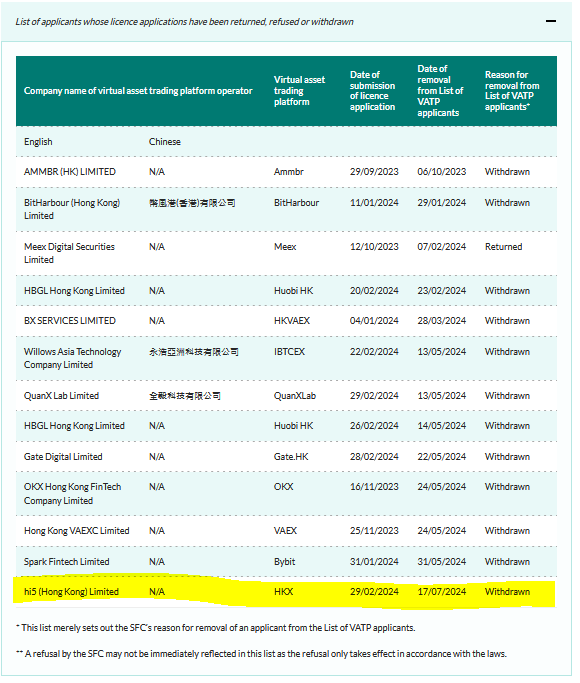
HKX Crypto Exchange withdraws Hong Kong License application

In recent months, the crypto exchange landscape in Hong Kong has witnessed a significant shake-up. Prominent exchanges such as Huobi HK, OKX, and Gate.HK have withdrawn their applications for operational licenses. They cited the stringent regulatory requirements set forth by the Hong Kong Securities and Futures Commission (SFC). Now, HKX joins this growing list, further underscoring the challenges crypto platforms face in complying with the new rules, aimed at enhancing market integrity and anti-money laundering measures.

Immediate Impact of Regulatory Framework

The Hong Kong Securities and Futures Commission (SFC) has imposed rigorous requirements on cryptocurrency exchanges operating within the region. By May 31, 2024, all exchanges must secure an operational license to continue their services. This regulatory push is part of a broader strategy to align Hong Kong’s crypto market with global standards on anti-money laundering (AML) and counter-terrorist financing (CTF).

Huobi HK, OKX, Gate.HK, and now HKX are among the notable exchanges that have recently withdrawn their license applications. These withdrawals highlight the immediate impact of the SFC’s regulatory framework. OKX, for instance, announced it would cease providing centralized virtual asset trading services to Hong Kong residents by the end of May 2024. Similarly, Gate.HK halted its operations, indicating the need for a major overhaul to meet the compliance standards.

Challenges and Pressures

The withdrawal of these applications reflects the substantial challenges crypto exchanges face in adapting to the new regulatory environment. The SFC’s requirements are designed to ensure that exchanges implement robust AML and CTF measures. Those include comprehensive Know Your Customer (KYC) protocols and transaction monitoring systems. These requirements are part of Hong Kong’s broader effort to enhance the integrity of its financial markets.

Source: Securities and Futures Commission, www.sfc.hk

Exchanges have cited various reasons for their withdrawals, primarily focusing on the extensive changes needed to comply with the new regulations. Gate.HK, for example, mentioned the necessity of a “major overhaul” of its trading platform to align with the SFC’s standards. This overhaul includes implementing enhanced security measures and revising their operational processes to ensure full compliance.

Regulatory Goals and Future Outlook

The SFC’s stringent regulations aim to bolster investor confidence and ensure that Hong Kong remains a reputable financial hub. By enforcing these rules, the SFC seeks to mitigate risks associated with money laundering and terrorist financing, thereby protecting the broader financial system.

Despite the current challenges, some exchanges are optimistic about the future. Gate.HK has expressed its intention to resume operations after completing the necessary platform upgrades and obtaining the required licenses. This indicates a long-term commitment to adapting to the regulatory environment and continuing to serve the Hong Kong market.

In addition to enforcing compliance, the Hong Kong Monetary Authority (HKMA) is also piloting innovative financial products such as the digital yuan (e-CNY) for cross-border payments. This initiative reflects Hong Kong’s dual focus on regulation and innovation. They are aiming to integrate blockchain technology into their financial system while maintaining stringent oversight.

The recent withdrawals of license applications by major crypto exchanges, including HKX, highlight the significant impact of Hong Kong’s new regulatory framework. While these regulations present immediate challenges, they also aim to enhance market integrity and investor protection. As exchanges like Gate.HK plan to relaunch with upgraded platforms, the future of Hong Kong’s crypto market will depend on its ability to balance regulatory compliance with technological innovation.

Readers’ frequently asked questions

Why are the Hong Kong regulatory requirements so stringent, and what do they entail?

The Hong Kong Securities and Futures Commission (SFC) has implemented stringent regulatory requirements to ensure the integrity of the cryptocurrency market. They aim to combat money laundering and terrorist financing. These regulations required crypto exchanges to obtain operational licenses by May 31, 2024. They also had to comply with comprehensive anti-money laundering (AML) and counter-terrorist financing (CTF) measures. The requirements include robust Know Your Customer (KYC) protocols, thorough transaction monitoring systems, and the implementation of enhanced security measures to protect against illicit activities and ensure market stability​.

What is the impact of these regulatory changes on the crypto exchanges and their users?

The regulatory changes have led several prominent crypto exchanges, including Huobi HK, OKX, and Gate.HK, to withdraw their license applications, citing the need for significant overhauls to comply with the new rules. Some exchanges ceased providing their services to Hong Kong residents. For example, OKX stopped providing centralized virtual asset trading services by the end of May 2024. Users of these exchanges are affected as they may need to find alternative platforms that comply with Hong Kong’s regulations. However, these measures are intended to enhance investor protection and market integrity, ultimately benefiting users in the long run​.

How are the exchanges planning to adapt to the new regulatory environment in Hong Kong?

Exchanges like Gate.HK are planning major overhauls of their trading platforms to meet the SFC’s compliance standards. This includes upgrading their security measures, revising operational processes, and implementing comprehensive AML and CTF measures. Some exchanges have expressed optimism about resuming operations after completing these necessary upgrades and obtaining the required licenses. For instance, Gate.HK has indicated its intention to relaunch its services once it has adapted to the new regulatory framework. It reflects a long-term commitment to the Hong Kong market​.

What Is In It For You? Action Items You Might Want to Consider

Evaluate Exchange Compliance and Adaptability

Before continuing or starting to trade on a Hong Kong-based exchange, research whether the platform is compliant with the new regulatory requirements set by the Hong Kong Securities and Futures Commission (SFC). Exchanges like Gate.HK are undergoing major overhauls to meet these standards. Opt for exchanges actively working on compliance and have clear plans for obtaining the necessary licenses. This will ensure that your trading activities are aligned with regulatory expectations and reduce the risk of interruptions.

Diversify Your Trading Platforms

Given the recent withdrawals of operational license applications by major exchanges such as Huobi HK, OKX, and HKX, consider diversifying your trading activities across multiple platforms. This strategy will help mitigate the risks associated with potential service disruptions or operational halts due to regulatory non-compliance. Look for crypto exchanges with strong regulatory records and those that have expressed commitment to meeting Hong Kong’s compliance standards.

Stay Informed About Regulatory Developments

Keep yourself updated on the latest regulatory changes and announcements from the Hong Kong Securities and Futures Commission (SFC) and the Hong Kong Monetary Authority (HKMA). Regulatory environments can evolve rapidly, and being well-informed will allow you to make proactive decisions regarding your trading activities. Subscribe to reliable news sources, join relevant forums, and consider following updates from the exchanges you use to ensure you are aware of any changes that could affect your trading strategy.

Broad Market Rally Boosts HNT Token Amid Helium Mobile’s Subscriber Surge

Helium Token $HNT surges 41% amid subscriber growth and broad market rally

The cryptocurrency market has experienced a broad rally, lifting various tokens, including Helium’s HNT, which has seen an impressive 41% increase. This surge is driven by significant growth in Helium Mobile’s subscriber base, now surpassing 100,000 users. This dual boost from market trends and network expansion underscores the dynamic interplay between broader market movements and individual project successes.

Helium, known for its decentralized wireless network, has been a notable player in the crypto and telecommunications space. The recent price surge of its native token, HNT, highlights the growing confidence in its innovative approach. Helium Mobile’s rapid adoption is a testament to the network’s increasing utility and potential to disrupt traditional telecommunications models.

Market Rally Context

The cryptocurrency market has been on an upward trajectory recently, benefiting from various positive economic indicators and a general resurgence in investor confidence. This market-wide rally has provided a favorable environment for many tokens, including HNT, to gain value. Investors increasingly seek projects with solid fundamentals and real-world applications, making Helium an attractive proposition.

According to reports, the broader market rally has created a positive backdrop for Helium’s growth. The increase in HNT’s value is not just a reflection of market sentiment but also a response to tangible progress within the Helium ecosystem.

Subscriber Growth and Network Expansion

The substantial growth of Helium Mobile subscribers is a critical factor in the HNT token’s surge. The network has recently crossed the milestone of 100,000 subscribers, demonstrating robust adoption and confidence in the decentralized model. This growth is pivotal as it increases the network’s utility, making the HNT token more valuable.

https://twitter.com/helium_mobile/status/1812940768610541751

Helium’s innovative approach involves leveraging blockchain technology to create a decentralized wireless network. This model allows users to deploy hotspots that provide network coverage in exchange for HNT tokens. The recent surge in subscribers indicates a successful scaling of this model, with more users participating and expanding the network.

Industry Disruption and Future Prospects

Helium’s entry into the telecommunications sector represents a significant shift towards decentralization in an industry traditionally dominated by a few large players. The growth in Helium Mobile’s user base not only boosts the HNT token but also showcases the viability of decentralized networks in providing reliable and scalable telecommunications services.

Helium’s disruptive potential lies in its ability to offer a more cost-effective and scalable alternative to traditional telecom infrastructure. This potential for industry disruption is a crucial driver behind the increasing interest and investment in the HNT token.

The 41% rise in Helium’s HNT token value is a result of a confluence of broader market trends and specific advancements within the Helium network. The overall cryptocurrency market rally has provided a supportive environment, while the substantial growth in Helium Mobile’s subscriber base has underscored the project’s real-world utility and disruptive potential. As Helium continues to expand and innovate, the HNT token is likely to remain a focal point for investors seeking to capitalize on the intersection of blockchain technology and telecommunications.

Readers’ frequently asked questions

What makes Helium’s decentralized wireless network unique compared to traditional telecommunications networks?

Helium’s decentralized wireless network leverages blockchain technology to create a user-powered infrastructure. Instead of relying on large, centralized telecom companies, Helium enables individuals to deploy hotspots that provide network coverage in exchange for HNT tokens. This model is cost-effective and scalable, as it allows for a community-driven approach to expanding network coverage. Traditional telecom networks, on the other hand, require substantial investments in infrastructure and are controlled by a few large entities. Helium’s innovative approach not only reduces costs but also incentivizes users to participate and expand the network, making it a disruptive force in the telecommunications industry​.

How does the recent subscriber growth impact the value of the HNT token?

The growth in Helium Mobile’s subscriber base directly impacts the value of the HNT token by increasing the network’s utility. As more users join the network, the demand for HNT tokens rises because these tokens are used to pay for network services and reward hotspot providers. This increased demand, combined with the expanding coverage and utility of the network, contributes to the token’s value appreciation. The recent milestone of surpassing 100,000 subscribers is a strong indicator of the network’s growing adoption and success, which in turn boosts investor confidence and drives the token’s price higher.

What are the risks and challenges associated with investing in Helium’s HNT token?

While the recent surge in HNT token value is promising, there are several risks and challenges to consider. First, the cryptocurrency market is inherently volatile, and broader market conditions can significantly affect token prices. Second, Helium’s success depends on continued adoption and expansion of its network, which requires ongoing investment and user participation. Any slowdown in subscriber growth or technical challenges in maintaining the network could negatively impact the token’s value. Additionally, regulatory changes in the cryptocurrency and telecommunications sectors could pose risks. Investors should be aware of these factors and conduct thorough research before investing in HNT tokens​.

What Is In It For You? Action Items You Might Want to Consider

Consider Increasing Exposure to HNT Tokens

Given the recent surge in HNT’s value and the strong growth in Helium Mobile’s subscriber base, now might be a strategic time to increase your exposure to HNT tokens. The network’s expanding user base and innovative decentralized model are likely to drive further value appreciation. However, ensure to monitor market trends and set stop-loss orders to manage risk effectively.

Diversify with Projects Showing Real-World Utility

Helium’s success underscores the importance of investing in crypto projects with tangible real-world applications. Look for other tokens that are not only innovative but also show signs of growing adoption and practical use cases. This strategy helps mitigate risks associated with speculative investments and positions your portfolio for long-term growth​.

Stay Informed About Regulatory Changes

The cryptocurrency and telecommunications sectors are subject to regulatory changes that can impact token values. Keep abreast of regulatory developments that could affect Helium and similar projects. Staying informed will allow you to react swiftly to any changes that could either pose risks or present new opportunities for your investments.

Inside the WazirX Hack: How Lax Security Practices Led to a $230M Cryptocurrency Theft

WazirX Hack: $230M Stolen in Major Crypto Breach

The recent $230 million hack at WazirX, India’s top cryptocurrency exchange, has sent shockwaves through the crypto community. Experts suggest that the breach could have been prevented with better security protocols and key management practices. As WazirX grapples with the fallout, industry insiders call for higher standards and more robust security measures to prevent future incidents.

>>> NEW! Pro Predictions, analysis and more. CLICK to Chat

A Catastrophic Breach

On July 18, 2024, WazirX revealed that it had fallen victim to a massive cyberattack, resulting in the theft of $230 million in various cryptocurrencies, including Ethereum and Shiba Inu tokens. The breach has been attributed to sophisticated hacking techniques. Some evidence points to the North Korean Lazarus Group, a notorious hacking syndicate known for targeting cryptocurrency platforms.

Security Lapses and Key Management

Blockchain security experts have pointed out that the breach could have been mitigated, if not entirely prevented, had WazirX implemented more stringent security protocols. The hack exploited vulnerabilities in WazirX’s multisig wallet infrastructure. Multisig, short for multi-signature, is a method that requires multiple keys to authorize a transaction. However, it can become a weak link in the security chain if not managed properly.

According to a detailed analysis by cybersecurity firm Elliptic, the attackers managed to bypass these security measures, indicating potential flaws in key management practices. “Exploits like this are common but can be prevented by paying close attention to security best practices and industry standards in terms of key management,” said a research engineer at Quantstamp, another cybersecurity advisory firm.

https://twitter.com/elliptic/status/1813904380552266171

Immediate Response and Market Reaction

In response to the breach, WazirX suspended all withdrawals and deposits to prevent further losses. This move left many users in a state of uncertainty and frustration, unable to access their funds. The suspension of services led to significant drops in the value of associated tokens. The WRX (WazirX’s native token) plummeted by approximately 21%.

https://twitter.com/WazirXIndia/status/1815051343989776566

Regulatory and Industry Implications

The hack has intensified calls for stricter regulatory oversight in the cryptocurrency industry. Indian authorities have been urged to implement more rigorous standards to protect investors and ensure the security of digital assets. The incident also highlights the need for exchanges to adopt more advanced security measures, such as enhanced key management protocols and regular security audits.

WazirX has filed a police complaint and is actively working with India’s cybercrime unit to track down the stolen assets and bring the perpetrators to justice. The exchange has also announced a $23 million bounty for information leading to the recovery of the stolen funds. That underscores the challenges of retrieving stolen cryptocurrencies even with substantial incentives.

As the cryptocurrency industry continues to evolve, the WazirX hack is a crucial lesson in the need for enhanced security measures. By adopting more stringent protocols and staying vigilant against emerging threats, exchanges can better protect their assets and maintain the trust of their users. The incident is a clarion call for the entire industry to prioritize security and work collaboratively to prevent future breaches.

BlockFi Initiates Crypto Distributions Through Coinbase Amid Bankruptcy Proceedings

BlockFi Bankruptcy Coinbase to Distribute Funds

BlockFi, the crypto lender that filed for bankruptcy in November 2022, is set to begin interim cryptocurrency distributions to its creditors via Coinbase starting this month. This step is an essential part of BlockFi’s bankruptcy resolution process, aiming to provide some relief to the creditors who have been awaiting compensation.

Interim Distributions via Coinbase

The decision to distribute funds through Coinbase is designed to streamline the repayment process for BlockFi’s approximately 100,000 creditors. Eligible creditors will receive notifications and detailed instructions on how to claim their funds, which will be distributed in phases over the coming months. This structured approach aims to ensure an orderly and efficient process.

Settlement with FTX and Alameda Estates

A pivotal development in the BlockFi bankruptcy proceedings is the settlement with FTX and Alameda Estates. BlockFi has secured $874.5 million in claims, including a secured claim of $250 million, which will be prioritized for repayment to BlockFi’s creditors. This settlement, finalized in early 2024, provides a necessary financial foundation to facilitate the interim distributions.

Impact on Non-U.S. Creditors

Regulatory constraints currently exclude non-U.S. creditors from receiving distributions. This limitation highlights the ongoing challenges the crypto industry faces in navigating different regulatory environments across the globe.

Regulatory Challenges

BlockFi, like many entities in the crypto sector, is navigating a complex regulatory landscape. The company’s recent moves, including the interim distributions, are part of its efforts to comply with regulatory requirements while addressing its financial obligations. These steps are crucial as BlockFi works to manage its obligations and conclude its bankruptcy process responsibly.

BlockFi’s interim cryptocurrency distributions through Coinbase represent significant progress in its bankruptcy resolution efforts. These distributions are critical for compensating creditors and addressing the financial aftermath of BlockFi’s collapse. As BlockFi navigates these challenging times, the crypto community and regulators will closely watch its actions, highlighting the complexities and resilience within the cryptocurrency sector.

Readers’ frequently asked questions

What is the process for BlockFi creditors to receive their interim cryptocurrency distributions through Coinbase?

Eligible BlockFi creditors will receive email notifications with detailed instructions on how to claim their funds through Coinbase. The distributions will be rolled out in phases over the coming months to ensure an orderly process. Creditors will need to follow the steps provided in the email to access their distributions. It’s important for creditors to regularly check their email and ensure that communications from BlockFi and Coinbase are not marked as spam​.

Why are non-U.S. creditors excluded from receiving distributions, and what does this mean for them?

Regulatory constraints in different jurisdictions currently exclude non-U.S. creditors from receiving distributions. This exclusion highlights the complexities and challenges of navigating international regulatory environments within the cryptocurrency industry. For non-U.S. creditors, this means that they will not receive their distributions at this time. However, BlockFi may address these regulatory issues in the future, and affected creditors should stay informed about any updates or changes in the distribution process​​.

What are the terms of BlockFi’s settlement with FTX and Alameda Estates, and how does it impact the distributions?

BlockFi has secured $874.5 million in claims from its settlement with FTX and Alameda Estates. This includes a secured claim of $250 million, which will be prioritized for repayment to BlockFi’s creditors. The settlement, finalized in early 2024, provides the necessary financial resources to facilitate the interim distributions. The secured nature of a portion of the claims ensures that these funds are specifically allocated to repay creditors, helping to expedite the distribution process and provide some relief to those awaiting compensation​​.

What Is In It For You? Action Items You Might Want to Consider

Monitor Your Email for Distribution Instructions

If you are a BlockFi creditor, it’s crucial to keep a close eye on your email for notifications and instructions from BlockFi and Coinbase. Ensure that these communications are not filtered into your spam or junk folder. Following the instructions promptly will help you access your interim distributions efficiently. This will keep you updated and ready to act as soon as the distributions begin.

Stay Informed About Regulatory Updates

For non-U.S. creditors, staying informed about regulatory changes in your jurisdiction is essential. Regulatory constraints are currently preventing distributions outside the U.S., but this could change. Regularly check for updates from BlockFi and relevant regulatory bodies. Being proactive about understanding these regulations will prepare you for any future opportunities to claim your distributions.

Evaluate the Impact on Your Investment Strategy

The distributions from BlockFi could affect your overall investment portfolio. Take this opportunity to reassess your crypto holdings and consider how these distributions will fit into your broader investment strategy. This might be a good time to rebalance your portfolio, diversify your investments, or adjust your risk management strategies based on the new influx of funds. Staying strategic and informed will help you maximize your investment potential in the evolving crypto market.

- Advertisement -

FEATURED