Home Blog Page 187

Lykke Exchange Hack: A Wake-Up Call for Cryptocurrency Security

Lykke Exchange Hack reported today

The recent cyberattack on Lykke, a British-based cryptocurrency exchange, underscores the persistent threat of cybercrime in the burgeoning crypto industry. With losses exceeding $22 million, the breach halted trading activities on the platform and reignited concerns regarding the vulnerability of cryptocurrency exchanges to sophisticated hacking attempts. As investors grapple with the aftermath of this security breach, questions arise about the adequacy of security measures implemented by exchanges. What are the broader implications for the future of digital asset security? In this article, we delve into the details of the Lykke exchange hack, examining its ramifications on the cryptocurrency landscape and advocating for heightened vigilance and proactive security measures to safeguard investor assets.

The Incident: A Detailed Breakdown

On June 11, 2024, Lykke, a relatively lesser-known cryptocurrency exchange, disclosed a massive security breach. It resulted in the theft of over $22 million worth of digital assets. The breach forced Lykke to suspend all trading and withdrawal activities as it worked to contain the damage and investigate the attack. The initial response from the exchange was criticized for a perceived lack of transparency. Users reported difficulties accessing their accounts and receiving timely updates.

Immediate Response and Impact

In the immediate aftermath, Lykke’s response included a complete shutdown of its trading platform to prevent further unauthorized transactions. This move, while necessary, left many investors anxious about the security of their remaining funds and the overall integrity of the exchange. The suspension of trading activities affected individual investors but also had broader market implications. It led to temporary fluctuations in the prices of certain cryptocurrencies.

Broader Implications for the Crypto Industry

The Lykke hack has brought to light several critical issues facing the cryptocurrency industry:

  • Security Vulnerabilities: Despite advancements in blockchain technology, the infrastructure supporting cryptocurrency exchanges remains susceptible to sophisticated cyberattacks. This incident highlights the need for continuous improvement in cybersecurity protocols and practices.
  • Regulatory Scrutiny: As hacks become more prevalent, regulatory bodies are likely to intensify their scrutiny of cryptocurrency exchanges. This could lead to stricter regulations aimed at protecting investors and ensuring that exchanges adhere to robust security standards.
  • Investor Confidence: Security breaches erode trust in cryptocurrency platforms. For the industry to thrive, exchanges must prioritize transparency and security to maintain investor confidence.

Lessons Learned and the Path Forward

The Lykke hack serves as a stark reminder of the importance of cybersecurity in the cryptocurrency industry. Here are some key takeaways and recommendations for exchanges moving forward:

  • Enhanced Security Measures: Exchanges must implement multi-layered security protocols. That must include two-factor authentication, cold storage for digital assets, and regular security audits.
  • Transparent Communication: In the event of a security breach, prompt and transparent communication with users is crucial. This helps to manage investor anxiety and maintain trust.
  • Collaboration and Information Sharing: The crypto community should foster a collaborative environment. Exchanges must share information about security threats and best practices.

The $22 million hack on Lykke is not just a setback for the exchange but a wake-up call for the entire cryptocurrency industry. As digital assets continue to gain popularity, the need for robust security measures becomes increasingly paramount. By learning from such incidents and proactively enhancing security protocols, the crypto industry can build a safer and more resilient ecosystem for all stakeholders.

Diving into Altcoins – Answering Frequently Asked Questions

Frequently asked questions about altcoins

In the dynamic realm of cryptocurrency, altcoins have carved out a significant niche, captivating the interest of investors, traders, and tech aficionados alike. This guide aims to answer the most asked online questions about altcoins, unraveling their core essence and potential for wealth creation. Here’s everything you need to know about altcoins.

What are Altcoins?

Altcoins, a shorthand for “alternative coins”, encompasses all cryptocurrencies besides Bitcoin. While Bitcoin set the stage as the first decentralized digital currency, altcoins emerged to address Bitcoin’s limitations or to fulfill different roles. From Ethereum, which pioneered smart contracts, to privacy-centric coins like Monero, and stablecoins like Tether aimed at maintaining a stable value, altcoins utilize diverse blockchain technologies and consensus mechanisms, driving innovation and diversification within the crypto ecosystem.

Where to buy Altcoins?

Buying altcoins has become more accessible thanks to the proliferation of cryptocurrency exchanges. Major platforms such as Binance, Coinbase, Kraken, and Bitfinex offer a broad selection of altcoins for purchase. These exchanges support fiat currency deposits and various payment methods, including bank transfers, credit cards, and even PayPal. For those preferring decentralized options, platforms like Uniswap and PancakeSwap facilitate trading directly from crypto wallets. They eliminate the need for a central authority. Choosing a reputable exchange with robust security measures is crucial to safeguard your investments.

How to mine Altcoins?

Mining altcoins involves validating transactions and adding them to the blockchain, rewarding miners with new coins. The mining process varies among different altcoins. For instance, Ethereum employs Proof of Work (PoW) similar to Bitcoin, requiring powerful GPUs or ASICs to solve intricate mathematical problems. In contrast, altcoins like Cardano and Polkadot use Proof of Stake (PoS). Here, validators are selected based on the number of coins they hold and are willing to “stake” as collateral. Beginners often opt for mining pools, combining their computational power to enhance the likelihood of earning rewards.

How many Altcoins are there?

As of mid-2024, over 20,000 altcoins are listed across various cryptocurrency exchanges and platforms. The number continually grows as new projects launch and existing ones evolve. While many altcoins serve niche purposes or are experimental, many have amassed substantial market capitalization and widespread adoption. This extensive array of altcoins reflects the cryptocurrency market’s dynamic nature, fueled by relentless innovation and diversification.

Which Altcoin can make you a millionaire?

Forecasting which altcoin can make you a millionaire is challenging given the volatile and speculative nature of cryptocurrencies. Historically, altcoins like Ethereum, Binance Coin (BNB), and Solana have experienced remarkable growth, transforming early investors into millionaires. Emerging projects with unique value propositions, such as Cardano (ADA) with its advanced PoS model, or Avalanche (AVAX) with its high throughput and low transaction costs, also present promising prospects. Investors should conduct thorough research, and understand the technology and team behind a project. Evaluate each for its real-world applications and adoption potential.

Are we in Altcoin season?

Altcoin season, or “altseason,” denotes a period when altcoins outperform Bitcoin in terms of price growth. Despite Bitcoin’s dominance, altseasons are marked by substantial gains in altcoins, driven by increased investor interest and capital influx. Currently, market indicators suggest a bullish trend for altcoins, with many achieving new all-time highs and capturing larger market shares. Contributing factors include advancements in blockchain technology, broader adoption of decentralized finance (DeFi), and growing institutional interest in diverse crypto assets. However, market conditions can shift rapidly, making it essential to stay informed and vigilant.

https://twitter.com/CrispyBull/status/1884232804172460138

Final Thoughts

Altcoins have established a significant presence within the cryptocurrency ecosystem, offering varied functionalities and investment opportunities. Whether you aim to invest, mine, or simply explore this captivating space, grasping the fundamentals of altcoins is crucial. As the market evolves, staying updated with trends and developments will enable you to navigate the dynamic world of altcoins more effectively.

Economic Revolution: Ripple XRP Georgia Partnership Promises Growth for Economy and Market

Ripple XRP partners with National Bank of Georgia in CBDC project.

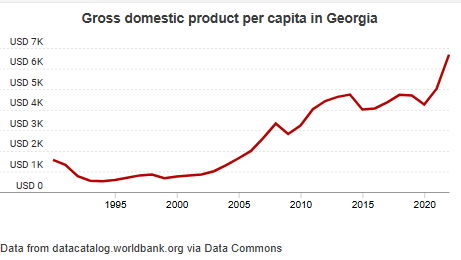
Ripple Lab’s strategic partnership with the National Bank of Georgia is set to revolutionize the nation’s economy, introducing the digital Lari. This collaboration aims to leverage advanced blockchain technology to digitize Georgia’s financial system, enhancing economic stability and efficiency. Additionally, investors closely watch the partnership for its potential to significantly boost XRP’s market value. It showcases Ripple’s growing influence in the global fintech landscape.

A Step Towards Economic Transformation

The initiative marks a significant step for Georgia, a country keen on modernizing its financial infrastructure. By adopting the digital Lari, Georgia aims to streamline its monetary system, reduce transaction costs, and improve financial inclusivity. The digital Lari project is expected to facilitate faster, more secure transactions, benefiting both businesses and consumers.

Ripple’s Role and Technology

Ripple, renowned for its blockchain solutions and digital payment protocols, will provide the technological backbone for this ambitious project. Utilizing Ripple Lab’s expertise, the National Bank of Georgia plans to implement a robust, scalable CBDC framework. Ripple’s technology is designed to enhance transaction speed, security, and transparency. These are crucial for the successful deployment of a national digital currency.

Market Implications for XRP

Investors are keenly observing the partnership’s potential impact on XRP, Ripple’s native cryptocurrency. The success of the digital Lari could enhance confidence in Ripple Lab’s technology, potentially driving up the demand and value of XRP. The partnership is seen as a testament to Ripple’s expanding global footprint and its capability to influence national economies through blockchain innovation.

Strategic Meetings and Future Prospects

Key meetings between Ripple executives and officials in Georgia underscore the project’s importance. Both parties have expressed optimism about the transformative potential of the digital Lari. Future prospects include the possibility of integrating Ripple’s technology further into Georgia’s financial system. It could influence other sectors such as remittances and cross-border transactions.

The collaboration between Ripple XRP and the National Bank of Georgia represents a significant milestone in the digital transformation of national economies. The digital Lari project aims to modernize Georgia’s financial system and positions Ripple as a key player in the global fintech arena. As the project progresses, it holds the promise of economic growth for Georgia and potential market gains for XRP. This reflects the multifaceted impact of blockchain technology in today’s financial world.

Saudi Arabia’s CBDC Collaboration: Implications for Global Geopolitics

Saudi Arabia joined the mBridge project. Let's explore the geopolitical ramifications of this significant maneuver.

Saudi Arabia’s recent integration into the mBridge project alongside China and the UAE transcends mere technological collaboration. It assumes the guise of a strategic maneuver imbued with profound geopolitical implications. In an era defined by shifting economic alliances and recalibrated power dynamics, this discourse elucidates how Saudi Arabia’s engagement in the mBridge venture mirrors its broader diplomatic and economic strategy. By delving into the geopolitical undercurrents of CBDC collaboration, we unearth the latent repercussions for both regional and global geopolitics.

Fortifying Regional Economic Nexus

Saudi Arabia’s ingress into the mBridge consortium underscores its resolve to fortify economic bonds with China and the UAE. This synergistic alliance epitomizes a broader trend wherein Middle Eastern nations deepen economic entwinements with major Asian counterparts. The mBridge endeavor, with its focal point on CBDCs, presents an avenue for streamlining cross-border transactions, curtailing costs, and fostering economic integration.

The geopolitical import of this coalition cannot be overstated. As China perpetuates its sway through initiatives like the Belt and Road, Saudi Arabia’s alignment with Chinese-led financial ventures epitomizes a strategic convergence of interests. For the UAE, a regional financial epicenter, participation in mBridge aligns seamlessly with its aspiration to remain at the vanguard of fintech innovation.

Evolving Economic Alliances

Saudi Arabia’s participation in the mBridge consortium epitomizes a paradigm shift in global economic alliances. As traditional economic powerhouses grapple with domestic vicissitudes, burgeoning economies increasingly pivot towards mutual partnership and growth. This endeavor serves as a testament to the burgeoning significance of South-South collaboration. Global South nations coalesce to harness mutual economic dividends.

By forging ties with China and the UAE, Saudi Arabia diversifies its economic affiliations. It mitigates reliance on conventional Western financial frameworks. This strategic stratagem gains salience amidst escalating economic sanctions and geopolitical frictions. Leveraging CBDCs for cross-border transactions proffers a potential buffer against such vagaries.

Global Geopolitical Considerations

The mBridge project, while ostensibly a financial endeavor, reverberates with far-reaching geopolitical reverberations. The utilization of CBDCs for cross-border remittances harbors the potential to diminish the hegemony of the US dollar in international commerce. This tectonic shift bears profound ramifications for global power dynamics. It poses a challenge to extant financial dominion and heralding a nascent multipolar world order.

For Saudi Arabia, the initiative offers a conduit to invigorate its digital economy and showcase its mettle in innovation. By partaking in avant-garde financial technology ventures, Saudi Arabia positions itself as a torchbearer in the digital metamorphosis of the global financial ecosystem. This strategic maneuver aligns seamlessly with the kingdom’s Vision 2030. It is an audacious blueprint to diversify its economic matrix and attenuate dependence on oil revenues.

Saudi Arabia’s integration into the mBridge project alongside China and the UAE represents a strategic overture rife with seminal geopolitical ramifications. This collaborative endeavor, poised to revolutionize cross-border payments via CBDCs, encapsulates broader realignments in global economic entanglements and power dynamics. As nations like Saudi Arabia embark on a trajectory to broaden economic collaborations and amplify digital economies, the geopolitical tableau will continue its inexorable evolution, propelled by financial technology innovations. mBridge emerges as a testament to the transformative potential of CBDCs in sculpting the contours of future global finance and international relations.

Binance-Mastercard Alliance Resurrected: Catalyzing Crypto Adoption

Mastercard reinstates payments for Binance

The dawn of crypto adoption receives a powerful boost. Binance proudly proclaims the reactivation of Mastercard payments on its platform. With Mastercard’s resurgence accessing cryptocurrencies becomes more seamless, propelling the relentless march towards widespread acceptance of digital assets.

In a monumental stride for the cryptocurrency realm, Binance, the undisputed titan of crypto exchanges in terms of trading volume, unveils the triumphant return of Mastercard payments on its platform. This announcement follows a ten-month hiatus and signifies the rekindling of a formidable alliance between Binance and Mastercard. It is representative of the converging paths of traditional financial frameworks and digital currency.

The Resurgence and Its Ripple Effects

The resurrection of Mastercard payments stems from Mastercard’s vote of confidence in Binance’s fortified compliance apparatus. Amidst a labyrinth of regulatory hurdles and legal entanglements, including a substantial $4.3 billion settlement with U.S. authorities, Binance has undergone a profound metamorphosis in its compliance infrastructure. These concerted endeavors have assuaged Mastercard’s concerns regarding Binance’s unwavering dedication to regulatory conformity.

Streamlined Cryptocurrency Accessibility

The reincorporation of Mastercard services into Binance’s ecosystem furnishes users with a more intuitive and familiar avenue for procuring cryptocurrencies. Users now wield the power to acquire digital assets using Mastercard credit and debit cards. Transaction ceilings are capped at €5,000 for euro transactions and $20,000 for USD transactions. This strategic maneuver aims to dismantle entry barriers for novice users, facilitating their seamless ingress into the dynamic crypto landscape.

Pioneering Mainstream Integration

The revitalized partnership between Binance and Mastercard constitutes a pivotal stride toward mainstream cryptocurrency adoption. Established financial instruments like Mastercard imbue users with a sense of reassurance and comfort. This is particularly true for users holding reservations about delving into the crypto domain. By seamlessly intertwining these services, Binance endeavors to bridge the chasm between traditional finance and the burgeoning realm of digital assets.

Furthermore, this development underscores the pivotal role of entrenched financial behemoths in legitimizing and propelling the expansion of the crypto sphere. As a growing cohort of users gains access to convenient and secure channels for procuring cryptocurrencies, the impetus toward universal acceptance of digital assets increases. This fosters an unprecedented momentum to accelerate the utilization of digital currencies.

Charting Future Trajectories

Peering into the horizon, Binance sets its sights on an ambitious trajectory. It envisions the integration of additional Mastercard services, including withdrawals. This progressive collaboration is poised to augment the overall user experience on the Binance platform, reinforcing its commitment to furnishing reliable and compliant financial services.

The resurrection of Mastercard payments on Binance heralds a new dawn for the cryptocurrency domain. It accentuates the paramount significance of regulatory adherence and the transformative potential of traditional financial infrastructures in fostering widespread crypto adoption. This strategic maneuver amplifies user accessibility to cryptocurrencies and signifies a broader paradigm shift toward integrating digital and conventional finance.

- Advertisement -

FEATURED