A wallet backdoor code was added to Ledger library results in drained wallets.
This is a developing story as the scope of this attached is not clear yet.
🚨We have identified and removed a malicious version of the Ledger Connect Kit. 🚨
A genuine version is being pushed to replace the malicious file now. Do not interact with any dApps for the moment. We will keep you informed as the situation evolves.
Coinbase, a leading digital asset exchange, unveiled its latest endeavor—spot crypto trading on its international platform. This strategic expansion beyond the U.S. marks a significant milestone for Coinbase, positioning itself as a key player in the global cryptocurrency ecosystem.
Spot Trading Unveiled
Coinbase International Exchange, which commenced operations in May 2023, has been primarily focused on derivatives trading. However, with the introduction of spot crypto trading, institutional investors worldwide gain access to seamless trading experiences with popular digital assets like Bitcoin and Ethereum against the USDC stablecoin. This move is poised to redefine industry standards, emphasizing trust, safety, and ease of use.
Strategic Rollout and Phases
The implementation of spot trading on Coinbase International Exchange is a phased process. Starting on December 14, the exchange is listing BTC-USDC and ETH-USDC pairs for non-U.S. institutional clients via API access. This strategic approach aims to build liquidity and establish a robust foundation before expanding the offering to retail users and introducing additional assets and features in the coming months.
Global Accessibility and Lower Latency
To enhance the trading experience for users worldwide, Coinbase is strategically locating servers in more accessible global locations. This move aims to significantly reduce latency barriers, ensuring a best-in-class trading experience. By doing so, Coinbase reaffirms its commitment to fostering a global crypto ecosystem that prioritizes accessibility and efficiency.
Addressing Regulatory Concerns
Coinbase’s foray into spot trading is not merely a strategic business move but also a response to the evolving regulatory landscape. Recognizing the hesitancy among some participants to engage with U.S. exchanges due to regulatory uncertainties, Coinbase International Exchange offers a trusted and compliant non-U.S. spot market for global participants.
Coinbase’s Ongoing International Focus
CEO Brian Armstrong’s emphasis on exploring international options underscores the importance of regulatory certainty. Coinbase acknowledges the European Union and the United Kingdom for their “thoughtful” and “comprehensive” approach to crypto regulation. The move into spot trading aligns with Coinbase’s commitment to navigating the global market responsibly.
As Coinbase embarks on this new chapter with spot crypto trading, the crypto community eagerly anticipates the transformative impact on the industry. The strategic expansion, commitment to regulatory compliance, and focus on user experience position Coinbase International Exchange as a cornerstone of the evolving global crypto landscape. Stay tuned for updates on this revolutionary development as Coinbase continues to redefine the standards of the digital asset exchange realm.
KuCoin, a major digital asset exchange has reached an agreement with the State of New York to settle a lawsuit by paying a substantial sum of $22 million. This decision comes in response to action initiated by New York Attorney General Letitia James, who accused KuCoin of violating state laws. For those who may not be familiar with the intricacies of cryptocurrency and online trading let’s delve into the aspects of this settlement and its implications for KuCoin and its users.
Background: Legal Action Against Crypto Exchange KuCoin
Earlier this year Attorney General Letitia James filed a lawsuit against KuCoin claiming that the platform allowed investors to trade cryptocurrencies without proper registration with the state. This legal action holds significance as it marks the first instance where a regulator argued in court that Ethereum, a prominent cryptocurrency, should be considered a security. The charges against KuCoin specifically revolved around the exchange offering tokens that met the definition of securities without appropriate registration.
Terms of Settlement: Resolution with $22 Million Payment
As part of the settlement agreement, KuCoin has committed to paying a sum of $22 million. That includes an amount of $16.77 million set aside to reimburse customers in New York who were affected by the alleged violations. Additionally, KuCoin will be making a payment of $5.3 million to the Attorney General of the State of New York. This resolution demonstrates their commitment to conducting operations following regulations and compliance standards that govern the sector.
Operational Changes: KuCoin Withdraws from New York Market
To fulfill the terms outlined in the settlement KuCoin will be discontinuing its services for users located in the state of New York. Within 120 days from the effective date of the order residents of the state of New York will no longer have access to KuCoins services. The relevant accounts will be closed as part of these changes, which are aimed at aligning KuCoins operations with the requirements established by regulatory authorities in the state.
Implications for Cryptocurrency Industry
KuCoins settlement and subsequent withdrawal from the New York market come at a time when there is increasing scrutiny on matters within the cryptocurrency space. This case highlights how important it is for crypto exchanges to operate within a framework that is similar to traditional financial institutions. Attorney General Letitia James emphasized that crypto companies must abide by these rules signaling a trend towards heightened regulatory oversight, in this industry.
1/ I want to update all of you about our latest compliance action. @kucoincom has reached a settlement with the New York Attorney General (NYAG), solidifying our commitment to compliant operations.
Closing Thoughts: Navigating the Changing Crypto Scene
As KuCoin addresses its hurdles and adjusts to regulatory shifts the cryptocurrency realm is constantly transforming. Investors and enthusiasts must stay up to date with these advancements acknowledging that adhering to regulations is now a factor in the crypto landscape. The recent $22 million settlement by KuCoin serves as a reminder of how the dynamics in the world are evolving and why industry participants need to navigate these changes responsibly.
In the rapidly evolving realm of cryptocurrencies, the significance of the Crypto-Asset Reporting Framework (CARF) 2027 cannot be overstated. Crafted by the Organisation for Economic Co-operation and Development (OECD), this framework responds to the explosive growth of the crypto-asset market, addressing the need for heightened global tax transparency. As digital assets gain traction, so do concerns about stability, security, and potential tax evasion. CARF 2027 aims to tackle these issues head-on, introducing a standardized approach to reporting and offering a beacon of clarity and transparency in the crypto market.
Background
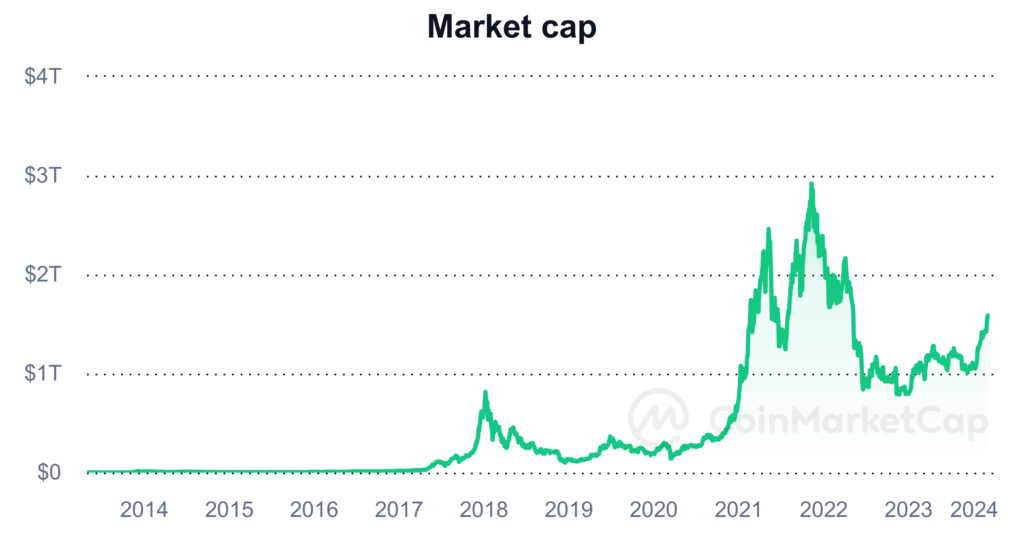
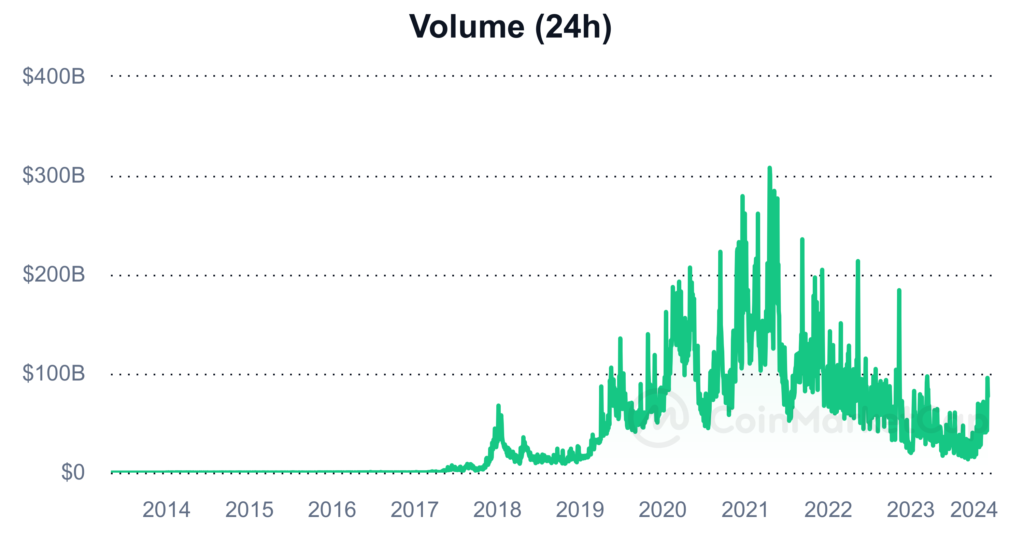
The cryptocurrency market has experienced exponential growth, boasting a total market cap exceeding $1.7 trillion with daily trades surpassing $90 billion. However, the absence of robust regulations in the crypto sphere has given rise to apprehensions regarding transparency, security, and tax evasion. It is against this backdrop that the OECD developed the Crypto-Asset Reporting Framework (CARF) 2027, a comprehensive reporting framework tailored to provide tax-relevant information on crypto-asset transactions. This framework obliges intermediaries and service providers to report aggregated information, categorized by the type of crypto-asset and the nature of the transaction.
At its core, CARF 2027 is a reporting framework designed to furnish standardized information on transactions involving crypto-assets. Developed in response to the burgeoning crypto-asset market, CARF aims to thwart tax evasion and bolster transparency. One of its noteworthy features is its adaptability, allowing it to conform to diverse regulatory frameworks and jurisdictions. Furthermore, CARF is scalable, ensuring it can accommodate the anticipated growth of the crypto market over time.
Implications for Crypto Investors
For crypto investors, the implications of CARF 2027 are substantial. The framework mandates intermediaries and service providers to report aggregated information, classifying it based on the type of crypto-asset and the nature of the transaction. This implies that investors holding crypto-assets are now required to furnish detailed information to their service providers, who, in turn, will report this information to tax authorities. While CARF aims to enhance tax transparency, it raises valid concerns about privacy, data protection, and potential regulatory burdens for investors.
Potential Benefits of CARF 2027
CARF 2027 brings forth several potential benefits for crypto investors. Firstly, it introduces a standardized reporting approach, fostering transparency and mitigating the risk of tax evasion. This standardized approach has the potential to boost investor confidence in the crypto market, potentially leading to increased adoption of crypto-assets. Secondly, CARF’s design flexibility and adaptability to diverse jurisdictions and regulatory frameworks promote harmonization and coordination between different countries and regions. This, in turn, may help reduce regulatory fragmentation and encourage innovation within the crypto market. Thirdly, the scalability of CARF ensures its continued relevance and effectiveness as the crypto market matures and evolves.
Potential Drawbacks for Crypto Investors
However, alongside its benefits, CARF 2027 introduces certain drawbacks for crypto investors. Firstly, the framework’s requirement for intermediaries and service providers to report on an aggregate basis, divided by the type of crypto-asset and the nature of the transaction, adds a layer of complexity. Investors, especially those with extensive crypto portfolios or engaged in frequent transactions, may face increased compliance costs and administrative burdens. Secondly, the implementation of CARF might attract heightened regulatory scrutiny, potentially contributing to greater market volatility and uncertainty for investors.
In summary, CARF 2027 is a pivotal development in the crypto market landscape, offering the potential to improve tax transparency and inspire greater investor confidence in crypto-assets. However, it simultaneously introduces challenges related to privacy, data protection, and potential regulatory burdens. As the crypto market continues its dynamic evolution, staying informed about the latest regulatory developments is imperative for investors navigating this ever-changing terrain.
Additional Insights
As we delve deeper into the intricacies of CARF 2027, it becomes evident that this framework is not just a response to current challenges but a proactive step towards shaping the future of the crypto market. The emphasis on adaptability and scalability showcases an understanding of the dynamic nature of digital assets. Investors, therefore, find themselves at a crossroads – navigating potential benefits while grappling with concerns that echo the broader discussions around privacy and regulatory scrutiny.
The Regulatory Landscape
The introduction of CARF 2027 reflects a broader trend in the regulatory landscape of cryptocurrencies. Governments and international bodies are increasingly recognizing the need to bring clarity and structure to the burgeoning crypto market. This move towards standardized reporting is a stride towards creating a cohesive global framework that can accommodate the unique challenges posed by digital assets. However, the road to implementation is paved with complexities, requiring a delicate balance between fostering innovation and mitigating risks.
Global Collaboration
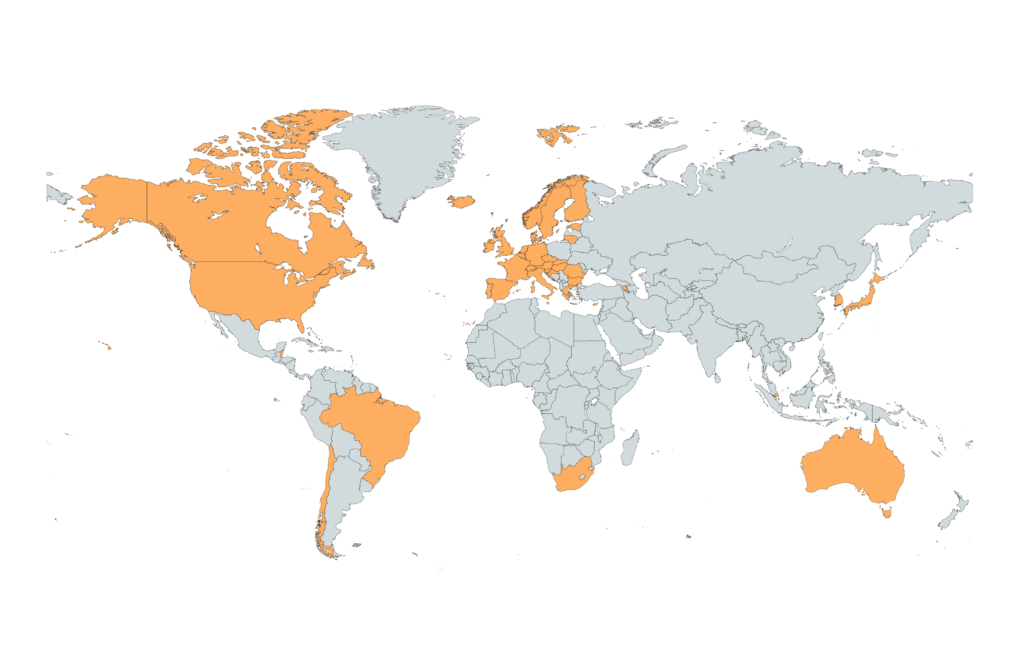
The commitment of 48 jurisdictions globally to adopt CARF 2027 signifies a remarkable feat in global collaboration. Economic powerhouses such as the United States, the United Kingdom, Singapore, Australia, Brazil, and others are aligning to address the multifaceted issues in the crypto space. The concerted effort to implement a standardized reporting framework underscores the recognition of cryptocurrencies as a global financial instrument that requires a unified approach.
Future Considerations for Investors
As investors navigate the implications of CARF 2027, it becomes crucial to adopt a forward-looking perspective. While immediate concerns about compliance and reporting requirements loom large, the long-term impact on the adoption and acceptance of crypto-assets cannot be ignored. Striking a balance between regulatory adherence and fostering an environment conducive to innovation will be key. Additionally, investors may find themselves at the forefront of advocating for privacy safeguards within the framework, ensuring that the benefits of transparency do not come at the cost of individual privacy rights.
The Evolution Continues
The unveiling of CARF 2027 marks a chapter in the ongoing evolution of the crypto market. As frameworks and regulations take shape, the industry matures, bringing both challenges and opportunities for participants. Whether one is a seasoned investor or a newcomer to the crypto sphere, staying abreast of these developments is essential. The journey towards a more regulated and transparent crypto market may be intricate, but it undoubtedly plays a pivotal role in shaping the future of finance.
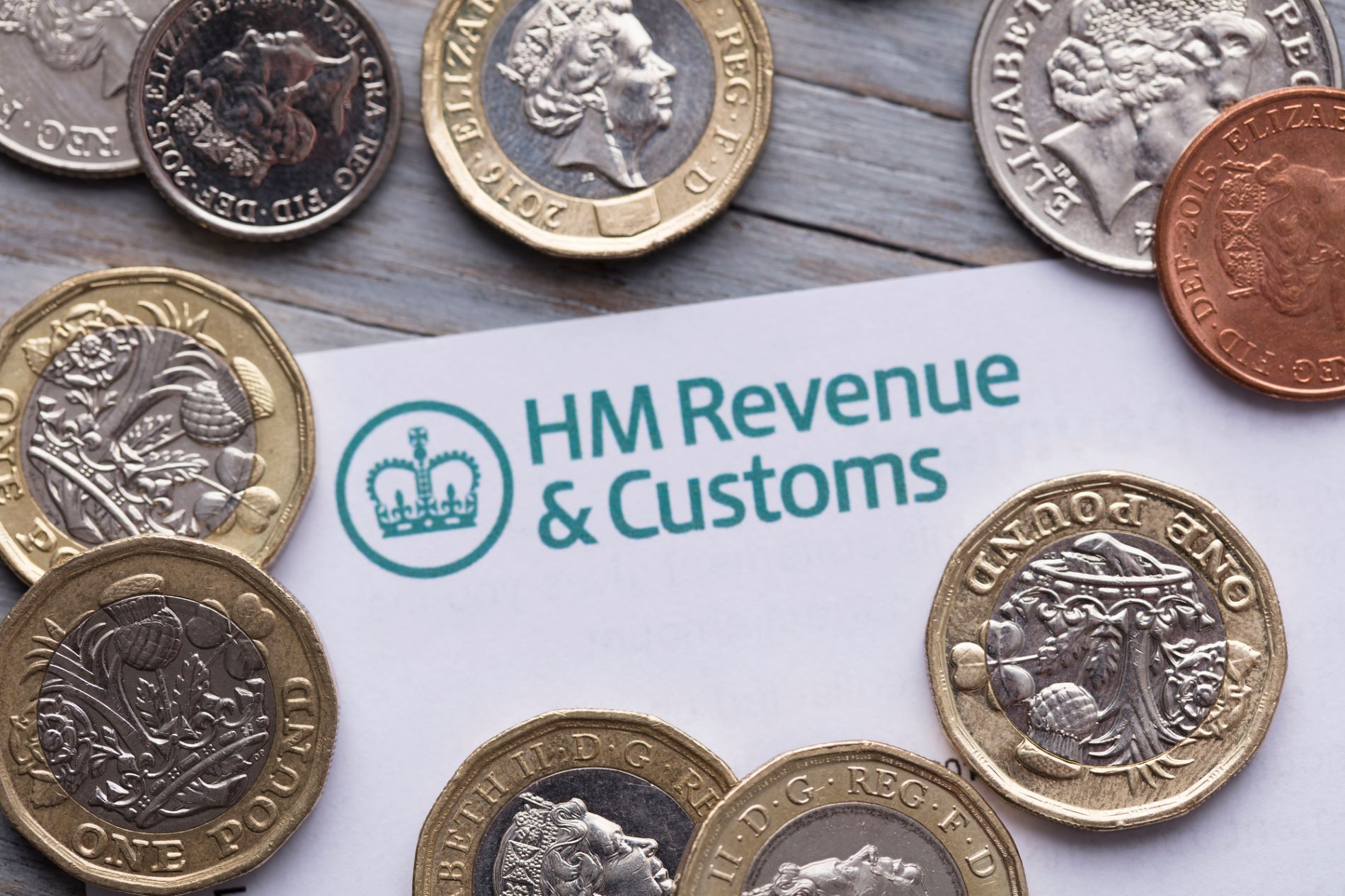
The UK tax collection agency, His Majesty’s Revenue & Customs (HMRC), is stepping up its efforts to ensure that crypto investors fulfill their tax obligations. The agency’s latest initiative, launched on November 29th, focuses on crypto enthusiasts who may have unintentionally neglected their tax responsibilities concerning digital assets such as Bitcoin, non-fungible tokens (NFTs), and utility tokens.
Untangling CGT Rates: Implications for Crypto Investors
HMRC, responsible for tax collection and enforcement in the UK, has classified these assets as part of the Capital Gains Tax (CGT) framework. It means individuals making profits from transactions could be subject to CGT rates ranging from 10% to 20%, depending on their income level and profit margins.
The tax authority has set expectations for individuals engaged in cryptocurrency trading as a business activity within the UK. Income from trading cryptocurrencies for business is now subject to income tax. The same applies to income derived from cryptocurrency mining operations. For those not involved in business trading, crypto assets are treated similarly to stocks and shares. The gains are taxable under capital gains tax (CGT).
The Urgency of Compliance: HMRC’s Disclosure Process
HMRC’s recent action highlights the growing concern about tax evasion in the fast-growing crypto market. The agency specifically targets individuals who may be unaware of their tax responsibilities or have failed to report their taxable profits.
As part of their campaign, HMRC has introduced a disclosure process allowing crypto investors to declare voluntarily any taxes related to their digital assets. Failing to comply with this directive could lead to interest, penalties, and potential legal consequences. HMRC’s authority to assess taxes for several years further emphasizes the importance of compliance. The maximum assessment period extends to 20 years for intentional tax dodgers.
Crypto investors are now encouraged to use the HMRC’s disclosure tool to rectify any oversights in their tax payments. The tool offers a process for disclosing unpaid taxes on crypto assets, providing a 30-day window for settling the entire owed tax amount.
As the UK government aligns with efforts against crypto tax evasion through initiatives like the Crypto Asset Reporting Framework (CARF), the crypto market faces increased scrutiny. Given that ownership of assets is predominantly among young adults, who might be new to tax obligations in the crypto world, HMRC’s campaign serves as an important reminder for fulfilling these responsibilities.
The crypto market’s trajectory remains uncertain as regulatory measures tighten. For now, the call for compliance echoes loudly for UK crypto investors, urging them to adapt responsibly to the changing tax environment.