Home Blog Page 218

Why The Crypto Community Is Increasingly Wary of SEC Crypto Regulation
Logo of U.S. Securities and Exchange Commission (SEC).

The dynamic cryptocurrency arena is currently witnessing heightened unease within its community regarding the credibility of the U.S. Securities and Exchange Commission (SEC) as the regulatory authority for the crypto space. Recent events have thrust the SEC into the spotlight, casting shadows over its ability to regulate with fairness and transparency.

SEC Under Scrutiny: A Trilogy of Setbacks in 2023

The year 2023 has not been kind to the SEC, as it grapples with a series of setbacks that have drawn criticism from federal judges and ignited concerns among crypto enthusiasts. Three prominent cases have surfaced, highlighting what appears to be a troubling pattern of mismanagement and questionable tactics by the SEC.

The Debt Box Debacle: A Closer Look

In a recent Utah federal court case involving Digital Licensing Inc., or Debt Box, the SEC obtained a temporary restraining order under dubious circumstances. The SEC’s attorneys allegedly made “materially false and misleading representations,” convincing the court to freeze millions of dollars in assets belonging to Debt Box. The judge expressed concern that the SEC’s arguments were “misleading” and undermined the integrity of the legal proceedings.

Ripple Lawsuit Fallout: Inconsistencies and Hypocrisy

The XRP lawsuit verdict delivered in July 2023 added fuel to the fire. The court criticized the SEC for demonstrating “hypocrisy” by making inconsistent arguments. This echoes the sentiments expressed in the Debt Box case, where the judge accused the SEC of misleading the court, causing irreparable harm to the company.

Grayscale Battle: Inconsistent Treatment and Arbitrary Actions

Another blow to the SEC came in August 2023. The US Court of Appeals for the District of Columbia Circuit ruled against the SEC in a lawsuit involving Grayscale. The court highlighted “inconsistent treatment of similar products” and accused SEC officials of acting in an “arbitrary and capricious” manner. These events further eroded confidence in the SEC’s regulatory approach within the crypto community.

Community Outrage: A Strained Relationship

The fallout from these cases has triggered fresh outrage within the crypto community. Many stakeholders perceive the SEC’s actions as baseless attacks on the crypto industry. This contributes to an already strained relationship between regulators and crypto enthusiasts. The credibility of the SEC is now under intense scrutiny, and concerns about its regulatory fairness loom large.

Rebuilding Trust: A Pivotal Challenge

As the controversy unfolds, the crypto community grapples with the implications of the SEC’s actions. Rebuilding trust between regulators and stakeholders is now a pivotal challenge. Transparency, accountability, and a fair regulatory approach are crucial for bridging the widening gap and fostering a more cooperative relationship between the SEC and the crypto community.

The crypto community’s concerns about the SEC’s credibility in regulating the crypto space have reached a critical juncture. The trilogy of setbacks in 2023 has ignited a debate about the fairness and transparency of regulatory actions. As the SEC faces scrutiny and potential sanctions, the crypto industry watches closely, navigating the uncertainty that surrounds the future of crypto regulation in the United States.
Standard Chartered Bank Initiates Digital Yuan Exchange

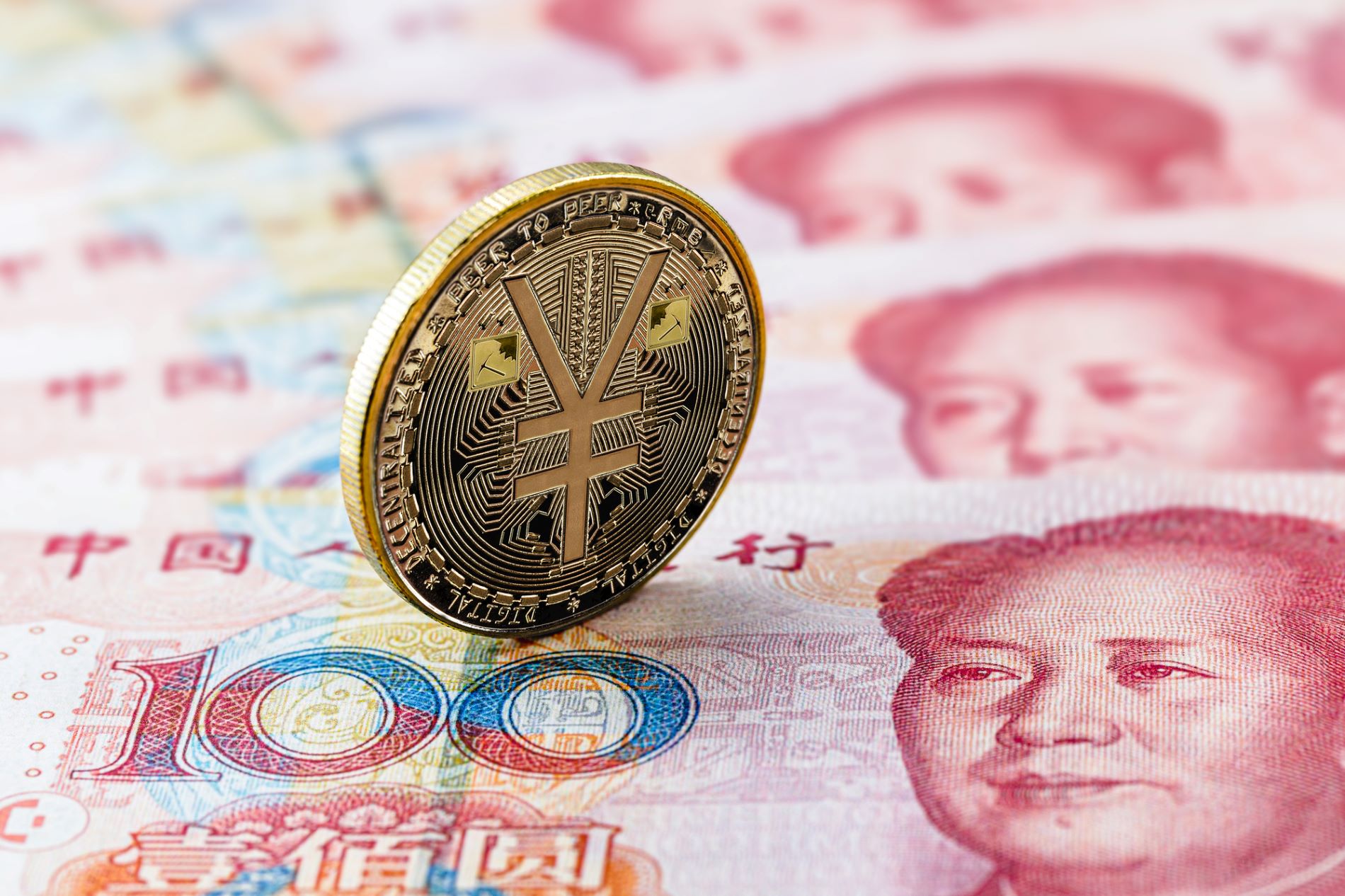
Standard Chartered Banks Chinese branch has emerged as a forward-thinking player in the financial industry by offering exchange services for China’s Central Bank Digital Currency (CBDC), commonly known as the digital yuan. This development represents a milestone in bridging traditional banking with the growing world of digital currencies. As the People’s Bank of China (PBOC) advances its currency trials, Standard Chartered Bank, a global banking powerhouse, is making a significant impact on China’s financial markets. By enabling its customers to buy, exchange, and redeem the yuan through their bank accounts, the bank solidifies its position as a key participant in the ever-evolving domain of digital finance.

Exploring the Digital Yuan Landscape with Standard Chartered

The partnership between Standard Chartered’s China division and City Bank Clearing Services signals a collaboration aimed at providing customers with seamless access to the interconnection platform for the digital yuan. By engaging in the PBOC’s trials, Standard Chartered established itself as one of the pioneering foreign banks to participate.

Key Focus Areas during the Pilot Phase

During this phase Standard Chartered aims to prioritize certain areas such as cross-border merchant payments, trade financing, and supply chain financing. These strategic focus areas align with the goals of the digital yuan initiative, showcasing Standard Chartered’s commitment to exploring diverse applications and use cases for the CBDC.

Momentum of Chinas Digital Yuan

China’s digital currency, commonly known as e CNY or digital yuan, has gained traction and surpassed a transaction volume of 1.8 trillion yuan ($250 billion) by the end of June 2023. As one of the most advanced Central Bank Digital Currencies globally the increasing transaction volume highlights its growing acceptance and usage in various sectors, ranging from public transport payments to salaries and medical expenses.

Strategic Positioning of Standard Chartered

By participating in the pilot program for China’s digital yuan, Standard Chartered positions itself as a forward-thinking institution that embraces the future of digital finance. The partnership with City Bank Clearing Services and involvement in cross-border initiatives demonstrate the bank’s proactive approach, toward providing innovative financial solutions within an ever-evolving landscape of digital currencies.

Standard Chartered’s recent venture into the digital yuan sector not only reinforces its presence in China but also carries significant implications for global banking. By becoming one of the international banks to offer digital yuan exchange services Standard Chartered is setting a precedent for other financial institutions worldwide, indicating a growing convergence between traditional banking and government-backed digital currencies.

In conclusion, Standard Chartered Bank’s entry into the realm of digital yuan services marks a pivotal moment in the global financial landscape. As China continues to advance its Central Bank Digital Currency (CBDC) trials, Standard Chartered’s participation positions the bank at the forefront of embracing digital currencies. This strategic move not only aligns with China’s evolving financial ecosystem but also highlights the bank’s dedication to pioneering innovative solutions in this era of digitization.

How North Korea Steals Crypto – Unveiling a Cybernetic Cat-and-Mouse Game

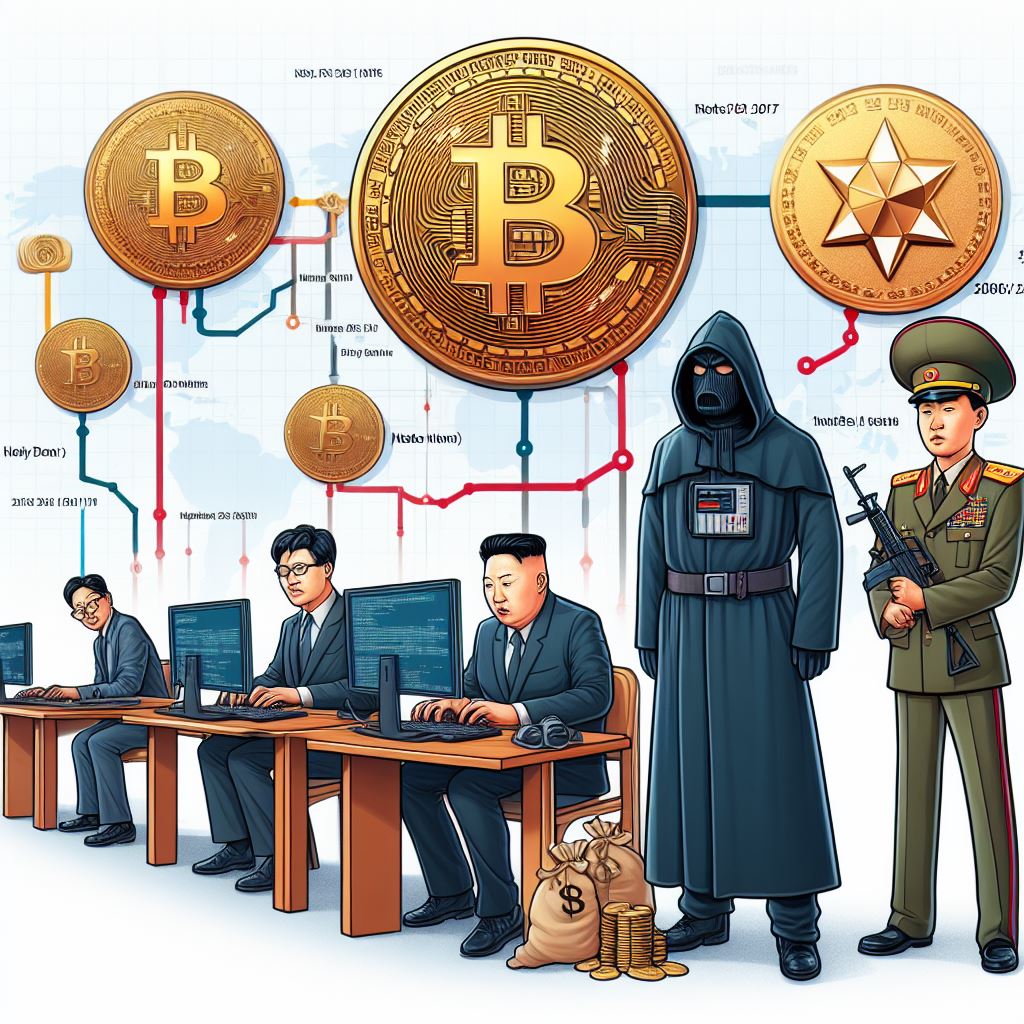
In the ever-evolving realm of cybersecurity, North Korea’s Lazarus Group stands out as a versatile threat actor, employing sophisticated tactics to execute cryptocurrency heists. This article delves into the intricacies of North Korea’s cyber operations, shedding light on their evolving strategies, the recent seizure of the crypto mixer Sinbad.io, and the alarming scale of their crypto thefts.

North Korea’s Strategic Shift to Cryptocurrency

Since 2017, North Korea has strategically shifted its focus from traditional financial institutions to the crypto sector. Faced with international sanctions, the regime found a lucrative means to fund its endeavors through cryptocurrency theft, particularly its nuclear arsenal and ballistic missile programs. The shift began with targeted attacks on South Korean entities during the 2017 cryptocurrency boom and gradually expanded globally.

Recorded Future’s Insight: A Glimpse into North Korea’s Crypto Heists

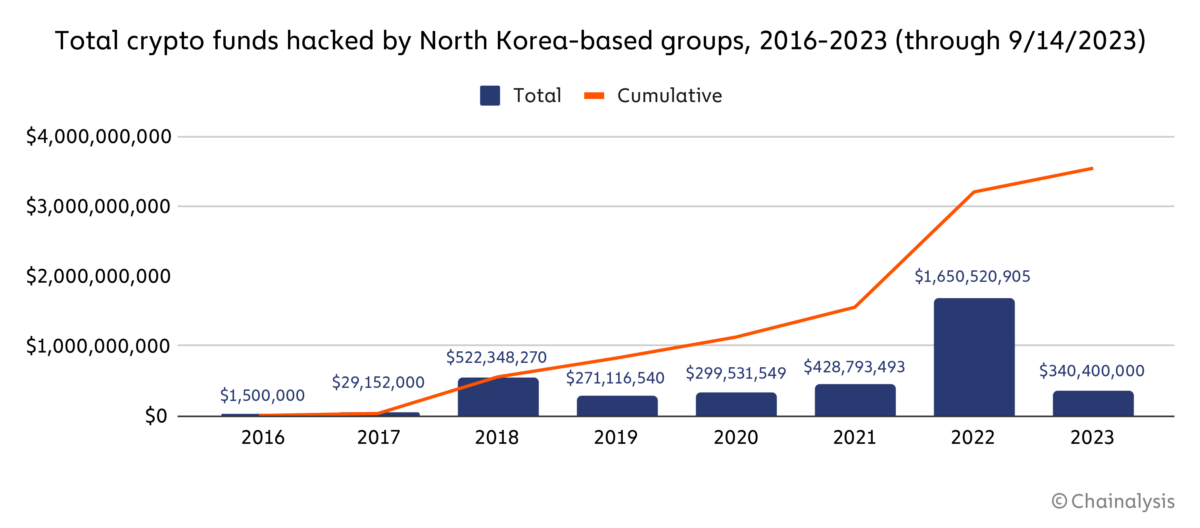
Recorded Future‘s recent report reveals the staggering extent of North Korea’s cryptocurrency theft, amassing a total of $3 billion since 2017. The regime, backed by highly trained computer science professionals, transitioned from targeting financial institutions to a broader strategy, encompassing individual users, venture capital firms, and alternative technologies. The illicitly acquired funds, crucial for circumventing international sanctions, undergo conventional laundering processes.

Chainalysis Data: Unveiling the Scale of North Korea’s Crypto Heists

According to Chainalysis, North Korea-backed hackers stole $1.7 billion in cryptocurrency in 2022 alone, marking a substantial portion of the global crypto losses that year. This surge in illicit gains reflects a fourfold increase compared to the country’s previous record. The report emphasizes the country’s desperate turn to crypto theft as a response to economic sanctions, contributing to 44% of the total stolen in 2022.

Crypto Mixer Seizures: Disrupting North Korea’s Money Laundering Efforts

In a significant move last week, the U.S. Treasury Department sanctioned and seized Sinbad.io, a virtual currency mixer integral to North Korea’s money laundering efforts. The mixer played a crucial role in obscuring the financial trail of ill-gotten proceeds from cybercriminal activities, including Lazarus Group’s involvement in high-profile heists like the Axie Infinity and Horizon Bridge incidents. The crackdown on Sinbad.io exemplifies global efforts to disrupt key components of North Korea’s cybercriminal infrastructure.

Lazarus Group’s Techniques: From Phishing to DeFi Hacks

North Korean threat actors, particularly Lazarus Group, employ diverse tactics ranging from phishing and supply chain attacks to infrastructure hacks. In 2022, they pilfered $1.7 billion, with 44% of the stolen cryptocurrency attributed to their operations. Notably, $1.1 billion was stolen through hacks of decentralized finance (DeFi) protocols, showcasing North Korea’s role in intensifying the DeFi hacking trend.

The Ongoing Threat: Decrypting the Cybernetic Cat-and-Mouse Game

Despite global efforts and sanctions, North Korea’s cybercriminal endeavors persist, fueled by the economic imperative to fund strategic programs. The recent collaboration among North Korean state-sponsored threat actors further complicates tracking efforts. As the crypto threat landscape evolves, collaborative defenses, stronger regulations, and enhanced cybersecurity measures become imperative to counter the persistent threat posed by North Korea’s adept cyber operations.

The cryptocurrency industry stands at the forefront of North Korea’s revenue-generating endeavors, prompting the need for heightened security measures, regulations, and investments. The ongoing cybernetic cat-and-mouse game necessitates a proactive stance from the global cybersecurity community to thwart North Korea’s relentless pursuit of crypto theft as a means to sustain its regime in the face of economic restrictions.

Crypto Adoption in Europe – Three Giants Charting the path

As the global financial landscape shifts, European banking institutions seize the lead in Europe’s crypto adoption wave. Raiffeisen Bank International, Santander, and St. Galler Kantonalbank strategically integrate digital assets into their services in response to the escalating interest in cryptocurrencies. This move signifies not just a reaction to customer demands, but a proactive step to redefine banking in the digital age. Explore the initiatives of these giants as they navigate the crypto landscape, shaping their unique paths with user-friendly interfaces and robust security measures. It’s not merely a trend response; it’s a pivotal moment in Europe’s financial evolution.

Raiffeisen Bank International Sets the Stage for Retail Crypto Services

In response to the escalating interest in digital assets, Raiffeisen Bank International, Austria’s financial powerhouse, is on the verge of transforming its services. With assets totaling $215 billion and a customer base of 17.8 million, Raiffeisen prepares to launch cryptocurrency trading services across the European Union and Eastern Europe by January 2024. Collaborating with Bitpanda, a well-regulated platform, the bank aims to cater to the digitally literate demographic seeking secure and diverse investment options.

Despite Raiffeisen’s initial rollout in Vienna, the bank’s headquarters, the broader plan is to extend crypto services to its vast clientele. The collaboration with Bitpanda is not merely a response to the rising trend but a strategic move to provide a comprehensive suite of digital asset investments. Apart from cryptocurrency trades, the partnership also encompasses stocks, ETFs, and precious metals, delivering a holistic approach to modern investments.

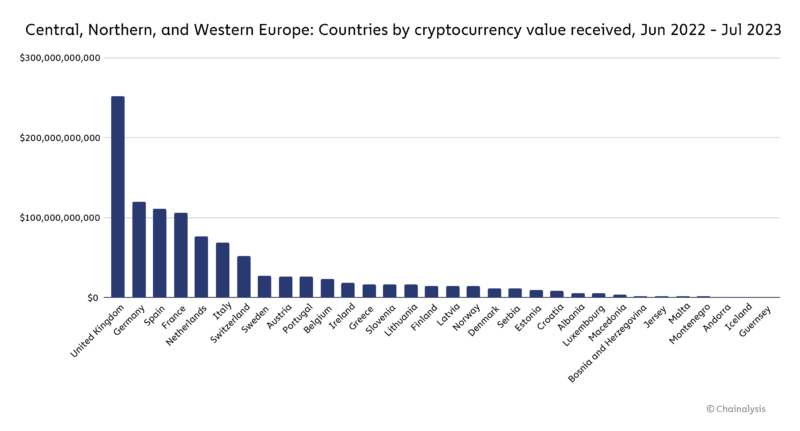
source: chainalysis.com

Santander Breaks Ground with Cryptocurrency Trading Platform

Joining the crypto movement, global banking giant Santander is making significant strides to meet the escalating demand for digital assets. Although detailed specifics are yet to be unveiled, reports suggest that Santander is diligently working on a cryptocurrency trading platform. This move positions Santander among the pioneers in recognizing cryptocurrencies as a legitimate and valuable investment class. The global banking giant is gearing up to provide its customers with a secure and seamless way to engage with the burgeoning crypto market.

Santander’s initiative aligns with the broader trend among financial institutions globally, acknowledging the growing significance of cryptocurrencies. As traditional banking institutions embrace digital assets, Santander is at the forefront of this transformative shift.

St. Galler Kantonalbank Transforms Financial Services with AMINA Partnership

In Switzerland, the financial landscape is undergoing a seismic shift as St. Galler Kantonalbank (SGKB) embraces digital assets. In collaboration with AMINA Bank, SGKB is set to extend digital asset custody and brokerage services to its clientele. As the fifth-largest cantonal bank, SGKB is strategically positioned to pioneer crypto adoption in the Swiss banking sector. While initially offering Bitcoin and Ethereum trading to select clients, the bank plans to expand its offerings based on client demand.

The partnership with AMINA Bank signifies SGKB’s commitment to providing a seamless and secure transition into the crypto space. This move positions SGKB as a key player in the evolving Swiss crypto landscape, where traditional banking seamlessly integrates with modern digital assets.

Europe’s Banking Giants Embrace Crypto to Meet Evolving Customer Demands

As Raiffeisen Bank International, Santander, and St. Galler Kantonalbank embark on their crypto journeys, Europe’s financial sector undergoes a paradigm shift. These banking giants are not merely responding to existing demands; they are actively shaping the landscape of financial services by incorporating cryptocurrencies into their offerings. The ripple effect of this transformative journey is likely to redefine the relationship between traditional banking and the digital assets landscape in the years to come.

User-Friendly Interfaces and Robust Security: A Common Theme

A notable theme emerging from Raiffeisen, Santander, and SGKB’s foray into cryptocurrency services is the emphasis on user-friendly interfaces coupled with robust security measures. Raiffeisen assures a familiar experience for its customers, mirroring traditional banking transactions. Similarly, Santander is diligently working on a trading platform designed to provide a secure and seamless crypto trading experience. SGKB, in collaboration with AMINA, is committed to offering a straightforward setup aligned with its clients’ needs, ensuring a smooth transition into the crypto space.

The convergence of Raiffeisen Bank International, Santander, and St. Galler Kantonalbank into the cryptocurrency space underscores a pivotal moment in the evolution of European banking. Recognizing the shift in customer preferences and the growing importance of digital assets, these banking giants are not merely adapting; they are setting the pace for a new era in financial services.

Bitcoin 2024 Bull Run – Riding the Crypto Wave

The cryptocurrency landscape is no stranger to speculation and excitement, and the recent predictions about a potential Bitcoin bull run in 2024 have stirred the market once again. Let’s delve into the intricacies of this forecast, considering the various factors that might contribute to a surge in Bitcoin’s value. What should investors keep in mind?

Understanding the Bitcoin Landscape in 2024

As we approach the end of 2023, the crypto space remains dynamic and resilient. Despite increased regulatory actions, Bitcoin managed to rally, boasting a 130% gain for the year. However, it’s crucial to note that the current price of around $37,800 is still more than 45% lower than its peak in 2021. Anthony Rousseau, the head of brokerage solutions at TradeStation, believes 2024 to hold a promising setup for a Bitcoin bull run.

The Catalysts: ETF Approvals and Halving Event

Rousseau points to several factors contributing to this optimistic outlook. The fair value of Bitcoin hovers around $42,000, with the 200-day moving average at $29,000. On-chain data reveals that long-term holders are holding onto their Bitcoin, signaling a bullish trend. The anticipated approval of Bitcoin exchange-traded funds (ETFs) in the U.S. and the upcoming halving event in April 2024 are expected to be the catalysts driving Bitcoin’s ascent.

The approval of spot Bitcoin ETFs is a hot topic, with analysts placing the odds at 90%. Standard Chartered’s bullish prediction asserts that the approval of several U.S.-based spot Bitcoin ETFs is likely to happen sooner than expected. This sentiment aligns with Bloomberg Intelligence ETF analysts’ 90% likelihood that the U.S. Securities and Exchange Commission (SEC) will approve these applications by January 10.

Macro Factors and the 2024 Presidential Election

Beyond these market-specific catalysts, macroeconomic conditions also come into play. Investors anticipate the Federal Reserve’s potential interest rate cut in March 2024, creating a favorable environment for risk assets like Bitcoin. Additionally, historical trends suggest that Bitcoin tends to perform well during presidential election years. Hence, the 2024 election could further boost BTC, given its historical positive correlation with election cycles.

Summing Up: Navigating the Crypto Roller coaster

As we navigate the twists and turns of the cryptocurrency market, the predicted Bitcoin bull run in 2024 appears to be grounded in a combination of technical indicators, regulatory developments, and macroeconomic factors. However, investors should approach these predictions with caution, considering the inherent volatility of the crypto space. The approval of spot Bitcoin ETFs and the halving event are indeed potential game-changers, but the market’s response is dynamic and unpredictable.

In conclusion, while the stars seem to align for a significant Bitcoin surge in 2024, only time will unveil the true trajectory of the cryptocurrency. As always, investors should conduct thorough research, stay informed about regulatory changes, and be prepared for the unexpected in this ever-evolving digital frontier.

- Advertisement -

FEATURED