
Home Blog Page 104

Crypto as a Weapon: Inside the $90M Hack of Iran’s Nobitex Exchange
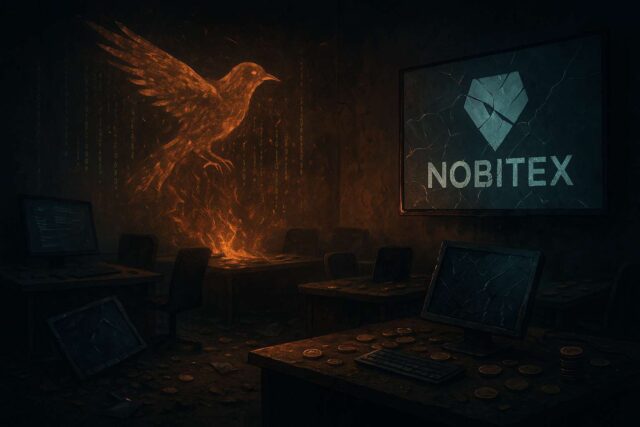
Photo-realistic illustration of an abandoned Nobitex crypto office after $90M hack, with broken monitors, scattered coins, and a fiery digital sparrow symbolizing Predatory Sparrow hackers, visualizing the Nobitex hack tied to the Israel-Iran cyber conflict.

In one of the most politically charged hacks of a crypto platform to date, Iran’s largest digital asset exchange, Nobitex, has fallen victim to a sophisticated cyberattack. The perpetrators, a group identifying themselves as Predatory Sparrow, claim to have stolen and destroyed over $90 million in Bitcoin, Ethereum, and USDT. Simultaneously, they wiped servers and leaked internal documents.

The Nobitex breach is far more than a criminal exploit. It is a flashpoint in a growing cyber war that increasingly treats cryptocurrency as both target and weapon. From geopolitical sabotage to cybersecurity lapses and state-imposed regulation, the incident is a case study of crypto infrastructure’s vulnerabilities when under pressure from global conflict.

Inside the Nobitex Hack: The Heist That Shook Iran’s Crypto Sector

The breach occurred in mid-June 2025. Predatory Sparrow, a group long suspected of Israeli affiliations, claimed responsibility for the incident.

The hackers’ operation was not limited to digital theft. According to blockchain analytics firms like Elliptic and Chainalysis, the group drained tens of millions in assets before deliberately destroying wallets and backend systems.

What sets the Predatory Sparrow cyberattack apart is the hybrid nature of the assault. It combined financial theft, infrastructure sabotage, and the strategic release of sensitive Nobitex communications.

On-chain data confirms that stolen assets include Bitcoin, Ethereum, and Tether. Forensic tracing suggests a coordinated withdrawal pattern designed to bypass Iran’s internal surveillance and capital controls.

Cyber Warfare by Proxy: Crypto’s Role in the Israel-Iran Standoff

In a public statement, Predatory Sparrow accused the Iranian regime of financing terrorism and claimed their actions were in retaliation. Analysts widely interpret this as a clear escalation in the Israel-Iran cyber conflict, following a series of attacks on fuel distribution systems, steel plants, and defense infrastructure in recent years.

Cryptocurrency platforms like Nobitex are increasingly seen as strategic targets, not merely for financial gain, but for their symbolic and practical roles in national economies. The Iran crypto exchange hack may represent a broader evolution in modern cyber warfare. We witness the weaponization of decentralized financial systems by state-linked actors.

Iran Responds with Regulation: Crypto Curfews and Centralized Oversight

Following the Nobitex hack, Iranian regulators imposed strict measures to restore control over digital platforms and user activity. Iranian authorities implemented a so-called crypto curfew, restricting trading hours on exchanges and intensifying surveillance requirements.

The Central Bank of Iran and other regulators have ordered Nobitex and its competitors to submit detailed logs, user data, and revised security protocols.

While officials claim these measures are essential for national security, critics argue that the response penalizes users. It also ignores the underlying cybersecurity failures that enabled the breach. This aggressive stance underscores a shift in Iranian crypto regulation, prioritizing state surveillance over decentralized principles.

Security Gaps and a Fragile Infrastructure

Leaked internal messages, published by Predatory Sparrow, reveal glaring vulnerabilities in Nobitex’s security architecture.

The absence of robust cold storage protections, outdated server infrastructure, and potential conflicts of interest between Nobitex and Iranian authorities are now under scrutiny.

Experts warn that Iran’s sanctions environment has long made it difficult for exchanges like Nobitex to access modern cybersecurity tools. They were left exposed to state-grade cyberattacks.

The Nobitex security failure is a stark reminder that geopolitics doesn’t just impact markets—it can collapse platforms. The Nobitex case has become a cautionary tale for crypto exchange cybersecurity, especially in regions facing geopolitical strain.

Global Reaction and Strategic Implications

While global crypto markets remained relatively stable in the immediate aftermath, compliance experts are paying close attention.

Firms like Chainalysis and Elliptic are tracking the stolen funds and warning exchanges to bolster defenses.

The broader concern is conceptual: Can a crypto exchange in a sanctioned or authoritarian regime ever achieve true operational security? The geopolitical risk exposed by the Nobitex hack challenges the long-held notion that decentralized systems are immune to state interference.

Conclusion: Nobitex as a Geopolitical Fault Line

The $90 million crypto heist at Nobitex is more than a high-profile breach. It’s a multi-layered incident at the intersection of cyberwarfare, financial sovereignty, and digital authoritarianism.

As the Nobitex hack demonstrates, crypto exchanges are no longer just financial platforms. Crypto is firmly entrenched in the playbook of global conflict, and exchanges have become political targets in a digital battlefield. Platforms and users must reckon with a new reality: in today’s world, your wallet can be a target.

Readers’ frequently asked questions

Is Nobitex still operational after the cyberattack?

Yes, as of June 2025, Nobitex remains operational but under strict regulatory oversight. Trading hours have been limited, and the platform is required to comply with new data and infrastructure mandates issued by Iranian authorities.

Were user funds completely lost in the Nobitex hack?

According to blockchain analytics and the hackers’ own statement, much of the stolen crypto was destroyed or rendered unrecoverable. Nobitex has not confirmed full details publicly. Users are advised to monitor official updates for restitution options.

What can users do to protect their crypto on regional exchanges like Nobitex?

Users should consider withdrawing long-term holdings to self-custodied wallets, enable all available security features, and stay informed about regulatory and cybersecurity developments in their jurisdiction.

What Is In It For You? Action items you might want to consider

Evaluate your exchange exposure in geopolitically risky regions

If you trade or hold assets on exchanges operating in sanctioned or high-risk jurisdictions, assess the political and cybersecurity stability of those platforms.

Transition to self-custody where possible

Given the irreversible losses in the Nobitex case, storing crypto in non-custodial wallets with strong recovery options offers a layer of protection in case of breach.

Monitor cross-border crypto restrictions

Iran’s post-hack clampdown may foreshadow similar moves by other governments facing political or financial pressures. Traders should follow curfews, KYC tightening, or capital controls closely.

Senate Passes Genius Act: A Milestone for Stablecoin Regulation Amid Political Tensions

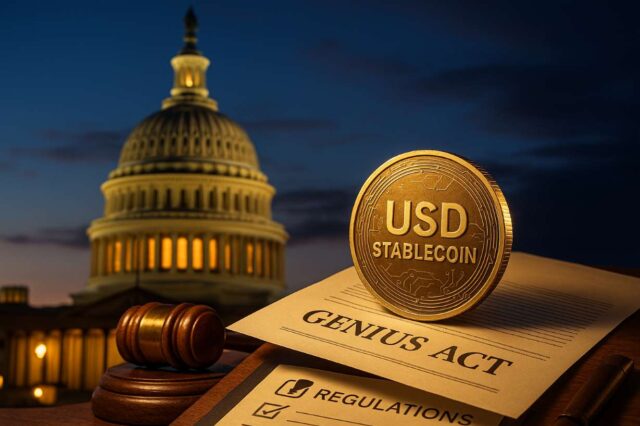
A photo-realistic image of the U.S. Capitol at dusk, featuring a USD Stablecoin coin and a Genius Act document in the foreground. A gavel and regulatory checklist highlight the theme of crypto legislation, visually representing the Genius Act stablecoin regulation.

In a landmark move for the digital asset industry, the U.S. Senate has passed the GENIUS Act, setting the stage for the country’s first federal framework for stablecoin regulation. This U.S. Senate crypto bill is a defining moment in stablecoin legislation in 2025, offering legal clarity for issuers. However, its passage also highlights concerns about political influence and crypto lobbying.

As the bill moves to the House of Representatives, lawmakers and industry figures remain split. Some hail the move as a breakthrough; others warn of imbalances behind the scenes.

What the GENIUS Act Does

The GENIUS Act stablecoin legislation introduces a two-tier licensing system. Stablecoin issuers can register through state-based regimes under Federal Reserve stablecoin supervision, or seek a federal license from the Office of the Comptroller of the Currency (OCC). Some analysts call this a modern approach to OCC stablecoin licensing.

Issuers must maintain 100% reserve backing, undergo regular audits, and follow enhanced consumer disclosure rules. These safeguards aim to avoid past crypto collapses and form a stablecoin oversight framework built for the U.S. market.

Industry Sees a Win, But Critics Remain Vocal

Crypto leaders say the act legitimizes stablecoins. It offers a structured path forward, with flexibility to support innovation. Many view the dual-path model as a win for market diversity.

Still, critics say smaller firms may be pushed out by compliance costs. Progressive lawmakers argue the bill helps large players more than consumers. “We need bipartisan crypto regulation that protects the public, not just venture capital portfolios,” said one House Democrat.

Corruption and Crypto Lobbying Concerns Surface

Beyond the bill’s text, critics highlight the role of crypto lobbying in Congress. Reports cite aggressive outreach from stablecoin issuers and crypto-funded PACs. These efforts intensified just before the final draft.

Republican Senator Tim Scott’s GENIUS Act leadership won bipartisan praise. However, some colleagues say the process lacked transparency. Critics argue that lawmakers had little time to study the risks or hold hearings.

Systemic Risk or Regulatory Clarity?

Supporters say the bill adds needed protections. It divides regulatory power between state and federal bodies. However, some warn that split authority could allow gaps to form.

Without coordination, federal stablecoin regulation may remain fragmented. “The framework is a good start, but we’ll need stronger safeguards if we’re serious about long-term market stability,” said one analyst.

House Vote On GENIUS Act Could Face Resistance

The bill now heads to the House, where opposition may be stronger. Some lawmakers want more robust consumer protections and tighter rules on lobbying. The House vote on the GENIUS Act may test how far crypto laws can go in a divided Congress.

Whatever happens next, the Senate’s vote has changed the landscape. Stablecoins are now a national policy issue.

The GENIUS Act’s stablecoin regulation marks a turning point for U.S. digital asset policy. However, it also shows the political forces that shape financial regulation. Whether praised as visionary or criticized as compromised, the bill moves the U.S. toward a regulated stablecoin market and sets the tone for what comes next in crypto law.

Readers’ frequently asked questions

Does the GENIUS Act apply to algorithmic stablecoins?

No. The GENIUS Act focuses exclusively on fiat-backed stablecoins that are fully backed by reserve assets. Algorithmic stablecoins, which rely on code-based supply mechanisms instead of collateral, are not eligible for licensing under the act.

Can foreign companies issue stablecoins under the regulations of the GENIUS Act?

Only U.S.-domiciled entities can apply for a stablecoin license under the GENIUS Act. Foreign issuers would need to establish a U.S. legal presence and meet the same reserve, audit, and licensing requirements to operate lawfully in the U.S. market.

What happens if a state and the federal regulator have conflicting rules?

The GENIUS Act does not explicitly resolve conflicts between state-chartered rules and federal oversight by the Federal Reserve. Experts expect that further guidance or companion regulations will be necessary to address inter-agency coordination and preemption issues.

Will unlicensed or foreign-issued stablecoins still be accessible to U.S. users?

The short answer is no. Once the GENIUS Act becomes law, only stablecoins issued by licensed entities will be permitted in the U.S. market. Exchanges and payment platforms serving U.S. users will be expected to delist or block access to non-compliant stablecoins, including those issued offshore.

Can algorithmic stablecoins still be traded legally in the U.S.?

Not under the GENIUS Act. While the law does not outright ban them, it offers no regulatory pathway for algorithmic stablecoins. As a result, U.S. exchanges may delist them to minimize legal risk. Other regulators, like the SEC or CFTC, may take separate enforcement action depending on their classification.

What Is In It For You? Action items you might want to consider

Monitor the House debate and potential amendments to the GENIUS Act

If you’re a stablecoin issuer, legal advisor, or investor, follow the House discussion closely. Changes to consumer protection, licensing conditions, or reserve mandates could significantly alter compliance strategies.

Re-evaluate your regulatory pathway for stablecoin issuance

With both state and federal licensing options under the GENIUS Act, fintech firms should reassess which route aligns better with their business model, capital structure, and risk appetite.

Stay alert to rising scrutiny of crypto lobbying and influence

Advocacy efforts will likely intensify as the bill progresses. Firms engaged in lobbying or political engagement should prepare for increased public and regulatory attention.

Bitget Bets on Education: $10M to Train 300K Young Minds in Blockchain via UNICEF Deal

A diverse group of young students using tablets and laptops in a modern classroom, with a digital screen behind them displaying blockchain and Web3 graphics. The scene represents the Bitget UNICEF partnership focused on blockchain education for youth.

In a move that blends philanthropy with strategic foresight, Bitget has announced a three-year partnership with UNICEF to promote blockchain literacy among youth. The collaboration, valued at $10 million, will reach 300,000 young people in eight countries by 2026. The curriculum will focus on blockchain education, digital skills, and Web3 training. It’s one of the most ambitious educational investments in the crypto sector to date.

A Three-Year Commitment to Blockchain Literacy

The Bitget UNICEF partnership is part of the Game Changers Coalition, UNICEF’s initiative to equip youth with future-ready skills. Bitget’s $10 million donation will support a blockchain training module that covers decentralization, smart contracts, and Web3 use cases. By embedding blockchain education into UNICEF programs, the collaboration aims to deliver a lasting, scalable impact.

The Bitget $10 million donation will be distributed over three years to fund curriculum development, training infrastructure, and localized deployment.

Empowering Girls in Tech Across Eight Countries

A core goal of the program is to address the gender gap in technology. It prioritizes girls in tech, aiming for equal access to blockchain learning. Target countries include Brazil, Argentina, Nigeria, and India, among others. In these regions, tech education for underserved communities is often limited or unavailable. The initiative seeks to close this gap.

To reach these learners, the program will use accessible formats, multilingual materials, and local facilitators. It emphasizes tech education for underserved communities, ensuring no one is excluded from opportunity.

A Strategic Move from Bitget

While philanthropic, this initiative also serves Bitget’s long-term interests. By promoting digital skills for youth in fast-growing regions, Bitget is planting seeds for future adoption. In a crowded market, this type of crypto CSR initiative helps the exchange stand out.

Aligning itself with UNICEF places Bitget among the few crypto platforms working alongside global development institutions and strengthens the exchange’s credibility.

Education as the Gateway to Web3 Inclusion

Despite rising interest, blockchain literacy remains low, especially in marginalized areas. Delivering Web3 training through trusted, local channels can help close that gap and drive wider adoption.

Educating youth, especially girls, signals a shift in blockchain’s future. Leaders won’t emerge only from Silicon Valley. They’ll come from classrooms in Lagos, Mumbai, and São Paulo.

Success will depend on more than just headcount. Impact metrics include retention, curriculum engagement, and follow-up opportunities. With deployment underway, both Bitget and UNICEF have pledged transparency in reporting progress.

Other exchanges may follow. For now, Bitget is making a bold bet — not on meme coins or market cycles, but on people.

Readers’ frequently asked questions

Which countries are included in the Bitget UNICEF partnership?

The initiative targets eight countries across Latin America, Africa, and Asia. Confirmed countries include Brazil, Argentina, Nigeria, and India. They will announce others as the rollout expands.

What skills will the blockchain education program cover?

Participants will learn the fundamentals of blockchain, smart contracts, and Web3 applications. The curriculum is also designed to build digital finance literacy and critical thinking in tech environments.

How does this program support girls and underserved communities?

The program prioritizes access for girls and marginalized youth by providing materials in multiple languages and using local facilitators. It aims to close the gender and geographic gaps in access to digital skills.

What Is In It For You? Action items you might want to consider

Track Bitget’s CSR expansion through education initiatives

If you follow crypto philanthropy or corporate social responsibility in Web3, monitor how Bitget’s approach evolves and whether other exchanges follow with similar long-term investments.

Evaluate grassroots adoption of blockchain in emerging markets

This initiative may signal increased exposure to blockchain in non-Western markets. Developers, NGOs, and entrepreneurs should track engagement levels in regions like Africa and South Asia.

Educators and edtech companies should study how youth programs integrate blockchain training. Bitget’s collaboration with UNICEF may set standards for Web3 literacy at scale.

Fake Cold Wallet Bought on Douyin Costs Crypto Investor $6.9M

A tampered cold wallet device displayed in an open box next to a smartphone showing the Douyin shopping app, illustrating a Douyin cold wallet scam.

A Chinese crypto investor has lost an estimated $6.9 million in digital assets after unknowingly purchasing a tampered cold wallet from a seller on Douyin, the Chinese version of TikTok. Marketed through influencer videos and seemingly legitimate product listings, the device was preloaded with malware, allowing the scammer to drain the wallet as soon as funds were transferred. The Douyin cold wallet scam has sparked concern over the safety of third-party crypto hardware wallets and the growing threat of social media crypto scams targeting retail users.

The Cold Wallet Trap: How the Scam Worked

According to multiple reports, the crypto investor lost $6.9M after purchasing the device through a Douyin-linked e-commerce store. What appeared to be a sealed, trustworthy unit was, in fact, a fake hardware wallet already compromised. Once the investor transferred funds, including Bitcoin (BTC), Ethereum (ETH), and other digital assets, into the wallet, the funds were immediately swept out.

The cold wallet malware was likely embedded during the manufacturing or repackaging process. The pre-configured device stored backdoor seed phrases, enabling remote access upon wallet activation. The investor reportedly noticed the loss almost immediately, but by then, the assets were irretrievable.

Platform Blind Spots and Influencer Responsibility

The incident has prompted questions about Douyin’s role in enabling the scam. The seller operated through a shop promoted by influencers, a common practice on Douyin’s booming social commerce scene. Yet, it remains unclear whether the platform vetted any of the crypto-related products or their sellers.

Experts have warned of an uptick in the sale of counterfeit crypto wallets through social media platforms and marketplace apps. Influencer recommendations, designed to build trust quickly, often bypass the skepticism consumers might otherwise apply. This makes platforms like Douyin fertile ground for TikTok crypto scam operations targeting unwary users.

The Illusion of Security: Self-Custody Isn’t Always Safe

Cold wallets are typically marketed as the safest way to store crypto assets, offline and immune to hacking. But this case reveals that self-custody risks in crypto go beyond online exposure. When the hardware itself is compromised, the very tool meant to protect your assets becomes a weapon.

Security analysts stress the importance of buying cold wallets directly from official manufacturer websites. Used or discounted devices, especially those purchased from resellers on third-party platforms, carry a significantly higher risk of being tampered with.

This Douyin cold wallet scam highlights how even supposedly secure tools can lead to crypto asset theft when sourced through unverified channels.

Gaps in Oversight: The E-Commerce Regulation Void

China’s regulatory framework for crypto remains complex and fragmented. While direct trading and mining are heavily restricted, crypto hardware and blockchain-related products remain in a gray area. This lack of clarity extends to crypto product listings on Douyin, where minimal scrutiny creates openings for scammers.

Legal analysts argue that Douyin may not be legally liable, but ethically, the platform bears responsibility for allowing financial products to be sold with no validation or warning labels. Calls are mounting for stronger safeguards around crypto products sold via social media commerce channels.

How to Protect Yourself from a Fake Hardware Wallet

This incident serves as a cautionary tale for crypto investors navigating the promise of self-custody. To reduce your exposure to fraud:

  • Purchase wallets only from verified, official sources.
  • Verify product authenticity before activating or transferring funds.
  • Never trust pre-set seed phrases included with a device.
  • Avoid buying any cold storage device through social media-linked sellers or influencers.

The cost of convenience or a discount can be astronomical in the world of digital finance.

This cold wallet scam on Douyin has emerged as one of the most egregious examples of financial exploitation via social commerce. As crypto adoption spreads and retail users seek tools to manage their own assets, trust in hardware and platforms will become more critical than ever. Without intervention from regulators or accountability from platforms like Douyin, users may remain vulnerable in a landscape where security should be non-negotiable.

Readers’ frequently asked questions

How was the cold wallet compromised if it looked sealed and new?

The tampered cold wallet was likely modified before packaging. It may have included a preset seed phrase or firmware-level backdoor that enabled remote access once funds were added, despite appearing factory-sealed.

Can I still trust hardware wallets for crypto storage?

Yes, but only if purchased directly from verified manufacturers. Cold wallets remain one of the safest storage options, but counterfeit versions sold through third-party or influencer-linked channels carry significant risks.

What are the warning signs of a fake hardware wallet?

Common red flags include pre-included seed phrases, packaging that differs from the official manufacturer’s branding, non-functioning verification codes, or devices sold at steep discounts through unauthorized sellers.

What Is In It For You? Action items you might want to consider

Avoid buying crypto hardware from influencer-linked or third-party marketplaces

If you’re in the market for a cold wallet, skip social media sellers and stick to official brand websites or trusted partners to ensure device integrity.

Verify the authenticity of any cold wallet before first use

Always reset the device, generate a new seed phrase yourself, and confirm that the firmware is up to date and matches the vendor’s latest release.

Monitor platform accountability discussions

Stay informed on how platforms like Douyin address crypto product fraud. Increased scrutiny or regulation could impact future listings and user protections.

WebX TOKYO 2025

Tokyo Tower in Tokyo, Japan, location of the WebX 2025 event

From August 25th to 26th, WebX will bring together innovators and visionaries in crypto, blockchain, and Web3 at the iconic Prince Park Tower in Tokyo for bold conversations on the future of blockchain and Web3. The two-day event offers a unique opportunity to dive deep into the technologies and ideas shaping the future of digital finance and decentralized ecosystems. You’ll get to hear from leaders like Arthur Hayes (Co-founder and former CEO of BitMEX) and Audrey Tang (Taiwan’s first Digital Minister).

Why Should You Attend WebX 2025?

Whether you’re a developer, investor, entrepreneur, or simply curious about what’s next, WebX Tokyo 2025 is for you. This year’s event theme is “Connecting the Nodes Beyond the Screen.” Attendees will get a chance to explore the evolution of digital technology from the Web1 and Web2 eras to the future of Web3. Here are some of the highlights of WebX Tokyo 2025:

  • Panel Discussions – Dive into topics like AI integration, regulatory landscapes, and the evolution of digital economies. Hear from leading industry experts, domestic and international players, and government officials.
  • Exhibitions – More than 150 companies in the Web3 space will showcase their latest products and services. Attendees will get hands-on experience with the latest in blockchain infrastructure, DeFi, NFTs, gaming and metaverse projects etc.
  • Numerous Networking Opportunities – WebX 2025 offers ample opportunities to connect with developers, investors, regulators, entrepreneurs, media professionals, etc. They will have dedicated networking spaces and a series of events (150+), including meet-ups and invite-only events.
  • Learn from Industry Leaders – The WebX 2025 speaker lineup has some of the brightest minds in the blockchain and Web3 spaces:
    • Arthur Hayes – Co-founder and former CEO of BitMex, CIO Maelstrom
    • Audrey Tang – Taiwan’s first digital minister
    • Yoshitaka Kitao – Chairman and CEO, SBI Holdings
    • Yat Sui – Co-founder and Chairman, Animoca Brands
    • Angelina Kwan – Senior Advisor, IMC Asia Pacific
    • Katherine Dowling – Executive Management, General Counsel and Chief Compliance Officer, Bitwise Asset Management
    • Ashok Venkateswaran – VP, Blockchain and Digital Assets, Mastercard
    • Eowyn Chen – CEO, Trust Wallet

Who Should Attend WebX Tokyo 2025?

  • Developers and builders
  • Investors
  • Educators and visionaries
  • Regulators and policymakers
  • Entrepreneurs
  • Curious newcomers wanting to understand Web3

Venue and Registrations

WebX 2025 will take place at The Prince Park Tower in Tokyo, Japan. Tickets are available in three tiers: Booth Pass, Business Pass, and VIP Pass. For more information and ticket registration, visit the official website.

- Advertisement -

FEATURED