Home Blog Page 132

David Sacks Declares End to Crypto ‘Persecution’

David Sacks, the White House’s AI and Crypto Czar, outlined the new administrations position on crypto regulation and stablecoin legislation.

In his first major press conference as the White House’s AI and Crypto Czar, David Sacks declared boldly: the U.S. government is no longer at war with digital assets. Instead, the Trump administration is shifting toward a structured approach on crypto regulation. Stablecoin legislation emerged as the cornerstone of its crypto strategy. While Sacks briefly acknowledged discussions surrounding a potential Bitcoin reserve when questioned, his primary focus was clear. He wants to foster an environment where digital asset firms can thrive within a stable regulatory framework.

This policy shift marks a significant departure from previous administrations, which took a more adversarial stance toward the crypto industry. This new administration moves toward regulatory clarity, but the question remains: will these changes provide the stability that crypto firms and investors have long demanded? Or, will skepticism from traditional finance and regulatory complexities create roadblocks?

A New Era for U.S. Crypto Regulation?

The crux of Sacks’ vision lies in regulatory clarity. For years, crypto firms have grappled with inconsistent enforcement actions and a lack of clear federal guidelines. Many companies ventured overseas seeking friendlier regulatory environments. Sacks’ announcement signals a shift in strategy. It acknowledges digital assets as a legitimate component of the financial ecosystem rather than a regulatory nuisance.

At the heart of this initiative is the push for stablecoin legislation, aimed at reinforcing the U.S. dollar’s dominance in the global financial system. By introducing a clear legal framework for stablecoins, the administration seeks to encourage their responsible issuance and use. They might even require issuers to back their tokens with U.S. Treasury assets. Proponents argue that such regulations would provide stability to the crypto industry and solidify the dollar’s role in digital finance, preventing other nations from filling the void.

Broader Elements of the Crypto Policy Plan

Beyond stablecoin legislation, Sacks outlined several key initiatives to position the U.S. as a global leader in digital assets. These include:

  • A Market Structure Overhaul: The administration plans to streamline the classification of digital assets. Such classifications should be consistent across federal agencies such as the SEC and CFTC. The goal is to eliminate regulatory uncertainty and provide clear guidelines on what constitutes a security versus a commodity.
  • DeFi and Innovation Safeguards: Recognizing the rapid growth of decentralized finance (DeFi), Sacks acknowledged the need for policies. They must promote innovation while addressing security risks such as fraud and illicit finance.
  • Institutional Access to Crypto Markets: The administration is looking into easing restrictions that prevent traditional financial institutions from fully participating in crypto markets, which could pave the way for wider institutional adoption.
  • U.S. Leadership in Global Crypto Policy: The administration plans to work with international regulatory bodies to create cooperative frameworks that ensure the U.S. remains competitive in shaping the future of global digital finance.

Industry Reactions: Optimism Meets Caution

The crypto industry has largely welcomed the Trump administration’s pivot. Industry leaders see this as an overdue recognition that digital assets are here to stay. Hence, regulation, rather than enforcement crackdowns, is the way forward. Several major firms have already indicated their willingness to work with regulators to shape policies that foster innovation without stifling growth.

However, not everyone is convinced. Critics from within and outside the crypto space caution that while regulatory clarity is needed, overly rigid or restrictive policies could stifle innovation. Some fear that requiring stablecoin issuers to maintain full reserves in government-backed assets could limit flexibility. Consequently, smaller players might not be able to compete with traditional financial institutions.

Additionally, some in traditional finance remain skeptical. Many banks and institutional investors historically viewed crypto as a speculative asset class. They are still wary of the risks involved in integrating digital assets into mainstream finance. Questions remain about whether stablecoin legislation will lead to increased government oversight of decentralized finance (DeFi) and whether regulatory measures will inadvertently centralize control over stablecoin issuance.

Challenges Ahead: Regulatory Hurdles and Market Reactions

While the administration’s intentions may be clear, implementing these policies poses significant challenges. The legislative process is complex, requiring bipartisan support in a political climate where digital assets remain a contentious issue. Policymakers will need to balance consumer protection, financial stability, and industry innovation. This is a difficult task given the rapid pace of technological advancements in the crypto sector.

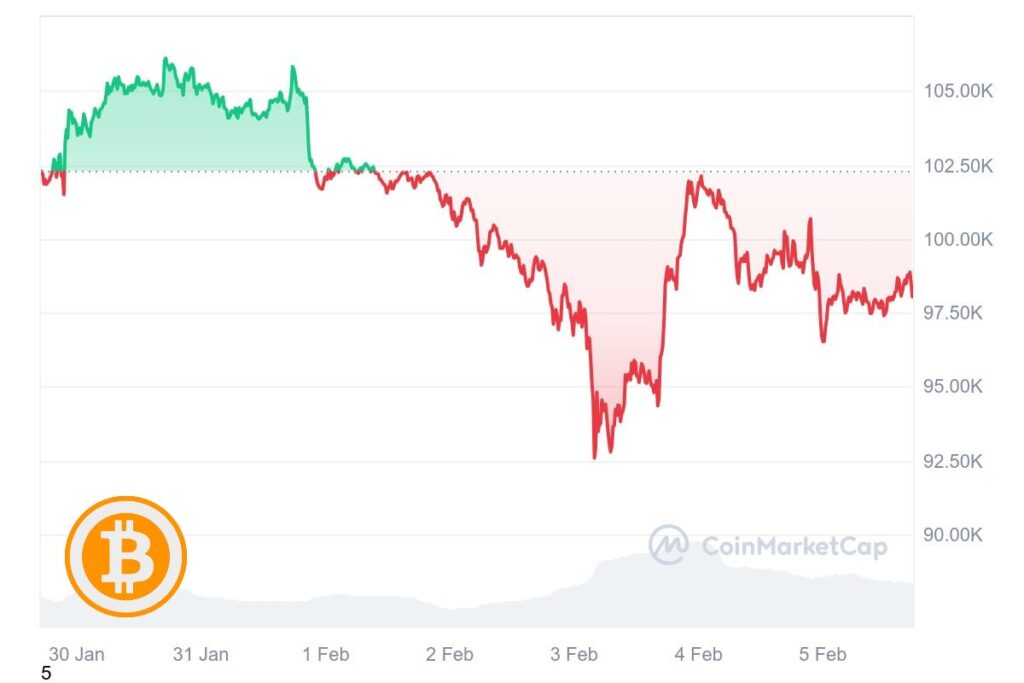
Moreover, the immediate market reaction to Sacks’ announcement reflected some of these concerns. Following the press conference, Bitcoin and other major cryptocurrencies saw a dip, indicating that investors remain uncertain about how these policies will play out in practice. Some analysts attribute this to profit-taking after recent rallies. Others suggest that concerns about government intervention and regulatory control have dampened enthusiasm.
What’s Next?

Sacks’ declaration marks a pivotal moment for the U.S. crypto industry. However, the real test lies in the administration’s ability to turn rhetoric into actionable policy. Stablecoin legislation will be a key battlefront. Industry players, regulators, and lawmakers are negotiating the terms of what could become the first major piece of federal crypto legislation.

If successful, these policies could bring the stability and legitimacy that digital assets need to thrive in the U.S. market. However, if mismanaged, they could lead to further uncertainty, driving innovation offshore and reinforcing the very challenges the administration seeks to resolve.

For now, the crypto industry is watching closely, hoping that this shift from ‘persecution’ to regulation is more than just political posturing. The future of digital assets in the U.S. depends on how well this vision translates into reality.

Readers’ frequently asked questions

What is a stablecoin, and why does the U.S. government want to regulate it?

A stablecoin is a cryptocurrency that maintains a stable value by pegging it to a reserve asset, such as the U.S. dollar, or a commodity like gold. Unlike Bitcoin or Ethereum, which can experience high volatility, stablecoins provide a more predictable value, which is useful for payments, savings, and trading in the crypto space.

The U.S. government wants to regulate stablecoins to ensure issuers back them properly by reserves and to prevent risks to the financial system. Without regulations, there is a concern that some stablecoins might not be fully backed, leading to potential collapses affecting users and businesses. The proposed regulations would require stablecoin issuers to hold reserves in safe assets, such as U.S. Treasury securities, making them more secure and reliable.

How would new crypto regulations affect me if I just buy and hold Bitcoin or other cryptocurrencies?

If you simply buy and hold Bitcoin or other cryptocurrencies for investment, the proposed regulations will likely have little direct impact on you. However, they could influence how crypto exchanges operate, how stablecoins function in the market, and how financial institutions interact with digital assets.

For example, if new regulations make stablecoins more widely accepted by banks and businesses, it could lead to greater adoption of cryptocurrencies overall. On the other hand, if regulations impose strict controls on crypto transactions, some platforms might limit services or require additional compliance measures, such as identity verification. This could affect how easily you can trade, convert, or use your crypto holdings in the future.

What is the difference between a security and a commodity in crypto, and why does it matter?

In the U.S., financial assets are categorized as either securities or commodities. The classification determines which laws and regulatory agencies apply.

  • A security is an asset that represents an investment in a company or project, where profits depend on the efforts of a third party. Stocks, bonds, and certain tokens that fund projects could be considered securities. Securities are regulated by the Securities and Exchange Commission (SEC).
  • A commodity is an asset that can be traded like a raw material or currency, without depending on a central entity. Bitcoin is generally considered a commodity and is regulated by the Commodity Futures Trading Commission (CFTC).

This distinction matters because if a cryptocurrency is classified as a security, it must follow stricter regulations, including registration requirements, disclosures, and investor protections. If it’s classified as a commodity, it faces fewer restrictions and you can trade it more freely. The U.S. government is working to create clearer rules to classify different digital assets so that businesses and investors know which laws apply.

What Is In It For You? Action Items You Might Want to Consider

Monitor Stablecoin Regulation Developments – It Could Impact Your Trading Strategy

With the U.S. government prioritizing stablecoin legislation, expect potential changes in liquidity, exchange policies, and DeFi integrations. If you rely on stablecoins for trading or holding funds, keep an eye on new regulatory requirements. Some stablecoins might face stricter reserve backing rules, which could affect their availability and transaction costs. Consider diversifying your stablecoin holdings to mitigate any sudden regulatory impacts.

Stay Alert to Market Reactions – Volatility Could Present Trading Opportunities

Bitcoin and altcoins dipped following Sacks’ press conference, indicating market uncertainty over regulatory changes. If similar events unfold, sharp price movements could create both risks and opportunities. Set alerts for key announcements related to crypto regulations. Prepare an entry or exit strategy. Short-term traders might capitalize on price swings, while long-term holders should evaluate whether new regulations support institutional adoption and long-term stability.

Reassess Your Portfolio – Regulatory Clarity Could Shift Market Dynamics

With the U.S. moving toward clearer crypto regulations, institutional investors may feel more confident entering the space. This could lead to stronger growth in regulated assets like Bitcoin and Ethereum. More speculative altcoins could face challenges if they are deemed securities. Take a fresh look at your portfolio. Does it balance exposure to assets that could benefit from increased regulation with those that might struggle? Adjust accordingly based on your risk tolerance and market outlook.

Ethereum Sets the Stage for Scalability: Pectra Update and Gas Limit Boost Propel Network Forward

Ethereum sets the stage for improved scalability with Pectra update and Gas Limit boost.

Ethereum is gearing up for a transformative year with the recent increase in its gas limit and the anticipated Pectra update, slated for March 2025. These strategic moves aim to significantly enhance network capacity and scalability, paving the way for a more efficient blockchain ecosystem. As Ethereum addresses longstanding congestion challenges and high transaction fees, the network positions itself to accommodate the growing demands of decentralized applications and services.

Ethereum’s Gas Limit Increase: Enhancing Network Throughput

One of Ethereum’s most notable recent developments is the increase in its gas limit. It surpassed 30 million for the first time since 2021. The gas limit dictates the maximum amount of computational work the network can process per block. The increase allows for more transactions and smart contract executions within a single block.

The adjustment was implemented through validator consensus without requiring a hard fork, marking a crucial milestone in Ethereum’s evolution. By increasing the network’s transaction processing capacity, this change should reduce congestion and, consequently, lower transaction fees during peak usage periods. Analysts and developers see this as a pivotal step in improving Ethereum’s usability, especially for high-demand applications like decentralized finance (DeFi) and non-fungible tokens (NFTs).

The Pectra Update: A Leap Toward Ethereum Scalability

Set to launch in March 2025, the Pectra update is positioned as one of Ethereum’s most impactful upgrades. One of its core enhancements is expanding the Layer 2 network capacity by doubling the blob transaction targets from 3 to 6. This increase directly benefits rollup-based scaling solutions such as Optimistic and Zero-Knowledge (ZK) rollups by reducing costs and improving efficiency.

Ethereum co-founder Vitalik Buterin underscored the significance of this upgrade. He stated that it will further Ethereum’s transition into a highly scalable blockchain that can cater to the needs of millions of users. The Pectra update aligns with Ethereum’s long-term roadmap, reinforcing the network’s commitment to Layer 2-centric scaling and improved transaction finality.

Impact on Adoption and Market Positioning

The combination of the gas limit increase and the upcoming Pectra update will bolster Ethereum’s competitiveness in the blockchain space. The network has faced growing pressure from alternative Layer 1 blockchains, such as Solana and Avalanche, which have positioned themselves as high-performance alternatives with lower fees and faster transactions.

By making Ethereum more efficient and cost-effective, these enhancements could drive broader adoption across industries beyond DeFi and NFTs, including gaming, supply chain management, and enterprise blockchain solutions. Additionally, improved scalability strengthens Ethereum’s ability to serve as the foundation for institutional-grade blockchain applications. That makes it more appealing to developers, businesses, and investors.

Ethereum’s strategic focus on scalability is evident in both the gas limit adjustment and the forthcoming Pectra update. These changes mark a significant step toward addressing Ethereum’s historical pain points of congestion and high fees. As the blockchain ecosystem evolves, Ethereum’s ongoing improvements will likely reinforce its position as the leading smart contract platform while accelerating mainstream adoption and innovation. The coming months will be crucial in determining how these updates impact the network’s performance, user adoption, and overall market positioning.

Readers’ frequently asked questions

What exactly is the gas limit, and why does increasing it matter?

The gas limit in Ethereum refers to the maximum amount of computational work that can be included in a single block. Every transaction or smart contract execution requires a certain amount of gas, which is essentially a measure of computational effort. By increasing the gas limit beyond 30 million, Ethereum allows more transactions to be processed in each block, reducing congestion on the network. This means faster confirmations and potentially lower fees, especially during high-demand periods. However, it also places additional computational strain on validators. So, such changes must be carefully implemented to avoid centralization risks.

Will the Pectra update change how I use Ethereum wallets and dApps?

No, the Pectra update will not change how you interact with Ethereum wallets or decentralized applications (dApps). Users will continue to send transactions and interact with smart contracts the same way they do today. However, the update is expected to improve transaction efficiency on Layer 2 solutions. Apps built on these scaling networks (such as Optimistic Rollups or zk-Rollups) may offer lower fees and faster processing times. If you are using a Layer 2-based wallet or dApp, you might notice these benefits. No action is required on your part to adapt to the upgrade.

Do I need to do anything to benefit from these updates as an Ethereum user?

For most Ethereum users, no action is needed. Validators already implemented the increase in gas limit, and the Pectra update will be automatically integrated into the Ethereum network once it is deployed. If you are using an exchange, a wallet, or a dApp, these platforms will handle the transition on their backend. However, if you are running an Ethereum node or using self-custodial smart contracts, you may require some software updates to remain compatible with the latest protocol changes.

What Is In It For You? Action Items You Might Want to Consider

Monitor Ethereum Gas Fees Closely

With the gas limit increase now in effect, transaction fees on Ethereum may become more predictable during peak times. If you’re actively trading on Ethereum, keep an eye on gas fee trends. You can use tools like Etherscan or GasNow to optimize your transaction timing. Lower congestion could mean cheaper execution costs for swaps, DeFi staking, or NFT trades.

Leverage Layer 2 Solutions for Cheaper and Faster Trades

The upcoming Pectra update is set to double Ethereum Layer 2 capacity, making rollup-based solutions even more cost-effective. If you haven’t already, consider migrating some of your trading activity to networks like Arbitrum, Optimism, or zkSync. Doing so could significantly reduce transaction costs while maintaining Ethereum’s security and decentralization.

Position Yourself for Market Shifts

Ethereum’s scalability improvements may attract new institutional interest and developers, potentially driving increased adoption. Stay ahead by analyzing how these upgrades impact liquidity, DeFi protocols, and NFT marketplaces. If Ethereum-based assets or projects start seeing renewed interest, being an early mover could offer strategic advantages in positioning your portfolio.

Coinbase Secures FCA Approval, Strengthening Its UK Crypto Dominance

Coinbase secured approval by FCA, UK's Financial Conduct Authority.

Coinbase has officially secured registration from the UK’s Financial Conduct Authority (FCA). The approval solidifies its position as the country’s largest registered cryptocurrency service provider. This regulatory milestone enables the U.S.-based exchange to offer a full range of crypto services to both retail and institutional clients in the UK, marking a pivotal moment in the country’s evolving approach to digital asset regulation.

The approval signals a shift in the UK’s stance toward crypto firms, as the FCA has been particularly stringent in granting registrations under its anti-money laundering (AML) framework. Coinbase’s success in obtaining regulatory approval could set a precedent for other firms looking to expand in the UK, which aims to position itself as a global hub for digital assets. However, the company’s past compliance challenges, including a fine imposed by the FCA in 2024, highlight the regulatory hurdles it has had to overcome to reach this point.

A Long Road to Compliance

Coinbase’s FCA registration follows a years-long engagement with UK regulators, during which the company had to address significant compliance issues. In 2020, Coinbase’s UK subsidiary, CB Payments Limited (CBPL), was instructed to strengthen its financial crime controls after regulators identified deficiencies. Despite these measures, CBPL continued servicing over 13,000 high-risk clients without adequate checks. The FCA fined them to the tune of £3.5 million in July 2024.

This history of regulatory friction underscores the challenges Coinbase faced in securing FCA approval. The exchange has since implemented enhanced compliance measures, aligning itself with the UK’s evolving crypto oversight framework. Granting Coinbase the registration suggests that the FCA is confident that the company will adhere to strict financial crime prevention standards.

The UK’s Crypto Regulatory Landscape

Coinbase’s approval comes at a time when the UK is intensifying its efforts to regulate the cryptocurrency sector. The FCA has been cautious in approving new crypto firms. They have not granted any significant registrations in the six months leading up to Coinbase’s approval. This has raised concerns within the industry about regulatory bottlenecks and the UK’s ability to attract crypto businesses.

Under Prime Minister Rishi Sunak, the UK government expressed ambitions to establish the country as a global leader in digital finance. A comprehensive regulatory framework for cryptocurrencies is expected by 2026, bringing crypto businesses further under the purview of financial regulators. In this context, Coinbase’s approval could signal the FCA’s willingness to work with established players who demonstrate compliance, rather than outright restricting crypto operations.

A Strategic Move for Coinbase

For Coinbase, securing FCA registration is a critical step in its global expansion strategy. The UK represents one of the most important markets for cryptocurrency adoption in Europe. This regulatory approval allows Coinbase to offer direct services without relying on third-party intermediaries. This could enhance user experience and cement its dominance in the region.

The move also aligns with the company’s broader regulatory approach. Amid ongoing legal battles with U.S. authorities, including the SEC, Coinbase has sought to expand in jurisdictions with clearer regulatory guidelines. The UK’s framework, while strict, provides a level of regulatory certainty that Coinbase can leverage as it scales its international operations.

Coinbase’s FCA registration marks a significant achievement for the exchange and the UK’s cryptocurrency ecosystem. Coinbase showcases its commitment to compliance after past regulatory challenges. At the same time, the FCA seems to shift its approach to crypto firms. As the UK shapes its digital asset regulatory framework, Coinbase’s success could serve as a case study for how crypto exchanges can integrate into a tightly regulated financial system.

The coming years will reveal whether this approval signals a broader regulatory thaw for the industry or remains an isolated case. Either way, Coinbase’s foothold in the UK is now stronger than ever. And it sets the stage for further developments in the country’s evolving crypto landscape.

Readers’ frequently asked questions

What does FCA registration mean for Coinbase users in the UK?

FCA registration means Coinbase is now officially recognized by the UK’s Financial Conduct Authority as a compliant cryptocurrency service provider. For users, this approval translates into enhanced credibility and security when using the platform. It also ensures that Coinbase adheres to strict anti-money laundering (AML) and financial crime prevention regulations. Additionally, FCA registration allows Coinbase to directly offer crypto trading and custody services without relying on third-party intermediaries. This will lead to a more streamlined experience for UK customers. However, this registration does not mean that cryptocurrencies themselves are regulated like traditional financial products. It simply means that Coinbase must operate under the UK’s financial crime compliance framework.

How does Coinbase’s FCA approval compare to its regulatory status in other countries?

Coinbase’s regulatory status varies across different jurisdictions. In the United States, the company is currently facing legal challenges, particularly with the U.S. Securities and Exchange Commission (SEC), which has accused it of operating as an unregistered securities exchange. In contrast, the UK’s approval signifies a regulatory green light. Coinbase can operate with some legal certainty it lacks in the U.S.

Coinbase has also secured licenses in several European countries, including Ireland, Germany, and Italy. Its strategy pursues expansion in regions with clear regulatory frameworks. In the European Union, the Markets in Crypto-Assets (MiCA) regulation provides uniform rules across member states, which Coinbase supports. In other regions, such as Canada and India, the company has faced regulatory roadblocks limiting its ability to provide services. The FCA approval, therefore, strengthens Coinbase’s standing in one of its key international markets. It reinforces the UK’s growing reputation as a crypto-friendly jurisdiction, albeit under strict oversight.

Will Coinbase’s FCA approval make it easier for other crypto exchanges to get registered in the UK?

While Coinbase’s FCA approval sets a precedent, it does not necessarily mean that other exchanges will find it easier to obtain similar registration. The FCA has historically been stringent when approving crypto firms. In the past six months, few, if any, new companies were granted registration. The fact that Coinbase succeeded suggests that the FCA is open to approving well-established firms with strong compliance measures. However, it does not imply a relaxation of overall regulatory requirements.

Other exchanges seeking FCA approval will still need to meet rigorous compliance standards, particularly in areas such as anti-money laundering, customer due diligence, and financial crime prevention. Smaller or less established platforms may find it difficult to meet these requirements, especially if they have a history of regulatory issues. However, Coinbase’s success could encourage other exchanges to strengthen their compliance frameworks hoping to gain similar approval in the UK. If the UK is indeed positioning itself as a global crypto hub, more registrations could follow, but they will likely be granted on a case-by-case basis rather than as part of a broader shift in policy.

What Is In It For You? Action Items You Might Want to Consider

Consider the UK as a Safer Market for Crypto Trading

With Coinbase now operating under the FCA’s regulatory oversight, UK traders can benefit from a more secure and compliant trading environment. If you’re looking for a jurisdiction with clearer regulations and consumer protections, the UK’s evolving framework may provide more stability compared to uncertain markets like the U.S. This could be a strategic time to reassess your trading platform choices and explore opportunities within FCA-regulated exchanges.

Watch for Potential Market Shifts and Institutional Inflows

Coinbase’s FCA approval could attract more institutional investors into the UK crypto market, as regulated platforms provide a sense of legitimacy and risk mitigation. Increased institutional involvement often leads to higher liquidity and potentially more stable trading conditions. Keep an eye on trading volume changes and potential market shifts. If institutional interest rises, certain assets might see stronger demand and price movements.

The UK’s commitment to establishing itself as a global crypto hub suggests a long-term shift toward regulatory clarity. While some traders may prefer high-risk, less-regulated markets, those seeking sustainability should focus on regions where compliance frameworks are taking shape. If the UK’s approach proves successful, other countries may follow suit. This can impact where and how crypto can be traded in the future. Position yourself accordingly by staying informed and adapting your trading strategy as regulatory landscapes evolve.

Bitcoin’s Big Moment or Biggest Test? Trump’s Trade War Exposes Cracks in Crypto’s Future

Bitcoin hedge narrative crumbles under Trump tariffs.

For years, Bitcoin has been heralded as the future of finance. An asset immune to traditional market forces and political interference. Advocates have positioned it as “digital gold,” a hedge against inflation and global economic instability. But, when U.S. President Donald Trump’s tariffs on China, Canada, and Mexico rattled global markets, Bitcoin tumbled alongside traditional assets, dropping below $91,000.

With institutional and retail investors offloading risky holdings, the world’s largest cryptocurrency has seemingly failed its first real test as a macroeconomic safe haven. If Bitcoin is supposed to provide stability in turbulent times, why is it behaving like just another speculative investment? Institutional players reevaluate their positions and altcoins suffer even steeper declines. Is Bitcoin truly ready for its golden age, or is this its biggest stress test yet?

Trump’s Tariffs Send Markets into a Spiral

On February 1, 2025, President Trump announced sweeping tariffs: 25% on imports from Canada and Mexico, and 10% on goods from China. The move sent shockwaves through the stock market. The major indices such as the S&P 500 and Nasdaq posted sharp losses. Investors fearing a prolonged trade war rushed into traditional safe-haven assets like gold and the U.S. dollar.

Bitcoin, however, did not see the same safe-haven demand. Instead, it nosedived, erasing weeks of gains and dipping below the crucial $100,000 support level. As of February 3, Bitcoin traded as low as $91,441. It wiped out over $226 billion in total crypto market capitalization in mere days.

Bitcoin’s ‘Digital Gold’ Status in Question

The latest market reaction has reignited the debate over Bitcoin’s role as a hedge against economic uncertainty. Historically, Bitcoin has been praised for its decentralized nature. It’s not the governments or central banks directly controlling the assets. Yet, this independence hasn’t shielded it from external shocks.

  • Institutional Influence: Bitcoin’s increasing integration into mainstream finance has made it more correlated with traditional markets. Institutional investors now treat it as part of a broader risk portfolio rather than an isolated asset.
  • Liquidity Crunch: During panic-driven selloffs, investors tend to liquidate riskier assets first. Despite its growing reputation, Bitcoin remains volatile, making it an easy target for liquidation.
  • Market Maturity: Unlike gold, which established trust as a store of value over centuries, cryptocurrencies are still a relatively young asset class. Bitcoin’s ability to act as a true hedge remains untested in prolonged economic crises.

Altcoins Take an Even Bigger Hit

While Bitcoin’s 10% drop dominated headlines, the altcoin market saw even steeper losses. Ethereum, XRP, and Dogecoin recorded double-digit declines, with some assets like Solana and Avalanche plunging over 20%. Liquidity dried up as investors exited riskier positions, triggering cascading liquidations across derivatives markets.

Notably, stablecoins like USDT and USDC saw significant inflows, signaling a flight to crypto’s safest instruments. While Bitcoin’s price tanked, demand for stable, dollar-pegged assets surged. Investors aren’t necessarily abandoning crypto altogether; they’re just seeking shelter from volatility.

What’s Next for Bitcoin?

Despite the current turbulence, Bitcoin’s long-term trajectory remains up for debate. Some analysts argue that this correction is a natural reaction to macroeconomic stress. They emphasize that Bitcoin’s true hedge properties will only be proven over a longer time horizon. Others warn that increased institutional exposure could permanently tether Bitcoin to traditional market cycles, diminishing its independence.

However, on-chain data suggests long-term holders remain confident. While short-term traders are panic selling, whales and institutional investors accumulate at lower levels. If Bitcoin can hold key support zones and maintain its scarcity-driven value proposition, its hedge narrative may still hold weight in the long run.

Final Verdict: A Stress Test, Not a Failure—Yet

Bitcoin’s latest crash doesn’t necessarily disprove its role as a hedge, but it does highlight its evolving relationship with global markets. As adoption grows, Bitcoin’s price behavior may continue to resemble risk assets in the short term, even if its long-term fundamentals remain strong.

Bitcoin isn’t immune to macroeconomic shocks, but neither are most emerging asset classes. What remains to be seen is whether this moment of crisis ultimately reinforces Bitcoin’s appeal as an alternative financial system or exposes its weaknesses in times of real economic distress.

One thing is certain: Bitcoin’s golden age will not come without challenges. Whether it emerges stronger or fades into financial obscurity will depend on how investors, institutions, and global markets adapt to its growing presence.

Readers’ frequently asked questions

What does it mean when investors move into stablecoins like USDT and USDC?

When investors move into stablecoins like USDT (Tether) and USDC (USD Coin), they essentially shift their funds into digital assets pegged to the U.S. dollar. This means that 1 USDT or 1 USDC is always intended to be worth approximately $1. Stablecoins act as a safe place to store value during periods of high market volatility.

Crypto traders and investors use stablecoins to protect their holdings without having to convert them back into traditional fiat currencies. Instead of cashing out completely, they temporarily move into stablecoins while waiting for the market to stabilize. This strategy allows them to stay within the crypto ecosystem and quickly reinvest when they see favorable market conditions.

Why do big investors (institutions) affect Bitcoin’s price more than regular traders?

Institutional investors manage large sums of money. Their trades can have a significant impact on Bitcoin’s price because they buy and sell in large volumes. When institutions like hedge funds or asset management firms decide to sell a portion of their Bitcoin holdings, it can trigger a domino effect, causing prices to drop quickly. Similarly, when they buy in large amounts, Bitcoin’s price can rise sharply.

Another reason institutions have a major influence is their role in derivatives markets, such as Bitcoin futures and options. These financial instruments allow investors to bet on Bitcoin’s future price movements. When many institutions take a bearish stance (expecting prices to fall), it can put downward pressure on Bitcoin’s market price.

Retail investors (individual traders) also impact the market, but their trades are much smaller in comparison. When institutions sell, many smaller investors follow, leading to panic selling, which accelerates Bitcoin’s price drops.

If Bitcoin is decentralized, why does it still react to government policies like Trump’s tariffs?

Bitcoin is decentralized, meaning it isn’t controlled by any single government or central bank. However, its price is still influenced by global economic conditions because it is traded and held by millions of people and institutions worldwide, many of whom are also exposed to traditional markets.

When a major government policy, like Trump’s tariffs, creates uncertainty in financial markets, investors often adjust their portfolios to minimize risk. Many investors still consider Bitcoin a speculative asset rather than a safe haven, so they sell it when anticipating economic downturns.

Additionally, Bitcoin’s growing integration into the mainstream financial system means it is more interconnected with stocks, commodities, and other assets. As institutional adoption increases, Bitcoin’s price movements are more likely to reflect broader market trends rather than behaving independently from traditional finance.

What Is In It For You? Action Items You Might Want to Consider

Monitor Institutional Movements – They Set the Trend

With Bitcoin’s price reacting sharply to macroeconomic events like Trump’s tariffs, institutional investors are leading the charge in shaping market direction. Keep a close eye on on-chain data to track whale movements and institutional inflows or outflows. If large players continue selling, the downtrend may have more room to run. On the flip side, signs of accumulation by long-term holders could indicate a bottom is forming. Platforms like Glassnode and CryptoQuant provide valuable insights into these trends—don’t trade blind.

Use Stablecoins to Stay in the Game Without Risking Too Much

If the market turbulence has you questioning your next move, consider rotating into stablecoins like USDT or USDC instead of fully cashing out. This strategy allows you to protect your portfolio from volatility while keeping your capital ready for a quick reentry when conditions improve. Stablecoins also provide opportunities for staking and yield farming, so your funds don’t have to sit idle while waiting for a better entry point.

Set Stop-Losses and Manage Risk—This Isn’t the Time for Hero Trades

When uncertainty shakes the market, risk management is everything. If you’re actively trading, set stop-losses to protect yourself from deep drawdowns. Bitcoin breaking below key support levels could trigger further selling. Without a solid plan, you might find yourself holding losses longer than expected. Consider laddering your buys if you’re looking to enter at lower levels—don’t try to catch the absolute bottom. A disciplined approach beats emotional trading every time.

MiCA’s First Major Casualty? Crypto.com Cuts USDT Amid Europe’s Regulatory Shake-Up

Crypto.com delists USDT in Europe as MiCA regulations tighten

As the European Union tightens its grip on the cryptocurrency industry, one of the first visible casualties is USDT, the world’s largest stablecoin by market capitalization. Crypto.com’s decision to delist USDT and nine other tokens underscores the growing influence of MiCA, demanding strict compliance from crypto firms operating in the EU. With stablecoin issuers now required to secure e-money licenses and maintain stricter reserves, the shift raises questions about the future of digital assets in one of the world’s most regulated financial markets. Will MiCA enhance stability, or will it drive crypto businesses away from Europe altogether?

MiCA’s Regulatory Framework

MiCA came into full effect on December 30, 2024, and established comprehensive guidelines for issuing and providing services related to crypto-assets within the EU. The regulation mandates that stablecoin issuers obtain an e-money license from at least one EU member state and adhere to strict reserve requirements. Notably, they must maintain sufficient highly liquid assets equivalent to the value of issued tokens. At least 30% of these reserves must be held in cash or cash-equivalent deposits to ensure consumer protection and financial stability.

Impact on Stablecoins

Stablecoins, particularly those not compliant with MiCA’s provisions, are increasingly scrutinized. USDT, the world’s largest stablecoin by market capitalization, has not yet secured the necessary authorization under MiCA. Hence, leading exchanges like Crypto.com discontinue their support in the European market. Other affected tokens include Wrapped Bitcoin (WBTC), Dai (DAI), Pax Dollar (PAX), and Pax Gold (PAXG).

Industry Response

Crypto.com is among the first major exchanges to take such action, following in the footsteps of Coinbase, which delisted USDT in Europe in late 2024 to comply with MiCA regulations. These moves underscore the broader industry trend of aligning operations with the EU’s evolving regulatory framework.

Tether’s Position

Tether, the issuer of USDT, has expressed concerns regarding MiCA’s regulatory framework. The company argues that certain provisions, such as reserve requirements mandating a significant portion of reserves be held in cash deposits, could inadvertently introduce systemic risks. Tether emphasizes the importance of decentralization and transparency in its operations. It evaluates strategies to navigate the evolving European regulatory landscape.

Broader Implications

While MiCA aims to enhance consumer protection and financial stability, its stringent requirements may have unintended consequences. Some industry stakeholders fear that overly rigid regulations could stifle innovation and drive crypto businesses away from Europe, potentially limiting options for consumers and investors. The balance between regulation and innovation remains a critical consideration as the EU solidifies its stance on digital assets.

As the regulatory landscape evolves, crypto firms operating in Europe must carefully navigate compliance obligations while striving to maintain the innovative spirit that has characterized the industry.

Readers’ frequently asked questions

Why is USDT being delisted in Europe when it is the most widely used stablecoin?

USDT is being delisted in Europe primarily because it currently does not meet specific requirements set forth by the European Union’s Markets in Crypto-Assets Regulation (MiCA). MiCA mandates that stablecoin issuers obtain an e-money license from an EU member state and adhere to stringent reserve requirements. These reserve requirements include maintaining a sufficient amount of highly liquid assets to back the issued tokens on a one-to-one basis. For significant stablecoins, those with reserves exceeding €5 billion or more than ten million users, MiCA specifies that at least 60% of their reserves must be held in commercial banks.

As of now, Tether, the issuer of USDT, has not secured the necessary e-money license within Europe, as required under MiCA. Additionally, there is a lack of publicly available information confirming that USDT’s reserves meet the specific requirements regarding the proportion of assets held in commercial banks. This non-compliance with MiCA standards has led exchanges like Crypto.com to delist USDT in Europe to adhere to the new regulatory framework.

What happens if I hold USDT on Crypto.com after the delisting date?

If you are a Crypto.com user in Europe and still hold USDT after the delisting deadline, your funds will not disappear, but you will need to convert them into other assets. Crypto.com has stated that users must swap their USDT for a MiCA-compliant stablecoin or another cryptocurrency by March 31, 2025. If you do not take action by then, the platform will automatically convert your remaining USDT holdings into an approved alternative stablecoin or another asset of equivalent market value. This ensures that users do not lose their funds but may be subject to conversion at market rates, which could fluctuate. If you plan to continue using stablecoins in the EU, it may be worth exploring alternatives. For example, USDC has taken steps to comply with MiCA regulations.

Will other stablecoins also face delisting in Europe?

Other stablecoins that do not meet MiCA’s requirements will likely face similar delistings across European exchanges. The regulation applies broadly to all stablecoins. Any issuer that does not secure an e-money license and meet the required reserve and transparency standards may struggle to maintain listings on regulated platforms. While some stablecoins, such as USDC and EUR-backed stablecoins like Stasis Euro (EURS), are actively working on compliance, others might exit the European market. Investors and traders in the EU should stay informed about which assets are MiCA-compliant to avoid potential disruptions in their trading and financial strategies.

What Is In It For You? Action Items You Might Want to Consider

Swap Your USDT for a MiCA-Compliant Stablecoin Before the Deadline

If you’re holding USDT on Crypto.com or any other EU-regulated exchange, now is the time to act. With the delisting deadline set for January 31, 2025, you should consider converting your holdings to a MiCA-compliant alternative like USDC or an EU-approved euro-backed stablecoin. Waiting until the last minute could expose you to potential conversion fees or liquidity issues. Better make the switch while trading conditions are still favorable.

Monitor MiCA-Compliant Stablecoin Developments

The regulatory landscape in Europe is evolving fast, and not all stablecoins are affected the same way. Some issuers, like Circle (USDC), are actively pursuing compliance, while others, like Tether, remain uncertain. Keep an eye on updates from exchanges and regulators to stay ahead of potential changes. If you rely on stablecoins for trading or as a hedge against volatility, make sure you’re using one aligned with the latest regulations.

Reassess Your Exchange Choices

Crypto.com is leading the way in MiCA compliance, but other platforms may take a different approach. Some exchanges could delay delistings, while others might introduce new options to replace USDT. If you’re an active trader, check whether your preferred exchange is making similar moves. Consider diversifying across multiple platforms to avoid disruptions. Regulatory uncertainty often brings shifts in liquidity and trading conditions, so positioning yourself strategically could save you from unexpected setbacks.

- Advertisement -

FEATURED