Home Blog Page 133

IMF Influence? El Salvador Alters Bitcoin Law to Secure $1.4B Loan
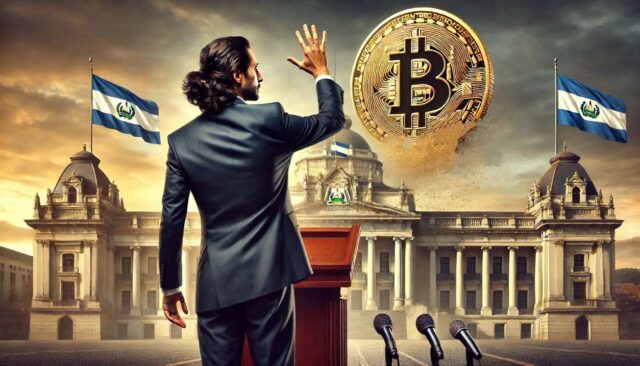
El Salvador’s bold Bitcoin experiment has taken a pivotal turn as lawmakers amend the country’s Bitcoin policy.

El Salvador’s ambitious Bitcoin experiment has reached a turning point. Lawmakers recently approved amendments to the country’s Bitcoin Law, marking a significant shift from its original framework. The changes, which remove the mandate requiring businesses to accept Bitcoin, come at a crucial moment. El Salvador is finalizing a $1.4 billion loan agreement with the International Monetary Fund (IMF).

President Nayib Bukele’s government insists that Bitcoin remains legal tender and that the reforms enhance its practical adoption. However, critics argue these modifications align too closely with the IMF’s longstanding concerns over Bitcoin’s volatility. Is this a pragmatic step to stabilize El Salvador’s economy? Or, is it a reluctant surrender to the pressures of traditional financial institutions?

From Bitcoin Mandate to Voluntary Acceptance

In September 2021, El Salvador made history when it became the first country to adopt Bitcoin as legal tender. It mandated its acceptance alongside the U.S. dollar. This move was championed by Bukele as a revolutionary step toward financial inclusion, economic independence, and innovation. However, the policy faced immediate resistance from international organizations, including the IMF. They repeatedly warned that Bitcoin’s price volatility could destabilize the nation’s economy and complicate monetary policy.

Now, less than four years later, the government has backtracked on one of the law’s most controversial provisions. Businesses are no longer legally obligated to accept Bitcoin, a requirement that had sparked confusion and resistance among local merchants. Additionally, the revised framework reinforces the dominance of the U.S. dollar in tax collection. It requires that all tax payments be settled exclusively in fiat rather than Bitcoin.

The timing of these amendments raises pressing questions. With El Salvador negotiating a long-anticipated deal with the IMF to address fiscal deficits and improve credit ratings, the reforms seem to address key concerns previously outlined by the Fund. Is this a coincidence, or a necessary compromise to secure international financial backing?

IMF’s Influence: An Unspoken Condition?

The IMF has long been a vocal critic of El Salvador’s Bitcoin policy, warning that widespread crypto adoption could pose financial stability risks. Since 2022, the Fund has urged the government to reconsider its stance, citing concerns over transparency, money laundering risks, and fiscal vulnerabilities.

Although neither El Salvador nor the IMF has explicitly confirmed that Bitcoin policy changes were a formal condition of the $1.4 billion loan, the implications are hard to ignore. The timing of the legislative amendments suggests a deliberate effort to align with IMF recommendations, whether officially mandated or informally understood.

For a country struggling with mounting debt and a history of credit downgrades linked to its Bitcoin experiment, securing the IMF’s financial backing is a critical step toward restoring investor confidence. The recent changes to the Bitcoin Law appear to be a diplomatic maneuver to strike a balance. Maintain El Salvador’s crypto ambitions and, at the same time, satisfy traditional financial institutions.

Is El Salvador Retreating from its Bitcoin policy?

Despite these reforms, the Bukele administration remains publicly committed to Bitcoin. The country continues to accumulate Bitcoin as part of its national reserves, and Bukele has repeatedly dismissed concerns that his government is reversing course. Officials maintain that the amendments simply refine the law to improve its functionality, ensuring that Bitcoin adoption remains voluntary rather than enforced.

However, skeptics argue that this is the beginning of a broader retreat from Bitcoin. If IMF-backed financial stability becomes a priority, could further restrictions on Bitcoin usage follow? With international lending institutions playing an increasingly influential role in shaping El Salvador’s economic policies, Bitcoin’s long-term role in the country remains uncertain.

A Compromise or a Capitulation?

El Salvador’s Bitcoin Law amendments highlight the delicate balance between financial innovation and economic pragmatism. While the government frames these policy changes as an effort to enhance Bitcoin adoption, the IMF’s shadow looms large over the decision. The question remains: Was this a strategic compromise to secure much-needed funding, or a reluctant concession that signals a retreat from the country’s once-radical Bitcoin experiment?

The global crypto community will watch closely As El Salvador moves forward with its IMF deal. Will Bukele’s Bitcoin vision withstand the pressures of traditional financial institutions? Or, are we witnessing the first step toward dismantling the boldest national crypto experiment in history?

Readers’ frequently asked questions

Why does El Salvador use the US Dollar as its official currency?

El Salvador adopted the U.S. dollar as its official currency in 2001 through a process known as dollarization. It replaced the Salvadoran colón. This decision was made to stabilize the economy, reduce inflation, and attract foreign investment. Before dollarization, the colón experienced fluctuations that contributed to economic instability. Switching to the U.S. dollar helped eliminate exchange rate risk while providing the country with a more stable monetary system.

One of the main motivations behind this move was to lower interest rates and make borrowing more accessible. By using a globally trusted currency, El Salvador became a more attractive destination for investors, particularly from the United States. Additionally, a large part of the Salvadoran economy relies on remittances, money sent home by citizens working abroad, mainly in the U.S. Adopting the dollar simplified these transactions, reducing conversion costs and making it easier for families to receive funds.

However, dollarization also brought challenges. El Salvador no longer has control over its monetary policy. It cannot print its own money or adjust interest rates in response to economic fluctuations. This leaves the country highly dependent on the economic conditions and financial policies of the United States. Inflation in the U.S. directly affects prices in El Salvador, even though the Salvadoran government does not influence U.S. monetary policy.

When El Salvador adopted Bitcoin as a legal tender in 2021, it did not replace the U.S. dollar. Bitcoin was introduced alongside it. However, most transactions in the country still occur in dollars and Bitcoin’s impact on the broader economy has remained limited. By maintaining the U.S. dollar as its primary currency, El Salvador ensures some economic stability but remains dependent on external financial policies it cannot control.

Can I still pay with Bitcoin in El Salvador?

Yes, Bitcoin remains legal tender in El Salvador. The government still recognizes it as an official currency. The amendment to El Salvador’s Bitcoin Law means businesses now have a choice. They are no longer legally obligated to accept Bitcoin as payment. Now, a business can decide whether or not to take Bitcoin, just like any other optional payment method. So, if they are willing to accept Bitcoin, you can still use it to make purchases.

Will the government still allow people to use the Chivo wallet, or is that being discontinued?

The Chivo wallet is still operational, and Salvadorans can continue using it to store, send, and receive Bitcoin. However, the government’s role in promoting Chivo and other Bitcoin-related initiatives might decrease over time. This is likely a response to concerns raised by the International Monetary Fund (IMF), which has expressed doubts about government-led crypto adoption.

Initially, the Chivo wallet was a major part of El Salvador’s Bitcoin rollout, with incentives like a $30 bonus for new users. The government has not announced plans to shut it down, but it may shift its focus away from heavily subsidizing or promoting its use. If Bitcoin adoption grows organically, private companies may take on a bigger role in providing crypto payment solutions.

Does this change in policy in El Salvador mean the price of Bitcoin price will drop?

This legal change alone is unlikely to have a direct impact on Bitcoin’s price. Many other factors, including investor sentiment, macroeconomic trends, and regulatory developments worldwide influence the global crypto market. However, it does signal a more cautious approach from El Salvador’s government, which could influence how other nations view Bitcoin adoption.

El Salvador is not giving up on Bitcoin entirely. The government still holds Bitcoin in its reserves, and President Nayib Bukele continues to support the cryptocurrency. The key takeaway is that the country is adjusting its approach, likely to secure financial stability and meet IMF requirements. Instead of forcing businesses to accept Bitcoin, the government is now letting the market decide its level of adoption.

What Is In It For You? Action Items You Might Want to Consider

Keep an Eye on Bitcoin’s Institutional Adoption Post-IMF Deal

The policy shift in El Salvador signals that even pro-Bitcoin governments may adjust their stance when financial stability is at stake. If the IMF’s influence is strong enough to reshape national Bitcoin policies, traders should monitor how other Bitcoin-friendly nations respond to similar economic pressures. Watch for any signs of regulatory adjustments in countries exploring Bitcoin as legal tender. This could impact market sentiment and institutional adoption trends.

Assess Market Reaction to Bitcoin’s Role in El Salvador

The policy changes in El Salvador don’t directly affect Bitcoin fundamentals, they could impact investor perception. If traders see this as a retreat from Bitcoin adoption, sentiment may turn cautious. Conversely, if the narrative shifts toward El Salvador stabilizing its economy while still holding Bitcoin in its reserves, the market could view this as a long-term bullish sign. Stay alert for price action around key support and resistance levels, particularly if Bitcoin reacts to macroeconomic news related to the IMF deal.

Position for Possible Policy-Driven Volatility

Crypto markets are highly reactive to regulatory changes. El Salvador’s decision could set a precedent for future government-led Bitcoin policies. Traders should be prepared for potential volatility if other nations adjust their crypto stance in response to IMF influence. Consider risk management strategies like stop-loss orders or scaling into positions gradually rather than making large moves in uncertain conditions. Keep a close watch on any government statements that could signal further shifts in Bitcoin regulation.

Pump.fun’s Meme Coin Frenzy Faces Harsh Reality: Class-Action Lawsuit Alleges Securities Fraud

Solana-based platform Pump.fun faces a class-action lawsuit that accuses it of selling unregistered securities

What started as a meme coin gold rush has turned into a legal battleground. Pump.fun, the Solana-based platform that enabled users to create and trade meme tokens with unprecedented ease, is now facing a class-action lawsuit alleging securities fraud. The lawsuit claims that the platform facilitated the sale of unregistered securities. The suit further alleges that it enabled pump-and-dump schemes, leaving retail investors with heavy losses while insiders profited.

Just weeks ago, Pump.fun was a driving force behind Solana’s meme coin boom, generating millions in daily revenue. But the lawsuit now raises pressing questions: Are meme coins just harmless speculation, or do they fall under securities law? Could this case set a precedent that reshapes crypto regulation? As scrutiny intensifies, the future of meme coins, token launchpads, and even broader DeFi projects may be at stake.

The Lawsuit: Allegations of Securities Fraud

The lawsuit, filed in the Southern District of New York on January 30, 2025, alleges that Pump.fun and its parent company, Baton Corporation Ltd., along with co-founders Alon Cohen, Dylan Kerler, and Noah Tweedale, violated U.S. securities laws. The case, led by investor Diego Aguilar, claims that the platform facilitated the sale of unregistered securities. If the court upholds this charge, it could have significant consequences for the broader meme coin industry.

According to the complaint, Pump.fun allows users to create and sell meme tokens with minimal effort, effectively making the platform a “joint issuer” of these tokens. Under the Howey Test, a long-established legal framework for determining what constitutes a security, the lawsuit argues that these meme coins should be classified as such because they involve an investment of money in a common enterprise with expectations of profit-driven by the efforts of others.

Furthermore, the suit accuses Pump.fun of actively enabling pump-and-dump schemes. It claims the platform collaborated with influencers to generate hype around certain meme tokens, artificially inflating their prices before insiders cashed out. Consequently, retail investors were left with steep losses.

The Rise and Fall of a Meme Coin Powerhouse

At its peak, Pump.fun was a dominant force in Solana’s meme coin ecosystem. Daily revenues reached as high as $9 to $15 million. The platform’s appeal was built on its ease of use. Anyone, even those with no technical knowledge, could launch their own cryptocurrency within minutes. This accessibility fueled a frenzy of speculative trading, with thousands of tokens being created and traded in rapid cycles.

However, as with many speculative markets, what goes up must come down. The influx of low-value tokens, combined with allegations of manipulation, led to mounting losses among retail investors. With the lawsuit now exposing potential regulatory vulnerabilities, Pump.fun’s future – and that of similar platforms – hangs in the balance.

Regulatory Ramifications: Are All Meme Coins Securities?

The lawsuit against Pump.fun could have far-reaching consequences for the regulatory treatment of meme coins and decentralized finance (DeFi) projects. If courts determine that tokens created on the platform qualify as securities, it would set a precedent that could force stricter compliance measures across the industry.

Key regulatory concerns include:

  • Investor Protection: The lawsuit highlights the lack of Know Your Customer (KYC) and Anti-Money Laundering (AML) measures on Pump.fun. Lawmakers might want to impose more stringent verification requirements.
  • SEC Involvement: While the U.S. Securities and Exchange Commission (SEC) has yet to take formal action, this case could serve as a testbed for future enforcement efforts targeting similar meme coin platforms.
  • Impact on DeFi: A ruling against Pump.fun could have ripple effects across decentralized exchanges (DEXs) and token launchpads. Many of these platforms operate under similarly ambiguous legal frameworks.

The Future of Meme Coins: A Regulatory Reckoning?

The hype around meme coins has always been a double-edged sword. They can generate rapid wealth but are equally prone to market manipulation and investor losses. Pump.fun’s legal troubles may serve as a wake-up call for the industry, signaling that the era of unregulated meme coin casinos could be coming to an end.

Whether this lawsuit results in stricter regulations, increased enforcement, or a fundamental shift in how users perceive meme coins, one thing is clear: the days of unchecked speculation are numbered. For traders, developers, and regulators alike, Pump.fun’s downfall is more than just a lawsuit. It’s a turning point for the entire industry.

Readers’ frequently asked questions

What does it mean when a lawsuit claims that Pump.fun sold “unregistered securities”?

When a lawsuit claims that Pump.fun sold unregistered securities, the tokens created and traded on the platform may legally qualify as securities under U.S. law, but were not registered with regulatory authorities like the Securities and Exchange Commission (SEC).

Securities are financial assets that investors buy with the expectation of making a profit, often based on the efforts of a third party (like a company or platform). If a token is classified as a security, the issuer must follow strict legal requirements. For example, they must register with the SEC, provide detailed financial disclosures, and ensure investor protections.

Since Pump.fun allowed users to easily launch and trade meme coins without oversight, the lawsuit argues that these tokens functioned like securities but were sold without following the required regulations. If the court agrees, it could mean that the platform violated securities laws, resulting in fines, penalties, and restrictions on how meme coins are traded in the future.

If I bought a meme coin through Pump.fun, what should I do now?

If you purchased a meme coin through Pump.fun, your tokens are still in your wallet and you can trade the tokens unless a platform decides to restrict or delist them. However, the lawsuit could affect the value of these tokens, especially if regulatory pressure forces changes in how exchanges handle meme coins.

If the lawsuit succeeds, it could lead to penalties for Pump.fun, but that does not automatically mean your holdings are invalid. Investors who lost money might be able to seek compensation through a legal claim if the court rules in favor of those affected. The details of such a process would depend on how the case unfolds and whether a settlement or refund mechanism is established.

For now, the most important step is to stay updated on the legal proceedings and be aware of how this could impact meme coin trading. If regulatory bodies tighten restrictions, it may become more difficult to trade certain tokens. Some exchanges may limit their availability. Given the uncertainty, investors should consider the risks and potential volatility when deciding whether to hold or sell their tokens.

Does this mean all meme coins are illegal or unsafe to trade?

No, not all meme coins are illegal, and not all of them will necessarily be classified as securities. However, this lawsuit brings greater attention to the risks involved in trading meme coins, particularly those created on platforms that allow anyone to launch a token without oversight.

The key issue in this case is whether meme coins function as securities under U.S. law. If they do, then they may be subject to regulations that many meme coin projects do not currently follow. If they don’t, meme coins may continue to exist in a regulatory gray area.

For traders, the most important takeaway is that meme coins tend to be highly speculative and risky. Many are created as jokes or short-term trading opportunities, meaning their value can fluctuate wildly or drop to zero. While some meme coins have gained significant value, most do not have long-term sustainability.

If regulators tighten rules around meme coin trading, platforms may require stricter compliance measures, such as identity verification (KYC) and financial disclosures from token creators. This could make it harder for new meme coins to launch freely but may also reduce scams and market manipulation.

What Is In It For You? Action Items You Might Want to Consider

Monitor the legal developments and potential regulatory changes

Stay updated on the lawsuit’s progress and any regulatory actions that may follow. If the court rules that Pump.fun’s tokens are securities, similar platforms and exchanges may face stricter compliance requirements. This could impact the liquidity and tradability of certain meme coins. Keeping an eye on official statements from regulators like the SEC, exchange announcements, and industry analyses will help you anticipate market shifts before they happen.

Reassess your exposure to high-risk meme coin projects

If you’re holding tokens created through Pump.fun or similar platforms, now is a good time to evaluate your risk tolerance. While meme coins can deliver quick gains, they also come with extreme volatility and legal uncertainty. Consider diversifying into more established crypto assets or moving some of your holdings into projects with stronger fundamentals. If you decide to stay invested in meme coins, prepare for price swings and potential trading restrictions.

Be cautious when engaging with new token launch platforms

This lawsuit highlights the risks of unregulated token creation platforms, especially those that allow anonymous launches with little oversight. Before participating in a new meme coin or a token generation tool, do your research. Check whether the platform follows compliance standards, has transparent team members, and provides safeguards against market manipulation. If a project relies heavily on influencer hype or sudden price pumps, proceed with caution. It could be the next target for regulatory scrutiny.

Ripple vs. SEC: As Appeal Moves Forward, Could Regulatory Shifts Change the Game for XRP?

Ripple SEC appeal moves forward as leadership changes raise questions about XRP’s future. How will the case impact investors and crypto regulations?

The protracted legal battle between Ripple Labs and the U.S. Securities and Exchange Commission (SEC) has entered a pivotal phase. The SEC is actively appealing a 2024 federal court ruling that determined XRP’s programmatic sales did not constitute securities transactions. This appeal coincides with significant leadership changes within the SEC, prompting speculation about potential shifts in regulatory approaches that could influence the lawsuit’s outcome and the broader cryptocurrency landscape.

SEC’s Appeal Amid Leadership Transition

On January 15, 2025, the SEC filed its opening brief in the appeal, seeking to overturn the previous ruling favoring Ripple. This action occurred shortly before SEC Chair Gary Gensler’s resignation on January 20, 2025. President Donald Trump has nominated Paul Atkins as Gensler’s successor. Atkins is known for his market-friendly stance and skepticism of stringent crypto regulations. His potential confirmation could signal a more lenient regulatory environment for cryptocurrencies.

This shift in leadership comes amid broader regulatory discussions about how cryptocurrencies should be classified and whether the SEC has overstepped its bounds in its enforcement actions. Industry participants argue they need clearer guidelines to foster innovation while maintaining market stability. If the new SEC leadership opts for a less aggressive stance on enforcement, it could not only impact the Ripple case but also reshape the regulatory framework for other digital assets.

Impact on XRP Investors and Market Dynamics

The ongoing legal uncertainty has led to notable volatility in XRP’s market performance. Following Trump’s election victory, XRP experienced a significant surge. Its price increased by over 400% to reach an all-time high above $3.00 in January 2025. This rally was driven by investor optimism regarding anticipated regulatory leniency under the new administration.

However, the SEC’s decision to proceed with the appeal has tempered some of this enthusiasm. XRP’s price has exhibited fluctuations as investors weigh the potential outcomes of the legal proceedings. A favorable resolution for Ripple could further boost XRP’s value, while an adverse decision may exert downward pressure.

Moreover, institutional investors are closely watching the case, as it could set a precedent for how other crypto projects navigate regulatory scrutiny. If Ripple secures a decisive victory, it could encourage greater institutional adoption of XRP and other digital assets. Conversely, a prolonged legal battle could introduce hesitation, leading firms to explore alternative blockchain solutions that face fewer legal hurdles.

Strategic Considerations and Future Outlook

Legal experts suggest that the impending leadership change at the SEC may have influenced its persistence in appealing the ruling. The nomination of Paul Atkins has led to speculation that the SEC might adopt a more crypto-friendly approach, potentially affecting the agency’s strategy in the Ripple case. Ripple’s leadership has expressed optimism that new SEC leadership could lead to a more favorable resolution.

A key question is whether the SEC under new leadership might consider settling the case rather than prolonging litigation. A settlement could include penalties for Ripple but also clarity on XRP’s regulatory status, potentially benefiting the entire crypto market. The outcome of this lawsuit is expected to have ripple effects across the industry. It will influence how regulators approach enforcement and how companies structure token sales and operations.

As the appeal progresses, the cryptocurrency community remains attentive to signals from the SEC’s evolving leadership and its implications for regulatory policies. The outcome of this case is poised to set a significant precedent for the classification and regulation of digital assets in the United States. Whether the SEC appeal will strengthen its position or backfire remains to be seen, but one thing is certain: the Ripple case will shape the future of crypto regulation in America and beyond.

Readers’ frequently asked questions

What is a securities transaction, and why does it matter in the Ripple case?

A securities transaction involves the buying or selling of investment contracts where investors expect profits based on the efforts of a third party. The SEC argues that Ripple was selling XRP as an unregistered security. Ripple raised money from investors without following securities regulations. If XRP is classified as a security, it would require compliance with strict U.S. financial laws, making it harder for exchanges to list and trade the token. On the other hand, if Ripple wins the case, XRP could avoid these restrictions and be more widely adopted in financial markets.

Does this lawsuit affect how I can buy or sell XRP?

For most retail investors, the lawsuit does not directly impact their ability to buy or sell XRP. Major exchanges like Binance and Kraken continue to support trading. However, some U.S.-based platforms previously delisted XRP due to regulatory concerns. If the case results in the stricter classification of XRP as a security, it may force exchanges in the U.S. to remove it again. Conversely, if Ripple prevails, it could lead to increased adoption and wider exchange listings, making it easier to trade XRP globally.

How long will this legal process take, and when will there be a final decision?

Legal appeals can take months or even years to resolve, especially in high-profile cases like this one. The SEC filed its appeal in January 2025, and Ripple is expected to respond in the coming months. If the court moves quickly, a decision could come by late 2025 or early 2026. However, further appeals from either side could extend the process. Meanwhile, regulatory changes under new SEC leadership might influence whether the case continues or the two parties settle out of court. Until a final decision is made, the uncertainty will likely continue to affect XRP’s price and adoption.

What Is In It For You? Action Items You Might Want to Consider

Stay Alert for Legal and Regulatory Updates

The SEC’s appeal means the XRP case is far from over. Any court ruling or regulatory shift could trigger major price swings. Traders should keep a close eye on official court filings, SEC statements, and Ripple’s responses. Any sign of a potential settlement or favorable ruling for Ripple could create a bullish opportunity, while a legal setback might spark a sell-off. Setting up alerts for XRP-related news will help you react swiftly to market movements.

Use Volatility to Your Advantage

With XRP’s price reacting to every legal twist, traders can capitalize on short-term volatility. Consider using stop-loss and take-profit levels to manage risk and lock in gains during price swings. Swing trading or scalping strategies may be particularly effective in this uncertain period. If you’re a long-term holder, dollar-cost averaging (DCA) could help smooth out market fluctuations while waiting for regulatory clarity.

Diversify Your Crypto Holdings

While XRP remains one of the most closely watched assets in the crypto space, it’s still subject to legal risks. If you’re heavily invested in XRP, consider diversifying into other cryptocurrencies with stronger regulatory standing or different use cases. This can help hedge against potential downside risks if the SEC’s appeal drags on or results in unfavorable rulings. Stablecoins, utility tokens, or even Bitcoin and Ethereum may serve as strategic counterweights in your portfolio.

The Risks and Rewards: Should Governments Hold Bitcoin in Their Reserves?

The world is exploring Bitcoin government reserves, weighing its potential as a hedge against inflation amid volatility and regulatory challenges.

As economic uncertainty grows, governments worldwide explore Bitcoin’s potential as a reserve asset. While some see it as a hedge against inflation and financial instability, others warn of the volatility and regulatory risks associated with digital currencies. This article examines the arguments for and against Bitcoin in government reserves, highlighting global adoption trends, the broader economic implications, and key challenges.

The Case for Bitcoin in Government Reserves

Proponents argue that Bitcoin’s decentralized nature and fixed supply make it a valuable hedge against inflation and currency devaluation. In countries experiencing financial instability, Bitcoin can serve as a store of value, providing an alternative to traditional fiat reserves. Its transparency, enabled by blockchain technology, allows for real-time auditing, reducing the risk of financial mismanagement. Additionally, the potential for Bitcoin to operate independently of central banks makes it an attractive tool for nations seeking monetary sovereignty.

Some financial institutions and economic think tanks acknowledge Bitcoin’s potential. The International Monetary Fund (IMF) has expressed concerns about its volatility but recognizes its role in certain economic environments. Meanwhile, the World Economic Forum has noted that digital assets could contribute to diversified government portfolios, especially in emerging markets. Furthermore, major financial players like BlackRock and Fidelity have launched Bitcoin-focused investment products, lending credibility to Bitcoin as a legitimate asset class for institutional adoption.

Global Examples of Adoption

  • El Salvador: The first country to adopt Bitcoin as legal tender, El Salvador has continued to invest in Bitcoin and is developing “Bitcoin City” as a crypto-friendly economic hub. The country has also issued Bitcoin-backed bonds, known as “Volcano Bonds,” to attract foreign investment.
  • Germany: The German Federal Financial Supervisory Authority (BaFin) has permitted institutional funds to allocate up to 20% of their portfolios in Bitcoin, setting a precedent for government-level Bitcoin inclusion.
  • Hong Kong: The government has introduced regulatory frameworks that could facilitate Bitcoin’s inclusion in financial reserves. The Hong Kong Monetary Authority (HKMA) is also studying digital assets as part of broader financial integration efforts.
  • Brazil: Legislative discussions are underway about allowing the central bank to hold Bitcoin for reserve diversification. The country has passed regulations supporting crypto adoption and has seen growing interest in Bitcoin as a national financial asset.
  • Czech Republic: The Czech National Bank is studying the feasibility of adding Bitcoin to its foreign exchange reserves. The discussions focus on its role as a financial hedge.
  • United States: Several states, including Arizona, Utah, and Texas, are pursuing legislation to incorporate Bitcoin into state reserves. Additionally, Senator Cynthia Lummis has proposed federal legislation to allow the U.S. Treasury to acquire Bitcoin. Texas has also established a state-run gold-backed and potentially Bitcoin-backed depository to facilitate digital asset storage.

The Risks Involved

Despite these potential benefits, Bitcoin’s volatility presents a significant challenge. Governments holding Bitcoin may face financial instability due to price fluctuations. For example, El Salvador’s Bitcoin investments have seen considerable swings in value, raising concerns about fiscal sustainability.

Regulatory uncertainties further complicate Bitcoin adoption. The lack of a unified global framework for cryptocurrency governance introduces legal and financial risks. Additionally, institutions like the Financial Action Task Force (FATF) and the IMF have warned about compliance issues related to anti-money laundering (AML) and counter-terrorism financing (CFT) standards. Nations that adopt Bitcoin may face scrutiny from international financial bodies, limiting their ability to interact with traditional financial markets.

Security concerns also remain. Governments holding Bitcoin must ensure safe storage solutions to protect against cyberattacks and unauthorized access. The collapse of major exchanges like FTX has underscored the importance of secure custody solutions. It prompted governments to consider self-custody frameworks rather than relying on third-party exchanges.

Broader Economic and Geopolitical Implications

Bitcoin adoption in government reserves could have wider economic and geopolitical consequences. Countries that integrate Bitcoin into their reserves may reduce reliance on traditional reserve currencies like the U.S. dollar, potentially reshaping global financial power dynamics. Nations facing sanctions, such as Russia and Iran, have explored using Bitcoin and other digital assets to facilitate international trade outside the SWIFT system.

Additionally, central banks are accelerating the development of Central Bank Digital Currencies (CBDCs) as a state-controlled alternative to decentralized cryptocurrencies. The growing interest in Bitcoin by governments may push regulatory authorities to establish clearer guidelines for integrating digital assets into sovereign financial strategies.

The integration of Bitcoin into government reserves is a complex and high-stakes decision. While it offers opportunities for financial diversification, innovation, and monetary sovereignty, the risks of volatility, regulatory hurdles, and security concerns cannot be overlooked. As more countries and states explore Bitcoin’s role in fiscal reserves, policymakers must carefully weigh these factors before committing to digital asset adoption. The broader geopolitical and economic implications of Bitcoin reserves are still unfolding. The decisions made today could certainly reshape the financial landscape for years to come.

Readers’ frequently asked questions

How do governments securely store Bitcoin to prevent hacking or loss?

Governments exploring Bitcoin as a reserve asset must implement highly secure storage solutions to protect against hacking, theft, and unauthorized access. The safest method is cold storage, which involves keeping Bitcoin offline in hardware wallets or air-gapped devices, reducing exposure to cyber threats. Governments may also use multi-signature wallets, requiring multiple authorized parties to approve transactions, adding an extra layer of security. Some nations might develop state-controlled depositories, similar to Texas’ gold-backed depository, to securely manage Bitcoin reserves. Additionally, physical security measures, such as secure vaults and biometric authentication, help mitigate risks associated with storage.

If Bitcoin is so volatile, how can it realistically function as a reserve asset?

Bitcoin’s volatility is a major concern, but some argue that its long-term price trajectory makes it a viable reserve asset. Unlike fiat currencies, which central banks can print in unlimited quantities, Bitcoin has a fixed supply of 21 million coins, making it resistant to inflation. Governments holding Bitcoin would need to adopt long-term strategies, similar to how they manage gold reserves. Short-term fluctuations become less important than long-term value retention. Additionally, some reserve assets, including stocks and commodities, also experience price swings, yet they still play a role in national reserves. To mitigate volatility risks, governments could allocate only a small portion of their reserves to Bitcoin and rebalance their holdings periodically.

What happens if international regulators decide to impose restrictions on Bitcoin in government reserves?

If global financial organizations, such as the International Monetary Fund (IMF) or the Financial Action Task Force (FATF), impose stricter regulations on Bitcoin, governments holding Bitcoin reserves could face economic and diplomatic consequences. Countries using Bitcoin for reserves may encounter restrictions on accessing international financial markets, potential trade limitations, or increased scrutiny in global transactions. To counteract this, nations may work toward regulatory frameworks that integrate Bitcoin without conflicting with global compliance standards. Some governments might also adopt hybrid reserve strategies. They could combine Bitcoin with other digital and traditional assets to maintain flexibility under evolving regulations.

What Is In It For You? Action Items You Might Want to Consider

Keep an Eye on Government Bitcoin Accumulation Trends

Governments and states integrating Bitcoin into their reserves could impact market sentiment and long-term price stability. Monitor official announcements from countries like El Salvador, Germany, and Brazil, as well as U.S. states like Texas and Arizona. If adoption continues, Bitcoin’s position as a legitimate reserve asset could strengthen, leading to potential price appreciation. Traders can leverage this trend by positioning themselves ahead of institutional and government buying waves.

Hedge Against Policy and Regulatory Shifts

The evolving regulatory landscape around Bitcoin in national reserves could create market fluctuations. If institutions like the IMF or FATF impose stricter compliance measures, Bitcoin could face temporary setbacks. Traders should stay updated on legislative developments and be ready to adjust strategies. Consider diversifying holdings with assets that benefit from regulatory uncertainty, such as stablecoins or digital assets tied to government-backed initiatives.

Use Government Bitcoin Holdings as a Market Sentiment Indicator

When a nation or state officially adds Bitcoin to its reserves, it often signals confidence in the asset’s long-term viability. Traders should analyze such movements for potential bullish momentum. However, watch for volatility spikes following major announcements, as markets may react emotionally before stabilizing. Capitalizing on these price swings—whether through short-term trades or long-term accumulation—can provide strategic entry points.

Bitcoin-Only Strategy: Why Metaplanet is Betting on 21,000 BTC by 2026

Japanese investment firm Metaplanet initiates its Bitcoin-only strategy

In a bold departure from its traditional investment strategy, Japanese firm Metaplanet has unveiled a “Bitcoin-first, Bitcoin-only” policy. Their set goal is to acquire 21,000 BTC by the end of 2026. The company plans to raise approximately $745 million through the issuance of 21 million shares via moving strike warrants to fund this acquisition. This makes it the largest corporate Bitcoin acquisition in Asia to date.

Metaplanet’s strategy reflects a growing corporate belief in Bitcoin’s long-term value, driven by concerns over the weakening Japanese yen and increasing global adoption of digital assets. The firm’s leadership envisions positioning Metaplanet as a leading corporate Bitcoin holder globally, spearheading a Bitcoin renaissance in Japan.

How Metaplanet is Raising Funds for Its Bitcoin Purchases

Metaplanet is executing one of the largest capital raises in the Asian crypto sector to finance its ambitious Bitcoin acquisition plan. The firm is issuing 21 million shares through a 0% discount moving strike warrant mechanism. It will allow investors to acquire shares at a fixed price as the stock appreciates. This structure ensures that Metaplanet can secure the necessary capital while maintaining shareholder interest and avoiding unnecessary dilution. The issuance has already attracted institutional attention. Market analysts highlight its potential to set a precedent for future corporate Bitcoin acquisitions.

In addition, the company is leveraging its stock value to generate liquidity, mirroring strategies employed by major U.S. firms that have integrated Bitcoin into their treasury reserves. This method allows Metaplanet to optimize its capital efficiency while mitigating risks associated with fiat devaluation.

Metaplanet’s Growing Bitcoin Reserves

In December 2024, Metaplanet made a significant purchase of approximately 619.7 BTC for about $60 million, bringing its total holdings to around 1,762 BTC at that time. This acquisition was the beginning of its ambitious Bitcoin accumulation plan, targeting 10,000 BTC by the end of 2025 and 21,000 BTC by 2026.

Institutional Bitcoin Adoption in Asia

Metaplanet’s move aligns with a broader trend of increased institutional adoption of Bitcoin. Companies and governments worldwide are exploring integrating cryptocurrency into their financial strategies. Asia has emerged as a key region for digital asset adoption. Corporations and institutional investors are warming up to Bitcoin as an alternative to fiat-based assets.

While Japan has historically been a regulated hub for cryptocurrency activity, institutional adoption has been slower than in regions like the U.S. and Europe. However, Metaplanet’s aggressive strategy could set a new precedent. It may prompt other publicly traded firms in Japan and beyond to consider similar Bitcoin accumulation models.

Market Impact of a Large-Scale Bitcoin Acquisition

The impact of such a large-scale Bitcoin acquisition on the market could be multifaceted. On one hand, it may bolster confidence among other institutions considering similar strategies, potentially leading to increased demand and upward pressure on Bitcoin’s price. On the other hand, the concentration of holdings could raise concerns about market liquidity and volatility.

If Metaplanet follows through on its acquisition strategy, it could significantly influence Bitcoin’s supply-demand dynamics, especially considering the recent Bitcoin halving in 2024, which has further reduced the rate of new BTC entering circulation.

Broader Implications for Japan’s Crypto Ecosystem

The Metaplanet Bitcoin-only strategy could accelerate mainstream acceptance of digital assets in Japan, prompting regulatory bodies to adapt frameworks to accommodate this growing asset class. As more corporations observe the fiscal strategies of firms like Metaplanet, adapting Bitcoin as a treasury asset could become a more widely accepted practice.

Additionally, Japan’s broader economic landscape – marked by concerns over currency devaluation and inflation – could see an increasing number of firms exploring Bitcoin as a hedge against macroeconomic instability. This shift could lead to stronger Bitcoin integration within the Japanese financial system, influencing both corporate treasury strategies and investment portfolios.

Metaplanet’s ambitious plan to acquire 21,000 BTC by 2026 represents a significant development in the landscape of institutional Bitcoin adoption in Asia. As Bitcoin continues to gain traction globally, Metaplanet’s strategy underscores the shifting dynamics in corporate investment approaches. It further highlights a growing recognition of digital assets as a viable component of modern financial management.

If successful, Metaplanet’s aggressive Bitcoin accumulation could mark a turning point for corporate adoption in Japan and beyond, positioning the firm as a pioneer in Bitcoin-first treasury strategies.

Readers’ frequently asked questions

How do moving strike warrants work, and why is Metaplanet using them to raise funds?

Moving strike warrants are a financial instrument that allows investors to buy shares at a pre-determined price that changes based on market conditions. Unlike traditional warrants, where the strike price is fixed, moving strike warrants adjust dynamically to the stock’s performance, making them more appealing to investors in volatile markets.

Metaplanet is using this method to raise $745 million without issuing bonds or taking on debt. By offering these warrants, the company can secure funding while aligning investor interests with its own growth. If Metaplanet’s stock rises due to its Bitcoin strategy, warrant holders benefit, making it a flexible and attractive way to raise capital without putting immediate financial strain on the company.

Who is Metaplanet? What is their business?

Metaplanet is a publicly traded investment firm based in Japan. Historically, the company has operated as a general investment business, allocating capital into various sectors, including technology and financial services. However, in 2023, Metaplanet pivoted towards a Bitcoin-first strategy, reshaping itself into a company focused on cryptocurrency investments.

The firm now views Bitcoin as its primary reserve asset. This is similar to how MicroStrategy in the U.S. has structured its treasury holdings around Bitcoin. Rather than investing in a diverse range of traditional assets, Metaplanet is concentrating its efforts on accumulating Bitcoin, which it believes will outperform fiat-based holdings over time. This shift aligns with its view that Bitcoin serves as a hedge against inflation and the declining value of the Japanese yen.

What risks does Metaplanet face with a Bitcoin-first strategy, and could it backfire?

While Metaplanet’s Bitcoin-first strategy aligns with the growing institutional adoption of Bitcoin, it comes with several risks. Bitcoin’s price is highly volatile, and a significant downturn could negatively impact the company’s balance sheet. If Bitcoin enters a prolonged bear market, Metaplanet’s stock price could also decline, making it harder to raise additional funds.

Additionally, regulatory uncertainty remains a challenge. If Japanese financial authorities impose stricter rules on corporate Bitcoin holdings or taxation policies shift, Metaplanet could face operational or financial hurdles. Lastly, the strategy depends on continued investor confidence. If stakeholders lose faith in Bitcoin’s long-term potential, Metaplanet could struggle to maintain its financial position, especially given its reliance on equity financing rather than diversified investments.

What Is In It For You? Action Items You Might Want to Consider

Monitor Institutional Bitcoin Accumulation Trends

Metaplanet’s Bitcoin-only strategy highlights a growing trend of corporate Bitcoin adoption in Asia. Traders should keep an eye on other publicly traded companies in Japan and the broader Asian market to identify potential Bitcoin adopters. If more firms follow Metaplanet’s lead, it could signal increased institutional demand, influencing Bitcoin’s price movements. Tracking corporate treasury reports and regulatory shifts in Japan could provide early insights into new market opportunities.

Watch for Buying Pressure and Market Liquidity Changes

With Metaplanet planning to acquire 21,000 BTC, traders should assess how this demand affects Bitcoin’s liquidity and price action. If purchases are executed gradually, the impact may be subtle, but a sudden large buy order could create short-term price spikes. Monitoring Bitcoin’s order books and on-chain data can help traders spot accumulation patterns and position themselves accordingly. Consider setting alerts for significant wallet inflows or tracking Metaplanet’s reported acquisitions for potential trading signals.

Assess Yen Devaluation and Bitcoin’s Role as a Hedge

Metaplanet’s shift toward Bitcoin is partly driven by concerns over the weakening Japanese yen. Traders with exposure to JPY or Asian markets should evaluate Bitcoin’s role as a hedge against currency devaluation. If the yen further declines, Bitcoin demand in Japan could rise, offering potential trading opportunities. Keeping an eye on foreign exchange movements and central bank policies in Japan can help traders anticipate Bitcoin’s appeal as a safe-haven asset in the region.

- Advertisement -

FEATURED