Home Blog Page 134

Binance Under Fire: French Authorities Deepen Money Laundering and Tax Fraud Probe

Binance is under investigation in France for violations of AML and KYC regulations.

French financial crime investigators have escalated their probe into Binance, the world’s largest cryptocurrency exchange, over allegations of money laundering, tax fraud, and potential ties to illicit financial activities. The investigation, led by the economic and financial crime division of the Paris Public Prosecutor’s Office (JUNALCO), is focused on Binance’s operations between 2019 and 2024. Authorities are assessing possible offenses committed in France and across the European Union, raising fresh concerns about compliance within the crypto sector.

The inquiry comes amid Binance’s ongoing global regulatory troubles, adding more scrutiny following its record $4.3 billion fine from U.S. authorities in 2023 for failing to implement adequate anti-money laundering (AML) measures and violating international sanctions. The latest French probe underscores the growing international pressure on cryptocurrency exchanges to adhere to financial regulations.

Money Laundering, Tax Fraud, and Unauthorized Operations

The investigation into Binance France centers on allegations that the company facilitated money laundering by failing to enforce stringent AML protocols. French prosecutors are examining whether the exchange allowed illicit transactions to pass through its platform due to insufficient compliance measures. Additionally, authorities assess whether Binance engaged in tax fraud by operating in France without full regulatory approval before obtaining its Digital Asset Service Provider (DASP) license in May 2022.

According to sources familiar with the matter, the inquiry was prompted by user complaints of financial losses and accusations that Binance provided misleading information regarding its regulatory status. The probe initially focused on compliance irregularities and has since expanded to investigate broader financial misconduct and potential breaches of French tax regulations.

Binance Pushes Back Against Allegations

Binance has firmly denied any wrongdoing and has vowed to contest the allegations. In a statement, the company asserted that it has consistently prioritized compliance and will cooperate fully with investigators. Binance maintains that it has made significant advancements in its AML and Know Your Customer (KYC) procedures, implementing robust security measures to prevent illicit activities.

The exchange has highlighted its use of advanced transaction monitoring systems, artificial intelligence-driven compliance tools, and identity verification requirements as evidence of its commitment to regulatory standards. Binance has also pointed to its partnerships with law enforcement agencies worldwide, arguing that it has played an active role in combatting financial crime within the crypto industry. Despite these claims, European regulators remain unconvinced, citing ongoing concerns about the company’s past compliance failures.

Regulatory Crackdown or Targeted Scrutiny?

The Binance probe raises broader questions about the increasing regulatory scrutiny of cryptocurrency exchanges. Some industry observers argue that Binance’s history of legal clashes, including its recent settlement with the U.S. Department of Justice, makes it an easy target for regulators looking to tighten control over digital assets. Others see the investigation as part of a necessary push to hold crypto firms accountable and ensure they adhere to the same financial regulations as traditional institutions.

While Binance has defended its compliance record, critics argue the company has frequently skirted regulations in multiple jurisdictions, leading to mounting legal challenges. The French case could serve as a bellwether for the crypto industry, signaling whether exchanges will face stricter oversight or whether regulatory pressure will ease as firms bolster their compliance efforts.

The Road Ahead for Binance and the Crypto Industry

With Binance already facing legal battles across multiple countries, the outcome of this investigation in France could have far-reaching implications. If authorities determine that the exchange violated AML and tax laws, Binance could face hefty fines, potential restrictions on its operations in France, or even a forced exit from the market. Conversely, if Binance successfully defends itself, it could strengthen its position as a leading global exchange and reinforce its argument that regulators target crypto firms unfairly.

As scrutiny on cryptocurrency platforms intensifies, regulators, investors, and industry participants will watch the Binance case closely. Whether this investigation results in significant penalties or further regulatory negotiations, it is clear that the days of lax oversight in the crypto industry are rapidly coming to an end.

Readers’ frequently asked questions

What does Binance’s Digital Asset Service Provider (DASP) license mean, and how does it affect this case?

Binance obtained its Digital Asset Service Provider (DASP) license in France in May 2022. The license legally authorized the exchange to operate in the country under the supervision of the Autorité des Marchés Financiers (AMF) and Autorité de Contrôle Prudentiel et de Résolution (ACPR). This licensing process involves meeting specific compliance requirements related to anti-money laundering (AML) procedures, customer protection, and financial stability.

However, the investigation suggests that Binance may have conducted operations in France before securing this license, potentially violating regulatory rules. If regulators determine that the exchange provided services illegally before 2022, it could face penalties for unauthorized operations, regardless of its current compliance status.

How do anti-money laundering (AML) measures work in crypto exchanges, and why are they important?

AML measures in cryptocurrency exchanges aim to prevent illegal financial transactions, money laundering, and terrorist financing by ensuring that platforms monitor and report suspicious activities. These measures typically involve Know Your Customer (KYC) requirements, which mandate identity verification for users and transaction monitoring to detect irregular activities. When exchanges identify illicit behavior, they must cooperate with law enforcement agencies.

Binance has implemented automated monitoring systems, artificial intelligence-driven compliance tools, and partnerships with global regulators to strengthen its AML policies. Despite these measures, some regulators argue that Binance’s historical approach to compliance has been inconsistent, particularly in the early years of its rapid expansion. French authorities are investigating whether the company failed to enforce proper AML procedures in its early operations. They may have allowed illicit funds to flow through its platform.

Can Binance customers in France still use the platform during the investigation?

Yes, Binance is still operating in France while the investigation is ongoing. There have been no official restrictions on trading, deposits, or withdrawals for French users. However, if authorities impose fines or additional regulations, Binance may be required to adjust its services or strengthen compliance measures. Customers should stay updated on any regulatory developments that might impact their ability to use the platform in the future.

What Is In It For You? Action Items You Might Want to Consider

Stay Updated on Regulatory Developments

Regulatory actions can impact trading conditions, withdrawal limits, or even access to certain exchanges. If you trade on Binance, keep an eye on updates from French regulators, Binance’s official channels, and major crypto news sources. If restrictions tighten, you’ll want to know in advance to adjust your strategy accordingly.

Review Exchange Compliance and Security Measures

With regulators cracking down on compliance, it’s a good time to evaluate whether your chosen exchange meets strong regulatory and security standards. Make sure your account has full KYC verification to prevent disruptions. Enable two-factor authentication, and consider diversifying your holdings across multiple platforms to reduce counterparty risk.

Prepare for Possible Market Reactions

News of regulatory investigations can create volatility, especially for exchanges handling high trading volumes. If Binance faces legal penalties or operational restrictions, market sentiment could shift, affecting liquidity and altcoin performance. Assess your risk exposure, set stop-loss orders, and be prepared to react quickly if market conditions change.


Crypto Crime Crackdown: Authorities Dismantle €100M Money Laundering Network in Spain and Cyprus

Authorities dismantle a €100M cryptocurrency-based money laundering network in Spain and Cyprus, seizing assets and tightening global AML regulations.

In a major international operation, European law enforcement agencies have dismantled a sophisticated money laundering network that funneled over €100 million through illicit financial services, using cryptocurrencies to obscure the origins of illicit funds. The crackdown, led by authorities in Spain, Cyprus, and Germany with support from Europol and Eurojust, resulted in 23 arrests and the seizure of €8 million in cash. They froze €28 million in cryptocurrency assets, too.

The case highlights the growing challenges of financial crime in the digital age, where cryptocurrency-based money laundering has become a preferred method for illicit actors. It also sheds light on the role of blockchain firms in helping law enforcement trace and freeze illegal assets, underscoring the importance of compliance and collaboration within the crypto sector.

How the Money Laundering Network Operated

According to Eurojust and Europol, the dismantled criminal organization provided illegal financial services to other criminal groups. They help them move illicit funds across borders while evading detection. The network leveraged a mix of traditional and digital financial systems, using:

  • Cryptocurrency transactions to conceal the movement of funds
  • Smurfing techniques (splitting large sums into smaller transactions)
  • Shell companies to legitimize illicit profits
  • Bank transfers through intermediaries to further obfuscate the flow of money

One of the key factors that made this operation particularly difficult to detect was the use of crypto-mixing services. As they blend multiple transactions it makes tracing funds more complex. The investigation revealed that the group took advantage of unregulated or weakly regulated crypto exchanges, which allowed them to transfer funds with minimal oversight.

Blockchain Firms and Law Enforcement: A Growing Partnership

Unlike in past cases where authorities struggled to track crypto transactions, this operation saw blockchain analytics firms actively supporting law enforcement in freezing illicit funds.

Firms such as TRM Labs, Tron, and Tether reportedly assisted by:

  • Tracing on-chain transactions to pinpoint where illicit funds had moved
  • Identifying wallet addresses linked to the criminal network
  • Cooperating with law enforcement to freeze suspicious assets

This marks a shift in the role of crypto firms in combating financial crime. Rather than being viewed solely as enablers of illicit finance, blockchain companies are increasingly working with regulators to identify, track, and freeze illicit assets, demonstrating the industry’s commitment to compliance.

Financial Crime Loopholes: Traditional vs. Crypto-Based Laundering

The dismantling of this network highlights both old and new financial crime strategies. While traditional money laundering techniques such as shell companies and structured transactions remain prevalent, cryptocurrencies provide new tools for criminals to exploit:

Traditional LoopholesCrypto-Specific Loopholes
Shell companiesAnonymous crypto wallets
Smurfing (structuring transactions)Crypto mixers (blending transactions)
Trade-based launderingPrivacy coins (Monero, Zcash)
Use of intermediariesDecentralized exchanges (DEXs) with no KYC

Despite these challenges, regulators are strengthening oversight of the crypto sector. New EU AML regulations, including the Travel Rule, require crypto firms to identify and report suspicious transactions. This aims to reduce anonymity in digital financial transactions.

The Broader Regulatory Impact

Stronger Scrutiny on Crypto Exchanges

One of the key takeaways from this case is the growing regulatory scrutiny on cryptocurrency exchanges, particularly those operating with weak Know Your Customer (KYC) and Anti-Money Laundering (AML) policies. Authorities are likely to tighten compliance requirements, ensuring that digital asset platforms actively monitor transactions and report suspicious activities. Regulators may also push for mandatory integration of blockchain analytics tools. That would make it harder for criminals to exploit crypto platforms for illicit financial activities.

Blockchain Firms as Active Crime-Fighting Partners

The involvement of Tron, Tether, and TRM Labs in freezing illicit assets marks a turning point in how crypto firms engage with law enforcement. Rather than being viewed solely as unregulated entities, blockchain firms are increasingly becoming active partners in financial crime prevention. Their collaboration with authorities signals a shift towards self-regulation and industry-led compliance measures, which could set a precedent for more transparency and accountability in the crypto ecosystem.

Cross-Border Cooperation Against Financial Crime

This case also highlights the urgent need for enhanced international cooperation in financial crime investigations. Given the borderless nature of cryptocurrencies, criminals can easily move illicit funds across multiple jurisdictions, making enforcement efforts more complex. As a result, organizations such as Europol, Eurojust, and Interpol are likely to strengthen their collaboration with national agencies to track and intercept cross-border illicit financial flows. Future cases could see faster asset freezes, improved intelligence-sharing, and stronger alignment on crypto-related AML policies at a global level.

The Future of AML Policies in Crypto

While this case demonstrates that cryptocurrency-related money laundering can be detected and disrupted, it also highlights the ever-evolving nature of financial crime. As the digital financial landscape continues to grow, regulators will need to adapt AML frameworks to address the unique challenges of blockchain technology. Ensuring that cryptocurrencies remain secure, transparent, and legitimate financial tools – rather than avenues for illicit finance – will require ongoing cooperation between governments, financial institutions, and the crypto industry itself.

Conclusion: A Landmark Case for Crypto Regulation

The dismantling of this €100 million money laundering network marks a significant victory for law enforcement and regulators. It also signals a shift in the crypto industry’s role, with blockchain firms increasingly involved in tackling illicit financial activities.

While crypto remains a powerful tool for financial innovation, this case reinforces the importance of regulation, compliance, and collaboration in ensuring that blockchain technology does not become a haven for criminals.

As crypto adoption grows, the industry will face regulatory challenges, but the partnership between law enforcement and blockchain firms could be the key to a more transparent and crime-resistant financial ecosystem.

Readers’ frequently asked questions

How can law enforcement track and freeze crypto transactions if crypto is anonymous?

Most cryptocurrencies are pseudonymous, and not fully anonymous. Transactions are recorded on a public blockchain, allowing authorities to trace funds using blockchain analytics tools like Chainalysis and TRM Labs. If criminals cash out through a regulated exchange with KYC requirements, their identities

can be linked to wallet addresses. In this case, Tether and Tron cooperated with law enforcement to freeze illicit assets, showing that some crypto firms can intervene when necessary. However, privacy coins like Monero and Zcash make tracking harder due to their encryption methods.

Why don’t all crypto exchanges have strict anti-money laundering (AML) measures?

Regulation varies by country. Regulated exchanges like Binance and Coinbase enforce KYC and AML rules, while decentralized exchanges (DEXs) and offshore platforms may allow trading with little oversight. Some exchanges avoid strict compliance to attract more users, but regulators are tightening rules, like the FATF Travel Rule, which requires crypto platforms to track large transactions.

If blockchain transactions are traceable, why do criminals still use crypto for money laundering?

Cryptocurrency offers speed, global access, and fewer intermediaries than banks, making it attractive for money laundering. Criminals use mixing services, privacy coins, and peer-to-peer trading to obscure funds. However, law enforcement is improving at tracing crypto transactions, and with growing regulation, laundering money via crypto is becoming riskier.

What Is In It For You? Action Items You Might Want to Consider

Choose Crypto Exchanges with Strong Compliance Measures

When trading, prioritize regulated exchanges that enforce KYC and AML policies. Platforms with strong compliance are less likely to be targeted by criminals and have better security against illicit activities. If an exchange lacks transparency about its AML procedures, consider it a red flag.

Monitor Your On-Chain Transactions for Red Flags

With increasing regulatory scrutiny, it’s smart to keep track of your wallet activity. Use tools like Etherscan or blockchain explorers to verify transactions and ensure your funds aren’t interacting with flagged or high-risk wallets. Staying compliant protects your assets from unexpected freezes or regulatory action.

Stay Ahead of Regulatory Changes Affecting Crypto Markets

Authorities are tightening rules on crypto transactions and money laundering, which can impact trading strategies. Follow regulatory updates, especially on KYC policies, the FATF Travel Rule, and exchange compliance changes, to avoid disruptions when depositing or withdrawing funds. Proactive traders adjust early rather than react when it’s too late.

Bitcoin ETFs Evolve: What BlackRock’s In-Kind Redemption Plan Means for Investors

BlackRock's Bitcoin ETF redemptions shift to an in-kind model could reshape market dynamics, impacting liquidity, volatility, and institutional adoption.

The recent Nasdaq filing seeking approval for in-kind redemptions in BlackRock’s Bitcoin ETF has sparked discussions across financial and crypto markets. Replacing cash settlements with direct Bitcoin transactions could alleviate market liquidity concerns and reduce sell pressure on Bitcoin, making ETF structures more efficient. However, skeptics warn that such a shift could also increase custody risks, regulatory scrutiny, and market manipulation. As the SEC reviews this proposal, stakeholders on both sides of the debate weigh in on the potential consequences for Bitcoin ETFs and the broader crypto ecosystem.

Understanding In-Kind Redemptions

In traditional ETF operations, redemptions are often handled in cash. They require the fund to sell underlying assets to meet redemption requests. In-kind redemptions, however, involve the direct exchange of ETF shares for the underlying assets – in this case, Bitcoin. This method can enhance operational efficiency by reducing transaction costs and minimizing the tax implications of asset sales.

Potential Impact on Market Dynamics

Liquidity and Price Stability: By facilitating direct Bitcoin transactions, in-kind redemptions could reduce the need for large-scale selling of Bitcoin to meet cash redemptions. This would alleviate downward pressure on Bitcoin’s price during significant outflows. This mechanism may contribute to greater price stability and improved liquidity in the Bitcoin market.

Tax Efficiency: In-kind redemptions can offer tax advantages by allowing funds to remove low-basis assets from their portfolios without triggering capital gains taxes. This process can make ETFs more tax-efficient, potentially enhancing after-tax returns for investors.

Attractiveness to Institutional Investors: The proposed in-kind redemption model aligns with the operational preferences of institutional investors. They often seek efficient, cost-effective methods for large-scale transactions. Reducing transaction costs and tax liabilities could make Bitcoin ETFs more appealing to institutional participants, potentially increasing the institutional adoption of Bitcoin as an asset class.

https://twitter.com/CrispyBull/status/1864698489873035325

Regulatory Considerations and Precedent Setting

The SEC’s response to Nasdaq’s proposal will be pivotal in shaping the future of Bitcoin ETFs and other crypto-based financial products. If approved, in-kind redemptions could become the standard for institutional crypto investments, but regulatory concerns remain.

A Shift in SEC Policy?

Historically, the SEC has required Bitcoin ETFs to use cash redemptions, arguing that it simplifies oversight and prevents illicit financial activity. The proposed shift to in-kind redemptions, exchanging ETF shares directly for Bitcoin, represents a significant departure from this approach. If granted, this change could set a precedent for broader acceptance of direct crypto transactions in regulated financial products.

Potential Compliance Challenges

One key concern is how regulators will ensure transparency and compliance with anti-money laundering (AML) and know-your-customer (KYC) rules. Cash transactions are easier to track within traditional financial systems, whereas Bitcoin transactions introduce additional complexities in ensuring compliance. The SEC may require enhanced reporting mechanisms or stricter custody requirements to mitigate these risks.

Implications for Future ETFs

An approval could open the door for other issuers to request similar in-kind mechanisms, potentially leading to more efficient Bitcoin and Ethereum ETFs. It could also accelerate discussions around tokenized securities and hybrid digital asset funds. Conversely, a rejection would reinforce the SEC’s cautious stance, possibly slowing institutional adoption of cryptocurrency ETFs.

As the SEC weighs its decision, the outcome will signal whether regulators are ready to accommodate new financial models that integrate digital assets more closely with traditional markets.

Potential Risks and Challenges

While the benefits are notable, there are potential risks associated with in-kind redemptions in Bitcoin ETFs:

Custody and Security: Handling physical Bitcoin introduces challenges related to secure storage and custody. It requires robust security measures to prevent theft or loss.

Market Manipulation: The ability to redeem large amounts of Bitcoin could be exploited to influence market prices. That raises concerns about potential manipulation.

Regulatory Scrutiny: The evolving regulatory environment for cryptocurrencies means that such innovations will be closely examined. Any missteps could invite increased regulatory intervention.

Nasdaq’s proposal to implement in-kind redemptions for BlackRock’s Bitcoin ETF represents a significant development in the maturation of cryptocurrency investment vehicles. By enhancing efficiency and potentially stabilizing the Bitcoin market, this move could make Bitcoin ETFs more attractive to institutional investors. However, it also brings forth challenges that must be carefully managed to ensure the integrity and stability of the market. The SEC’s decision on this proposal will be closely watched. After all, it may set the course for the future integration of digital assets into traditional financial frameworks.

Readers’ frequently asked questions

How do in-kind redemptions differ from cash redemptions in practical terms?

In a cash redemption model, when an investor redeems shares of a Bitcoin ETF, the fund must sell Bitcoin on the open market to generate the cash needed to fulfill the redemption. This can introduce selling pressure on Bitcoin’s price and may also lead to capital gains tax implications.

In contrast, with in-kind redemptions, instead of selling Bitcoin for cash, the fund transfers actual Bitcoin to the redeeming party in exchange for ETF shares. This eliminates the need for large-scale selling on the open market, reducing potential price volatility. It can also provide tax efficiency. The ETF issuers can remove low-cost basis assets from their holdings without triggering taxable events.

What are the risks associated with in-kind redemptions in Bitcoin ETFs?

While in-kind redemptions can enhance efficiency, they also introduce risks that investors should be aware of. One concern is custody security. Handling and transferring large amounts of Bitcoin requires highly secure infrastructure to prevent theft or loss. Institutions involved in these transactions will need robust custodial solutions to manage these risks.

Another challenge is regulatory oversight. Unlike cash redemptions, where transactions are processed through the banking system and are relatively straightforward to monitor, direct Bitcoin transfers require additional compliance measures to ensure adherence to anti-money laundering (AML) and know-your-customer (KYC) regulations. If the SEC finds these mechanisms difficult to regulate, it may impose additional restrictions or reject the proposal in full.

How would the SEC’s decision impact the broader crypto market?

If the SEC approves in-kind redemptions for BlackRock’s Bitcoin ETF, it could pave the way for other issuers to adopt similar mechanisms. This could lead to a more mature and efficient market for crypto-based ETFs, potentially making Bitcoin ETFs more attractive to institutional investors. Increased institutional participation often leads to greater liquidity, reduced volatility, and a stronger case for Bitcoin’s role as an investment asset.

On the other hand, if the SEC rejects the proposal, it may indicate that regulators are still hesitant to integrate cryptocurrency-based financial products into traditional markets fully. This could slow innovation in crypto ETFs and discourage issuers from introducing more complex fund structures involving direct Bitcoin transactions. Investors and industry participants will watch the decision closely as it could influence the regulatory landscape for years to come.

What Is In It For You? Action Items You Might Want to Consider

Watch for the SEC’s Decision – It Could Move the Market

Regulatory approvals or rejections have historically had a significant impact on Bitcoin’s price. If the SEC approves in-kind redemptions for BlackRock’s Bitcoin ETF, it could attract more institutional interest, boosting demand for BTC. A rejection, however, might reinforce existing regulatory barriers, potentially slowing Bitcoin ETF adoption. Stay ahead by monitoring updates from the SEC—major announcements could trigger volatility and present trading opportunities.

Assess Liquidity Changes and Adjust Trading Strategies

In-kind redemptions reduce the need for large-scale Bitcoin sales in the open market, which could lower volatility and stabilize liquidity. If this model is approved, Bitcoin’s price action might become less reactive to ETF outflows. For traders, this means adjusting strategies—momentum-based plays might become less effective, while longer-term positions could benefit from a more predictable market structure. Keep an eye on trading volume and ETF inflows to gauge market shifts.

Follow Institutional Moves—They Could Signal Future Price Trends

Institutional investors play a growing role in Bitcoin price movements. If BlackRock’s ETF gains traction under the in-kind model, other issuers may follow, accelerating Bitcoin’s integration into mainstream finance. Traders should track ETF fund flows, as rising institutional adoption could indicate sustained demand, while stagnant inflows might suggest market hesitation. Align your trading positions with these macro trends to capitalize on emerging opportunities.

SHIB Burn Rate Explodes Over 1,000%, But Can It Reverse the Token’s Price Slump?

Shiba Inu walking on hot coal as SHIB burn rate surges.

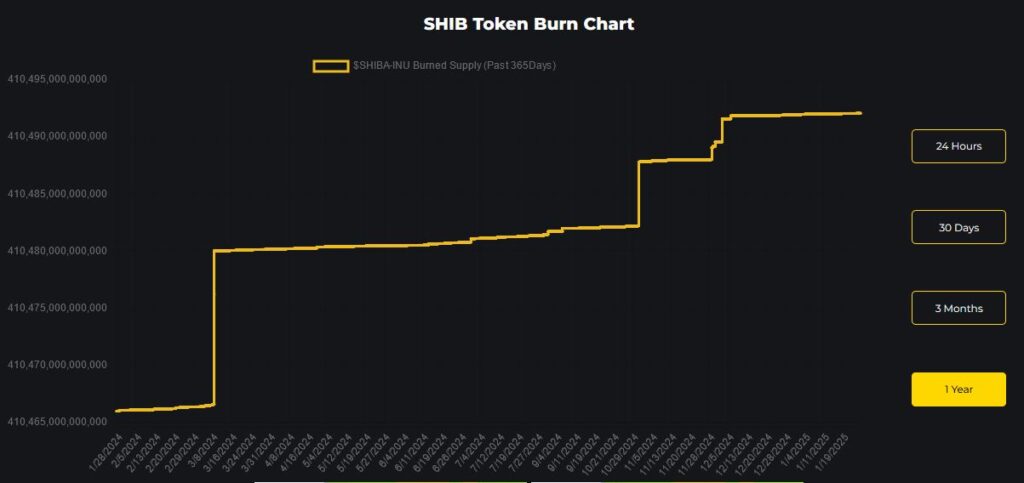
In an aggressive move to combat price stagnation, the Shiba Inu community has significantly increased token burns. The burn rate has surged over 1,000% in recent days! Despite millions of SHIB being removed from circulation, the token continues to struggle, falling below critical support levels. Meanwhile, Shytoshi Kusama’s decision to step down from his leadership role adds another layer of uncertainty. As SHIB holders assess these developments, the fundamental question remains: Can supply reduction alone restore momentum, or does the ecosystem require a more comprehensive strategy?

SHIB Burn Rate Surges—A Bullish or Futile Move?

Token burning is a common deflationary strategy used to reduce circulating supply and, in theory, drive up asset value. The Shiba Inu ecosystem has consistently implemented burns to maintain long-term sustainability, but recent efforts have intensified. Reports indicate that SHIB’s burn rate exploded by over 1,000%, eliminating millions of tokens from circulation. However, despite these aggressive burns, the token’s price has failed to respond positively, instead dipping to a three-month low.

This raises critical concerns: Why isn’t the market reacting? A key issue lies in the fundamental demand for SHIB. While supply reduction is an important factor, it is only effective if accompanied by sustained demand growth, utility expansion, and increased investor confidence. Without these elements, burn events become mere symbolic gestures rather than catalysts for price appreciation.

Source: www.shibburn.com

Leadership Transition: A Market Catalyst or a Confidence Blow?

Shytoshi Kusama’s decision to step down as Shiba Inu’s lead visionary has added another dimension to SHIB’s current struggles. The announcement has fueled speculation about the project’s internal direction. Kusama, a key figure in SHIB’s rise, will now assume the role of Global Ambassador. In this new role, he will focus on strategic partnerships and global adoption efforts.

The timing of his departure coincides with SHIB’s price slump, leading to speculation on whether the leadership transition is a reaction to poor performance or a contributing factor. While some analysts believe Kusama’s shift to a more external-facing role is necessary for SHIB’s long-term expansion, others argue that his reduced involvement in direct leadership may create uncertainty among investors and developers.

Strategic Implications for SHIB’s Future

Beyond the immediate market reactions, the leadership change presents broader strategic implications for Shiba Inu’s roadmap. Kusama’s new role as Global Ambassador suggests a pivot toward increasing institutional and government engagement. If successful, this could enhance SHIB’s legitimacy and adoption beyond its meme-coin origins. However, the lack of clarity regarding who will assume the execution and development leadership role raises concerns about governance stability.

For SHIB to sustain long-term growth, a clear vision and an effective governance structure are paramount. The ecosystem must communicate its next steps effectively to reassure investors and developers alike.

Cause and Effect: What’s Driving SHIB’s Slump?

While the correlation between Kusama’s departure and SHIB’s price drop is evident, it is difficult to determine direct causation. Multiple factors are at play:

  1. Market-Wide Trends: The cryptocurrency market has been experiencing volatility, with macroeconomic factors influencing investor sentiment.
  2. Burn Rate vs. Utility: A high burn rate alone cannot drive sustainable price increases if SHIB lacks significant new utility or adoption catalysts.
  3. Leadership Uncertainty: Investors may react cautiously to Kusama’s transition, fearing instability in governance and future development plans.
  4. Speculative Trading: SHIB has a strong retail investor base. therefore, it is prone to speculative trading patterns. News events can trigger short-term sell-offs.

Conclusion: Burn Strategy Alone is Not Enough

While the increased SHIB burn rate demonstrates a commitment to deflationary tokenomics, it is insufficient to reverse the current price slump on its own. Without a clear roadmap, strategic expansion of SHIB’s utility, and a defined leadership structure, token burns may continue to have minimal impact. The coming weeks will be crucial in determining whether Kusama’s departure marks a turning point for the project’s global adoption strategy or if the leadership transition will exacerbate market uncertainty.

For SHIB holders, the key takeaway is clear: long-term growth does not depend on supply reduction alone. It requires strengthening demand, investor confidence, and strategic development. Until these elements align, SHIB’s price trajectory remains uncertain, despite the dramatic burn rate.

Readers’ frequently asked questions

What is a token burn, and how does it work?

A token burn is a process where cryptocurrency tokens are permanently removed from circulation, reducing the total supply. This is typically done by sending tokens to a wallet address that no one can access, often referred to as a “burn address” or “dead wallet.” The goal of burning tokens is to create scarcity, which, in theory, should increase demand and price over time. However, the impact of burns depends on other factors, including trading volume, market sentiment, and overall demand for the token.

How does Shiba Inu’s leadership change affect SHIB holders?

Shiba Inu’s leadership change could impact holders in several ways. First, it may influence investor confidence – some may see it as a positive step toward expansion, while others may view it as instability within the project. Second, it could affect project direction; if a clear successor does not take over the execution of SHIB’s ecosystem developments, progress might slow. Lastly, it could impact adoption efforts; Shytoshi Kusama’s new role as a Global Ambassador suggests a focus on external partnerships, which could lead to institutional involvement or broader mainstream recognition. However, without clear communication from the team, uncertainty may persist.

Why does SHIB’s price move differently from its burn rate?

While reducing supply through burns is a deflationary mechanism, it does not guarantee immediate price increases. SHIB’s price is determined by various factors, including overall market conditions, investor sentiment, and trading volume. If demand remains the same or declines while burns continue, the price may not rise as expected. Additionally, many SHIB tokens are held in large wallets that may not actively trade, limiting the immediate impact of burns. For burns to significantly influence price, there must also be a growing number of users, increased token utility, and continued investor interest.

What Is In It For You? Action Items You Might Want to Consider

Watch for Clear Leadership Signals Before Making Major Moves

With Shytoshi Kusama stepping down from active leadership, there’s uncertainty about who will drive SHIB’s development moving forward. Before increasing your SHIB position, monitor official announcements regarding governance structure and project execution. If the transition is smooth and a strong leadership team steps up, confidence in the ecosystem could return—potentially influencing price action.

Don’t Rely on Burns Alone – Track Adoption and Utility Growth

A rising burn rate doesn’t automatically mean price appreciation. Instead of focusing solely on the supply reduction narrative, keep an eye on SHIB’s ecosystem developments, such as partnerships, DeFi integrations, and new use cases. A token needs real-world adoption to sustain upward momentum, so check whether SHIB is expanding beyond its meme-coin status before making long-term trades.

Use Support and Resistance Levels to Plan Entry and Exit Points

SHIB recently dropped below a critical support level, signaling potential downside risk. If you’re considering entering a position, wait for signs of consolidation or a reclaim of key support zones. On the flip side, if SHIB bounces back, set profit targets at major resistance levels to secure gains in case volatility returns. Always trade with a risk management strategy in place, especially during uncertain market conditions.

BTC vs. XRP: The Battle for U.S. Strategic Crypto Reserve Intensifies

The U.S. may establish a strategic cryptocurrency reserve, but Bitcoin’s role is uncertain as XRP gains favor among policymakers.

The ongoing debate over which cryptocurrency should hold a prominent place in the U.S. financial system has taken a dramatic turn. The Bitcoin community is up in arms over recent indications that the U.S. government might establish a strategic cryptocurrency reserve – without Bitcoin as its primary asset. Instead, XRP appears to be gaining favor among policymakers, potentially reshaping the nation’s approach to digital assets.

Eric Trump’s Crypto Bombshell

The controversy erupted when Eric Trump, son of former President Donald Trump, hinted at a groundbreaking policy shift: cryptocurrencies created in the U.S. might soon be exempt from capital gains taxes. While details remain sparse, such a move could significantly benefit homegrown digital assets like Ripple’s XRP, Solana (SOL), and stablecoins like USD Coin (USDC).

Bitcoin, however, does not fit this criterion. As a decentralized, borderless asset, BTC lacks the U.S.-based origins that could make it eligible for tax exemptions under such a policy. This distinction has fueled speculation that the U.S. may prioritize domestic crypto projects over Bitcoin in its regulatory framework and potential reserve strategy.

Bitcoin Advocates Demand Reserve Status

Bitcoin advocates have long floated the idea of a U.S. strategic cryptocurrency reserve. Many within the BTC community believe that Bitcoin’s fixed supply and decentralized nature make it the ideal digital asset to be held as part of national financial reserves, similar to gold.

However, the latest developments suggest that policymakers might lean toward other alternatives. Ripple, which has long positioned itself as a compliant and institution-friendly cryptocurrency, has gained traction in regulatory circles. Some industry insiders believe XRP’s potential use case as a bridge currency for global financial transactions aligns better with the government’s strategic interests than Bitcoin’s store-of-value narrative.

https://twitter.com/oroogle/status/1856882307249963333

XRP’s Market Surge and Regulatory Advantage

Following Eric Trump’s statements, XRP saw a sharp price rise, with investors betting on its increasing relevance in U.S. financial policy. Unlike Bitcoin, XRP has been actively engaging with regulators and financial institutions, building an infrastructure that could integrate seamlessly with existing financial systems.

Moreover, Ripple’s legal battles with the SEC appear to be winding down in its favor, further cementing its legitimacy in the eyes of both regulators and investors. If the U.S. government were to adopt a national strategic cryptocurrency reserve, XRP’s institutional appeal could give it a crucial edge over Bitcoin.

The Bigger Picture: Crypto’s Role in U.S. Economic Policy

This shift raises broader questions about how the U.S. government intends to position itself in the global crypto landscape. While Bitcoin remains the dominant cryptocurrency by market capitalization and adoption, the apparent preference for XRP suggests a growing interest in centralized, government-compatible digital assets.

A national cryptocurrency reserve strategy that excludes Bitcoin could have major implications for the industry. While it may boost regulatory clarity for selected assets like XRP and Solana, it also risks alienating the broader crypto community, which values decentralization and financial sovereignty.

The battle between Bitcoin and XRP for official U.S. recognition is far from over. If Eric Trump’s statements are any indication, the coming months could see major policy shifts that redefine the role of cryptocurrency in national financial strategy. Whether Bitcoin ultimately secures a place in the U.S. reserve – or whether XRP takes the lead – will depend on how regulators, policymakers, and industry leaders navigate this evolving landscape. One thing is certain: the duel between BTC and XRP has only just begun.

Readers’ frequently asked questions

What does it mean for a cryptocurrency to be part of a ‘U.S. strategic crypto reserve’?

A strategic cryptocurrency reserve would be similar to how nations hold gold or foreign currency reserves as financial security. If the U.S. were to establish such a reserve, it would mean that the government officially recognizes and potentially holds certain cryptocurrencies as part of its national financial strategy. This could involve using these assets to stabilize economic fluctuations, facilitate international trade, or support financial institutions during crises. The debate over whether Bitcoin or XRP (or both) would be included revolves around their use cases – Bitcoin as a store of value and XRP as a bridge currency for transactions.

Why would XRP be favored over Bitcoin for this role?

XRP has advantages that align with government and institutional preferences. Unlike Bitcoin, which is decentralized and often seen as resistant to regulatory oversight, XRP has positioned itself as a compliance-friendly asset. Ripple, the company behind XRP, has worked closely with financial institutions and has been developing solutions that integrate into existing financial frameworks. This makes XRP more appealing to policymakers who want a digital asset that can function within regulatory structures. Additionally, XRP’s transaction speed and cost efficiency make it more practical for large-scale financial settlements, which may be a key factor in government adoption.

If Bitcoin is excluded from the reserve, will this hurt its market value or adoption?

While a U.S. government reserve that excludes Bitcoin might initially seem like a negative development, it is unlikely to significantly damage Bitcoin’s long-term value or adoption. Bitcoin’s primary strength is its decentralized nature and role as a store of value, much like digital gold. Many investors and institutions already treat it as such, regardless of government recognition. In fact, some Bitcoin advocates argue that official government adoption could compromise its core principles of decentralization and censorship resistance. So even if the U.S. leans toward XRP or other cryptocurrencies for its reserve, Bitcoin will likely continue to be a dominant global asset due to its strong market presence and widespread acceptance.

What Is In It For You? Action Items You Might Want to Consider

Keep an Eye on XRP’s Regulatory Developments

With increasing speculation that the U.S. government may favor XRP in its strategic reserve plans, traders should monitor regulatory moves closely. Any confirmation of policy shifts or further legal clarity on XRP could drive its price higher. Consider setting price alerts and staying updated on SEC rulings and government announcements that may impact XRP’s institutional adoption.

Assess Portfolio Exposure to Bitcoin and XRP

While Bitcoin remains the dominant cryptocurrency, the shifting political landscape suggests that diversification could be key. If XRP gains traction with U.S. policymakers, its long-term value proposition could strengthen. Traders should evaluate their holdings, considering both BTC’s long-term store-of-value appeal and XRP’s potential for institutional adoption, balancing exposure accordingly.

Be Prepared for Market Volatility

Political statements, like Eric Trump’s comments on tax exemptions, can trigger short-term market movements. As speculation around a U.S. crypto reserve intensifies, expect increased volatility in BTC, XRP, and other major assets. Traders should plan for potential price swings by adjusting stop-loss levels, securing profits at key resistance points, and remaining adaptable to changing narratives in the crypto space.

- Advertisement -

FEATURED