Home Blog Page 144

Crypto Community Rejoices as Paul Atkins Takes Helm of SEC Amid Promises of Deregulation

Paul Atkins nominated for SEC chair

The cryptocurrency industry has greeted the nomination of Paul Atkins as the new chair of the U.S. Securities and Exchange Commission (SEC) with considerable optimism. Atkins, a former SEC commissioner known for his deregulatory philosophy and support for blockchain innovation, is expected to usher in a new era for the agency. His leadership marks a sharp departure from outgoing SEC Chair Gary Gensler’s aggressive enforcement actions. Many in the crypto space viewed his approach as stifling innovation and growth.

Atkins is a seasoned regulator with experience in both public and private sectors. He built himself a reputation as a proponent of lighter regulatory frameworks. Industry leaders and investors believe his appointment could signal a more accommodating stance toward cryptocurrencies and decentralized finance (DeFi). “This is the kind of leadership the crypto industry needs to thrive,” Ripple CEO Brad Garlinghouse commented in a statement. The nomination has fueled hopes for clearer regulatory guidelines and the possible approval of cryptocurrency exchange-traded funds (ETFs), which have long faced hurdles under Gensler’s administration.

A Shift in Regulatory Climate

Under Gensler’s tenure, the SEC pursued numerous high-profile enforcement actions against cryptocurrency companies. These included lawsuits against major exchanges such as Coinbase and Binance. Critics argued that the lack of clear guidelines created a hostile environment for innovation. It forced several companies to consider moving operations offshore. In contrast, analysts expect Atkins to foster a collaborative relationship between regulators and the blockchain industry.

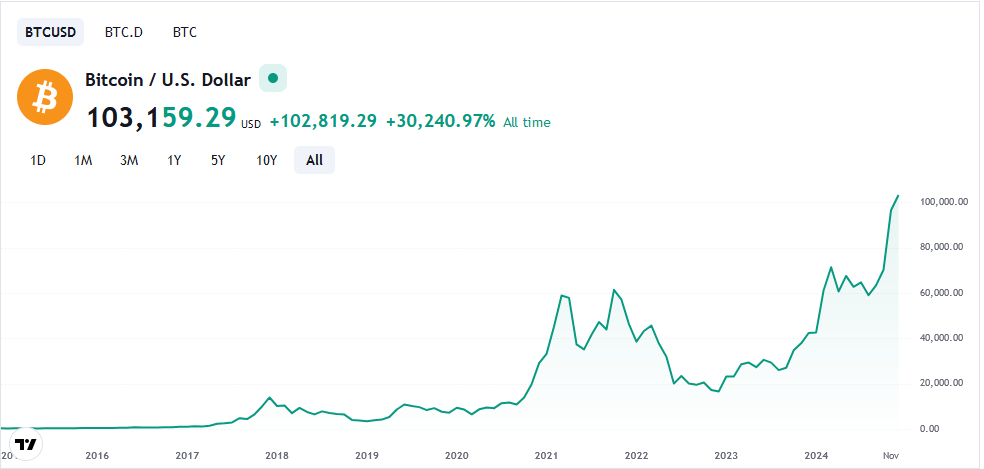
Market reactions to the nomination have been swift and dramatic. Bitcoin, the flagship cryptocurrency, surged past the $100,000 mark for the first time in history, reflecting renewed investor confidence in the future of digital assets. This price milestone underscores the anticipation of a regulatory environment more conducive to growth and innovation.

Concerns Over Investor Protection and ESG Issues

While the crypto community celebrates Atkins’ nomination, the decision has sparked concerns among progressives and environmental advocates. Critics argue that his deregulatory stance could weaken investors’ protections and reduce oversight of financial markets. Senator Elizabeth Warren has voiced apprehension, stating she is “concerned about putting at the helm of the SEC a Wall Street lobbyist whose main contribution during the last financial crisis was to protest fines against the giant corporations that defrauded investors.”

Atkins’ nomination has also drawn scrutiny from environmental, social, and governance (ESG) advocates. During his previous tenure at the SEC, he expressed skepticism about the agency’s role in mandating extensive ESG disclosures. He argued that such measures exceeded its regulatory scope. Opponents fear his leadership may slow progress on corporate transparency related to climate risks and other ESG considerations. Several environmental groups echoed this concern.

Who is Paul Atkins?

Paul S. Atkins is an American financial services executive and former government official, recognized for his expertise in securities regulation and advocacy for free-market principles. Born in Lillington, North Carolina, and raised in Tampa, Florida, he earned a Bachelor of Arts from Wofford College in 1980 and a Juris Doctor from Vanderbilt University School of Law in 1983.

Atkins began his legal career at Davis Polk & Wardwell in New York City where he focused on corporate transactions. That included public and private securities offerings and mergers and acquisitions. He spent over two years in the firm’s Paris office and was admitted as a conseil juridique in France in 1988.

From 1990 to 1994, Paul Atkins served on the staff of two SEC chairmen: Richard C. Breeden and Arthur Levitt, ultimately as executive assistant and counselor, respectively. In these roles, he contributed to initiatives aimed at improving corporate governance, enhancing shareholder communications, and reducing barriers for small and mid-sized businesses to access capital markets.

In 2002, President George W. Bush appointed Atkins as a commissioner of the U.S. Securities and Exchange Commission (SEC), a position he held until 2008. During his tenure, he emphasized transparency, consistency, and the application of cost-benefit analysis in regulatory processes. He represented the SEC in various international forums, including the U.S.-EU Transatlantic Economic Council and the World Economic Forum.

After leaving the SEC, Atkins founded Patomak Global Partners, a consultancy specializing in financial services and regulatory compliance. He also served as an independent director and non-executive chairman of the board of BATS Global Markets, Inc., a leading operator of electronic U.S. and European securities markets.

In December 2024, President-elect Donald Trump nominated Paul Atkins to serve as chair of the SEC, signaling a potential shift toward more lenient regulation of the financial and cryptocurrency sectors. Atkins’ nomination has been met with both support and criticism, reflecting his longstanding commitment to deregulation and financial innovation.

https://twitter.com/CrispyBull/status/1864711224061001861

Throughout his career, Atkins has been a vocal advocate for free-market principles, emphasizing the importance of fostering innovation while maintaining investor protection. His extensive experience in both the public and private sectors positions him as a significant figure in the ongoing dialogue between regulation and market freedom.

Balancing Innovation and Oversight

Awaiting Senate confirmation, the crypto industry and its critics closely watch how Paul Atkins’ leadership might redefine SEC priorities. Supporters view this as an opportunity to strike a better balance between innovation and regulation. Will he pave the way for the U.S. to solidify its position as a global leader in blockchain technology? Opponents, however, caution that deregulation must not come at the expense of investor protections and market stability.

Atkins faces the formidable task of addressing these competing priorities. If confirmed, his tenure could shape the future of cryptocurrency regulation and the broader financial landscape, as the SEC navigates its role in a rapidly evolving digital economy.

Paul Atkins’ nomination represents a potential turning point for the SEC and the cryptocurrency industry. While the promise of regulatory relief and innovation-friendly policies buoys the crypto community, concerns about investor protection and ESG oversight dominate discussions. As the debate unfolds, the world will be watching to see whether Atkins can bridge the divide between fostering innovation and maintaining robust regulatory safeguards.

Readers’ frequently asked questions

What is the SEC, and why does its leadership matter to cryptocurrency?

The SEC, or Securities and Exchange Commission, is the U.S. government agency responsible for regulating securities markets. Its role includes protecting investors, maintaining fair market conditions, and facilitating capital formation. The SEC’s leadership matters to cryptocurrency because the agency plays a central role in regulating cryptocurrencies and blockchain-based projects. The chair’s stance on regulation can impact everything from how new coins are issued to how exchanges operate within the U.S. The chair influences the industry’s growth and accessibility.

What are cryptocurrency exchange-traded funds (ETFs), and why are they mentioned in connection with the SEC?

Cryptocurrency ETFs are investment products tracking the value of cryptocurrencies like Bitcoin or Ethereum and traded on traditional stock exchanges. They allow investors to gain exposure to cryptocurrencies without directly buying or managing them. The SEC oversees the approval of ETFs in the U.S. Under past leadership, several crypto ETF applications were denied due to concerns about market manipulation and investor protection. Paul Atkins’ potential chairmanship raises hopes in the crypto community that these products might be approved, making it easier for everyday investors to access the crypto market through conventional investment platforms.

What does a “deregulatory” stance mean, and how could it affect cryptocurrency businesses?

A deregulatory stance means reducing the complexity or strictness of regulations governing an industry. It could entail fewer legal and compliance hurdles for cryptocurrency businesses when launching new tokens, operating exchanges, or developing blockchain-based projects. It could also mean clearer guidelines about which digital assets are considered securities under U.S. law. This might help businesses operate with more confidence. However, it does not necessarily mean no rules – it would aim to streamline oversight without compromising essential protections for investors.

What Is In It For You? Action Items You Might Want to Consider

Stay Alert for Changes in SEC Policies

With Paul Atkins’ nomination as SEC Chair, the regulatory environment for cryptocurrencies could shift significantly. Keep a close watch on SEC announcements, particularly regarding cryptocurrency exchange-traded funds (ETFs) or new regulatory guidelines. Adjust your strategies based on any developments to capitalize on potential opportunities or mitigate risks.

Evaluate Long-Term Investments in Crypto ETFs

The possibility of cryptocurrency ETFs gaining approval under Atkins’ leadership could create new investment opportunities. Begin researching ETF providers and understanding how these funds work to prepare yourself for when they enter the market. This could provide a regulated and simplified way to diversify your portfolio.

Diversify Your Portfolio to Hedge Uncertainty

While deregulation might fuel optimism, it also brings potential volatility. Consider diversifying your holdings across multiple asset classes, including stablecoins or traditional assets. It can protect your portfolio against unexpected regulatory or market changes. Flexibility and risk management are crucial during periods of regulatory transition.
Beyond $100K: How Bitcoin’s Milestone Shapes the Crypto Landscape and Challenges Altcoins

Bitcoin hits 100K milestone

Bitcoin has achieved what many believed was a distant possibility – surpassing the $100,000 mark. This historic milestone, marked by an intraday high of $103,656, solidifies Bitcoin’s position as the dominant player in the cryptocurrency world. While the achievement is a testament to the resilience and growing adoption of Bitcoin, it also casts a shadow over the broader crypto market, with altcoins experiencing mixed fortunes.

Institutional adoption, regulatory optimism, and political developments have fueled the rise to $100,000. Bitcoin spot Exchange-Traded Funds (ETFs), such as the one launched by BlackRock, have driven massive inflows from institutional investors, positioning Bitcoin as a credible asset class. The market also responded positively to the election of Donald Trump, whose administration is expected to implement crypto-friendly policies, including the appointment of cryptocurrency advocate Paul Atkins to lead the Securities and Exchange Commission (SEC).

Bitcoin’s Growing Dominance

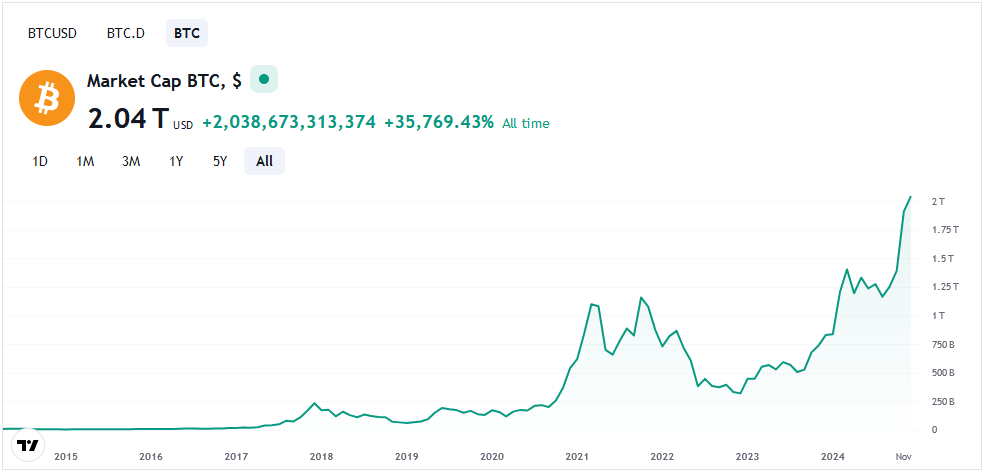
With a market capitalization exceeding $2 trillion, Bitcoin’s share of the crypto market is now at its highest in years. Its dominance is reshaping the investment landscape, as institutional players increasingly allocate funds to the leading cryptocurrency, often at the expense of smaller projects. Analysts suggest this trend could widen the gap between Bitcoin and altcoins, making it harder for emerging projects to attract attention and funding.

“Bitcoin has become synonymous with the crypto market for many institutional investors,” remarked a prominent market analyst. “While this benefits Bitcoin, it presents challenges for altcoins struggling to differentiate themselves.”

Winners and Losers in the Altcoin Space

Bitcoin’s ascent has not been uniformly positive for the crypto ecosystem. Some altcoins, such as Dogecoin, have ridden the wave of bullish sentiment, registering gains of up to 140%. However, other digital assets have failed to keep pace, reflecting a fragmented market response. Ethereum, often seen as Bitcoin’s closest competitor, has shown steady but less dramatic growth, while smaller altcoins have faced declines or stagnation.

The disparity in performance raises questions about the sustainability of the “altcoin season” narrative. Many investors are consolidating their portfolios around Bitcoin, prioritizing stability and long-term growth over speculative opportunities in lesser-known tokens.

Challenges for Altcoins

The altcoin market faces additional hurdles beyond investor behavior. Regulatory scrutiny remains a significant obstacle, particularly for projects operating in decentralized finance (DeFi) and other emerging sectors. Meanwhile, Bitcoin continues to benefit from its established reputation and relatively clear regulatory status.

Moreover, the environmental critique of cryptocurrencies disproportionately affects smaller projects, many of which lack the resources to adopt greener technologies. Bitcoin’s energy consumption remains a concern, but its market dominance gives it the leverage to address these issues without losing investor confidence.

What’s Next for the Crypto Market?

Bitcoin’s milestone raises important questions about the future of the cryptocurrency market. Will Bitcoin’s dominance stifle innovation, or will it serve as a gateway for broader crypto adoption? The answer may lie in how altcoins adapt to the shifting landscape. Projects that offer unique value propositions, such as scalability solutions or utility-driven applications, are more likely to survive and thrive.

As Bitcoin continues its upward trajectory, the broader market faces a pivotal moment. For altcoins, the challenge will be to prove their relevance in a market increasingly captivated by Bitcoin’s success. Whether this dynamic will result in a more balanced ecosystem or solidify Bitcoin’s supremacy remains to be seen.

Bitcoin’s journey past $100,000 is not just a milestone – it’s a turning point for the entire crypto landscape. For better or worse, the ripple effects of this achievement will shape the market for years to come.

Readers’ frequently asked questions

What is a Bitcoin ETF, and why is it significant for Bitcoin’s price?

A Bitcoin Exchange-Traded Fund (ETF) is a financial product that allows investors to gain exposure to Bitcoin without directly purchasing or holding the cryptocurrency. Instead, the ETF tracks Bitcoin’s price, and investors can buy and sell shares of the ETF on traditional stock exchanges. This is significant because ETFs make Bitcoin more accessible to institutional investors and individuals who might otherwise be hesitant to navigate cryptocurrency exchanges. The approval and success of Bitcoin ETFs, like the one launched by BlackRock, demonstrate growing regulatory acceptance and institutional interest, both of which contribute to Bitcoin’s price surge by increasing demand.

Why does Bitcoin’s dominance impact the broader cryptocurrency market?

Bitcoin’s dominance refers to the proportion of the total cryptocurrency market capitalization that Bitcoin represents. When Bitcoin gains a significant portion of market share, it often draws most of the investor interest and funds, leaving less for altcoins. This can lead to reduced liquidity and slower growth for other cryptocurrencies, especially smaller or newer projects. However, Bitcoin’s prominence can also bring legitimacy and attention to the crypto space overall, indirectly benefiting altcoins in the long term by encouraging broader adoption and innovation within the industry.

Are there risks associated with investing in Bitcoin now that it has reached $100,000?

While Bitcoin’s achievement of $100,000 is a historic milestone, investing at such a high price point carries risks. Market sentiment could shift, leading to price corrections, especially if institutional momentum slows or if regulatory challenges arise. Additionally, Bitcoin’s historical volatility means that significant price fluctuations, both upward and downward, are possible. New investors should also consider the possibility of over-concentration in Bitcoin, as diversification across different asset classes can help mitigate risk. Seeking professional financial advice before investing in cryptocurrencies is always recommended, particularly for those new to the market.

What Is In It For You? Action Items You Might Want to Consider

Diversify Your Portfolio Beyond Bitcoin

While Bitcoin’s rise to $100,000 showcases its dominance, the market reaction among altcoins has been uneven. Use this as an opportunity to assess your portfolio. Consider investing in altcoins with strong fundamentals or unique use cases, such as those focusing on scalability, DeFi, or energy efficiency. A balanced portfolio can help mitigate risks associated with Bitcoin’s volatility while exposing you to the growth potential of emerging projects.

Monitor Regulatory and Political Developments

Favorable political shifts and regulatory optimism have influenced Bitcoin’s surge. Stay informed about upcoming regulatory announcements, particularly regarding Bitcoin ETFs and crypto-friendly policies. These can significantly affect market sentiment and pricing. Platforms like government updates or crypto-focused news outlets can help you stay ahead of the curve and make informed trading decisions.

Capitalize on Market Sentiment but Be Cautious of Overleveraging

Bitcoin’s $100,000 milestone may attract new retail and institutional investors, potentially driving further price momentum. Use this optimism to time your trades, but avoid overleveraging. Bitcoin’s historic volatility means sharp corrections are possible. Set realistic profit targets and stop-loss orders to protect your capital while participating in the current bullish trend.

Community-Driven or Overhyped? Dissecting the $1.8 Billion HYPE Token Airdrop

HYPE Token Airdrop: Decentralization or Speculative Bubble?

The crypto community thrives on innovation, and airdrops have long been a tool to spark excitement and adoption. However, the recent $1.8 billion HYPE token airdrop by Hyperliquid has sent shockwaves through the blockchain world, not just for its sheer scale but also for the questions it raises about the future of token distribution models. Is this monumental event a milestone in community empowerment, or does it risk fueling an unsustainable speculative bubble?

An Unprecedented Airdrop

On November 29, 2024, Hyperliquid launched its native token, HYPE, minting a total supply of 1 billion tokens. Aiming to prioritize decentralization and community trust, 31% of the supply – 310 million tokens – was airdropped to approximately 94,000 eligible addresses. The airdrop’s total value, pegged at an astonishing $1.8 billion, marked one of the largest token distributions in cryptocurrency history.

Unlike many projects, Hyperliquid deliberately avoided allocating tokens to private investors or centralized exchanges. Instead, the airdrop targeted early users of the platform, reinforcing its narrative as a community-first initiative. Yet, this massive giveaway also had its share of critics. They argue that it may disproportionately benefit large holders and encourage short-term speculation rather than fostering long-term engagement.

The Mechanics of HYPE’s Meteoric Rise

Following the airdrop, the HYPE token price surged from an initial $2 to nearly $10 within days. This surge propelled its fully diluted valuation (FDV) past $12 billion. The price appreciation attracted traders and liquidity providers alike, further boosting the platform’s visibility. However, some analysts caution that such rapid growth may be unsustainable, especially as only 31% of the token supply is currently in circulation.

The distribution statistics highlight an uneven spread: while the average recipient received approximately 2,915 tokens, the median airdrop was just 64.53 tokens. That indicates that a small group of participants claimed disproportionately large amounts. This imbalance raises questions about whether the airdrop truly democratized token ownership or simply created a windfall for whales.

Hyperliquid’s Technological Edge

Critics aside, one should not overlook Hyperliquid’s technological foundation. Built on a high-performance Layer-1 blockchain powered by the HyperBFT consensus mechanism, the platform boasts capabilities that few competitors can match:

  • Transaction Speed: With a processing capacity of 200,000 transactions per second and a finality time of just 0.2 seconds, Hyperliquid is a leader in blockchain scalability.
  • Ethereum Compatibility: The HyperEVM layer ensures seamless interoperability with Ethereum-based applications, broadening the platform’s potential user base.
  • Decentralized Perpetual Swaps: Hyperliquid has carved a niche in this high-demand market. It reportedly captures nearly 50% of decentralized perpetual swaps volume.

These features differentiate Hyperliquid from networks like Ethereum, which struggles with scalability, and Solana, which has faced reliability issues. For traders and DeFi enthusiasts, Hyperliquid offers a compelling alternative.

Speculation vs. Sustainability

The $1.8 billion airdrop undoubtedly brought Hyperliquid into the spotlight, but it also raised important questions about its long-term strategy. Can the platform sustain user engagement beyond the initial hype? Or will the token’s value suffer as early recipients cash out their allocations?

The surge in user activity post-airdrop—nearly 11,000 new users onboarded in two days—suggests strong initial adoption. However, Hyperliquid must now focus on converting these users into loyal participants within its ecosystem. The dual role of HYPE as a governance and gas token could provide incentives for staking and usage. However, this depends on continued platform development and utility expansion.

Hyperliquid’s $1.8 billion HYPE token airdrop has set a new benchmark for community-oriented tokenomics. It demonstrates the power of large-scale distribution to drive adoption. Yet, the initiative is not without its challenges. The platform’s ability to balance speculative interest with sustainable growth will be the true test of its success.

While Hyperliquid’s technological capabilities position it as a leader in blockchain scalability and decentralized trading, its valuation may be outpacing its current utility. As the crypto market evolves, Hyperliquid must capitalize on its early momentum to establish itself as more than just a token with a catchy name. It must deliver on its promise of a next-generation trading ecosystem.

Readers’ frequently asked questions

What is a fully diluted valuation (FDV), and why does it matter?

A fully diluted valuation (FDV) represents the total market value of a cryptocurrency project if all its tokens were in circulation. It is calculated by multiplying the total token supply by the current price of one token. FDV is an important metric because it indicates the project’s potential market capitalization when all tokens are released.

For example, Hyperliquid’s HYPE token has an FDV of over $12 billion, even though only 31% of its tokens are currently circulating. This means the valuation is based on what the market expects the token to be worth once the full supply is available. For readers new to blockchain, FDV helps compare projects, but it’s important to consider that actual value depends on utility, adoption, and sustained demand. The value does not depend on just theoretical supply.

How does Hyperliquid’s technology benefit regular users compared to other platforms?

Hyperliquid’s technology is designed to provide faster and cheaper transactions, which directly benefits regular users, especially those interested in trading. Its blockchain can handle up to 200,000 transactions per second with a confirmation time of just 0.2 seconds. This means users experience minimal delays and lower transaction costs. Hence, the platform is more efficient than Ethereum, where network congestion can lead to high fees and slow processing times.

For someone with little blockchain knowledge, think of Hyperliquid as a faster highway with fewer toll booths compared to older platforms. This speed is particularly useful for traders who need quick transactions to take advantage of market changes without paying high fees.

What is the purpose of the HYPE token, and how can users use it?

The HYPE token is the native cryptocurrency of Hyperliquid and serves two main purposes: governance and utility. For governance, HYPE holders can participate in decision-making processes related to the platform. They can vote on proposed upgrades and changes, for example. For utility, the token is used to pay transaction fees (gas) on the Hyperliquid network. Users can also stake it to secure the network, potentially earning rewards.

For users new to blockchain, holding HYPE tokens means they have a say in the platform’s future and can also use the token within the ecosystem, like paying for transactions or participating in trading. However, the token’s value is tied to the platform’s success. Its utility increases as Hyperliquid gains more users and activity.

What Is In It For You? Action Items You Might Want to Consider

Leverage HYPE’s Early Trading Momentum Carefully

If you’re considering trading HYPE, the token’s recent surge offers opportunities, but it also comes with volatility. Study the price trends and set clear entry and exit points. Avoid chasing the highs driven by speculative hype and consider using stop-loss orders to mitigate potential losses during price corrections. Early-stage tokens can present quick gains but require disciplined strategies to minimize risks.

Dive Into Hyperliquid’s Platform to Understand Its Edge

Before investing in HYPE, explore Hyperliquid’s trading platform. Its high-speed Layer-1 blockchain and decentralized perpetual swaps are designed for traders looking for efficiency and transparency. Testing the platform helps you assess its real-world performance and provides insights into how its features might attract more users and drive long-term token demand.

Stay Updated on Governance and Future Developments

As a HYPE token holder, you’ll have the opportunity to participate in governance decisions shaping Hyperliquid’s future. Keep an eye on announcements about staking opportunities, technological upgrades, and ecosystem expansions. Engaging with governance can give you an edge in understanding where the project is heading and how its growth might impact your holdings. Active participation can also offer additional rewards in emerging decentralized ecosystems.

Rewriting Blockchain Costs: XRP Ledger’s Strategic Reserve Overhaul

XRP Ledger Slashes Reserve Requirement

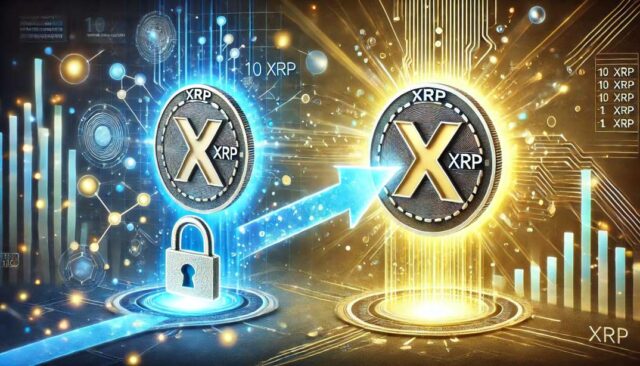
Amid growing criticism of its high reserve requirements, the XRP Ledger (XRPL) has taken a bold step by reducing its base reserve from 10 XRP to 1 XRP. That is a drastic 90% cut to improve accessibility and affordability. This policy shift, implemented to remove barriers for small-scale users, has been lauded as a milestone in democratizing blockchain technology. However, the move has also sparked debate among industry experts. Some question whether it adequately addresses deeper issues within the XRPL ecosystem.

Understanding XRP Reserve Requirements

In blockchain systems like the XRPL, reserve requirements serve as a safeguard to prevent spam attacks and ensure network stability. By requiring users to hold a certain amount of XRP in their wallets, the XRPL discourages the creation of low-balance, spam accounts that could overload the network.

Historically, the base reserve of 10 XRP was considered manageable, but recent market dynamics changed that perception. A surge in XRP’s market price – up over 400% in the past month – has made these reserves substantially more expensive in fiat terms. This increase put small-scale users, particularly those in regions with limited purchasing power, at a disadvantage. Critics argued that the reserve fees were no longer proportionate to their original intent, creating barriers to adoption and innovation.

The updated reserve requirement, which now stands at 1 XRP, aims to resolve these challenges. Additionally, the owner reserve – applicable to items like trust lines, escrow, and NFTs – has been reduced from 2 XRP to 0.2 XRP, further decreasing operational costs for XRPL users.

A Response to Market Pressures

The decision to lower reserve requirements is not merely a gesture of goodwill but a strategic response to market conditions and user demands. XRP has experienced a surge in popularity. Reportedly, over 22,000 new wallets were created the day following the reserve adjustment. The XRPL community, including prominent voices like XRPL Labs founder Wietse Wind, has long advocated for this change. They cited the reserve fees as a barrier to entry for small users and developers experimenting with XRPL applications.

The timing of the reduction coincides with a broader push to sustain user engagement and activity on the XRPL amid fierce competition in the blockchain space. Other blockchains, such as Ethereum and Solana, have attracted users with relatively low fees and innovative features. XRPL lowered its reserve requirements to remain competitive and expand its user base, particularly among individuals and startups who the previous costs might have deterred.

https://twitter.com/WietseWind/status/1846615654524166315

Criticism and Skepticism

While the reserve reduction has been widely celebrated, it has not been without its critics. Some experts question whether this adjustment is a long-term solution or merely a short-term measure to maintain relevance amid rising XRP prices.

One area of concern is whether lowering reserve requirements could lead to unintended consequences, such as an increase in spam or underutilized accounts on the network. Historically, reserve requirements have served as a deterrent against these issues. By reducing this barrier, the XRPL may inadvertently create new challenges, requiring robust governance and technological solutions to maintain network integrity.

Another critique focuses on the broader utility of the XRPL. While the reserve reduction makes the network more accessible, it does not address other potential limitations, such as scalability or competition from rival blockchains with more advanced smart contract capabilities. Some analysts argue that without significant innovation in its ecosystem, the XRPL risks being outpaced despite its cost advantages.

A Community-Driven Milestone

The reserve reduction is also a testament to the power of community advocacy within the XRPL ecosystem. Over the years, developers, users, and advocates have voiced concerns about the high reserve fees. They urged the network’s stewards to adapt to evolving market conditions. This change reflects the community’s influence and the responsiveness of XRPL’s governance model.

Beyond cost savings, the lower reserve requirement could open new opportunities for developers to experiment with applications on the XRPL without committing significant capital upfront. This aligns with the blockchain’s mission to foster innovation and inclusivity, particularly in underserved markets where the financial barrier of entry has been a deterrent.

Implications for the Blockchain Industry

The XRPL’s decision to slash reserve requirements could set a precedent for other blockchain networks grappling with similar challenges. As digital assets continue to gain traction, balancing accessibility with security and network integrity becomes a critical consideration. The XRPL’s experience may offer valuable lessons for the industry. It highlights the importance of adaptive policies that cater to user needs while safeguarding the network.

Moreover, this move underscores the growing importance of affordability in driving blockchain adoption. In an era where transaction fees and operational costs can significantly impact user engagement, reducing barriers to entry could become a key competitive advantage for blockchain platforms.

Milestone or Survival Tactic?

The XRP Ledger’s reserve reduction is undeniably a pivotal moment for its ecosystem. It signals a commitment to making blockchain technology more accessible and user-friendly. By lowering costs, the XRPL has positioned itself as a more inclusive platform that can attract a diverse range of users and developers.

However, whether this move will solidify the XRPL’s long-term relevance or merely stave off short-term challenges remains an open question. As the blockchain landscape continues to evolve, the XRPL’s ability to innovate and address deeper ecosystem concerns will ultimately determine its success.

For now, the reserve overhaul is a significant step forward. It offers a glimpse into how blockchain networks can adapt to changing market dynamics while staying true to their foundational principles.

Readers’ frequently asked questions

What exactly is the “reserve requirement,” and why does it matter?

The reserve requirement on the XRP Ledger is a mandatory amount of XRP that must be held in a wallet to activate and maintain an account. This reserve is not spendable and exists to prevent spam accounts from overloading the network. Essentially, it acts as a security measure to ensure that only genuine users create accounts. Before the recent reduction, activating an account required holding 10 XRP, which could become costly as the value of XRP increased. By lowering this to 1 XRP, the network makes wallet creation more affordable. It encourages broader participation while still maintaining protection against spam accounts. For someone new to blockchain, this means it’s now cheaper and easier to explore XRP and its applications.

How does the reserve reduction impact me if I already have an XRP wallet?

If you already own an XRP wallet, the reduced reserve requirement means you may have more flexibility in using your funds. The XRP previously held to meet the old 10 XRP reserve requirement will now only need to meet the new 1 XRP standard. However, it’s important to note that you cannot withdraw the reserved amount. It remains locked as part of the XRP Ledger’s rules. Additionally, if you’re using features like trust lines, the reserve for these has also been lowered, potentially freeing up more XRP for other uses. This change reduces the overall cost of maintaining and expanding your activities on the XRP Ledger.

Will reducing the reserve make the network less secure or more prone to spam accounts?

Reducing the reserve requirement does introduce the potential for increased spam accounts, as the financial barrier to creating multiple accounts is now significantly lower. However, the XRP Ledger relies on other mechanisms, such as its consensus protocol and transaction fees, to maintain network security and integrity. These mechanisms ensure malicious actors cannot flood the system without incurring significant costs. The network’s developers and community believe the benefits of making the XRPL more accessible outweigh the risks, and they continue to monitor the network for potential issues. For everyday users, this change should not affect the reliability or security of their transactions.

What Is In It For You? Action Items You Might Want to Consider

Reevaluate Your XRP Wallet Strategy

With the reserve requirement now reduced to 1 XRP, take a moment to review your existing XRP wallets. If you’ve been holding excess XRP purely to meet the previous reserve requirement, you can now consider redistributing those funds for trading, staking, or other opportunities. This change provides more flexibility, so make sure you’re using your capital effectively.

Explore New Opportunities on the XRP Ledger

The lowered reserves for trust lines, NFTs, and other account features make experimenting with XRPL applications more affordable. If you’ve been hesitant to engage with XRPL’s ecosystem due to high costs, now is a great time to explore its DeFi tools, token issuance, or NFT platforms. The reduced fees create a more accessible environment for trying out new strategies.

Monitor XRPL Network Activity for Emerging Trends

The reserve reduction could lead to increased adoption and a surge in new accounts. Stay vigilant about shifts in network activity. Higher wallet creation rates and rising user engagement often signal growing interest in XRPL-related projects. Identifying these trends early could uncover promising trading or investment opportunities linked to XRP or its ecosystem.

Solana Supply Chain Attack: Developers Scramble to Mitigate Risks as Six-Figure Losses Surface

Supply chain attack hits Solana

In a striking reminder of the vulnerabilities within the blockchain ecosystem, the widely-used Solana Web3.js library was recently compromised in a targeted supply chain attack. This breach introduced backdoor code into two versions of the library, versions 1.95.6 and 1.95.7, enabling attackers to exfiltrate private keys from affected wallets. The result: financial losses exceeding six figures for users who unknowingly integrated the malicious versions into their projects.

Though the attack was contained within five hours on December 2, 2024, the incident underscores the growing sophistication of threats targeting decentralized platforms. It also highlights the urgent need for developers, investors, and end-users to address security vulnerabilities in blockchain ecosystems proactively.

A Sophisticated Attack With Far-Reaching Implications

The attackers gained unauthorized access to a GitHub account with publishing rights to the Solana Web3.js library, a critical JavaScript tool for building decentralized applications (dApps) on Solana. By injecting malicious code into the compromised library versions, the perpetrators created a backdoor that allowed them to steal private keys, potentially granting access to users’ cryptocurrency wallets.

Major Solana ecosystem projects, including Phantom and Solflare, quickly reassured users that they were not impacted, as they did not rely on the affected library versions. Nevertheless, smaller projects and independent developers were vulnerable, with several reporting significant losses. Estimates suggest financial damage in the six-figure range, illustrating the attack’s tangible impact.

Effective Containment and Community Action

While the attack posed a serious threat, the Solana community’s swift response limited the damage. Security researchers promptly identified the breach, and developers removed the malicious versions from repositories within hours. A patched version (1.95.8) was released, and affected users were advised to rotate private keys and update their dependencies immediately.

This rapid containment effort underscores the resilience of the blockchain community. However, it also serves as a wake-up call for stakeholders to prioritize security measures in open-source development.

Supply Chain Risks in Blockchain Development

The Solana Web3.js incident is the latest in a growing series of supply chain attacks targeting open-source libraries. Such attacks exploit the interconnected nature of software dependencies, allowing malicious actors to compromise multiple projects by targeting a single widely-used component. For blockchain ecosystems, where decentralized security is paramount, these vulnerabilities can erode trust and cause substantial financial losses.

Experts emphasize the need for proactive measures, including:

  • Dependency Audits: Regularly reviewing and updating dependencies to detect and mitigate vulnerabilities.
  • Access Controls: Strengthening authentication and authorization protocols for key developer accounts.
  • Real-Time Monitoring: Deploying tools to detect unusual activity in software repositories.

Lessons for the Blockchain Ecosystem

This incident highlights the balancing act between the benefits of open-source collaboration and the risks of insufficient oversight. As the blockchain industry matures, both developers and users must adopt a security-first mindset. For developers, this means integrating robust security protocols into their workflows. For users, it means remaining vigilant and promptly addressing potential threats.

The Solana Web3.js attack underscores a hard truth: even the most innovative decentralized platforms are not immune to centralized vulnerabilities. It is only through a combination of technological innovation, community collaboration, and rigorous security practices that the blockchain ecosystem can build resilience against future threats.

Readers’ frequently asked questions

How can I know if my project or wallet was affected by this attack?

If you or your project integrated the Solana Web3.js library between December 2, 2024, and the release of the patched version (1.95.8), there’s a possibility you were affected by this attack. To check, review the versions of the library in your development environment. The compromised versions were 1.95.6 and 1.95.7. If these were used, assume your private keys may have been exposed. Replace any compromised versions with 1.95.8 or later, and immediately rotate private keys to prevent unauthorized access. Wallet users should monitor transactions closely and consider moving funds to a secure wallet as a precaution.

Why are supply chain attacks so dangerous, and can they be prevented?

Supply chain attacks exploit the interconnected nature of software development, where projects rely on shared libraries and dependencies. A compromised library, like Solana’s Web3.js, can affect every project and user that integrates it, creating widespread risks. These attacks are especially dangerous in blockchain environments because they target critical elements like private keys, directly endangering user funds.

While prevention isn’t foolproof, certain measures can reduce the risk. Developers should perform regular audits of dependencies, implement multi-factor authentication for access controls, and use tools that detect malicious code. End-users can also stay safer by using wallets and dApps from trusted developers and keeping software updated.

What steps should I take to secure my blockchain interactions going forward?

To enhance your security when interacting with blockchain technology, follow a few best practices. First, always verify the source and authenticity of the software or tools you use, ensuring they come from official repositories or trusted providers. Second, avoid downloading or integrating dependencies without reviewing their version history and recent updates for suspicious changes. Third, use hardware wallets or cold storage for long-term cryptocurrency holdings to protect against software vulnerabilities. Lastly, stay informed about security news related to your preferred blockchain, as swift action in response to vulnerabilities can make a significant difference.

What Is In It For You? Action Items You Might Want to Consider

Regularly Review Your Wallet and dApp Dependencies

If you’re actively trading or using decentralized applications, take a moment to review the software dependencies linked to your activities. Check whether any wallets or tools you use rely on the Solana Web3.js library or similar frameworks. Ensuring that you’re using the latest, verified versions of these libraries can significantly reduce your exposure to supply chain risks.

Rotate Your Keys and Strengthen Wallet Security

Even if you weren’t directly affected, it’s a good habit to periodically rotate your wallet’s private keys and enable additional security measures like two-factor authentication (2FA) wherever possible. If you suspect that your wallet or a connected dApp might have interacted with a compromised dependency, transferring your funds to a secure wallet with fresh keys is a smart protective step.

Stay Informed and React Quickly to Security Alerts

As a trader, staying informed about blockchain and cryptocurrency security updates can save you from potential losses. Subscribe to trusted news sources or follow security updates from the platforms you trade on. If a breach is announced, act swiftly—whether it means updating your software, securing your funds, or pausing trades until the situation is clearer. Proactive action can prevent small vulnerabilities from escalating into major financial setbacks.

- Advertisement -

FEATURED