Home Blog Page 152

October’s Regulatory Wave: SEC and DOJ Tighten Grip on Crypto with Major Fraud and Compliance Actions
SEC and DOJ Crack Down on Crypto Market Makers and Fraud

In a sweeping display of enforcement, U.S. regulatory agencies intensified their scrutiny of the cryptocurrency sector this October. A series of high-profile actions saw the SEC and DOJ targeting both major crypto market makers like Cumberland DRW LLC and a network of individuals and entities involved in fraudulent practices. The coordinated crackdown underscores the growing urgency among regulators to impose traditional compliance standards in a market long viewed as a “Wild West” for investors. As crypto faces more accountability than ever, industry participants must confront the need for lawful operations or risk severe repercussions.


In October 2024 the U.S. Securities and Exchange Commission (SEC) and the Department of Justice (DOJ) launched a series of enforcement actions to combat fraud and enforce compliance among crypto firms and market participants. The coordinated crackdown revealed a shared commitment among U.S. regulators to address manipulation and non-compliance in the burgeoning cryptocurrency sector. It seems to signal a new phase of intensified oversight and enforcement.

SEC Targets Major Market Maker Cumberland DRW LLC

Among the SEC’s high-profile actions was a charge against Cumberland DRW LLC, one of the industry’s largest crypto market makers. The SEC alleges that Cumberland acted as an unregistered dealer, a violation under the Securities Exchange Act of 1934, for its role in trading significant volumes of digital assets deemed securities. That included tokens such as Polygon (MATIC), Solana (SOL), and Algorand (ALGO). The case marks a significant shift by the SEC. The agency directs its focus from targeting smaller crypto projects to enforcing compliance among larger, established entities. By bringing charges against a major player like Cumberland, the SEC wants to send a clear message: all market participants, regardless of size, must adhere to securities regulations.

DOJ and SEC Collaboration Exposes Widespread Fraud

In a joint DOJ-SEC operation, the agencies further underscored the regulatory push when targeting 18 individuals and companies allegedly involved in fraudulent trading practices. As part of the investigation, the DOJ deployed innovative tactics, including the creation of a fictitious crypto token to reveal deceptive practices such as wash trading – where traders artificially inflate trading volumes to mislead investors about a token’s popularity and value. This collaborative effort led to a wave of charges against entities engaged in fraud. It was a critical step in the DOJ’s and SEC’s efforts to clean up the cryptocurrency market and dismantle fraudulent schemes harming investors.

The operation reflects a rising willingness among U.S. regulators to take assertive action against manipulation tactics, highlighting the DOJ and SEC’s commitment to investor protection and market integrity. By targeting wash trading and other fraudulent schemes, the agencies are working to curb deceptive practices plaguing the market and casting a shadow over legitimate cryptocurrency businesses.

Regulatory Action Extends to DeFi Platforms

The SEC’s enforcement push in October also extended to the decentralized finance (DeFi) sector. Rari Capital, a prominent DeFi platform managing substantial digital assets, faced charges of misleading investors and operating as an unregistered broker. The case concluded in a settlement, with Rari Capital agreeing to rectify its practices. This move underscores the SEC’s commitment to enforcing securities laws within DeFi. The sector has traditionally operated with minimal regulatory oversight. For the SEC, the Rari case signals a broader ambition to bring DeFi platforms into compliance, despite their decentralized nature.

The Larger Implications for the Crypto Industry

October’s enforcement actions reflect an overarching regulatory trend where U.S. agencies take a more unified and aggressive approach to policing the cryptocurrency sector. Casting a wider net, the SEC and DOJ target prominent market players and deceptive schemes across all levels of the market. Their goal is to foster a more transparent and compliant crypto ecosystem.

This regulatory shift brings substantial implications for the industry. As scrutiny intensifies, crypto firms are being urged to assess their operational models. They must adopt compliance measures aligning with securities laws. For market makers and crypto exchanges, this means reevaluating their activities to avoid unregistered trading of assets classified as securities. For DeFi platforms, it highlights the need to navigate the complex legal framework governing the industry. A framework that is evolving rapidly as regulators continue to assert their authority.

A New Era of Accountability

October’s regulatory wave may be a watershed moment for the cryptocurrency market. Did it usher in an era where compliance is no longer optional but essential? The SEC and DOJ are sending strong messages through their recent actions, and the crypto sector is facing pressure. It must transition from an experimental and largely unregulated market into a more mature and accountable financial ecosystem. For some firms, this shift will mean adopting rigorous compliance measures. For others, it could spell an end to business models that rely on regulatory ambiguity.

As enforcement actions ramp up, industry participants must decide whether to embrace this regulatory landscape or face the legal and financial repercussions of non-compliance. Investors, regulators, and the broader public are watching closely. The coming months may reveal whether the industry is ready to adapt or if more regulatory measures are needed to bring it in line with traditional financial standards.

The message from October’s crackdown is clear. The days of regulatory leniency in cryptocurrency may be coming to an end. U.S. agencies are firmly committed to reshaping the market for the benefit of investors and market integrity alike.

Readers’ frequently asked questions

How do these enforcement actions impact regular cryptocurrency investors?

These enforcement actions by the SEC and DOJ are intended to protect regular investors, creating a safer and more transparent market environment. Regulators are cracking down on fraud, manipulation, and unregistered trading to remove bad actors from the market. These efforts target those who might otherwise mislead investors with artificially inflated prices or unsupported claims about a token’s value. Although these actions primarily target large players and fraudulent schemes, the ripple effect reaches all market participants, including individual investors. A cleaner, more regulated market reduces the risks of falling prey to scams or inflated assets. It helps to establish a foundation for long-term investment stability in the sector. However, investors should stay informed about ongoing regulatory developments. More stringent enforcement could also affect the availability and behavior of certain assets in their portfolios.

Could these regulatory actions slow down innovation in the cryptocurrency and DeFi space?

Regulatory enforcement could indeed create challenges for innovation, especially for projects and businesses operating in areas of the cryptocurrency market that are still relatively undefined by law. Companies may need to invest more time and resources into compliance. That could slow down the pace of new product launches and limit experimental initiatives, particularly in DeFi. Some argue that increased regulation could push crypto businesses to operate outside the U.S. or rely on more decentralized, anonymous frameworks to avoid compliance issues. However, proponents of regulation believe that establishing clear rules and a safer environment may ultimately benefit innovation. It would create a stable, predictable framework within which crypto companies can build. This environment could attract more mainstream investors and partners, potentially accelerating the growth and adoption of the technology over time.

Are there signs that other countries will follow the U.S. in enforcing similar regulations on cryptocurrency?

Yes, there are strong indications that other countries are also intensifying their regulatory approach to cryptocurrencies. The U.S. is one of the most prominent and proactive regulators in the crypto space. But other nations, particularly in Europe and Asia, are closely observing its approach and enacting their own measures. The European Union, for instance, is advancing its Markets in Crypto-Assets (MiCA) regulation. MiCA establishes a comprehensive regulatory framework for crypto assets within the EU. Additionally, countries like Japan, Singapore, and Australia are developing or already enforcing regulations targeting crypto exchanges, token offerings, and market manipulation. The global trend toward regulatory action suggests that crypto businesses will need to navigate a complex, multi-jurisdictional landscape as they seek to comply with various national and regional requirements. This growing regulatory focus worldwide further underscores the importance for crypto firms to prioritize compliance and transparency to operate smoothly in multiple markets.

What Is In It For You? Action Items You Might Want to Consider

Reevaluate Your Token Portfolio for Regulatory Risk Exposure

With the SEC increasingly treating certain digital assets as securities, now might be a good time to assess your portfolio. Consider how exposed you are to tokens that regulators may classify as securities like those recently mentioned in SEC enforcement actions. If any of your holdings fall into this category, think about how potential regulatory changes could impact their trading volume or liquidity. Shifting some assets to tokens that are less likely to be classified as securities could be a prudent risk management strategy.

Stay Informed About Crypto Exchanges and Market Makers’ Compliance Status

As the SEC targets large market makers and crypto exchanges, the services you rely on for trading could be affected by regulatory actions. Keep an eye on news regarding any platforms you use, especially if they face scrutiny or sanctions from regulators. Staying informed will help you avoid disruptions in trading, withdrawals, or deposit services and allow you to pivot to alternative platforms if necessary.

Prepare for Potential Volatility in DeFi Assets

With DeFi platforms now firmly on the SEC’s radar, regulatory uncertainty could lead to increased volatility for DeFi tokens. This may be a good time to revisit your trading strategy for these assets. Consider setting tighter stop-loss orders or reevaluating your exposure to DeFi to protect against unexpected price swings. By adopting a more conservative stance in the short term, you can better manage risk while still keeping an eye on new developments in the regulatory landscape.
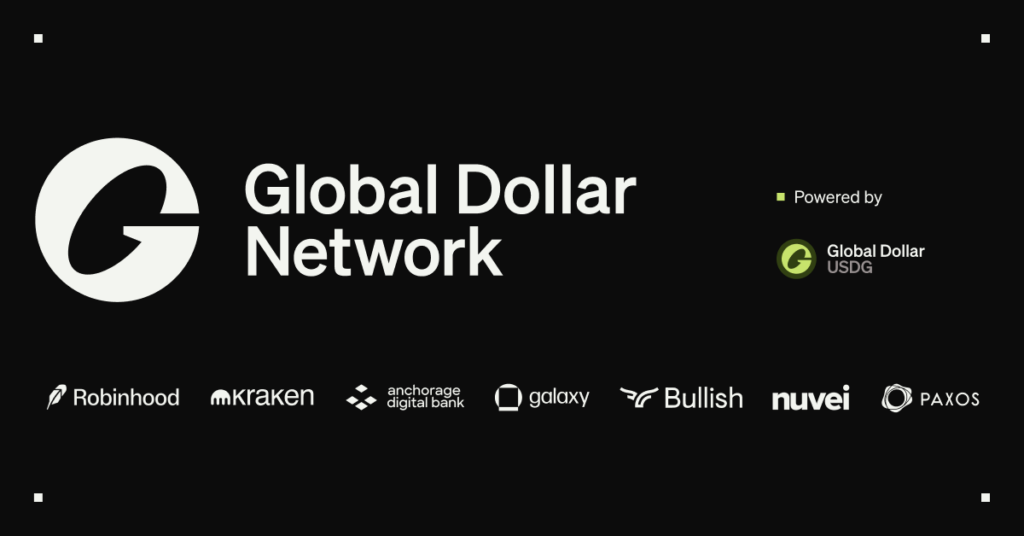
Global Dollar Network: USDG Stablecoin Launch Promises a Transparent, Collaborative Future for Crypto and Fintech

USDG Stablecoin Launches, Uniting Crypto and Traditional Finance

The launch of the USDG stablecoin, led by prominent firms such as Paxos, Galaxy Digital, Robinhood, and Kraken, marks a pivotal step toward a more interconnected and transparent financial ecosystem. At the heart of this initiative is the Global Dollar Network. It’s an ambitious open platform seeking to unite players across the finance and crypto sectors to drive stablecoin adoption worldwide. With a foundation of regulatory compliance and inclusivity, this network aims to broaden the applications of digital dollars in a landscape that increasingly values transparency and security.

The U.S. dollar-pegged USDG stablcoin is fully backed by cash reserves, including short-term U.S. Treasuries, ensuring high security and transparency. Issued by Paxos and based out of Singapore, USDG aligns with the upcoming regulatory framework of the Monetary Authority of Singapore (MAS). This compliance-focused approach seeks to reassure institutions and enterprises worldwide. It offers a regulated and robust stablecoin option in a space often challenged by regulatory uncertainties.

Source: paxos.com/blog

A Cooperative Network for Broader Adoption

The Global Dollar Network is not just about launching a stablecoin; it’s about fostering collaboration across industries that have traditionally operated in silos. The network invites a broad spectrum of participants, ranging from banks and fintech platforms to custodians and payment providers. This approach aims to create a synergistic ecosystem where diverse financial entities can leverage the benefits of stablecoins in real-world applications.

This cooperative model is a strategic response to the current stablecoin market dominated by incumbents like Tether (USDT) and USD Coin (USDC). The network’s inclusive design and compliance-centered structure position USDG as a competitive, regulated alternative. By creating a stablecoin that’s compatible with diverse institutions and regulatory frameworks, the Global Dollar Network aspires to integrate traditional finance and crypto into a unified system that can scale and adapt globally.

Incentives to Drive Network Engagement

An innovative aspect of the Global Dollar Network is its incentive model. Unlike traditional stablecoin networks, which often retain a majority of rewards for their core operators, the Global Dollar Network’s structure distributes nearly all rewards to active participants. This approach is aimed at fostering long-term engagement and encouraging participation from financial institutions that may have previously been cautious about entering the digital asset space.

This incentive structure supports network growth but also aligns with the project’s vision of inclusivity. The network rewards participants for their engagement, hoping to attract more users and facilitate faster adoption of stablecoin-based financial solutions. This approach creates new opportunities for payment providers, merchants, and digital platforms.

A Step Toward Regulatory Compliance and Transparency

The Global Dollar Network’s emphasis on regulatory compliance is a crucial element in its design, particularly at a time when authorities worldwide are increasing scrutiny on digital assets. Paxos’s decision to issue USDG out of Singapore, under the guidance of MAS’s regulatory framework, reflects a commitment to meeting the stringent compliance standards that many institutions require for stablecoin integration.

DBS Bank, Southeast Asia’s largest bank, will manage the stablecoin’s reserves, adding to USDG’s institutional trust and transparency. This alignment with regulatory standards will protect users and also appeal to institutions seeking a reliable and compliant digital dollar. It sets this stablecoin apart from its competitors in the market.

Moving Toward a Transparent Financial Ecosystem

The USDG stablecoin and the Global Dollar Network collectively represent a significant advancement in creating a more transparent and cooperative financial ecosystem. This initiative focuses on compliance, inclusivity, and participant-driven incentives to bridge the gap between traditional finance and digital assets. It aims to set a new standard for stablecoin networks worldwide.

As the network expands, it has the potential to transform how stablecoins are used globally, fostering an ecosystem where digital dollars serve as a reliable, regulated asset class. This pioneering approach may encourage other financial institutions and fintechs to embrace blockchain technology, promoting cross-sector collaboration that could reshape the future of finance.

In the context of an evolving regulatory environment and a growing demand for transparent, stable digital assets, the launch of the USDG stablecoin is more than just an introduction of a new token—it’s a foundation for the financial ecosystem of tomorrow.

Readers’ frequently asked questions

What makes USDG different from other popular stablecoins like Tether (USDT) and USD Coin (USDC)?

USDG distinguishes itself through its commitment to regulatory compliance and transparency, particularly by aligning with Singapore’s Monetary Authority regulations. Unlike Tether, which has faced scrutiny over reserve transparency, USDG is fully backed by reserves of cash and short-term U.S. Treasuries, with oversight by DBS Bank, a reputable financial institution in Southeast Asia. This backing adds a level of institutional trust that many other stablecoins do not emphasize. Furthermore, USDG is part of the Global Dollar Network. The network actively promotes a cooperative ecosystem for stablecoin adoption, inviting participants across various sectors and providing rewards for engagement. Its open and incentivized network approach supports transparency and also enhances stablecoin utility in real-world applications. It’s a key differentiator of USDG vs. its competitors.

How does the Global Dollar Network’s incentive model benefit participants compared to other stablecoin ecosystems?

The Global Dollar Network’s incentive model plans to pass almost all rewards back to its participants. That’s an unusual feature in the stablecoin market where rewards often remain with core operators or a select group of stakeholders. By distributing rewards more equitably, the network encourages ongoing engagement from diverse participants, including banks, custodians, and payment providers. This structure benefits new entrants as well as experienced players in the crypto space. It incentivizes them to contribute to the network’s growth. Participants can expect to see tangible benefits from their involvement, such as increased returns for activity. This, in particular, may appeal to institutions seeking reliable stablecoin solutions without sacrificing potential revenue. This unique model creates an ecosystem that prioritizes shared growth and active involvement. It distinguishes USDG from stablecoin networks that are typically more centralized.

Why was Singapore chosen as the launch base for USDG, and what implications does this have for global stablecoin adoption?

Singapore was chosen as the base for issuing USDG due to its proactive regulatory stance on digital assets. It has established a framework under the Monetary Authority of Singapore (MAS) that provides clear guidelines. These help ensure compliance and offer stability and predictability to financial institutions and fintech companies interested in stablecoins. Singapore’s approach has made it a leading hub for digital finance. This will allow USDG to gain credibility from the outset in a jurisdiction known for its strong regulatory standards. By operating from Singapore, the Global Dollar Network signals its commitment to adhering to international compliance standards, making it more likely to appeal to global institutions and markets. Choosing Singapore also positions USDG favorably for international expansion. The stablecoin aligns with regulatory expectations that may soon be mirrored by other jurisdictions, fostering a more unified and compliant global landscape for stablecoin adoption.

What Is In It For You? Action Items You Might Want to Consider

Explore the USDG Stablecoin as a Diversified Asset in Your Portfolio

With USDG’s regulatory backing and full reserve transparency, this new stablecoin offers a unique opportunity for traders seeking secure digital dollar exposure. Consider incorporating USDG as part of your stablecoin strategy, especially if you’re looking for a compliant alternative in a regulatory-first environment. Its alignment with the Monetary Authority of Singapore standards could make it a more secure choice during market volatility.

Look into Opportunities within the Global Dollar Network’s Incentive Model

USDG’s ecosystem actively rewards participants, from custodians to payment providers, for their engagement. If you’re part of a trading platform or financial entity, assess how you might leverage these incentives within your operations. Participating in the network could yield additional returns. It makes this stablecoin a promising option for those ready to engage with its infrastructure.

Monitor Regulatory Trends That May Impact Stablecoin Adoption

With USDG’s compliance focus and strong institutional support, this launch signals where the stablecoin market might be headed. As regulators worldwide increase scrutiny on digital assets, staying attuned to similar compliance-driven products and regulatory developments could provide you with insights into future stablecoin opportunities that align with evolving global standards. This proactive awareness can guide you in making informed decisions when choosing stablecoins for longer-term investments.

Token Burns Alone Won’t Save Terra Luna Classic – But Are They a Step in the Right Direction?

The Terra Luna Classic (LUNC) community is banking on a massive token burn strategy to help salvage the project’s future. Recent burns reached over a billion tokens. While this approach aims to curb LUNC’s hyperinflated supply, industry analysts are divided on whether burns can realistically generate lasting value. In an increasingly competitive market, Terra Luna Classic faces the dual challenge of attracting new users while reassuring a wary investor base. Can burns and governance proposals really be the foundation for a sustainable LUNC revival?

Token Burns and Deflationary Hope

At the heart of the Terra Luna Classic community’s strategy is the concept of token burning – permanently removing tokens from circulation to decrease supply and, ideally, increase value. This approach is based on fundamental supply-demand economics: with fewer tokens in circulation, scarcity should theoretically drive demand and push up the price. Binance, one of the largest cryptocurrency exchanges, recently executed a billion-token burn, bringing renewed attention to LUNC’s potential.

These token burns are no small endeavor. In a market where excess supply has often driven down token prices, the LUNC community views burns as a means to fight inflation and stabilize the asset. For Terra Luna Classic, which suffered from a hyperinflated supply after the Terra ecosystem collapse, this strategy has become a rallying point for supporters. Community discussions indicate that many see these burns as the first step toward regaining lost value and inspiring renewed interest in LUNC.

Can Token Burns Alone Sustain LUNC’s Value?

The burn mechanism generates short-term excitement and media coverage. However, many experts caution that burns alone are unlikely to yield sustainable value for LUNC. Analysts suggest that burns are a limited tool in driving intrinsic value. That’s especially true for a cryptocurrency with fundamental challenges like Terra Luna Classic. Token burns can provide temporary price boosts by creating a deflationary effect. Yet, without underlying utility or robust ecosystem growth, any price gains may be short-lived.

https://twitter.com/traderrocko/status/1853383465066021097

Additionally, although Binance’s involvement in token burning is a sign of support for LUNC, it’s not necessarily a long-term solution. Binance’s contribution reflects confidence in Terra Luna Classic’s community but doesn’t change the need for a broader strategy. The Terra Luna Classic community needs to expand its utility and increase demand for LUNC beyond mere speculation. Ultimately, tokens gain lasting value through utility, adoption, and consistent user engagement. These factors are not guaranteed by burn mechanics alone.

Governance Proposals and Community-Driven Efforts

The Terra Luna Classic community is also heavily involved in governance decisions, passing proposals influencing tokenomics and network policies. Recently, they passed a tax-handling proposal. It allows a percentage of transaction fees to be burned, adding another layer to the deflationary strategy. Additionally, discussions around re-pegging the USTC stablecoin could restore some functionality to the Terra ecosystem, potentially generating broader appeal for the project.

These community-driven governance decisions reflect the community’s commitment to rebuilding the Terra Luna Classic ecosystem. However, the focus on tokenomics rather than usability may limit LUNC’s appeal beyond its immediate supporters. Governance participation is undoubtedly a positive step. It makes users feel involved in the project’s future. However, without a clear roadmap for technological or practical innovation, Terra Luna Classic may struggle to regain relevance among competing blockchain projects.

Competition and the Broader Market Landscape

Terra Luna Classic is not the only project implementing token burns or community governance. Many other projects, including Ethereum and Binance’s BNB, have similar deflationary models but are backed by substantial user bases and versatile use cases that ensure continuous demand. For LUNC to stand out, it will need to find unique value propositions beyond token burns. In an industry where blockchain applications and decentralized finance (DeFi) evolve rapidly, LUNC risks being outpaced if it doesn’t broaden its focus.

Further complicating Terra Luna Classic’s position is its past reputation. Following the Terra ecosystem collapse, investor trust eroded significantly. Rebuilding credibility in the highly scrutinized crypto space is no easy task. While token burns and tax proposals may inspire existing LUNC holders, they do little to attract new users or use cases essential for long-term growth.

Is There a Path Forward for Terra Luna Classic?

Although the current token burn strategy alone may not be a panacea for Terra Luna Classic’s challenges, it has, at the very least, rallied the community and given them a common objective. For some investors, this community cohesion is a positive signal, indicating that LUNC has a resilient base. However, the project’s long-term survival will likely depend on its ability to diversify its approach. It must prioritize utility, functionality, and ecosystem partnerships that can attract a broader user base.

In addition to burns, LUNC would benefit from new applications, whether in DeFi, non-fungible tokens (NFTs), or other blockchain innovations that can generate sustained demand. Expanding LUNC’s utility could potentially drive meaningful adoption and, consequently, price stability that is not reliant solely on deflationary mechanics.

Token burns may provide short-term gains for Terra Luna Classic, but they are not a standalone solution for rebuilding a sustainable and valuable ecosystem. Without practical use cases and expanded functionality, LUNC risks falling short of its revival goals. The community’s enthusiasm and recent governance proposals are promising. Now, the community must match these with a clear plan to bring innovation and new users into the fold.

In a competitive market, Terra Luna Classic faces an uphill battle to regain investor trust and market relevance. Token burns are a start, but the path to meaningful recovery will require far more than reducing supply. It will demand a comprehensive strategy that combines deflationary measures with real-world utility, expanded partnerships, and technological growth.

Readers’ frequently asked questions

How do token burns actually work, and why are they considered beneficial for LUNC?

Token burns are essentially the act of permanently removing a certain amount of tokens from circulation, reducing the overall supply. In the case of LUNC, tokens are “burned” by sending them to an unspendable address. Effectively, they are unrecoverable and the total circulating supply of LUNC decreases. This deflationary approach is expected to create scarcity, and in theory, increased scarcity should drive demand and ultimately price.

LUNC is grappling with a large circulating supply following the Terra collapse. Its goal is to counteract the token’s hyperinflation and stabilize its price burning some of the supply. The community hopes that as more LUNC disappears from the market, it will become a scarcer and potentially more valuable asset. That would encourage current holders to retain their tokens and potentially attract new investors. However, while the burn mechanism creates short-term enthusiasm, it does not directly create demand or utility for the token itself. Analysts emphasized that burns alone won’t solve LUNC’s broader issues. To see sustainable value appreciation, LUNC would need continuous use cases that engage a steady stream of users who bring organic demand beyond speculative interest.

What does re-pegging USTC mean, and how would it impact LUNC?

Re-pegging USTC means restoring its value to a stable $1, which it lost during the Terra ecosystem collapse. Originally, UST (now USTC) was designed as a stablecoin pegged to the US dollar. LUNC played a stabilizing role by balancing UST’s supply through an algorithm. Following the collapse, USTC lost its peg and currently trades far below $1. The Terra Luna Classic community has discussed ways to re-peg USTC, including strategies to back its value with new reserves or to develop mechanisms that control its supply in a more stable, controlled manner.

Re-establishing a stable USTC would be a significant development for LUNC. After all, it would restore part of the ecosystem’s original utility, positioning USTC as a viable stable asset for transactions within the network. If successful, a stable USTC could attract more decentralized finance (DeFi) applications, partnerships, and users to Terra Luna Classic. That would establish a stronger value proposition for LUNC than token burns alone. However, re-pegging would be complex and require considerable reserves or mechanisms to maintain stability. It would require substantial funding and external support. Without a well-supported reserve or a viable re-pegging strategy, the risk of another destabilization event remains.

What types of utility or use cases would LUNC need to see a sustainable revival?

For LUNC to achieve a sustainable revival, it would need diverse use cases beyond token burns and governance. The Terra Luna Classic ecosystem originally attracted users for its decentralized finance applications, which enabled lending, borrowing, and stablecoin transactions. A key step toward revitalizing LUNC’s utility would involve re-establishing similar DeFi applications that encourage users to interact with and use the Terra blockchain for practical financial activities. Expanding its utility could include re-launching applications like Anchor for high-yield deposits or Mirror Protocol for synthetic assets, or attracting new projects and developers to build on the network.

Another important area could be non-fungible tokens (NFTs) and blockchain gaming. Both have seen rapid growth and adoption in the broader crypto market. By supporting NFT marketplaces and blockchain games, Terra Luna Classic could open up new user segments and create demand for LUNC within the entertainment and digital collectibles space. Moreover, forming partnerships with other blockchains or enterprises could introduce interoperability and use cases that appeal to a broader audience, helping Terra Luna Classic differentiate itself from similar projects. In essence, sustainable value for LUNC would come from attracting regular activity on the network. It must create ongoing demand for its tokens rather than rely on temporary deflationary effects from token burns.

What Is In It For You? Action Items You Might Want to Consider

Monitor Token Burn Announcements for Short-Term Price Movements

Keep an eye on token burn announcements from Terra Luna Classic and major exchanges like Binance. These events often spark short-term price activity. While token burns alone may not drive long-term growth, they can create brief periods of excitement. You might leverage that for timely trades. Watch for increases in trading volume around these events and consider setting up alerts to capture potential price spikes.

Evaluate Governance Proposals for Future Stability and Utility

Terra Luna Classic’s community governance is actively shaping the project’s future, with proposals around tax-handling and even the re-pegging of USTC. Participating in or simply staying informed about governance decisions can provide you with insights into the project’s direction. Proposals that aim to build LUNC’s utility or introduce more stability could be indicators of long-term potential. Look for measures that focus on DeFi applications, partnerships, or stablecoin support to gauge whether the project is aligning with broader market demand.

Assess LUNC’s Real-World Use Cases Before Making Long-Term Investments

While Terra Luna Classic’s token burns may attract interest, sustainable growth ultimately hinges on real-world use cases. If you’re considering a longer-term position in LUNC, investigate the ecosystem’s efforts to develop utilities like DeFi applications, NFTs, or blockchain gaming. Utility-driven demand is essential for lasting value. So, keep an eye on new partnerships or applications that expand LUNC’s use beyond speculation. Analyzing these developments can help you make more informed investment decisions based on the ecosystem’s actual growth potential.

M2 Crypto Exchange Suffers $13.7M Hack: Swift Response Ensures Full Fund Recovery for Users

M2 exchange hack results in $13.7M theft

In a striking Halloween breach, the UAE-based M2 crypto exchange faced a significant security incident, resulting in $13.7 million in stolen digital assets, including major cryptocurrencies like Bitcoin, Ethereum, and Solana. In an impressive display of crisis management, M2 acted swiftly, restoring full funds to affected users within hours. This hack of the M2 exchange underscores the ongoing security challenges in the crypto industry, particularly in balancing accessibility with protection. As M2 commits to strengthened security protocols, this event highlights the critical need for vigilance against cyber threats in a space where digital assets are prime targets.

On October 31, 2024, the M2 exchange hack shocked the cryptocurrency community when hackers breached the UAE-based platform, making off with $13.7 million in digital assets. This high-profile incident exploited vulnerabilities within M2’s hot wallet infrastructure, a security risk that has impacted other exchanges in the past. Hot wallets, which remain connected to the internet for ease of transaction access, are inherently more susceptible to such attacks. Despite the significant loss, M2’s rapid response, and assurance of fund recovery have earned commendation, turning the M2 hack into a case study in effective crisis management within the volatile world of cryptocurrency.

The breach affected multiple cryptocurrencies, including popular assets like Bitcoin (BTC), Ethereum (ETH), and Solana (SOL). Although the hack involved a substantial amount, M2 resolved the situation within just 16 minutes, a remarkable turnaround highlighting its commitment to user protection. The exchange reassured customers that it had restored all impacted funds and pledged to strengthen its security measures further to prevent a repeat.

Hot Wallet Vulnerabilities and the M2 Exchange Hack

The M2 exchange hack brings attention to the risks associated with hot wallets – digital wallets connected to the internet and commonly used by exchanges for faster transactions. Hot wallet vulnerabilities are a recurring issue within the crypto industry, where hackers exploit this type of infrastructure to drain assets. These types of attacks raise essential questions about how exchanges can secure assets without sacrificing accessibility. Blockchain investigator ZachXBT, known for tracing crypto thefts, identified specific wallet addresses tied to the M2 exchange hack, underscoring the role of blockchain transparency in tracking illicit activities.

Lessons in Crisis Management from the M2 Exchange Hack

The M2 exchange hack has positioned M2 as a case study in swift and effective crisis management within the crypto industry. By immediately restoring user funds, M2 has demonstrated a level of responsibility that is critical for maintaining user trust. The exchange’s response to the breach – combining both a rapid recovery plan and new preventive measures – reflects a growing trend among exchanges to prioritize customer protection amid cyber threats. The M2 exchange hack thus becomes more than just an incident; it serves as a blueprint for other exchanges on how to handle such crises with accountability and transparency.

Broader Industry Implications of the M2 Exchange Hack

As the M2 hack adds to the list of recent crypto security incidents, it underscores the need for robust cybersecurity measures, particularly as the UAE continues to develop as a major crypto hub. Incidents like this could potentially accelerate regulatory conversations in the region, with calls for stronger security standards to protect users and sustain industry growth. As M2 and other exchanges adapt to increasingly sophisticated threats, the current incident serves as a stark reminder that digital asset protection requires constant vigilance and adaptation.

In conclusion, the M2 exchange hack illustrates both the vulnerabilities inherent to cryptocurrency exchanges and the critical importance of a user-centric approach in times of crisis. The swift recovery and full fund restoration by M2 have set a positive example in the crypto space, but the breach of the M2 exchange also highlights the ongoing need for robust security protocols to protect against similar threats. This incident reinforces the industry’s dedication to enhancing digital asset security while meeting the demands of a growing global user base.

Readers’ frequently asked questions

What measures are common after a crypto exchange hack like this one?

Typically, after a security breach, crypto exchanges often move to implement multi-layered security protocols, particularly focusing on asset storage. One common measure is increasing reliance on cold storage, where assets are kept offline and are less vulnerable to hacks. Another strategy is integrating 24/7 monitoring software that flags any unusual transaction patterns, allowing for rapid responses similar to M2’s 16-minute reaction time. Additionally, exchanges sometimes partner with cybersecurity firms specializing in blockchain to fortify their defenses and continuously audit security practices. This approach helps detect vulnerabilities early and ensures compliance with evolving security standards.

Are there best practices users should follow to enhance their own security on exchanges?

Users can take several steps to bolster their security when trading on exchanges. Two-factor authentication (2FA) is essential, adding a layer of security by requiring a second form of verification. Keeping assets in personal wallets, such as a cold wallet or hardware wallet, rather than leaving them on an exchange can also reduce exposure to potential exchange hacks. Users should also be vigilant against phishing attacks, especially following incidents like the M2 hack, as scammers may attempt to exploit heightened awareness. Staying informed on the security practices of any exchange is beneficial, as transparency often correlates with better security standards.

How do blockchain analytics help in tracking stolen funds, and can they recover them?

Blockchain analytics play a key role in tracking stolen funds, as each transaction on the blockchain is recorded and viewable by anyone. Investigators can trace funds through the blockchain by following wallet addresses, which often helps in identifying patterns or connections to known hacker addresses. However, while tracking is effective for visibility, recovering funds is complex, as it requires collaboration with law enforcement and sometimes with centralized exchanges where stolen funds may be converted. Many exchanges now use analytics services to prevent hacked funds from being laundered, marking certain wallet addresses to limit the circulation of stolen assets.

What Is In It For You? Action Items You Might Want to Consider

Consider moving long-term holdings to a secure cold wallet

If you’re holding a significant amount of cryptocurrency on exchanges, think about transferring these assets to a cold wallet. Cold wallets, stored offline, significantly reduce the risk of cyber attacks compared to hot wallets on exchanges. This can offer peace of mind for long-term assets you don’t need to access regularly.

Enable two-factor authentication (2FA) on all exchange accounts

Adding 2FA to your exchange accounts provides an extra layer of security that’s especially valuable in light of incidents like the M2 hack. Choose app-based 2FA, such as Google Authenticator, over SMS-based methods for a stronger defense. Taking this step can help safeguard your assets from unauthorized access, even if exchange security is compromised.

Stay informed about your exchange’s security practices and updates

Keep an eye on any security announcements or updates from the exchanges you use, especially if they’re implementing changes following a security breach. Knowing what safeguards your exchange has in place and how they respond to incidents can give you better control over your risk exposure.

Web Summit 2024

Web Summit 2024 in Lisbon unites global tech leaders, showcasing AI, fintech, and Web3 innovations. Connect, learn, and shape the future of technology.

Web Summit 2024 is once again set to make Lisbon the epicenter of global tech innovation. Over 70,000 attendees, industry leaders, and tech enthusiasts will gather to shape the future of technology. Known for its commitment to showcasing cutting-edge developments across AI, blockchain, fintech, and sustainability, this year’s summit promises an inspiring lineup of discussions, hands-on workshops, and networking opportunities.

Event Overview

Web Summit has built a reputation as the premier event where technology meets business. Since relocating to Lisbon in 2016, the event has attracted thousands of professionals from across industries. It provides a unique platform for discussing future trends, establishing connections, and finding inspiration. Web Summit 2024 continues this legacy, offering an extensive program to engage attendees at every level.

Speakers and Highlights

The 2024 speaker lineup includes influential voices from a variety of sectors, with a focus on innovation, social impact, and emerging technology. Some of the prominent speakers announced for this year include:

  • Pharrell Williams – Artist and Entrepreneur
  • Brad Smith – Vice Chair and President, Microsoft
  • Meredith Whittaker – President, Signal
  • Frank Cooper – CMO, Visa
  • Thomas Wolf – Co-founder & Chief Science Officer, Hugging Face
  • Tim Berners-Lee – Founder of the World Wide Web/CTO, Inrupt

Each speaker will provide unique insights into the ways technology continues to transform industries and reshape societal structures. With thought-provoking sessions, keynote presentations, and in-depth interviews, attendees will gain first-hand knowledge from those shaping the future of tech.

Check the Web Summit 2024 website for the full list of speakers.

Key Panels and Workshops

The summit’s agenda is packed with over 150 panels, workshops, and fireside chats. It covers everything from AI advancements to the future of digital finance. Noteworthy panels to watch for include:

  • The Future of AI Ethics: Addressing the ethical considerations and responsibilities associated with AI development. This panel will feature insights from leading AI researchers and advocates.
  • Web3 and Decentralized Finance: With the rise of blockchain technology, this panel will explore how decentralized finance (DeFi) is reshaping the financial world and what lies ahead for digital currencies.
  • Building a Sustainable Tech Future: Aimed at tech companies and investors, this discussion will focus on sustainable business practices and green technology to drive change.

Workshops like “Scaling Startups for Success” and “AI for Social Good” offer practical insights. They will allow participants to leave with actionable strategies for their own ventures.

Networking Opportunities

Networking is a cornerstone of Web Summit. It offers both structured events and casual interactions where attendees can meet like-minded individuals, potential partners, and industry veterans. From scheduled networking sessions to the bustling night summit gatherings in the heart of Lisbon, these opportunities enable lasting connections and foster collaboration across sectors. The vibrant city atmosphere of Lisbon enhances these encounters. It gives participants the chance to enjoy Portugal’s rich culture and culinary delights.

Why Attend Web Summit 2024?

Web Summit is a must-attend event for anyone engaged in tech or business. It’s a place to connect with global leaders, discover groundbreaking ideas, and gain insights from those at the forefront of innovation. Attendees can tailor their experience to align with their interests and goals. Sessions span diverse topics like digital marketing, sustainability, and the ethical implications of AI.

Web Summit 2024 is more than a conference; it’s a gathering of minds eager to create, inspire, and innovate. For tech entrepreneurs, established businesses, and emerging startups alike, the summit offers an unparalleled opportunity to stay ahead of trends, meet industry leaders, and gain invaluable insights that could shape their future strategies. Lisbon awaits to welcome the world’s best and brightest in tech for another unforgettable year of Web Summit.

- Advertisement -

FEATURED