Home Blog Page 151

Revolut X Targets Europe: 30 Countries Join the $200B Crypto Revolution

UK-based fintech powerhouse Revolut has unveiled an ambitious expansion of its cryptocurrency trading platform, Revolut X, to 30 European countries. Riding on the wave of increasing demand for digital assets and a $200 billion crypto market opportunity, the platform is setting itself apart with over 200 token offerings, competitive fee structures, and advanced trading tools designed to cater to beginner and seasoned traders.

This move comes as Revolut seeks to establish itself as a dominant player in the European crypto ecosystem, entering territories currently dominated by established platforms like Binance and Coinbase. It also underscores the growing momentum of cryptocurrency adoption across Europe. This trend is bolstered by regulatory frameworks like the European Union’s Markets in Crypto-Assets (MiCA) legislation, which provides clarity and consistency for cross-border operations.

Competitive Edge and Market Opportunity

Revolut X differentiates itself with user-centric features tailored for the modern trader. The platform charges no fees for limit orders and a mere 0.09% for market orders, offering significant savings compared to competitors. Additionally, the inclusion of advanced analytics and trading tools equips users with insights to navigate the volatile cryptocurrency market effectively.

The expansion taps into an underserved market of users who desire both simplicity and sophistication in their trading experience. By addressing these needs, Revolut positions itself as a gateway for mainstream adoption, encouraging more Europeans to explore cryptocurrency trading.

Moreover, Revolut X integrates seamlessly with the company’s ecosystem, including its virtual crypto payment cards. These cards enable users to spend digital assets directly on in-store and online purchases through Apple Pay and Google Pay. This functionality bridges the gap between crypto assets and real-world usability, a key factor in driving mainstream acceptance.

The Role of Regulation

The timing of this expansion is no coincidence. Introducing the MiCA legislation provides Revolut with a unified regulatory framework, enabling smooth operations across multiple European markets. This compliance-first approach reassures users and positions the company as a trusted player in a market often scrutinized for regulatory uncertainty.

MiCA’s provisions aim to standardize practices, enhance transparency, and provide robust consumer protections across the European Union. Revolut’s proactive adoption of these guidelines showcases its commitment to aligning with regulatory standards, a crucial aspect of long-term sustainability in the crypto sector.

Competition in the Spotlight

While Revolut’s entry into new markets is a significant milestone, it is not without challenges. Established players like Binance, Coinbase, and Kraken have a strong foothold in Europe, offering extensive trading options and robust ecosystems. Revolut’s success hinges on its ability to further differentiate itself in the competitive market. It aims to leverage its fintech expertise to create a seamless experience that integrates crypto trading with everyday financial services.

The competitive landscape is also influenced by user preferences, market maturity, and the pace of adoption across different regions. Revolut’s focus on affordability, ease of use, and integration into its broader financial ecosystem provides a strong foundation to challenge existing incumbents.

A Bold Vision for the Future

Revolut’s expansion into Europe is more than just a geographical move – it’s a statement of intent. By addressing gaps in accessibility and usability while aligning with regulatory advancements, the fintech giant is well-positioned to lead the charge in bringing cryptocurrency trading to the mainstream.

As the European crypto market evolves, Revolut X has the potential to redefine how digital assets are traded and used in everyday life. Whether it can maintain this momentum in the face of fierce competition and market volatility remains to be seen. One thing, however, is clear: Revolut is no longer content with being a mere participant in the crypto revolution. It aims to lead it.

Readers’ frequently asked questions

How does Revolut X compare to established platforms like Binance and Coinbase in terms of features and user experience?

Revolut X distinguishes itself by targeting both novice and experienced traders with a simplified yet feature-rich platform. While Binance and Coinbase offer a vast range of cryptocurrencies and deep liquidity, Revolut X focuses on ease of use, competitive fees, and integration with broader financial services. For instance, its 0.09% fee on market orders and zero fees for limit orders stand out as cost-effective options for frequent traders. Additionally, Revolut X’s advanced analytics tools and seamless integration with Apple Pay and Google Pay make it an appealing choice for users seeking to merge cryptocurrency trading and everyday financial transactions. However, seasoned traders requiring extensive market depth and advanced features like derivatives trading may still prefer the capabilities of platforms like Binance or Coinbase.

What does the MiCA regulation mean for Revolut X users in practical terms?

The EU’s Markets in Crypto-Assets (MiCA) regulation provides a unified framework that ensures consistent standards across member states. It enhances consumer protection and market stability. For Revolut X users, this means greater confidence in the platform’s operations. It complies with stringent rules regarding asset custody, transaction transparency, and user data protection. MiCA also facilitates cross-border services, meaning users can access Revolut X with the assurance of uniform regulatory oversight across all 30 participating countries. This reduces risks often associated with regional disparities in crypto regulations and sets a precedent for safer trading practices within Europe.

What challenges could Revolut face in successfully scaling Revolut X across Europe?

While Revolut X’s expansion is strategically sound, it faces several challenges that could impact its success. First, market competition is intense, with platforms like Binance, Coinbase, and Kraken already holding significant market share in Europe. These competitors have established trust, liquidity, and extensive crypto offerings, making it difficult for a newcomer to carve out a niche. Second, despite regulatory clarity from MiCA, navigating the nuances of compliance in each country can still present logistical hurdles. Lastly, the volatile nature of the crypto market itself may pose risks to user adoption, particularly in regions where cryptocurrency interest is still nascent. Overcoming these obstacles will require Revolut to innovate continuously, strengthen user engagement, and effectively market the unique advantages of Revolut X.

What Is In It For You? Action Items You Might Want to Consider

Compare Fee Structures Across Platforms to Maximize Your Profit Margins

When trading cryptocurrencies, even small fee differences can impact your overall profitability. Platforms like Revolut X, Binance, and Coinbase offer varying fee structures. Therefore, it’s worth analyzing which one aligns with your trading frequency and strategy. For instance, if you frequently place market or limit orders, exploring platforms with low or no fees for these actions can help you reduce costs over time.

Assess Regulatory Support When Choosing a Platform

The EU’s MiCA framework provides a safer and more transparent trading environment for users across Europe. Platforms that align with these regulations, like Revolut X, can offer added assurance regarding compliance and security. Ensure the platform you choose operates under such frameworks to mitigate risks related to regulatory uncertainty.

Utilize Platforms with Integrated Tools to Improve Trading Precision

For traders seeking to fine-tune their strategies, platforms with built-in analytics tools can offer valuable insights. Whether you’re setting up stop-loss levels or evaluating market trends, using these features can improve decision-making. Consider experimenting with platforms offering a balance of advanced tools and user-friendly interfaces to find what works best for your trading goals.
Coinbase Launches the COIN50: A Game-Changer for Crypto Market Transparency and Investor Confidence

Coinbase and the SEC continue their legal battles

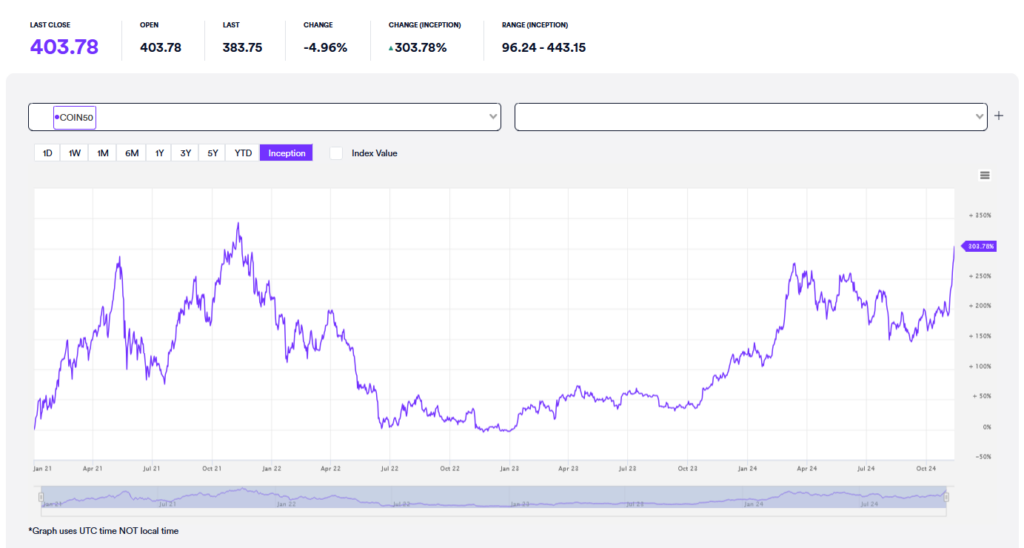
Coinbase has introduced a new tool in the world of digital assets: the COIN50 Index. This new indicator will track the top 50 digital assets listed on its platform and provide a market performance snapshot. It will consolidate major cryptocurrencies – including Bitcoin, Ethereum, Solana, and Dogecoin – into a single, straightforward benchmark. By creating a clearer view of the market’s most impactful assets, Coinbase aims to bring a sense of stability and transparency to an industry that has often been marked by volatility, inconsistent standards, and information silos.

Filling the Transparency Gap in Crypto

Modeled after the S&P 500, the COIN50 serves as a reference point to gauge the health of the broader cryptocurrency market. While previous indices have covered subsets of digital assets, few offer the comprehensiveness of the COIN50. This index includes top-performing assets across various sectors of the digital economy. For investors, the COIN50 presents a simplified yet diversified entry point into the crypto space. It tracks approximately 80% of the market’s capitalization through a curated selection of assets. By focusing on this selection, Coinbase aims to make it easier for retail and institutional investors to understand and navigate the crypto landscape.

The COIN50 includes a stringent selection process developed in collaboration with MarketVector Indexes. It evaluates each asset’s fundamentals, security, and architecture and excludes assets that do not meet these standards. Only the most robust projects make it into the index. Additionally, the COIN50 will be rebalanced quarterly. That will allow the index to adapt as market trends and asset performance evolve, offering an up-to-date reflection of the industry.

A Step Towards Investor Confidence and Institutional Adoption

For retail investors, the COIN50 represents a way to track market trends without getting lost in the complexity of the vast crypto ecosystem. For institutional players, this index functions as both a benchmark and a potential vehicle for portfolio diversification. The COIN50’s design makes it especially appealing for institutional investors familiar with using indices as a tool to gain diversified exposure. By setting a standard similar to established benchmarks in traditional finance, Coinbase positions itself as a bridge for institutions hesitant about entering crypto due to the sector’s perceived volatility and lack of regulation.

Beyond simplifying market access, the COIN50’s data-backed structure aims to build credibility in the sector. It offers a familiar investment framework with clear guidelines and strict entry criteria. This transparency could help Coinbase foster stronger relationships with institutional clients. At the same time, it promotes confidence in the crypto space among more cautious investors.

Source: marketvector.com

Strategic Moves in an Evolving Crypto Landscape

The COIN50 Index is also a significant step for Coinbase itself. “Regulatory scrutiny and market volatility continue to impact even the largest crypto exchanges. Developing a trusted, widely accepted benchmark may strengthen Coinbase’s reputation as a sector leader. This index positions Coinbase not just as a platform for trading but as a cornerstone of the industry’s infrastructure. As it gains traction, the COIN50 could become the go-to measure of market performance, akin to the S&P 500 for stocks. That would establish Coinbase as a key source of market insights and trends.

Though still new, the COIN50 is already recognized for its potential to add stability and structure to crypto – a sector long challenged by market sentiment swings. As more investors begin to use the COIN50 as a gauge of the industry’s direction, it may play a role in reducing volatility by promoting data-driven investment decisions. Ultimately, Coinbase’s COIN50 has the potential to enhance transparency and foster a more mature, confidence-inspiring environment within the digital asset space.

Readers’ frequently asked questions

How does the COIN50 Index impact my investment strategy if I already own individual cryptocurrencies like Bitcoin and Ethereum?

The COIN50 Index serves as a valuable addition to individual crypto holdings, especially if your portfolio focuses on a few major assets like Bitcoin and Ethereum. By investing in the COIN50, you gain exposure to a broader range of digital assets representing the top performers on Coinbase. That will include emerging projects and established cryptocurrencies. This diversification can reduce the risk associated with holding a limited number of assets. The index is designed to balance its components based on market capitalization, security, and token architecture. For long-term investors, the COIN50 can serve as a measure of overall market performance. It gives them a more stable benchmark that adjusts quarterly to reflect evolving trends. Thus, even if you already hold Bitcoin and Ethereum, the COIN50 adds another layer of diversification. It can act as a core holding to stabilize a crypto portfolio.

What advantages does the COIN50 Index offer over other cryptocurrency indices already in the market?

While several crypto indices exist, the COIN50 Index stands out due to its methodology and Coinbase’s reputation in the crypto industry. Partnering with MarketVector Indexes, the COIN50 applies strict criteria to asset selection. It considers factors like blockchain architecture, token economics, and security. This rigor sets it apart from other indices that may include a broader range of assets without such stringent standards. Additionally, Coinbase’s quarterly rebalancing of the index ensures it remains up-to-date with the market’s most influential assets, a feature not all indices provide. The COIN50 is also unique in its aim to mirror the function of traditional indices like the S&P 500. That makes it accessible to both new investors and seasoned market participants looking for a familiar benchmark. This structure helps reduce potential volatility. It excludes high-risk or less-established assets, positioning the COIN50 as a reliable, trusted measure of the digital asset market.

Could the COIN50 Index be affected by regulatory changes, and what would that mean for investors?

The COIN50 Index, like any investment tied to the cryptocurrency market, is subject to potential regulatory shifts. Given the current focus by regulators worldwide on digital assets, any changes in compliance standards, asset listings, or regulatory requirements for exchanges could impact the composition or accessibility of the COIN50. For example, if certain assets within the index face new regulations that affect their trading availability, the index could be rebalanced to reflect these changes. Coinbase’s partnership with MarketVector ensures that the COIN50 is adaptable. Nevertheless, investors should be aware that regulatory changes could influence the index’s makeup and performance. However, Coinbase’s emphasis on transparency and adherence to regulatory standards means that the COIN50 is designed to meet compliance and retain its integrity. That makes it a resilient option compared to less-regulated crypto investment vehicles.

What Is In It For You? Action Items You Might Want to Consider

Consider Using the COIN50 as a Benchmark for Portfolio Performance

If you’re tracking multiple cryptocurrencies individually, think about using the COIN50 Index as a benchmark to evaluate your portfolio’s performance against the broader market. This can give you insights into whether your holdings are in line with market trends or if there are underperforming assets you might reconsider.

Explore the COIN50 for Diversification

If your portfolio leans heavily toward a few big players like Bitcoin and Ethereum, look into the COIN50 for balanced exposure to a wider set of assets. Since the index covers the top 50 digital assets on Coinbase, it might provide a smoother way to diversify while still focusing on well-vetted projects with strong fundamentals.

Monitor Quarterly Rebalancing to Spot Market Shifts

Since the COIN50 is rebalanced every quarter, keep an eye on the changes to gain insights into market trends. Newly added assets or those removed might signal shifting market dynamics or emerging sectors within the crypto space. These shifts could help guide your next moves, whether you’re considering a new investment or adjusting your allocations.

Peter Schiff: Bitcoin’s Most Unyielding Critic

Peter Schiff is aruably Bitcoin's staunchest critic.

In the volatile world of finance, where Bitcoin has surged from obscurity to fame, few figures have been as vocal or polarizing in their criticisms of cryptocurrency as Peter Schiff. Known for his straightforward, often scathing remarks on Bitcoin, Schiff has emerged as a well-recognized contrarian voice in the financial world, especially among crypto enthusiasts. Schiff’s strong stance against Bitcoin isn’t just opinion; it’s grounded in a distinct economic philosophy and years of market experience. So, who is Peter Schiff, and why does he see Bitcoin not as digital gold but as a ticking time bomb? Let’s explore.

Peter Schiff: The Man and His Career

Peter Schiff is not your average critic. He’s a respected stockbroker, financial commentator, and the CEO of Euro Pacific Capital, a brokerage firm he founded focusing on global investments and precious metals. Schiff is also known for accurately predicting the 2008 financial crisis, which established his credibility and boosted his reputation in financial circles. His predictions were based on keen observations about housing market flaws, excessive borrowing, and unsustainable consumer spending. Schiff’s prediction set him apart as a forecaster willing to go against the grain. It’s a trait that has carried over to his views on Bitcoin and cryptocurrencies.

A Traditionalist Economic Philosophy Rooted in Gold

Schiff’s skepticism of Bitcoin isn’t random; it stems from his broader economic philosophy rooted in traditional views on tangible assets. A staunch advocate of gold, Schiff believes in hard assets with intrinsic value and a proven track record as stores of wealth. For him, gold has stood the test of time for thousands of years, surviving economic upheavals and currency devaluations. Schiff is equally critical of fiat currencies. He views them as inherently flawed due to their susceptibility to inflation and central bank manipulation. His criticism of Bitcoin, therefore, is part of his broader view that money should be backed by a stable, tangible asset, not speculation or complex algorithms.

Bitcoin in the Crosshairs: Schiff’s Key Criticisms

Schiff has a long list of concerns about Bitcoin, which he frequently describes as the “digital equivalent of fool’s gold.” First and foremost, he argues that Bitcoin’s volatility makes it a poor store of value. While Bitcoin’s price may rise dramatically, it also frequently plunges, often losing significant value within days. Schiff believes this instability undermines Bitcoin’s utility as a stable currency.

Another core issue for Schiff is Bitcoin’s lack of intrinsic value. Unlike gold, which can be used in industries like jewelry and electronics, #Bitcoin has no physical form or alternative use. Schiff compares Bitcoin to historical speculative bubbles, notably the 17th-century tulip mania, where a frenzied market for tulip bulbs collapsed, leaving many investors with worthless assets. He warns that Bitcoin could suffer a similar fate.

In a recent statement on November 11, 2024, Schiff labeled Bitcoin as “the biggest misallocation of resources in human history”. He further emphasized his stance that Bitcoin is disconnected from fundamental economic principles. In his view, it is a speculative bubble waiting to burst. His critical stance extends to the entire cryptocurrency sector. He sees digital assets as risky and detached from tangible value.

Engaging the Bitcoin Community: Public Debates, Predictions, and NFTs

Schiff has shared his views in articles and interviews but has also taken his criticisms to the public arena, engaging in debates with prominent Bitcoin proponents. One memorable example was his exchange with Anthony Pompliano, a well-known crypto investor. The two debated the merits and pitfalls of Bitcoin. Schiff’s predictions about Bitcoin have also been bold, with his repeated forecasts of an impending “Bitcoin crash” attracting both attention and controversy. He has argued that Bitcoin’s price is propped up by speculation and that its value could one day plummet to zero.

Interestingly, Schiff’s exploration into digital assets took a surprising turn in May 2023. He collaborated on an NFT art project called “Golden Triumph.” Using Bitcoin’s Ordinals protocol, the project inscribed digital art on the Bitcoin blockchain, a surprising move from a self-proclaimed crypto critic. However, Schiff clarified that this project was not an endorsement of cryptocurrency but rather an exploration of blockchain technology for verifying asset ownership. His involvement highlights the nuanced stance he holds. He is skeptical of Bitcoin as a currency but open to specific applications of blockchain technology.

Market Reactions and Counterarguments: Bitcoin’s Resilience Amidst Criticism

Despite Schiff’s vocal skepticism, Bitcoin’s value has surged over the years, leading some experts to challenge Schiff’s views. Bitcoin proponents argue that its decentralized nature offers a hedge against inflation and currency devaluation, particularly in countries with unstable economies. Unlike gold, Bitcoin is easy to store, transfer, and trade, making it more accessible in the digital age. Supporters also claim that Bitcoin’s limited supply of 21 million coins creates a form of digital scarcity that enhances its long-term value potential.

Bitcoin’s continued adoption by mainstream companies, investment firms, and even governments poses a direct challenge to Schiff’s predictions. Financial institutions have started incorporating Bitcoin into their portfolios, viewing it as a legitimate asset class. These market trends suggest that Bitcoin, whether as a speculative asset or a currency, has garnered enough institutional support to endure, at least for the foreseeable future.

Conclusion: The Debate that Shapes Crypto’s Future

Peter Schiff’s criticism of Bitcoin stems from a traditionalist view of finance, where stability and intrinsic value reign supreme. His background as a stockbroker, financial analyst, and gold advocate underscores his concerns about Bitcoin’s volatility, lack of intrinsic value, and speculative nature. While Schiff’s criticisms are grounded in a legitimate economic perspective, Bitcoin’s resilience and growing acceptance suggest that the debate over its value is far from over.

As Bitcoin continues to mature, the dialogue between traditional finance and cryptocurrency will likely evolve. Whether Schiff’s predictions of a Bitcoin crash come true remains uncertain. However, his voice adds a critical perspective to the broader discourse. In the end, Schiff’s role as Bitcoin’s staunchest critic provides balance to the narrative. It serves as a reminder that every asset, no matter how promising, should be scrutinized closely.

Readers’ frequently asked questions

Has Peter Schiff ever invested in Bitcoin or other cryptocurrencies despite his criticism?

Despite his vocal skepticism, Peter Schiff has consistently refused to invest in Bitcoin or other cryptocurrencies. He believes them to be highly speculative and lacking in intrinsic value. However, he has indirectly engaged with the space by participating in the NFT market. In 2023, he collaborated on an NFT art project, “Golden Triumph,” that was inscribed on the Bitcoin blockchain using the Ordinals protocol. Although this might seem contradictory, Schiff clarified that this project was purely an exploration of blockchain’s potential for recording ownership, rather than a shift in his stance toward Bitcoin or digital assets as investments. Schiff remains firmly committed to traditional investments, primarily gold, which he sees as a time-tested store of value.

Why does Peter Schiff believe gold is a safer investment than Bitcoin?

Peter Schiff’s belief in gold stems from its historical role as a reliable store of value. It’s a position it has held for thousands of years. Unlike Bitcoin, which has only been around since 2009, gold has survived through wars, economic crises, and shifts in political power. However, it has never lost its status as a globally recognized and stable asset. Gold has tangible, industrial uses in sectors like electronics and jewelry, giving it an intrinsic value outside its role as a currency. Schiff sees Bitcoin’s reliance on market speculation, its high volatility, and the lack of industrial or physical applications as risky, especially for conservative investors seeking stability over potential high returns. Schiff views Bitcoin as digital speculation, not digital gold.

What are some examples of counterarguments to Schiff’s criticisms of Bitcoin?

A prominent counterargument to Schiff’s views is that Bitcoin’s volatility is not a weakness. Many see it as a characteristic of an emerging technology gaining traction. Supporters believe that as Bitcoin adoption grows and more institutions incorporate it into their financial systems, its price will stabilize over time. Another counterargument addresses Schiff’s concerns about intrinsic value. Proponents claim that Bitcoin’s scarcity (capped at 21 million coins) provides it with a unique form of digital scarcity, similar to gold. Bitcoin supporters also highlight the ease of transfer, security, and decentralized nature of Bitcoin. They see those as valuable characteristics in a world of rising inflation and central bank control. Finally, they point to Bitcoin’s growing legitimacy, as evidenced by major financial institutions’ investments. This suggests the market views it as a viable, long-term asset class despite detractors like Schiff.

What Is In It For You? Action Items You Might Want to Consider

Diversify Beyond Just Bitcoin

If you’re holding a large amount of Bitcoin, consider diversifying your portfolio with other assets that have tangible use cases or proven stability. Schiff’s emphasis on intrinsic value and his advocacy for gold might suggest exploring investments in commodities or stablecoins that serve practical functions within their ecosystems. This approach can offer a hedge against Bitcoin’s inherent volatility.

Stay Alert to Market Sentiment and Institutional Moves

While Peter Schiff predicts Bitcoin’s downfall, institutional interest in Bitcoin continues to grow, signaling potential long-term resilience. Pay attention to market sentiment and follow news on institutional buy-ins. Monitoring these developments can help you make informed decisions about whether to hold, sell, or buy more Bitcoin during market fluctuations.

Explore Blockchain Applications Beyond Speculation

Schiff’s collaboration on a Bitcoin Ordinals NFT project demonstrates blockchain’s potential beyond currency. Experimenting with blockchain-based products, like NFTs or DeFi applications, can diversify your understanding and usage of blockchain technology. Getting familiar with blockchain’s varied applications may open up new opportunities that align with your long-term trading goals.

Digital Euro Dilemma: EU Nations Push Back on ECB’s Control Amid Sovereignty Concerns

EU nations push back on ECB digital euro control.

As the European Central Bank (ECB) accelerates its plans to launch the digital euro, a new currency battle is brewing. A battle not against foreign economies, but within the Eurozone itself. While the ECB envisions the digital euro as a unifying tool to modernize Europe’s economy, some EU member states are pushing back. They are concerned that the initiative could encroach on their fiscal autonomy. This struggle highlights deeper questions about sovereignty and centralization within the EU. Leaders seek to balance national interests with Europe’s collective vision for a digital future.

ECB’s Vision for the Digital Euro

The ECB’s plans for the digital euro form part of a broader strategy to modernize Europe’s financial landscape. By introducing a central bank digital currency (CBDC), the ECB aims to provide an accessible, secure, and efficient payment option. It wants to reduce the reliance on cash and strengthen the Eurozone’s economic independence in an increasingly digital world. ECB President Christine Lagarde and other ECB officials have touted the digital euro as a way to reinforce Europe’s competitiveness, safeguard its economy against foreign currency influence, and ultimately enhance the Eurozone’s global financial standing.

However, as details of the digital euro proposal have emerged, so have questions about the ECB’s level of control. The ECB envisions a centralized framework where it would play a significant role in overseeing digital euro transactions. It would manage privacy protocols, and implement monetary controls. This level of oversight has raised concerns among several EU member states, sparking an ongoing debate about the balance of power within the Eurozone.

EU Member States’ Concerns over Centralized Control

The primary friction point lies in the extent of the ECB’s authority over the digital euro. EU member states, particularly those with strong national banking systems and financial traditions, are wary of ceding too much control to the ECB. Many national governments argue that if the digital euro becomes too centralized under the ECB’s authority, it could diminish their fiscal autonomy. It could impact their ability to manage local financial regulations and banking operations.

Countries like Germany and France have raised concerns about the potential impact of an ECB-led digital euro on their national economies. Some worry that a highly centralized CBDC could weaken the role of local banks, placing key financial decisions under the ECB’s jurisdiction. Such a shift might restrict national regulators’ ability to address domestic financial issues, fueling fears of a loss of sovereignty within Europe’s already complex regulatory landscape.

Balancing National Interests and EU Unity

The divide over the digital euro reflects broader challenges within the EU: how to integrate innovative technologies while respecting the unique political and economic circumstances of each member state. There is shared support for modernizing Europe’s financial infrastructure. However, many leaders feel that national considerations are being sidelined in the rush toward a unified CBDC.

This clash isn’t merely theoretical. Should the ECB assume control over the digital euro without input from national governments, member states fear a new precedent could be set for centralization, with future decisions on financial policies resting in fewer hands. The resulting pushback from some national governments highlights a desire to preserve fiscal sovereignty. They want to ensure that decisions affecting local economies are not made exclusively at the EU level.

A Cato Institute report suggests that introducing a digital euro could fundamentally shift the balance of power within the EU’s financial system, with potential long-term impacts on national policymaking. Some argue that this centralization could lead to decreased flexibility for EU nations to address localized economic needs. It would make their economies more vulnerable in times of crisis.

Privacy and Public Trust: Another Layer of Complexity

Beyond sovereignty concerns, privacy and public trust have become central topics in the debate over the digital euro. For the ECB, building public confidence in the digital euro requires assurances that user data will be protected. However, achieving this while ensuring the transparency required to prevent fraud presents a difficult balancing act.

National governments are wary that the ECB’s proposed system could enable excessive data monitoring, further complicating the dialogue over control. These concerns aren’t just theoretical. Many observers note that the ECB’s approach could reshape how personal financial data is managed across the EU. There is widespread apprehension that centralized control over financial data could conflict with national data protection laws. This raises sovereignty issues and complicates the digital euro’s rollout.

Potential Compromises and Future Pathways

To address these sovereignty and control concerns, the ECB has indicated a willingness to engage with EU member states and adapt the digital euro framework to be more inclusive. However, the pathway to consensus remains unclear. Some proposals suggest a tiered approach to the digital euro’s control structure. National central banks could retain some oversight over local transactions while the ECB oversees broader monetary policy. This approach could allow the digital euro to function within the EU’s varied financial landscape while maintaining local regulatory power.

Christine Lagarde has emphasized the need for collaboration to make the digital euro a successful and unifying currency. According to sources like the Atlantic Council and Banque de France, the ECB is already exploring potential avenues for cooperation with national banks and government bodies to create a digital currency that aligns with both regional and continental interests. However, it’s unclear whether these efforts will fully address the sovereignty concerns that continue to shape the debate.

The Road Ahead

The digital euro debate is likely to shape the future of European finance, setting precedents for how digital currency projects are approached within complex political unions. For now, the ECB faces a delicate balancing act: it must advance its vision of a modernized, unified Eurozone financial system while addressing the concerns of member states wary of ceding too much control. As discussions progress, the outcome will be crucial for Europe’s digital economy, potentially redefining the power dynamics of the EU’s financial landscape.

Ultimately, the digital euro represents more than a new payment method—it symbolizes a pivotal moment in Europe’s financial evolution. Whether the project will bridge or deepen the existing divides remains to be seen. The journey to consensus is likely to be as complex and layered as the Eurozone itself.

Readers’ frequently asked questions

Why does the ECB want such centralized control over the digital euro, and what benefits does it see in this approach?

The ECB is pushing for centralized control over the digital euro to establish a unified, stable, and secure currency across the Eurozone. Centralizing oversight allows the ECB to enforce consistent rules for the digital euro, ensuring its value and function across all EU member states. This approach aligns with the ECB’s mission to manage monetary policy for the Eurozone. That includes ensuring that digital euro transactions support financial stability and mitigate risks like money laundering and fraud. Centralization also allows the ECB to implement advanced privacy and security measures across the entire region. It would apply a uniform standard, preventing loopholes in regulatory compliance. In the ECB’s view, centralized control offers a way to achieve an efficient, reliable digital currency that strengthens Europe’s competitiveness in a rapidly evolving digital economy.

How would the digital euro affect traditional banks and their role in the Eurozone’s financial system?

Introducing a digital euro could significantly impact traditional banks, especially if it becomes a popular choice among consumers. One key concern is that widespread use of the digital euro might lead to declining deposits held at commercial banks. Since banks rely on deposits to fund loans, shifting toward the digital euro could reduce their lending capacities. That might destabilize the traditional banking sector. If the ECB issues the digital euro directly, consumers may see it as a safer alternative to bank deposits, particularly during economic downturns. This could further impact banks’ stability. To counter these effects, some proposals suggest allowing banks to act as intermediaries in the digital euro system. It would keep them engaged in deposit-taking and lending while giving consumers access to a digital currency. The exact impact would depend on the digital euro’s structure and any safeguards designed to protect the banking sector’s role in the financial ecosystem.

Could the digital euro offer enhanced privacy compared to existing digital payment systems?

The digital euro could indeed offer improved privacy, but this aspect depends heavily on how the ECB and EU regulators approach privacy safeguards. Unlike private digital payment systems, which often collect and monetize user data, the ECB has stated that it prioritizes public trust and data protection. The ECB aims to design the digital euro with advanced privacy features. Users should have secure, private access to their digital funds without compromising the transparency required for regulatory compliance. However, achieving this balance is challenging. The ECB wants to protect user data, but it also needs a degree of transaction transparency to prevent illicit activities. Currently, one proposed solution is to adopt a tiered privacy model. Smaller transactions would maintain a higher level of privacy, while larger transactions would involve more oversight. While specifics are still under discussion, the digital euro’s design could set a new privacy standard in digital payments by effectively protecting user data while meeting compliance requirements.

What Is In It For You? Action Items You Might Want to Consider

Keep an Eye on European Banking Stocks

As the digital euro progresses, it could impact traditional banks, especially if ECB policies shift deposit behaviors or lending structures. Consider monitoring European banking stocks closely, as any significant adoption of the digital euro might affect these institutions’ financial positions. If the ECB moves forward with a centralized digital currency, bank stocks could see shifts. These might present either risks or opportunities depending on their adaptability.

Watch for Euro Volatility in Forex Markets

The digital euro could introduce new dynamics in the forex market, especially as debates over control and implementation continue. This development might influence traders’ confidence in the euro, leading to potential volatility. Consider adjusting your forex strategies to account for any regulatory announcements or progress updates on the digital euro. These could trigger short-term price movements.

Consider Opportunities in Privacy-Focused Digital Assets

Privacy concerns surrounding the digital euro could generate increased interest in decentralized, privacy-focused digital assets. As the ECB works to balance transparency with privacy, some users might look to alternatives that prioritize privacy more overtly. Keep an eye on privacy coins and similar assets; they could gain traction as users seek options outside the scope of central bank oversight, creating potential trading opportunities.

WazirX Shifts to Decentralized Model Amid Regulatory Challenges in India Post-Cyberattack

WazirX relaunches as a Decentralized Exchange

As the dust settles on a $235 million hack, one of India’s most prominent cryptocurrency exchanges is embarking on a new direction toward decentralization. WazirX plans to launch a decentralized exchange (DEX), offering enhanced user control and minimizing reliance on centralized intermediaries. This bold pivot aims to strengthen platform security and address vulnerabilities exposed by the recent cyberattack. However, it also marks a significant shift in WazirX’s operational philosophy, aligning it more closely with the decentralization principles at the core of the crypto industry.

Yet, WazirX’s strategy brings a new challenge: navigating the Indian regulatory landscape. India has been cautious in its embrace of cryptocurrency, often expressing concerns over decentralized finance (DeFi) platforms. In this context, WazirX’s move to a decentralized model may prompt further scrutiny from regulatory authorities. They already impose stringent rules on crypto exchanges, including mandatory KYC (Know Your Customer) compliance and anti-money laundering (AML) protocols. Decentralized exchanges typically allow users to trade assets directly from their wallets without an intermediary. Therefore, WazirX could face significant regulatory hurdles that may complicate its path forward.

A Recovery Plan Built on Decentralization and Compensation

The cornerstone of the WazirX recovery plan is its decentralized exchange launch. In response to the July 2024 hack, which compromised countless user assets, WazirX leverages decentralization to reduce the risk of similar incidents. A decentralized model means users retain greater control over their funds, decreasing the exchange’s own custodial responsibilities. In effect, this pivot minimizes the potential impact of future attacks on the platform itself. It aligns with a broader industry trend favoring self-custody and user autonomy.

In addition to its DEX plans, WazirX is rolling out a recovery token to compensate users affected by the cyberattack. This recovery token, distributed on a pro-rata basis, will initially allow affected users to recover 48% of their lost funds. The tokens will be tradable on the platform, providing some liquidity to impacted investors while they await further recovery measures. WazirX has committed to using revenue from new platform features, such as crypto staking and an over-the-counter (OTC) trading desk, to buy back these recovery tokens. This approach aims to boost the tokens’ value over time, gradually compensating users for their losses.

https://twitter.com/WazirXIndia/status/1854141317909299500

Regulatory Challenges: Decentralization Meets Indian Compliance Laws

India’s regulatory stance on cryptocurrency has always been cautious. Hence, regulators will likely scrutinize WazirX intensely for introducing a decentralized exchange. DEX platforms generally lack the central control required to enforce KYC and AML checks. That may put WazirX’s DEX at odds with existing regulations in India. Regulatory authorities in India have historically voiced concerns about the risks associated with unregulated and pseudonymous transactions in the crypto space, fearing potential abuses related to money laundering, fraud, and tax evasion.

Given these concerns, WazirX may face demands to integrate compliance mechanisms within its DEX platform or be compelled to adopt a hybrid approach. This might include applying selective KYC measures or limiting access to certain features for Indian users to adhere to local regulations. The push towards decentralization, while a proactive measure to enhance user security, also increases the complexity of maintaining compliance within India’s regulatory framework.

Balancing Innovation and Compliance

WazirX’s move to decentralization comes at a time when regulatory frameworks for cryptocurrencies are in flux across the globe. Many countries are introducing laws to govern DeFi, centralized exchanges, and stablecoins. In India, regulatory clarity remains limited, with authorities still working out the specifics of their approach to cryptocurrencies. Despite this uncertainty, WazirX’s decentralized initiative could influence the direction of Indian crypto regulation. It might even set a precedent for other exchanges navigating similar security and compliance challenges.

In the interim, WazirX’s approach underscores a balancing act between innovation and regulation. The exchange seeks to align with industry trends toward decentralization while remaining mindful of the unique regulatory pressures within India. Introducing the recovery token demonstrates WazirX’s commitment to its users, serving as a compensation mechanism that aligns with the company’s shift to decentralization. However, the degree to which this strategy will satisfy users and regulators remains an open question.

As the exchange prepares to resume trading with its revamped platform and decentralized features, the path forward for WazirX remains promising but uncertain. The success of its recovery plan will depend on user acceptance and effective implementation of its new DEX model, but also on how it addresses the inevitable regulatory challenges in India’s evolving crypto landscape.

Readers’ frequently asked questions

How can users actively participate in maximizing the value of the recovery token?

Users affected by the hack can engage in several ways to help build value in the recovery token. Staying active on WazirX’s platform, trading the recovery token, or even holding it over time, helps create liquidity and demand, which can bolster the token’s market dynamics. Additionally, users may participate in the newly introduced features like staking or OTC trades. Profits from these services are earmarked for repurchasing the recovery tokens. Contributing to the platform’s revenue generation through these services indirectly supports the buy-back mechanism. That in turn can help increase the token’s value.

What broader implications could WazirX’s shift to a DEX model have for India’s crypto industry?

WazirX’s move could set an influential precedent for other Indian crypto exchanges. It may encourage them to consider decentralization as a security enhancement. If successful, this shift might drive demand for regulatory frameworks that accommodate decentralized finance (DeFi) within India’s crypto landscape. WazirX’s DEX experiment could potentially act as a case study for Indian regulators on how DEXs function and highlight the need for tailored regulations in a decentralized environment. Moreover, as WazirX integrates decentralized features, other exchanges may feel the competitive pressure to innovate similarly. That could spur broader changes in India’s crypto infrastructure.

How might WazirX ensure the integrity of its DEX while navigating compliance requirements?

WazirX could explore a hybrid DEX model, where some compliance mechanisms are layered in without compromising user autonomy. For instance, it might allow KYC-compliant users access to a full suite of trading options while providing limited access or requiring certain permissions for those who do not complete KYC. Additionally, WazirX could collaborate with regulatory bodies, presenting them with data insights on how DEXs can offer secure, self-custody options without compromising regulatory standards. This collaboration could help shape a compliance framework that protects users and respects decentralization. That would benefit WazirX and the broader crypto ecosystem in India.

What Is In It For You? Action Items You Might Want to Consider

Enhanced Asset Security and Self-Custody

By using WazirX’s new decentralized exchange, you’ll have greater control over your assets since they won’t be held in a central repository vulnerable to large-scale hacks. This self-custody approach aligns with industry trends that prioritize user control, giving you a safer trading environment. Consider familiarizing yourself with how decentralized exchanges work. Understand wallet setups and management of your private keys to maximize this security benefit.

Opportunity to Recover Lost Funds

The recovery token provides a pathway to regain lost assets from the recent hack and offers liquidity options within WazirX’s ecosystem. With the platform’s commitment to buy back these tokens over time, you could recoup a substantial portion of your funds. Think about whether holding or trading the recovery token aligns better with your goals. Keep an eye on platform announcements regarding token repurchase events, which could affect the token’s market value.

Staying Ahead in a Decentralized Financial Landscape

As WazirX shifts towards decentralized services, this move could open doors to other DeFi offerings, such as staking and futures trading, providing you with diverse ways to grow your assets. When you engage with these features, you also support the platform’s revenue-generating efforts. That indirectly boosts the value of recovery tokens and other DEX services. Explore how these new DeFi products work and evaluate if they fit your investment strategy. Additionally, staying informed about India’s regulatory changes related to decentralized exchanges could provide you with a strategic edge as this market evolves.

- Advertisement -

FEATURED