Home Blog Page 170

Quidax and Busha Secure SEC Approval: What Nigeria’s New Crypto Regulations Mean for Traders and Investors

Crypto Nigeria: Quidax and Busha Gain SEC Approval, Impact on Traders

Nigeria’s cryptocurrency landscape is undergoing a seismic shift. The Securities and Exchange Commission (SEC) granted provisional licenses to two major exchanges, Quidax and Busha. For millions of Nigerian traders and investors, this move offers newfound confidence in a market that has long been marred by regulatory uncertainty. The licenses come after years of challenges, including a ban on crypto-related banking transactions. This marks the first time that Nigeria legally recognizes any crypto exchanges. This development is poised to transform the trading environment, offering a more secure and regulated platform for digital asset transactions.

A Turning Point for Crypto in Nigeria

The SEC’s decision to grant these licenses is more than just a regulatory milestone; it represents a crucial turning point for the entire Nigerian cryptocurrency market. Since 2021, when the Central Bank of Nigeria (CBN) imposed a ban on financial institutions facilitating crypto transactions, the market has operated in a legal gray area. They lifted the ban in 2023, but the damage had already been done. It lead to significant disruptions for exchanges and traders alike. The new licenses issued to Quidax and Busha under the SEC’s Accelerated Regulatory Incubation Program (ARIP) signify the Nigerian government’s commitment to fostering innovation while ensuring market integrity and investor protection.

What This Means for Traders and Investors

For traders and investors, the SEC’s approval of Quidax and Busha is a game-changer. They now recognize these platforms as compliant and secure venues for trading digital assets. The market expects a significant boost in confidence. With official regulatory oversight, traders can now engage in transactions with the assurance that these exchanges adhere to stringent security and compliance standards. This is a stark contrast to the previous environment. The lack of regulation left many investors exposed to potential fraud and market manipulation.

Moreover, the licenses pave the way for enhanced collaboration between these exchanges and traditional financial institutions. This could lead to more seamless integration of cryptocurrency services with the broader financial system, making it easier for traders to move between fiat and digital currencies. Enhanced partnerships could also result in the introduction of new financial products and services, further enriching the trading environment for Nigerian investors.

A New Era of Security and Legitimacy

The SEC’s move is expected to usher in a new era of security and legitimacy for Nigeria’s crypto market. As the first legally recognized exchanges, Quidax and Busha are set to lead by example. They can demonstrate that it is possible to foster innovation while operating in a regulated framework. This development could encourage more companies to seek regulatory approval, potentially leading to a more robust and diverse marketplace.

However, challenges remain. The Central Bank of Nigeria’s stance on cryptocurrency, particularly its concerns about market volatility and illicit activities, will continue to influence how the market evolves. Full integration of crypto services into the financial system will require ongoing alignment between the SEC and the CBN’s policies. Despite these challenges, issuing these licenses is a significant step forward. It signals a commitment to balancing innovation with necessary regulatory safeguards.

For Nigerian traders and investors, the SEC’s approval of Quidax and Busha offers a much-needed sense of security and legitimacy in a market that has been fraught with uncertainty. As these exchanges begin to operate under the watchful eye of the SEC, the broader cryptocurrency market in Nigeria is likely to experience increased stability. The shift is expected to enhance investor confidence and align the market more closely with global regulatory standards. This development boosts individual traders and positions Nigeria as a leader in African crypto regulation, likely influencing other nations.

Readers’ frequently asked questions

What exactly does “provisional license” mean for Quidax and Busha, and how does it differ from a full license?

A provisional license, as granted to Quidax and Busha by the Nigerian SEC, allows these exchanges to operate legally while undergoing further scrutiny under the SEC’s Accelerated Regulatory Incubation Program (ARIP). They have met the initial regulatory requirements but are still under observation to ensure full compliance with all regulatory standards. The SEC will monitor their operations, business models, and compliance practices closely before potentially granting a full license. This stage allows the SEC to refine regulations. Before receiving unrestricted operational freedom they must ensure that these platforms are fully prepared to protect investors and maintain market integrity.

How will these licenses affect the trading fees and services offered by Quidax and Busha?

With the acquisition of SEC approval, Quidax and Busha are likely to enhance their service offerings to align with regulatory requirements. This could include more transparent fee structures and the introduction of new, regulated financial products. While these changes are expected to increase investor confidence, they might also lead to adjustments in trading fees. They must cover the costs associated with regulatory compliance. However, these fees could be offset by the benefits of increased security, the potential for broader financial services integration, and the added legitimacy that could attract more users to these platforms.

What are the potential risks or downsides for traders and investors now that these exchanges are regulated?

While the regulation of Quidax and Busha brings many benefits, including enhanced security and market stability, there are potential risks and downsides as well. One concern is that increased regulatory oversight might slow down the introduction of new features or innovations due to the need for regulatory approval. Additionally, they might pass on the costs of compliance to users through higher fees. There is also the possibility that the regulatory environment could become more restrictive over time. They might limit the types of digital assets or trading strategies exchanges can offer. Nonetheless, the benefits of operating within a legally recognized and secure framework generally outweigh these risks.

What Is In It For You? Action Items You Might Want to Consider

Explore Enhanced Trading Opportunities

With Quidax and Busha now officially licensed by the Nigerian SEC, consider exploring these platforms for trading. The regulatory approval ensures that these exchanges operate under strict oversight, providing a more secure environment for your trades. Look out for any new trading pairs or features they might introduce as they align with regulatory requirements.

Evaluate Your Trading Fees

As Quidax and Busha integrate further into the regulated financial system, there might be adjustments in trading fees. It’s a good idea to compare the fee structures of these exchanges with others in the market to ensure you’re getting the best value for your trades. Keep an eye on any fee changes that may arise due to the costs of regulatory compliance.

Stay Updated on Regulatory Changes

The SEC’s involvement in the crypto market is evolving, and future regulations could impact your trading strategies. Make it a habit to stay informed about any new regulatory developments or changes in the policies of Quidax and Busha. Being proactive about understanding these shifts can help you adjust your trading approach and maintain a competitive edge.

Meet Aaron Daniel, The Appellate Attorney Bringing Justice to the Masses through Open Source Innovation

In the world of appellate law, one name stands out not just for his legal prowess but also for his innovative approach to justice—Aaron Daniel. The Florida Bar Board Certified Appellate Attorney is on a mission to revolutionize how disputes are settled globally using open-source technology. According to Aaron, his goal is to make justice more accessible.

Aaron is the co-founder and president of the Open Source Justice Foundation (OSJF), a non-profit public charity empowering individuals to settle disputes through open-source technology. Aaron is also a co-founder of Resolvr, a pioneering company building private legal systems within a bitcoin-powered global economy. In addition to his entrepreneurial ventures, Aaron Daniel is a partner at Kula & Associates P.A. and the vice chair of the Florida Bar’s Appellate Court Rules Committee. Aaron has argued before all five Florida District Courts of Appeal and the Florida Supreme Court. How did Aaron Daniel become a leading figure in both appellate law and legal technology? Here is his story.

Early Life and Education

Aaron was born in Atlanta, Georgia, and grew up in Africa and Europe. He says the experience partly led him into law. It gave him a unique perspective on justice and equality and wanted to pursue this further.

Aaron returned to Atlanta to complete high school and attend Emory University, where he did his Bachelor’s in International Studies/German Studies. He then joined the University Of Miami School Of Law, graduating magna cum laude. Aaron received the Dean’s Certificate of Achievement Award in Constitutional Law, Immigration Law, and Labor Law.

Career Beginnings

First Steps

Aaron’s legal career began with an internship at the Miami-Dade County Public Defender’s Office in 2010. He worked there for eight months, gaining hands-on experience in criminal defense.

Rise to Prominence

In 2012, Aaron joined Kula & Associates P.A. as an Associate Attorney. Here, he honed his skills in appellate law, quickly establishing himself as a formidable advocate. Aaron regularly practices in Federal Bankruptcy, District, and Circuit Courts of Appeals. He has represented hundreds of entrepreneurs, small businesses, and Fortune 100 companies in all state litigations.

His experience inspired him to venture into open-source.

“Most people in the world are denied access to justice, and unfortunately existing systems are not designed to change this situation but to work within it. Private, Alternative Dispute Resolution (ADR) systems and Online Dispute Resolution (ODR) technologies have the potential to drastically increase global access to justice. But the transformative power of conventional ADR and ODR tools are hindered by proprietary software licenses that shield source code from view. Without a way for users to verify the operation of these black-box solutions, they suffer from perceptions of unfairness or bias, which disincentives use. Such closed-source licenses prevent communities from modifying the ODR tools to fit their specific needs. By taking conventional ADR and ODR designs, however, and deploying them through free open-source software and protocols, communities and individuals can harness the full potential of these private dispute resolution systems. The result is Open Source Justice.”- Aaron Daniel.

The tenets of the free and open-source software (FOSS) movement are aligned to advance equal access to justice. FOSS is permissionless, inclusive, transparent, and anti-discriminatory.

Key Projects and Initiatives

Aaron’s career is dotted with significant milestones highlighting his expertise and influence in appellate law and Bitcoin technology. In 2018, he achieved Board Certification in Appellate Practice by the Florida Bar. Aaron was also recognized as a ‘Rising Star’ by Super Lawyers in 2019 and 2020. But one of his biggest achievements is the Open Source Justice Foundation. According to Aaron, there is no greater joy than knowing everyone can get justice despite their status or location.

Leadership and Vision

Leadership style

His inclusive and forward-thinking leadership style has been instrumental to his success. Aaron’s colleagues at both Open Source Justice Foundation and Kula & Associates describe him as a visionary leader who is not afraid to challenge the status quo.

Vision for the Future

When asked about his ultimate goal, Aaron envisions a future where open-source technology radically transforms the legal landscape. He dreams of a world where access to justice is not limited by geography or social status. Open Source Justice Foundation aims to harness the principles of the free and open-source software (FOSS) movement—permissionless, inclusive, transparent, and anti-discriminatory—to create dispute resolution tools that are accessible to everyone.

Personal Insights

Personal Life

Beyond the courtroom, Aaron is a devoted family man. He loves spending time with his kids and loved ones. Aaron is also a skilled photographer and writer. He playfully describes himself as an “appellate attorney by day, photographer by night.”

Philanthropy and values

Aaron is also an avid supporter of children’s causes, civil rights, and education. He is actively involved in various community organizations and bar associations, contributing his time and expertise to advance justice and equality.

Challenges and Controversies

Obstacles Overcome

Aaron’s journey has not been without challenges. Like most entrepreneurs, he has encountered numerous roadblocks. He says his biggest challenge was setting up OSFJ.

“Most industries, law included, have a specific way of doing things, and trying to introduce something different from what they are used to is difficult. Some stakeholders will fight your ideas even without first looking into them,” says Aaron.  

Lessons Learned

From the experience, Aaron has learned the importance of resilience and adaptability, which he is trying to teach others in the industry. The legal landscape is constantly evolving, and staying ahead requires continuous learning and innovation.

Future Plans

Upcoming Projects

Looking ahead, Aaron aims to expand OSFJ’s reach, bringing open-source dispute resolution tools to more communities worldwide. He’s using different platforms, including his legal research newsletter, The Bitcoin Brief, to educate legal professionals about Bitcoin and its transformative potential for society. The Bitcoin Brief also delves into important areas of the law relating to Bitcoin’s usage, adoption, and philosophical underpinnings.

Industry Impact

Aaron Daniel has undeniably made significant contributions to both appellate law and the evolving legal landscape of Bitcoin. OSFJ, committed to expanding global access to justice through its “freedom 0 to 3” principle, is a testament to this impact. But Aaron’s journey is far from over. In his words, he is just getting started. Aaron Daniel’s journey is a testament to unwavering dedication, innovation, and a profound commitment to justice. From his early years abroad to his current roles as a leading appellate attorney and the Open Source Justice Foundation president, his vision for a more accessible and equitable justice system is inspiring, and his efforts are paving the way for a future where technology and law intersect to advance global access to justice. Aaron Daniel concludes, “Justice should not be a privilege for the few but a right for all.”


Are you a founder, executive, or operator building in crypto or blockchain?
We regularly profile leaders shaping the industry. Contact us to be featured!


Sony’s Soneium Blockchain Poised to Revolutionize Entertainment and Gaming Industries

Sony launches Soneium Blockchain

Sony Group has officially entered the blockchain space with the launch of Soneium, an Ethereum Layer-2 network developed in collaboration with Startale Labs. Positioned as a key driver of Web3 adoption, Soneium aims to integrate blockchain technology into Sony’s extensive entertainment and gaming portfolio. With the public Minato testnet now live, Sony is inviting developers worldwide to build applications that could transform how digital assets and gaming experiences are created and managed.

A Strategic Leap into Blockchain

In a move that underscores Sony’s commitment to technological innovation, the company has unveiled Soneium, a pioneering blockchain network designed to capitalize on the potential of Web3 technologies within the entertainment and gaming sectors. Developed in close collaboration with Startale Labs, Soneium operates as an Ethereum Layer-2 solution. It is expected to drive new standards in digital asset management and interactive gaming experiences.

The Minato Testnet: Engaging Developers Worldwide

Launching the Minato testnet marks a critical first step in realizing Soneium’s full potential. This testnet serves as an open platform where developers from around the globe can create and test decentralized applications (dApps) tailored specifically for entertainment and gaming. Incentivizing innovation, Sony has introduced an incubator program that offers up to $100,000 in funding for standout projects.

https://twitter.com/soneium/status/1828606372574859575

This initiative reflects Sony’s broader vision of making Web3 technologies more accessible and relevant to mainstream users. It wants to enable new forms of content creation, ownership, and interaction.

Harnessing Strategic Partnerships

Strategic partnerships with industry leaders such as Chainlink, Optimism, and Alchemy further bolster Soneium’s development. These collaborations are designed to enhance the platform’s scalability. They will ensure it can handle the complex needs of high-volume digital transactions while maintaining user-friendliness. This focus on technical excellence is crucial for overcoming the scalability and usability challenges that have traditionally hindered blockchain adoption.

Revolutionizing Entertainment and Gaming

Sony’s venture into blockchain is not just a technological experiment. With this strategic move, Sony aims to transform the entertainment and gaming industries. By integrating blockchain into its existing ecosystem, Sony plans to leverage non-fungible tokens (NFTs) to enable new, more interactive gaming experiences. Gamers could soon be able to own, trade, and interact with in-game assets in ways that were previously impossible.

Furthermore, Soneium’s blockchain technology could introduce new revenue models for content creators and game developers. This would create a more dynamic and interactive relationship between creators and their audiences. This shift could potentially reshape the landscape of digital entertainment, making Sony a frontrunner in the Web3 revolution.

Looking Ahead: Soneium’s Future Impact

As Soneium progresses toward its mainnet launch, the performance of the Minato testnet and the applications developed on it will be critical indicators of the network’s success. If Sony successfully integrates blockchain into its vast entertainment ecosystem, Soneium could become a benchmark for how the industry adopts and implements Web3 technologies. This could open a new chapter in the convergence of technology, entertainment, and digital media.

Sony’s launch of Soneium is a bold and strategic step into the future of digital interaction. By focusing on the integration of blockchain technology into entertainment and gaming, Sony is poised to lead the way in mainstream Web3 adoption. It could revolutionize how digital content is created, owned, and experienced. As the industry watches this development closely, Soneium could very well be the catalyst that propels blockchain into the daily lives of consumers worldwide.

Readers’ frequently asked questions

What makes Soneium different from other blockchain projects, particularly in the entertainment and gaming sectors?

Soneium stands out from other blockchain projects primarily due to its deep integration with Sony’s existing entertainment and gaming ecosystem. Unlike many blockchain initiatives that start from scratch, Soneium is leveraging Sony’s vast experience and resources in these industries. That allows it to target very specific use cases such as managing digital assets in gaming, including the use of NFTs. Additionally, Soneium is built as an Ethereum Layer-2 solution, meaning it can offer greater scalability and lower transaction costs than many first-layer blockchains. Involving industry leaders like Chainlink and Optimism in developing Soneium further enhances its credibility and potential to deliver innovative solutions that address real-world challenges in digital entertainment.

How will Soneium benefit developers and content creators?

Soneium offers several benefits to developers and content creators, primarily through the tools and resources provided by its ecosystem. The Minato testnet, for example, allows developers to build and test decentralized applications (dApps) in a supportive environment. Sony’s incubator program, which offers up to $100,000 in funding for promising projects, provides additional incentives for innovation. For content creators, Soneium could open up new revenue streams through the creation and trading of NFTs, as well as other blockchain-based digital assets. By integrating these technologies into gaming and entertainment platforms, creators can engage with their audiences in new ways. That could increase fan loyalty and opportunities to monetize content more effectively.

What challenges could Soneium face in achieving mainstream adoption?

While Soneium has a strong foundation, there are still several challenges it might face in achieving mainstream adoption. One significant hurdle is the general public’s limited understanding and acceptance of blockchain technology. Despite the potential benefits, many users may be hesitant to engage with Web3 applications due to perceived complexity or concerns about security and privacy. Additionally, Soneium must demonstrate that it can provide tangible improvements over existing systems, such as smoother user experiences or more cost-effective solutions. Finally, as the blockchain space becomes increasingly competitive, Soneium must keep innovating and build a robust ecosystem of developers, users, and partners to maintain its relevance and drive widespread adoption.

What Is In It For You? Action Items You Might Want to Consider

Monitor Soneium’s Testnet Developments for Early Entry Opportunities

Keep a close eye on the progress and feedback surrounding Soneium’s Minato testnet. As Sony continues to refine and expand this blockchain, early involvement in its ecosystem could present unique investment opportunities. Participating in or supporting early projects built on Soneium might provide you with access to potentially lucrative tokens or NFTs before they hit the broader market.

Explore Potential Investments in Related Blockchain Partners

Consider researching and potentially investing in companies that are partnering with Sony on Soneium, such as Chainlink and Optimism. These firms are integral to Soneium’s infrastructure. Their involvement could positively impact their own market performance as Soneium gains traction. Diversifying your portfolio to include these established blockchain projects could be a strategic way to capitalize on Soneium’s growth indirectly.

Evaluate the Long-Term Potential of Blockchain in Entertainment and Gaming

Reflect on the broader implications of Sony’s move into blockchain and how it could reshape the entertainment and gaming industries. If you believe in the long-term viability of blockchain technology in these sectors, start looking into investment opportunities in related projects, companies, or even in Soneium itself if it becomes publicly accessible. Staying ahead of industry trends will position you well for future market shifts as blockchain continues to integrate into mainstream entertainment.

Abra Settles with SEC: No Admissions, But Big Penalties for Unregistered Crypto Sales

Abra Faces SEC Penalties for Unregistered Crypto Sales

Abra, a well-known player in the cryptocurrency lending space, has settled with the U.S. Securities and Exchange Commission (SEC) over allegations of selling unregistered securities through its Abra Earn program. Launched in 2020, Abra Earn allowed investors to lend their cryptocurrency in exchange for variable interest rates. The program amassed approximately $600 million in assets, most of which came from U.S. investors. Despite the significant financial penalties, Abra settled the charges without admitting or denying any wrongdoing – a legal strategy that has become somewhat common in such regulatory disputes.

The SEC’s Allegations: Unregistered Securities and Investment Company Violations

The SEC’s charges against Abra centered on two key issues: the unregistered sale of securities and the company’s operation as an unregistered investment company. According to the SEC, Abra Earn was offered and sold as a security, requiring registration under U.S. federal securities laws. Abra failed to do so. Additionally, the SEC claimed that Abra held more than 40% of its total assets in investment securities. That included crypto-asset loans to institutional borrowers, triggering further regulatory requirements under the Investment Company Act.

Abra’s Legal Strategy: Settling Without Admission of Wrongdoing

In settling with the SEC, Abra avoided the prolonged uncertainty and potential legal battle costs. However, the company chose not to admit any wrongdoing, a common decision in settlements of this nature. This approach allows Abra to move forward without formally acknowledging guilt, though it does not shield the company from the financial penalties that the court will determine.

Implications for the Cryptocurrency Industry

Abra’s settlement with the SEC is notable not only for its legal implications but also for what it represents in the broader context of cryptocurrency regulation. The crypto industry has long been seen as a frontier of innovation, often operating in the gray areas of existing financial regulations. However, this settlement underscores the growing insistence by regulators that companies in the crypto space must comply with established financial laws, especially when their activities intersect with traditional investment mechanisms.

A Warning to Other Crypto Firms

The SEC’s action against Abra is part of a broader trend of regulatory bodies taking a harder line on crypto companies that skirt compliance with securities laws. As the SEC’s Associate Director of the Division of Enforcement, Stacy Bogert emphasized, the case against Abra was driven by the economic realities of the situation rather than any “cosmetic labels” the company might have used to describe its products.

Navigating the Fine Line Between Innovation and Regulation

As cryptocurrencies continue to evolve and attract mainstream interest, the pressure on companies to adhere to traditional financial regulations is likely to increase. For Abra, the settlement marks the latest chapter in a series of regulatory challenges. For others, it also sets a precedent that may shape the future conduct of other firms in the industry.

As the cryptocurrency market matures, companies like Abra will need to navigate the complexities. They must balance innovation and regulatory compliance for their long-term success and sustainability in an increasingly scrutinized environment. This settlement serves as a significant reminder of the importance of regulatory adherence in the fast-paced world of digital assets.

Readers’ frequently asked questions

What is the significance of Abra settling without admitting or denying wrongdoing?

When a company like Abra settles with the SEC without admitting or denying wrongdoing, the company can avoid the uncertainties and potential public relations damage of a prolonged legal battle. This type of settlement is common in regulatory cases because it permits the company to resolve the matter quickly. They move forward without formally admitting guilt, which could be used against them in future legal proceedings. For Abra, this strategy helps protect its reputation while still complying with the penalties imposed by the SEC. However, this does not exempt the company from the consequences of its actions. The SEC still imposes significant financial penalties and other legal obligations to ensure compliance.

How does this settlement impact the broader cryptocurrency industry?

The settlement between Abra and the SEC is a clear signal that regulators are becoming more aggressive in enforcing compliance within the cryptocurrency industry. This case exemplifies the challenges that crypto companies face as they navigate an evolving regulatory landscape. The SEC’s actions against Abra highlight the importance of adhering to securities laws, even in the relatively new and rapidly changing world of digital assets. For other crypto firms, this settlement serves as a cautionary tale. It emphasizes that innovation in the cryptocurrency space must be balanced with compliance to avoid significant legal and financial repercussions. It underscores the growing expectation that crypto companies will be held to the same standards as traditional financial institutions when it comes to investor protection and transparency.

What are the potential consequences for investors and customers of Abra following the settlement?

For investors and customers of Abra, the immediate consequences of the settlement appear to be limited. The company has stated that no customers were harmed and that all assets, including accrued interest, were transferred to Abra Trade accounts. However, the broader implications could include increased scrutiny of Abra’s future operations by regulators. That may lead to changes in how the company offers its services. Customers should remain vigilant about how such regulatory actions might affect their investments and the services they rely on. The settlement could also lead to tighter regulatory frameworks across the crypto industry, potentially influencing the availability and terms of similar products offered by other companies.

What Is In It For You? Action Items You Might Want to Consider

Reevaluate Your Investments in Unregulated Crypto Products

Given the SEC’s aggressive stance on unregistered securities like Abra Earn, it’s a good time to assess your portfolio for similar products that might come under regulatory scrutiny. Consider shifting your assets to more compliant platforms or products that have a clear regulatory standing to avoid potential legal and financial risks.

Stay Updated on Regulatory Changes

The Abra settlement is a strong indicator that regulatory bodies are increasingly targeting the crypto space. As a trader, it’s crucial to stay informed about evolving regulations and how they might impact the products you use. Regularly check updates from the SEC and other regulatory agencies. Adjust your trading strategies accordingly to stay ahead of potential market disruptions.

Diversify to Minimize Risk Exposure

The crackdown on Abra highlights the risks associated with concentrating investments in a single platform, especially one that might be on the wrong side of regulatory compliance. To safeguard your portfolio, diversify your holdings across different assets and platforms. Ensure that at least some of your investments are in products with a solid regulatory foundation. This approach can help mitigate potential losses if regulatory actions intensify.

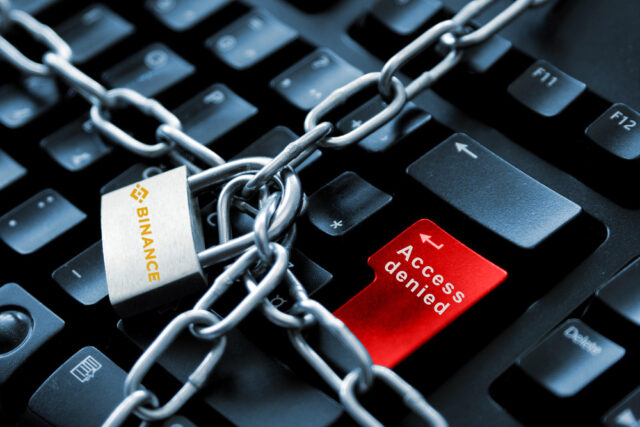
Binance Denies Mass Seizure of Palestinian Crypto Funds, Cites Compliance with Global Regulations

Binance Denies Seizing Palestinian Crypto Funds, Cites Global Compliance

Binance, the world’s leading cryptocurrency exchange, is at the center of a heated controversy following allegations that it froze the cryptocurrency assets of Palestinian users at the request of the Israel Defense Forces (IDF). These accusations, first brought to public attention by Ray Youssef, CEO of the Noones P2P platform, suggest that Binance acted under the direction of Israeli authorities as part of a broader strategy to curb terrorism financing.

The Allegations

Ray Youssef, a prominent figure in the cryptocurrency community and head of the Noones platform, took to social media to accuse Binance of confiscating funds from Palestinian users. According to Youssef, this action was carried out following a directive from Israel’s Ministry of Defense. They leveraged anti-terrorism laws that permit the seizure of assets associated with designated terrorist organizations. Youssef’s claims imply that Binance’s actions were sweeping, affecting all Palestinian users on the platform.

Youssef cited a letter, reportedly from Israel’s National Bureau for Counter-Terror Financing. He claims that Binance used the document to justify the seizures. The letter allegedly stated that any cryptocurrencies transferred by or to a terrorist organization could be considered its property and therefore subject to confiscation under Israeli law.

Binance’s Response

In response to these serious allegations, Binance has firmly denied the claims that it engaged in mass seizures of Palestinian funds. The exchange clarified that only a limited number of accounts, identified as being linked to illicit activities, were affected. A spokesperson for Binance emphasized that these actions were in line with internationally recognized regulations, particularly those aimed at combating money laundering and terrorism financing. Binance underscored its commitment to complying with global legal standards and rejected the notion that it targeted all Palestinian accounts.

Binance also pointed out that its actions are consistent with what any major financial institution would do under similar circumstances. They were adhering to global sanctions and regulations. The company did not, however, provide detailed information on the number of accounts affected. Neither did they specify the criteria used to identify the so-called “illicit activities”.

Broader Implications

This incident has highlighted the complexities and challenges faced by global cryptocurrency exchanges operating in politically sensitive regions. While Binance’s actions may be legally justified under certain regulatory frameworks, they also raise concerns about the transparency and fairness of such measures, especially in conflict zones where access to financial services can be a matter of survival.

Critics argue that the lack of detailed disclosure from Binance only adds to the uncertainty and suspicion surrounding the exchange’s practices. The situation underscores the tension between ensuring compliance with international laws and maintaining trust among users. This is particularly challenging in regions where financial infrastructure is already fragile.

As the debate continues, this controversy serves as a reminder of the significant responsibilities of operating a global cryptocurrency platform. Binance’s swift denial of mass seizures and its emphasis on regulatory compliance reflect its ongoing efforts to navigate the increasingly complex landscape of international finance. However, the incident also highlights the need for greater transparency and clarity in how such decisions are made and communicated. This holds especially true when they affect vulnerable populations in conflict zones.

Binance’s ability to maintain its global user base while adhering to stringent regulations will likely remain a key challenge. This challenge will intensify as the company continues to expand its operations in diverse and often politically sensitive regions.

Readers’ frequently asked questions

How does Binance determine which accounts are linked to illicit activities?

Binance, like other major cryptocurrency exchanges, employs a combination of automated systems and manual reviews to identify accounts linked to illicit activities. These systems can detect suspicious transactions that may indicate money laundering, terrorism financing, or other illegal activities. The exchange uses algorithms to monitor for unusual patterns, such as large transfers from or to accounts previously flagged or associated with high-risk jurisdictions. Additionally, Binance works closely with international regulatory bodies and law enforcement agencies. They adhere to sanctions lists and compliance guidelines set by organizations like the Financial Action Task Force (FATF). If an account is flagged, it undergoes further scrutiny. If illicit activity is confirmed, the account may be frozen or restricted. Despite these precautions, the process has been criticized for lacking transparency. Binance has not disclosed specific details about the criteria used to flag Palestinian accounts in this particular case.

What are the legal justifications for seizing cryptocurrency under anti-terrorism laws?

Anti-terrorism laws in various countries, including Israel, provide governments with the authority to seize assets, including cryptocurrency, if they are believed to be linked to terrorist organizations. In this case, the allegations suggest that Binance acted on a directive from Israel’s National Bureau for Counter-Terror Financing. Under Israeli law, they can classify assets linked to terrorist activities as forfeitable property. By restricting access to financial resources these laws should prevent the financing of terrorism. The justification for such seizures typically hinges on identifying a direct link between the assets and terrorist activities. However, this approach has raised concerns about due process and the potential for overreach. These worries are especially pronounced when entire populations, such as the Palestinians in this instance, are perceived to be broadly affected without clear evidence of individual wrongdoing. The legal framework aims to balance national security interests with the protection of individual rights, but it often leads to debates over fairness and transparency in its application.

Why has Binance not provided more detailed information about the affected accounts?

Binance’s reluctance to disclose specific details about the affected accounts is likely due to a combination of legal obligations, security concerns, and business practices. Firstly, when dealing with sensitive issues like terrorism financing, exchanges like Binance are often bound by non-disclosure agreements with law enforcement agencies or regulatory bodies. This can limit the amount of information they can publicly share. Secondly, providing detailed information could compromise ongoing investigations or reveal the methodologies used to detect illicit activities. Malicious actors could exploit such information. Lastly, from a business perspective, maintaining a certain level of confidentiality can be important to protect user privacy and uphold trust among its global user base. However, this lack of transparency has been a point of criticism. It makes it difficult for the public to fully assess the fairness and scope of the actions taken. Binance has reiterated its commitment to regulatory compliance. Even so, the company’s selective disclosure continues to fuel speculation and concern.

What Is In It For You? Action Items You Might Want to Consider

Reassess Your Exposure to High-Risk Jurisdictions

Given the recent controversy involving Binance and the alleged freezing of accounts linked to Palestinian users, it’s crucial to consider the geopolitical risks associated with holding assets in certain regions. Traders should evaluate their exposure to accounts or transactions linked to jurisdictions that may be subject to heightened scrutiny or regulatory actions. If you’re trading or holding assets in politically sensitive regions, consider diversifying your portfolio. Use multiple platforms to mitigate potential risks.

Increase Your Security Measures

The controversy serves as a reminder of the “not your keys, not your coins” principle. While Binance has denied the mass seizure of funds, the situation underscores the importance of maintaining control over your assets. Consider using hardware wallets or decentralized platforms where you hold your private keys to protect against potential freezes or seizures. Additionally, regularly monitor your accounts for any unusual activity. Be proactive in understanding the security features offered by your exchange.

Stay Informed on Regulatory Compliance

Binance’s actions highlight the importance of understanding the regulatory environment in which your exchange operates. As global regulations around cryptocurrency evolve, ensure that you are aware of the compliance measures and legal obligations of the platforms you use. Regularly check for updates on international sanctions and anti-money laundering policies. These could affect your trading activities, especially in regions with ongoing conflicts or political tensions.

- Advertisement -

FEATURED