Home Blog Page 171

The Man Behind Solana: A Closer Look at Anatoly Yakovenko
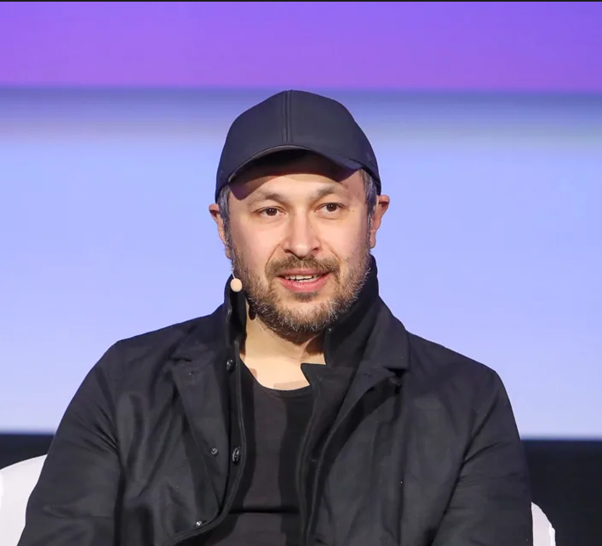
Anatoly Yakovenko, co-founder of Solana

Few names in the blockchain industry stand out as prominently as Anatoly Yakovenko, the Co-founder of Solana. Yakovenko has emerged as a leading figure in the space, challenging established players like Ethereum through his innovative approaches.

Solana is currently the only blockchain platform that uses Proof-of-History (PoH) to validate transactions and is excelling at it. Solana can handle around 50.000 to 65.000 transactions per second, making it one of the fastest blockchain networks available.

Who is Anatoly Yakovenko, and what inspired him to create a blockchain platform that many now consider the future of decentralized technology?

Early Life and Education

Anatoly Yakovenko was born under Soviet rule in modern-day Ukraine. His family moved to the United States when he was 11. By then, Yakovenko had found his passion.

“I wanted to become an engineer and build big, impactful projects,” says Yakovenko.

After high school, Yakovenko joined the University of Illinois Urbana-Champaign, where he earned his Bachelor’s degree in Computer Science.

Career Beginnings

First Steps

In his third year at the University, Yakovenko co-founded his first company, Alescere, a startup focused on Voice over Internet Protocol (VoIP) technology. During his time at Alescere, Yakovenko helped develop SIP and RTP protocol stacks and server components for a VoIP system for small businesses.

Rise to Prominence

After graduating, Yakovenko left Alescere for Qualcomm, a leading global semiconductor and telecommunications company. He worked at Qualcomm for over 12 years, rising through the ranks from Engineer to Senior Staff Engineer Manager.

Yakovenko’s tenure at Qualcomm was marked by significant achievements and innovations, including developing virtual and augmented reality products, 3D cameras, and mobile device operating systems. Yakovenko has also worked as a software engineer at Mesosphere (now D2iQ) and Dropbox. His experiences partly led him to create Solana Labs.

Anatoly Yakovenko is one of the early adopters of Bitcoin and Ethereum. He started investing in the industry in 2013 while still at Qualcomm. After analyzing the space for years, Yakovenko noted that existing technologies do not support mainstream adoption. So, Yakovenko borrowed from his vast background in building cell phone networks to create a platform that brings blockchain to everyone. The result is Solana, an energy efficient, fast, secure, and scalable blockchain network. It uses proof of stake to validate information, hence there’s no mining involved, and proof of history, allowing it to validate even faster.

Key Projects and Initiatives

Anatoly Yakovenko’s career is dotted with significant milestones. He holds several patents for technological innovations, including two patents in lossless data compression using neural networks. In 2023, Defi.io also recognized Yakovenko with the “Crypto Hero Award” for his major contributions to blockchain technology and the development of Solana.

Leadership and Vision

Leadership Style

His success at Qualcomm and Solana can be attributed to his innovative leadership style.

Yakovenko believes in collaboration and the importance of diverse perspectives. He encourages open dialogue and values the input of every team member. Colleagues and employees often describe him as a ‘supportive leader who is not afraid to question existing processes.’

Vision for the Future

Yakovenko envisions Solana as the go-to platform for decentralized applications, potentially supporting over a million transactions per second (TPS). Currently, Solana processes around 50.000 to 65.000 transactions per second, making it the quickest Blockchain platform available to developers for creating scalable applications.

Personal Insights

Personal Life

Despite his high-profile career, Anatoly Yakovenko remains very private, keeping his personal life as discreet as possible. He loves spending his time with his wife and family. Yakovenko is also a world-class underwater hockey player and writer for Medium.

Philanthropy and Values

Yakovenko’s commitment to innovation is matched by his dedication to making a positive impact. He firmly believes in technology’s power to transform society for the better. And his philanthropic efforts reflect this belief, focusing on initiatives that promote education and technology access.

Challenges and Controversies

Obstacles Overcome

Like any pioneer, Yakovenko has faced his share of challenges. The biggest is the service outages.

In late 2021 and early 2022, Solana experienced several outages, which drew criticism with some in the industry questioning Solana’s viability. But Yakovenko did not give up. He persisted, believing in Solana’s goal and the innovative Proof-of-Stake and Proof-of-History mechanisms that underpinned the network.

Lessons Learned

The experiences have taught Yakovenko the importance of perseverance and the need to remain focused on long-term goals, even in the face of short-term setbacks. His resilience is a testament to his unwavering commitment to pushing the boundaries of what blockchain technology can achieve.

Future Plans

Upcoming Projects

As Solana continues to gain traction, Yakovenko’s focus remains on scaling the network and increasing its adoption across various industries. Solana’s Serum DEX, designed for efficient and low-cost trading, has attracted several prominent partnerships, including Bonfida and Raydium. According to Solana’s open-source service, many projects are coming up. The Solana ecosystem currently has over 2,500 developers, more than 50% of whom are senior developers with over three years of experience.

Industry Impact

Anatoly Yakovenko has undeniably made a significant impact on the blockchain industry. He has changed how people think and view decentralized systems by bringing Blockchain to the masses and making it faster, more secure, and scalable. But he is far from done.

As Solana continues to evolve, Yakovenko is committed to making the blockchain universe better. “I want everyone in the world to have equal access to an open, interoperable global network, one that no single person or entity can shut down,” says Yakovenko.


Are you a founder, executive, or operator building in crypto or blockchain?
We regularly profile leaders shaping the industry. Contact us to be featured!


Crypto Wealth Surge: Millionaires Multiply, But Practical Utility Remains Unclear

Crypto Millionaires Surge in 2024, But Utility Still Unclear

2024 marks an extraordinary surge in cryptocurrency wealth. The number of crypto millionaires soared by 95% over the past year. According to reports, there are now approximately 172,300 individuals globally holding more than $1 million in cryptocurrencies, a sharp increase from 88,200 just a year ago. Among them, Bitcoin has played a pivotal role. The number of Bitcoin millionaires alone doubled to 85,400, a 111% increase. However, despite these impressive figures, the broader question of cryptocurrency’s practical utility remains unresolved.

A Market Fueled by Speculation

The rise in the value of Bitcoin and other major cryptocurrencies has largely driven the dramatic increase in crypto wealth. Bitcoin, in particular, saw its price climb by approximately 142% over the last 12 months. It peaked at over $73,000 in March 2024. The long-awaited approval of spot Bitcoin ETFs in the United States bolstered this surge significantly. It attracted a wave of institutional investment, further fueling the market rally.

However, while the financial gains have been substantial, the underlying question persists: to what extent are cryptocurrencies being used for their original intended purpose—as a decentralized form of currency?

The Utility Question

Despite the wealth generated, the adoption of cryptocurrencies as a mainstream payment method remains limited. The market is still predominantly driven by speculative investment rather than practical use in everyday transactions. Critics argue that digital assets like Bitcoin have proven to be valuable stores of wealth, but their volatility and regulatory uncertainties make them less suited for routine payments.

For instance, the introduction of Bitcoin ETFs has indeed brought cryptocurrencies closer to mainstream finance. However, this development has primarily benefited investors and speculators, rather than promoting broader transactional use. Moreover, Bitcoin’s high transaction fees and slower processing times further complicate its use as an everyday currency.

Broader Implications and the Future of Crypto

The rapid growth in crypto wealth has also sparked interest in the geopolitical and socio-economic implications. Wealthy crypto holders increasingly seek residency in jurisdictions with favorable tax and regulatory environments, such as Singapore and Hong Kong, to optimize their wealth management strategies. This trend underscores the growing influence of cryptocurrencies on global wealth distribution and financial mobility.

Yet, as the market continues to expand, so do the challenges. The debate over cryptocurrency’s utility extends to its role in the financial system – will digital assets evolve into a true alternative to traditional currencies, or will they remain primarily speculative instruments? The future of cryptocurrencies hinges on this question. Regulators, investors, and the broader public grapple with the implications of a market that has generated immense wealth but has yet to prove its practicality as a functional currency.

As 2024 unfolds, the cryptocurrency market stands at a crossroads. The surge in crypto millionaires highlights the growing wealth within the space. Still, the lack of widespread adoption as a payment method raises critical questions about the future role of digital assets. Whether cryptocurrencies will transcend their speculative origins to become a viable alternative to fiat currency remains to be seen. The ongoing debate will undoubtedly shape the next phase of this rapidly evolving market.

Readers’ frequently asked questions

What is driving the increase in crypto millionaires?

The surge in cryptocurrency millionaires has been primarily driven by the dramatic rise in Bitcoin’s value, which saw a 142% increase over the past year. This price surge was largely fueled by the approval of Bitcoin spot ETFs in the U.S., which attracted significant institutional investment. As these large investors entered the market, they pushed up prices, leading to a rapid increase in wealth for existing holders. Additionally, the overall market value of cryptocurrencies almost doubled, further contributing to the rise in the number of millionaires in the space.

Why haven’t cryptocurrencies been widely adopted as a payment method?

Cryptocurrencies have struggled to gain traction as a payment method due to several factors. Their inherent volatility makes them unreliable for everyday transactions, as the value can fluctuate widely within short periods. High transaction fees, especially during times of network congestion, and slow processing times also deter their use for regular payments. Moreover, regulatory uncertainties across different regions create a lack of trust and consistency, making businesses and consumers hesitant to adopt cryptocurrencies for daily use.

What could make cryptocurrencies more practical for everyday payments in the future?

To enhance the practicality of cryptocurrencies for everyday payments, several improvements are needed. Technological advancements like the Lightning Network aim to reduce transaction fees and processing times, making cryptocurrencies more user-friendly. Clearer and more consistent regulatory frameworks across different regions could also boost confidence among businesses and consumers, encouraging wider adoption. Additionally, greater integration of cryptocurrencies into the traditional financial system, along with increased education about their benefits and risks, could help transition them from speculative assets to functional currencies.

What Is In It For You? Action Items You Might Want to Consider

Capitalize on Volatility with Strategic Entry and Exit Points

The cryptocurrency market’s inherent volatility presents both risks and opportunities. Given the recent surge in crypto wealth, consider using advanced trading strategies like dollar-cost averaging or setting stop-loss orders to optimize your entry and exit points. This approach can help you capture gains while minimizing losses during periods of significant price swings.

Explore Emerging Crypto Payment Solutions

While widespread adoption of cryptocurrencies as a payment method is still limited, innovations like the Lightning Network and Layer 2 solutions are making it more feasible. Investigate and experiment with these emerging technologies, which could become game-changers in the market. Early adoption of such tools might not only improve your trading efficiency but also position you ahead of the curve as crypto payments potentially gain traction.

Leverage Geo-Relocation for Tax Efficiency

With an increasing number of crypto millionaires seeking residency in tax-friendly jurisdictions, you might explore geo-relocation options to optimize your tax situation. Countries like Singapore and Portugal offer favorable tax conditions for crypto traders. Consider whether relocating or establishing residency in such jurisdictions aligns with your financial strategy, especially as your crypto portfolio grows. This move could significantly enhance your long-term profitability and wealth preservation.

Can ‘The DeFiant Ones’ Deliver on Its Promise to Democratize Finance?

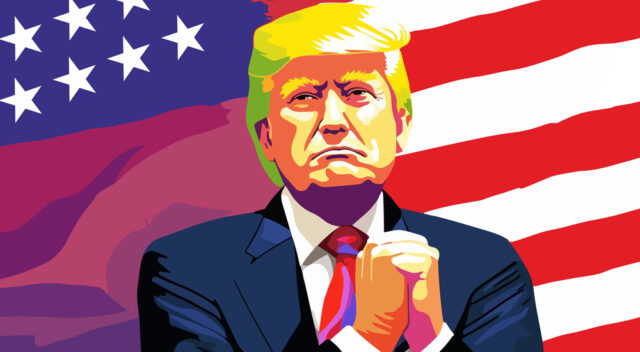
The DeFiant Ones" Disrupt Finance? Trump's DeFi Gamble Explained

Donald Trump’s latest venture, “The DeFiant Ones,” marks his entry into the world of decentralized finance (DeFi). It promises to revolutionize the financial landscape by providing services to those who have traditionally been underserved by mainstream banking systems. Spearheaded by his sons, Eric and Donald Jr., they market the platform as a disruptor to Wall Street’s entrenched influence over American finance. However, the question remains: Can this initiative live up to its ambitious promises? Or, will it falter amid the volatility of the cryptocurrency market and Trump’s own controversial history with digital assets?

A Bold Vision for DeFi

“The DeFiant Ones” represents a significant pivot for Donald Trump, who once derided cryptocurrencies as a “scam” during his presidency. Now, as he prepares for another run at the White House, Trump has positioned himself as a proponent of decentralized finance – a sector he believes can democratize access to financial services. The platform aims to leverage blockchain technology to bypass traditional financial intermediaries. This approach gives users more direct and potentially more equitable access to financial products such as loans, savings accounts, and investments.

https://twitter.com/EricTrump/status/1828933866662572229

The Trump family has emphasized that this platform is not another fleeting memecoin project. It is a serious attempt to disrupt the status quo in finance. Eric Trump has described the project as “digital real estate,” a form of collateral accessible to anyone. It could help democratize the financial system by making it easier for people to secure financing without relying on traditional banks.

The Challenges Ahead

Despite the grand vision, several challenges lie ahead for “The DeFiant Ones.” First and foremost is the inherent volatility of the cryptocurrency market. The value of digital assets can fluctuate wildly. That poses a significant risk for a platform aiming to serve as a stable and reliable financial service provider. Additionally, the DeFi sector itself is still in its nascent stages. Many regulatory and security concerns are yet to be fully addressed. While decentralized finance offers innovation potential, it also opens the door to new forms of financial risk. That includes smart contract vulnerabilities and the lack of consumer protections offered by traditional banking systems.

Moreover, the Trump family’s past ventures into the digital asset space have been met with mixed reactions. Donald Trump has successfully launched several NFT collections and has become more involved in the crypto community. However, there are lingering concerns about the long-term viability of his projects. Critics argue that Trump’s pivot to crypto might be more about aligning with the populist and anti-establishment sentiments of his base rather than a genuine belief in the technology’s potential.

Implications for the Broader DeFi Landscape

If successful, “The DeFiant Ones” could have significant implications for the broader DeFi landscape. By attracting mainstream attention to decentralized finance, the platform could help legitimize the sector and encourage more widespread adoption of blockchain-based financial services. This, in turn, could spur further innovation and competition in the space, driving down costs and improving access to financial products for consumers globally.

However, success is far from guaranteed. The platform’s ability to deliver on its promises will depend heavily on its execution and how well it can navigate the complex regulatory environment surrounding cryptocurrencies and DeFi. The Trump family will need to convince regulators and users that their platform is safe and reliable. They must also demonstrate that it is genuinely capable of providing the financial freedom and inclusivity that it promises.

Donald Trump’s foray into decentralized finance with “The DeFiant Ones” is a bold move. It could potentially reshape the financial landscape if it lives up to its ambitions. However, the path to success is fraught with challenges, from market volatility to regulatory scrutiny. As the platform gears up for launch, all eyes will be on how it addresses these challenges and whether it can truly deliver on its promise to democratize finance for all.

Readers’ frequently asked questions

What exactly is “The DeFiant Ones” platform, and how does it work?

“The DeFiant Ones” is a decentralized finance (DeFi) platform launched by Donald Trump, with significant involvement from his sons, Eric and Donald Jr. The platform aims to provide financial services typically offered by traditional banks, such as loans, savings, and investments, but in a decentralized manner. Instead of relying on intermediaries like banks, “The DeFiant Ones” uses blockchain technology to enable direct peer-to-peer transactions. The platform is marketed as “digital real estate,” implying that users can leverage blockchain-based assets as collateral to access financial services. This is seen as a way to democratize finance by making these services more accessible to those who are underserved by traditional banks​.

What are the potential risks associated with using a platform like “The DeFiant Ones”?

While “The DeFiant Ones” promises to democratize access to financial services, there are several risks associated with using a DeFi platform. First, the volatility of the cryptocurrency market can lead to significant fluctuations in the value of assets held or used on the platform. That could affect users’ financial stability. Additionally, the DeFi sector is still evolving. Issues such as smart contract vulnerabilities, lack of consumer protection, and regulatory uncertainty could pose challenges. Users should also be aware that DeFi platforms, while innovative, are often less regulated than traditional financial institutions. This means there may be fewer safeguards in place to protect against fraud or other forms of financial misconduct​.

How does Trump’s involvement in the cryptocurrency space affect the credibility and potential success of “The DeFiant Ones”?

Donald Trump’s involvement in the cryptocurrency space is a double-edged sword. On one hand, his high-profile status and large following could bring significant attention and legitimacy to “The DeFiant Ones,” potentially driving widespread adoption of the platform. His pivot to embracing digital assets, after previously criticizing them, indicates a strategic shift that aligns with current trends in financial technology. However, Trump’s past ventures, including those in the digital asset space, have been met with mixed success. Thus, his controversial reputation may lead some to view this platform with skepticism. The success of “The DeFiant Ones” will depend on its ability to deliver on its promises and navigate the complexities of the DeFi landscape, beyond just leveraging Trump’s brand​.

What Is In It For You? Action Items You Might Want to Consider

Dive into the Pre-Launch Hype and Speculate Smartly

Don’t just watch from the sidelines—consider taking advantage of the pre-launch buzz surrounding “The DeFiant Ones.” If you have a high-risk tolerance, explore opportunities to invest in early tokens or assets linked to the platform before the official launch. The hype alone could create a short-term spike in value, presenting a window for quick gains. But be strategic: closely follow insider news and community sentiment to time your entry and exit points.

Leverage Potential Market Shocks for Arbitrage Opportunities

Given Trump’s controversial profile, any public statement or regulatory pushback could cause sudden market movements. Prepare to capitalize on these shocks by setting up automated trading bots or alerts to spot arbitrage opportunities across different exchanges. Quick reactions to Trump’s announcements or any legal challenges could allow you to profit from price discrepancies in real time.

Engage Directly with the DeFi Community for Insider Insights

Don’t underestimate the power of being part of the right circles. Join Telegram groups, Discord channels, or any official communities related to “The DeFiant Ones.” Engaging directly with early adopters and insiders could give you a competitive edge. It may offer you insights not yet reflected in the broader market. Being an active participant could also give you a first-mover advantage on any airdrops, beta-testing opportunities, or exclusive early deals.

Crypto Community Rallies: TON Developers and Investors Mobilize as Pavel Durov Faces Legal Battle

Crypto community rallies as Pavel Durov's arrest impacts TON; developers and investors launch initiatives to support the embattled Telegram CEO.

Community resilience is often tested by unforeseen challenges in this rapidly evolving world of cryptocurrencies. This resilience is on full display following the recent arrest of Pavel Durov. The visionary CEO of Telegram was detained in France under judicial proceedings. The news sent shockwaves through the crypto market, leading to a steep decline in the value of Toncoin (TON). The native cryptocurrency of The Open Network (TON) has strong ties to Telegram. Despite this initial setback, the cryptocurrency community quickly mobilized. They launched a series of decentralized initiatives to advocate for Durov’s release, demonstrating the strength of the decentralized movement.

The Market Reaction: Toncoin’s Decline

The immediate aftermath of Durov’s arrest saw a significant sell-off in Toncoin. Its value plummeted by as much as 20%, erasing approximately $2.7 billion from its market capitalization. This drop highlighted the market’s concerns about the potential long-term impact on Telegram and its associated blockchain projects, especially given Durov’s pivotal role in both. However, the community met this financial downturn with a strong, coordinated response. It signaled that the fight for decentralization and the values that underpin it would not be easily thwarted.

Grassroots Mobilization: The #FreePavel DAO

One of the most notable responses to Durov’s arrest has been the formation of a Decentralized Autonomous Organization (DAO) under the banner #FreePavel. The initiative is spearheaded by prominent figures in the crypto space. It aims to fund and coordinate legal efforts to secure Durov’s release. The DAO has quickly gained traction, with substantial pledges of support from influential community members. TRON founder Justin Sun donated $1 million, contingent on the DAO’s adherence to decentralized principles and strong community backing.

Symbolic Acts of Resistance: The “Resistance Dog” Memecoin

In addition to financial and legal support, the TON community has embraced symbolic acts of resistance to rally support. The “Resistance Dog” meme-coin became a symbol of the movement and its value surged by over 140% as it was adopted across TON’s community channels. This digital avatar represents the broader fight against censorship and the protection of decentralized platforms like Telegram. The widespread adoption of this symbol underscores the deep connection between the community’s values and their support for Durov.

Broader Implications: A Fight for Decentralization

Durov’s arrest has not only sparked a financial and symbolic response. It also reignited the debate over the role of decentralization in protecting free speech and privacy in the digital age. Prominent voices, including Edward Snowden and Elon Musk, have condemned the arrest as an attack on these core principles. They argued that it sets a dangerous precedent for the regulation of decentralized technologies.

The response from the TON community and the broader crypto world highlights a critical aspect of the decentralized movement: its ability to quickly mobilize and adapt when challenges arise. The creation of the #FreePavel DAO and the adoption of the “Resistance Dog” meme-coin are more than just reactions to a crisis; they are statements of intent. They signal that the fight for decentralization, privacy, and free speech will continue, regardless of the legal and political hurdles that may arise.

As the situation unfolds, the resilience and unity of the cryptocurrency community will likely play a pivotal role in shaping the future of decentralized technologies and the values they champion.

Readers’ frequently asked questions

What led to Pavel Durov’s arrest, and is it connected to his activities with Telegram or Toncoin (TON)?

Pavel Durov’s arrest in France is a complex issue. According to statements from French authorities it is rooted in legal rather than political grounds. While they did not fully disclose specific details of the charges, they indicated that the arrest pertains to alleged violations of local laws by Durov and his company. This has led to a significant debate within the tech and crypto communities. Some view the arrest as an overreach that could stifle free speech. Others see it as necessary enforcement of legal standards that apply to all digital platforms, including Telegram. There has been no direct evidence to suggest that the arrest is specifically related to Toncoin or its operations. However, given Pavel Durov’s integral role in the Telegram and the TON project, his detention has naturally raised concerns about the future of these ventures.

How has the broader cryptocurrency market reacted to the arrest of Pavel Durov, beyond TON?

Beyond the sharp decline in Toncoin’s value, the broader cryptocurrency market has also felt the ripple effects of Durov’s arrest, albeit to a lesser extent. Various altcoins associated with Telegram, such as ChainGPT and Gamee, have experienced notable losses, reflecting the market’s uncertainty about the potential fallout. However, the overall crypto market has remained relatively stable, with Bitcoin and other major cryptocurrencies showing limited reaction. The specific impact has been more pronounced among tokens directly tied to Telegram and its ecosystem. Investors reassess the risks associated with the potential legal challenges facing the platform​.

What are the potential long-term implications for Telegram and the TON ecosystem if Durov’s legal situation remains unresolved?

If Durov’s legal situation remains unresolved or escalates, it could have significant long-term implications for both Telegram and the TON ecosystem. For Telegram, ongoing legal challenges could lead to increased scrutiny from other governments, potentially resulting in stricter regulations or limitations on its operations in various countries. This could undermine user confidence in the platform, especially concerning its commitment to privacy and free speech. For the TON ecosystem, a prolonged absence of Pavel Durov could slow down the development and adoption of Toncoin and related blockchain projects. The uncertainty might deter new investors and developers from engaging with the platform, thereby stalling its growth. However, the strong community response and the decentralized nature of TON could mitigate some of these risks by ensuring that the project continues to evolve, even in Durov’s absence.

What Is In It For You? Action Items You Might Want to Consider

Consider Rebalancing Your Portfolio

Given the sharp decline in Toncoin’s value following the arrest of Pavel Durov, it might be wise to reassess your exposure to TON and other Telegram-linked cryptocurrencies. If you hold a significant amount of TON, consider diversifying your assets into more stable cryptocurrencies or blockchain projects with less immediate legal uncertainty. While the community’s response has been strong, the potential long-term impact of Durov’s legal challenges could introduce further volatility.

Monitor Developments Closely

Stay updated on the legal situation surrounding Pavel Durov and any official statements from Telegram or the TON community. The outcome of this case could significantly impact the future of Toncoin and related projects. If the legal situation worsens, it could lead to further market declines, but if resolved favorably, it could present a buying opportunity. Use reliable news sources and community channels to keep track of real-time updates.

Engage with the Community Initiatives

If you believe in the long-term potential of TON and the principles of decentralization it represents, consider supporting or engaging with initiatives like the #FreePavel DAO. Participation in these community-led efforts not only supports the movement but can also provide insights into the sentiment and direction of the TON ecosystem. This engagement could offer strategic advantages, such as early access to information and community-driven opportunities, as the situation evolves.

Russia’s Crypto Gambit: State-Backed Exchanges to Challenge Sanctions and Dollar Dominance

Russia launches state-backed crypto exchanges to counter sanctions, challenge Dollar

In a bold move to counteract the impact of Western sanctions, Russia is launching two state-run cryptocurrency exchanges in Moscow and St. Petersburg. These platforms aim to facilitate international trade, particularly with BRICS nations, by offering an alternative to the U.S. dollar-dominated financial system. With these crypto exchanges, Russia hopes to circumvent the crippling effects of economic isolation and establish a new, independent financial framework that could reshape global financial dynamics.

A Strategic Shift in Response to Sanctions

The impetus behind Russia’s crypto exchange initiative is clear: Western sanctions have significantly disrupted the nation’s ability to conduct international trade using traditional financial systems. The sanctions, particularly those imposed by the United States and its allies, have isolated Russia from key global financial networks, including the SWIFT international banking system. This isolation has made it increasingly difficult for Russian companies to process payments for exports and imports. These circumstances drive the need for alternative solutions such as state-backed crypto exchanges.

In response, Russia has chosen to leverage blockchain technology and cryptocurrency to bypass these restrictions. The planned crypto exchanges in Moscow and St. Petersburg will operate under the strict oversight of the Central Bank of Russia. They will utilize the existing National Payment Card System (NPCS) to facilitate the conversion of rubles into digital currencies. Established in 2014, this system already plays a critical role in Russia’s domestic financial infrastructure. It manages the Mir payment card and interbank settlements.

Geopolitical Implications and BRICS Alignment

Russia’s cryptocurrency initiative is not just a response to sanctions; it is also a strategic maneuver aimed at challenging the global dominance of the U.S. dollar. By creating a parallel financial system that operates independently of Western-controlled networks, Russia aligns itself with BRICS nations – Brazil, Russia, India, China, and South Africa – in their broader effort to reduce reliance on the dollar in international trade.

This move could have significant geopolitical implications. If successful, it could encourage other nations facing similar economic pressures to adopt similar strategies, potentially leading to a more fragmented global financial system. The BRICS nations have long wanted to develop alternative finance systems, not subject to Western influence. Russia’s state-backed crypto exchanges could be a critical step in that direction.

Challenges and Uncertainties

Despite its ambitious goals, Russia’s crypto exchange gambit is not without challenges. Integrating cryptocurrency into a highly regulated global financial system involves legal and logistical hurdles. The Russian government has historically been wary of digital currencies. Regulatory bodies frequently debate the legality and potential risks associated with their use. While recent legislative changes have paved the way for this initiative, significant questions remain. How will these exchanges operate within the broader international regulatory framework?

Moreover, the success of these Russian crypto exchanges will largely depend on their ability to gain the trust and participation of international trading partners. The use of cryptocurrency in international trade is still a relatively untested concept on this scale. The potential for volatility and security risks could deter some nations from fully embracing the system. Additionally, the effectiveness of these exchanges in truly circumventing sanctions remains to be seen. Western powers may respond with further economic countermeasures.

A Potential Shift in Global Power Dynamics

Russia’s move to establish state-backed crypto exchanges represents a significant shift in its economic strategy. It could alter global power dynamics. By creating an alternative financial system, Russia’s crypto exchange initiative is not only seeking to mitigate the impact of sanctions but also to challenge the dominance of the U.S. dollar in international trade. If successful, this initiative may pave the way for other nations to follow suit, leading to a more multipolar global financial system.

As the world watches these developments unfold, the long-term implications of Russia’s crypto exchange strategy will likely be felt far beyond its borders. Whether this gamble will pay off remains uncertain, but it undoubtedly marks a new chapter in the ongoing evolution of global finance.

Readers’ frequently asked questions

What impact could Russia’s state-backed crypto exchanges have on the global financial system?

Russia’s move to establish state-backed cryptocurrency exchanges could have significant implications for the global financial system. By providing an alternative to the U.S. dollar-dominated system, these exchanges could weaken the dollar’s dominance in international trade, particularly among BRICS nations. If other countries facing similar economic pressures or sanctions follow Russia’s lead, it could lead to a more multipolar financial landscape. This shift could reduce the influence of Western financial institutions and potentially destabilize the current global economic order, as countries create parallel systems that bypass traditional financial networks like SWIFT. However, the success of this initiative largely depends on whether these exchanges can gain international trust and effectively manage the inherent risks of cryptocurrency transactions.

How might Western nations respond to Russia’s cryptocurrency strategy?

Western nations, particularly the United States and its allies, may respond to Russia’s cryptocurrency strategy with additional economic sanctions or by tightening existing regulations on digital currencies. They could target entities that engage with Russia’s state-backed crypto exchanges. That would make it difficult for these platforms to gain traction in the global market. There is also the possibility of enhanced scrutiny on cryptocurrency exchanges worldwide, as Western countries might seek to prevent the use of digital currencies to bypass sanctions. Additionally, Western financial institutions might accelerate their own adoption of blockchain technology and digital currencies to maintain their competitive edge and influence in global finance.

What challenges could Russia face in successfully implementing these crypto exchanges?

Russia could face several significant challenges in implementing its state-backed crypto exchanges. Firstly, there are legal and regulatory hurdles, both domestically and internationally. While Russia has recently passed legislation to support this initiative, integrating cryptocurrency into the global financial system is complex. It’s fraught with potential conflicts, especially with countries with stricter regulations on digital assets. Secondly, the volatility and security risks associated with cryptocurrencies could deter potential international partners from using these exchanges. Lastly, gaining the trust of global trading partners will be crucial, but challenging, given the relatively untested nature of cryptocurrency for large-scale international trade and the political risks involved. If these challenges are not effectively managed, Russia’s crypto exchanges may struggle to achieve their intended impact on global trade.

What Is In It For You? Action Items You Might Want to Consider

Capitalize on BRICS-Related Cryptocurrencies

As Russia’s state-backed exchanges aim to foster trade with BRICS nations, cryptocurrencies that are popular or increasingly adopted within these countries might see a spike in demand. Consider exploring digital currencies like Ripple (XRP) or other tokens being tested in cross-border transactions within this bloc. Position yourself early in these assets to potentially ride the wave of increased utilization in international trade.

Prepare for Increased Market Complexity with Advanced Trading Tools

As Russia’s crypto exchanges come online, the global crypto market could experience heightened complexity due to the influx of new participants and the introduction of different regulatory environments. Upgrade your trading toolkit by incorporating advanced analytics, bots, and AI-driven decision-making tools that can process large amounts of data across multiple exchanges quickly. This will help you navigate the potential volatility and capitalize on emerging trends before the broader market catches on.

Experiment with Arbitrage Opportunities

As Russia introduces new crypto exchanges, there may be price discrepancies between these new platforms and established global exchanges. Look out for arbitrage opportunities, where you can buy low on one exchange and sell high on another, taking advantage of the initial volatility and differing liquidity levels in these emerging markets.

- Advertisement -

FEATURED