Home Blog Page 212

Landmark SEC Victory: Cryptocurrency Regulators Win

In a significant development for the cryptocurrency landscape, a U.S. federal judge, Jed Saul Rakoff, has ruled in favor of the Securities and Exchange Commission (SEC), reshaping the regulatory landscape for Terraform Labs and its founder, Do Kwon.

Understanding the Ruling

The ruling, issued on December 28, 2023, asserts that Terraform Labs violated U.S. securities laws by failing to register two digital currencies, LUNA and UST, as securities. This decision aligns with the SEC’s broader effort to assert regulatory control over certain cryptocurrencies, marking a milestone in their pursuit of maintaining oversight in the ever-evolving crypto sphere.

Cryptocurrency Regulators Prevail

The court’s decision underscores the SEC’s stance on the classification of cryptocurrencies as securities, strengthening their position as cryptocurrency regulators. The ruling establishes a precedent, emphasizing the need for adherence to regulatory frameworks within the cryptocurrency industry.

Key Highlights of the Case

The SEC had accused Terraform Labs and Do Kwon of orchestrating a multi-billion-dollar fraud through the sale of unregistered securities. The judge’s ruling supports the SEC’s claims that Terraform Labs violated Sections 5(a) and 5(c) of the U.S. Securities Act, emphasizing that UST, LUNA, wLUNA, and MIR are indeed investment contracts.

The Jury Trial Ahead

While the court granted the SEC a victory on the unregistered securities claim, the judge denied the requested summary judgment on fraud allegations from both parties. This sets the stage for a jury trial scheduled to commence on January 29, 2024. The trial will delve into the SEC’s allegations of a fraudulent cryptocurrency scheme that erased over $40 billion in market value in 2022.

Global Impact and Regulatory Scrutiny

This ruling extends beyond the Terraform Labs case, sending ripples across the global cryptocurrency landscape. Cryptocurrency regulators worldwide are expected to closely monitor the trial’s outcome as it could set crucial precedents for the industry.

Implications for Terraform Labs and Do Kwon

The ruling poses challenges for Terraform Labs and its founder, Do Kwon, who faces investigations in multiple jurisdictions, including the United States, South Korea, and Singapore. The outcome of the trial could significantly impact Kwon’s legal standing and the future of Terraform Labs.

As cryptocurrency regulators secure a win in this landmark case, the crypto community awaits the jury trial’s outcome. The decision not only influences the fate of Terraform Labs but also shapes the regulatory environment for cryptocurrencies globally. The ruling reinforces the need for transparency and compliance within the crypto space, setting the stage for potential shifts in industry practices and regulations.

Related Article: Crypto Community Increasingly Wary Over SEC Crypto Regulation

Security Breach at Catalyx: Inside Job by Crypto Hackers?

In a startling turn of events, Canadian cryptocurrency exchange Catalyx has hit the headlines after temporarily suspending all trading, withdrawals, and deposits. The company cited a security breach resulting in the loss of crypto assets held on behalf of its clients. As the industry grapples with yet another security incident, suspicions are growing regarding the involvement of an insider.

The Security Breach Unveiled

CatalX CTS Ltd., the operator of Catalyx, divulged that the security incident, discovered recently, has prompted a comprehensive investigation. The exact amount of losses incurred remains undisclosed, heightening concerns about the potential impact on users’ assets. The company acknowledged the possibility of an inside job, hinting at the involvement of an employee in the breach.

Regulatory Intervention and Cease Trade Order

Adding to Catalyx’s challenges, the Alberta Securities Commission issued a cease trade order against the exchange and its co-founder, Jae Ho Lee, on December 21. This regulatory move compels a 15-day pause to trading and purchasing of any securities or derivatives by the respondents, set to expire on January 5, 2024. The cease trade order aligns with the ongoing investigations into the security breach.

Catalyx Collaborates with Deloitte for Investigation

In response to the security breach, Catalyx has engaged Deloitte LLP, a global financial auditing firm, to provide forensic and investigative services. The collaboration aims to uncover the details surrounding the incident and assess the extent of the losses. Deloitte’s involvement signifies a commitment to transparency and a thorough examination of the breach.

Crypto Industry’s Struggle with Security

This unfortunate event adds to the growing list of security breaches and challenges faced by the cryptocurrency industry in 2023. Insider breaches, like the one suspected at Catalyx, have become a recurring theme, emphasizing the need for robust security measures and regulatory oversight. As the investigation unfolds, the industry awaits updates on the scope of the breach and measures to prevent future incidents.

As Catalyx grapples with the aftermath of the security breach, the crypto community is reminded once again of the importance of vigilance and security in the digital asset space. The suspected insider involvement raises questions about internal controls and highlights the ongoing need for industry-wide improvements in safeguarding user funds. The coming days will likely provide more clarity on the incident and its implications for Catalyx and the broader cryptocurrency ecosystem. Stay tuned for updates on this developing story.

Privacy Coins Axed: OKX Announces Delisting Move

In a strategic move reflecting the evolving nature of the cryptocurrency market, major exchange OKX has announced the delisting of privacy-focused coins, including Monero (XMR), Zcash (ZEC), and Dash (DASH). This decision has sparked discussions within the industry, prompting speculation about whether it is a proactive measure anticipating regulatory changes or a move to align with evolving industry standards. As the crypto market navigates this significant development, OKX’s decision stands as a noteworthy indication of the ongoing transformations within the digital asset landscape.

The Delisting Decision

Cryptocurrency exchange OKX, facilitating a substantial $3 billion in daily trades, declared the removal of 20 spot trading pairs, with a notable emphasis on privacy tokens. The exchange attributed the decision to user feedback and the necessity to uphold listing criteria, leaving room for interpretation about the underlying motivations. Privacy coins, designed to offer enhanced anonymity, have increasingly faced scrutiny, raising questions about their alignment with industry standards.

OKX’s Stance and User Impact

OKX’s official statement underscores the exchange’s commitment to maintaining a robust trading environment, guided by user feedback and internal guidelines. The absence of explicit mentions of regulatory concerns leaves the door open for speculation about whether this move is anticipatory in nature. As users face the suspension of deposits for certain privacy-related coins and a deadline of March 5, 2024, for withdrawals, attention is drawn to the potential impact on investors and the broader cryptocurrency community.

Industry Dynamics and Exchanges’ Choices

This decision echoes a broader trend within the crypto industry, where exchanges grapple with the delicate balance between user privacy and adapting to industry dynamics. Exchanges like Binance and Huobi have previously navigated similar decisions, reflecting the industry’s ongoing evolution. The nuanced interplay between safeguarding user privacy rights and addressing potential regulatory developments continues to shape the strategies of cryptocurrency exchanges.

Looking Ahead

As OKX joins the ranks of exchanges adapting to changes within the cryptocurrency landscape, the industry faces a pivotal moment. The decision to delist privacy coins raises important questions about the industry’s trajectory and the evolving dynamics of digital asset trading. With March 5, 2024, marked as the deadline for users to withdraw affected assets, the urgency for investors to reassess their portfolios is heightened, emphasizing the need for vigilance in an ever-changing crypto environment.

OKX’s decision to delist privacy coins adds a layer of complexity to the ongoing narrative of the cryptocurrency market. Whether this move is a proactive response to potential regulatory shifts or a strategic alignment with industry standards remains an open question. Investors and industry observers are encouraged to closely monitor further developments, recognizing the impact of such decisions on the broader cryptocurrency landscape.

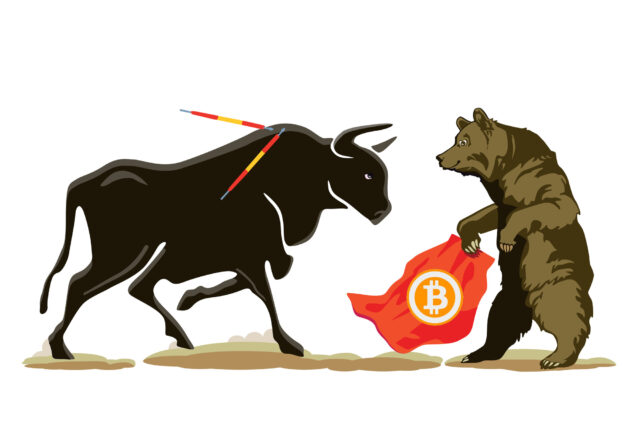
Bitcoin’s Fate: Bull Run On or Off?

In the ever-evolving landscape of cryptocurrencies, all eyes are on the potential hurdles that may impact the much-anticipated Bitcoin bull run. Recent developments, including the looming approval of a spot Bitcoin ETF, have sparked debates among enthusiasts and experts alike. Let’s delve into the nuances to understand whether the bullish momentum is set to continue or if a deviation is on the horizon.

Unraveling the “Sell the News” Conundrum

As the crypto community buzzes with optimism surrounding the potential approval of a spot Bitcoin ETF, a shadow of caution looms. Analysts suggest that this awaited event might trigger a classic “sell the news” scenario, causing a correction in Bitcoin prices. Data from CryptoQuant reveals that short-term holders are currently sitting on a 30% unrealized profit margin, historically a precursor to market corrections. In a market where sentiment often dictates trends, understanding the dynamics of this potential sell-off becomes crucial.

Factors Influencing Market Sentiment

The approval of a spot Bitcoin ETF is undeniably a pivotal event, but various factors contribute to the prevailing market sentiment. The Crypto Fear and Greed Index, standing at 73, reflects a noteworthy level of “greed” among investors. This sentiment, coupled with year-to-date gains exceeding 155%, paints a picture of an enthusiastic market. However, as historical patterns remind us, an excess of optimism can precede significant market corrections.

Bitcoin Whales and Institutional Players

Examining the behavior of significant Bitcoin stakeholders adds another layer to the narrative. Glassnode’s data reveals an accumulation trend among larger whale entities, holders of at least 1,000 BTC. Meanwhile, institutions like MicroStrategy continue to bolster their Bitcoin holdings. This accumulation, historically linked to market peaks, implies that the crypto market might still be gearing up for a substantial move.

https://twitter.com/cryptoquant_com/status/1740299649540669854

The Halving and Historical Cycles

Bitcoin’s historical cycles, often aligned with the supply reward halving, suggest a potential bullish cycle. Analysts draw parallels with previous market trends, predicting that the upcoming halving event in spring 2024 could be a catalyst for an extended bull run. However, the debate on whether historical patterns will hold in the face of evolving market dynamics adds an element of uncertainty.

In the midst of these intricate market dynamics, the question remains: Is the Bitcoin bull run truly at risk of being canceled? As the crypto world eagerly anticipates the verdict on the spot Bitcoin ETF and considers the impact of historical cycles, it’s essential for investors to approach the market with a discerning eye. Whether the bull run faces a temporary halt or emerges stronger post-correction, only time will unveil the true trajectory of Bitcoin in the coming months.

Cracking the Whip: India’s Bold Move in Crypto Regulation

In a paradigm-shifting development, India’s Financial Intelligence Unit (FIU) escalated its crackdown on cryptocurrency exchanges, issuing compliance notices to nine prominent offshore platforms. The likes of Binance, KuCoin, Huobi, Kraken, and others fell under the regulatory lens for alleged violations of the Prevention of Money Laundering Act (PMLA) of 2002. This aggressive move reflects India’s commitment to stringent crypto regulation, ushering in a pivotal era for the digital asset landscape.

Understanding the Regulatory Landscape

The FIU’s stringent action stems from concerns about these offshore Virtual Digital Assets (VDA) service providers operating in India without adhering to the AML-CFT framework. This March, the entities in question were brought under the regulatory ambit, mandating compliance with specific obligations, including registration with the FIU as Reporting Entities. The crackdown underscores the government’s resolve to curb money laundering activities and counter financing terrorism within the crypto space.

Entities in the Crosshairs

The targeted crypto exchanges, including Binance, KuCoin, Huobi, Kraken, and others, have been issued show cause notices under Section 13 of the PMLA. This section empowers authorities to take action against entities failing to comply with Section 12, dealing with intentional undervaluation of transactions and non-disclosure of related documents. The FIU explicitly requested the Ministry of Electronics and Information Technology to block the URLs of these entities, signaling a forceful stance against non-compliance.

https://twitter.com/pushpendrakum/status/1740521031583117676

Global Ripple Effects

The ripple effects of India’s regulatory actions extend beyond its borders, impacting major players in the global crypto sphere. Binance, the world’s largest cryptocurrency exchange, finds itself entangled in legal proceedings, with a recent US court order demanding a substantial monetary settlement. This development underscores the interconnected nature of the crypto market and the far-reaching consequences of regulatory interventions.

Looking Ahead: The Roadmap for Crypto Regulation

India’s crackdown on crypto exchanges is not an isolated event. It is part of a broader initiative to establish a comprehensive regulatory framework. The country is actively working on a regulatory blueprint, scheduled for release in 2024. This framework, based on joint recommendations from international bodies, is expected to introduce advanced KYC rules, real-time proof-of-reserve audits, and a uniform tax policy for crypto companies. Additionally, it aims to bring crypto exchanges under the same status as authorized dealers, aligning with the guidelines of the Reserve Bank of India.

As India intensifies its efforts to regulate the crypto landscape, the impact is resonating globally. The crackdown on offshore exchanges signals a pivotal moment in the evolution of crypto regulation. The industry awaits the unveiling of India’s comprehensive regulatory framework in 2024, anticipating a significant paradigm shift that could influence crypto landscapes worldwide. Stay tuned for further developments as India navigates the intricate intersection of innovation and regulatory oversight.

- Advertisement -

FEATURED