Home Blog Page 211

Spot Bitcoin ETFs Approved

In a groundbreaking development with far-reaching consequences for the digital asset landscape, the U.S. Securities and Exchange Commission (SEC) has given the green light to a series of approved spot Bitcoin exchange-traded funds (ETFs). This decision is a pivotal moment that signals a significant shift in the relationship between traditional finance and the dynamic realm of cryptocurrency investments.

Deciphering Spot Bitcoin ETFs

Spot Bitcoin ETFs stand out as investment products that directly hold physical Bitcoin, as opposed to dealing with futures contracts linked to the cryptocurrency. This distinction is crucial, eliminating the complexities of navigating futures markets and derivatives contracts for investors. Spot ETFs offer a straightforward path to exposure to Bitcoin’s price movements.

Major Players Secure Approval

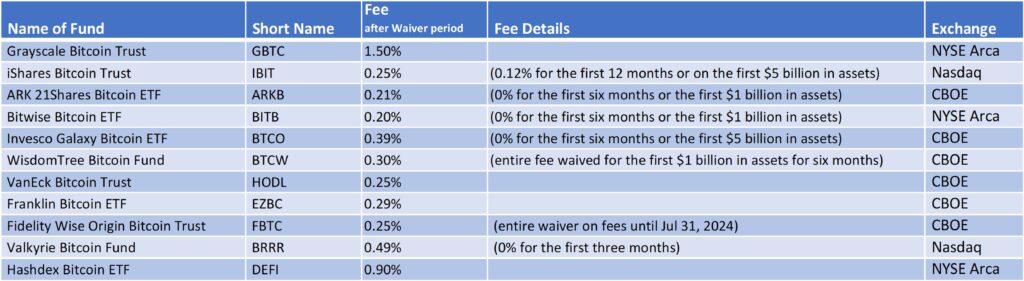
Among the dozen companies receiving approval for their spot Bitcoin ETFs are financial powerhouses like BlackRock, Fidelity, and Invesco. Their participation not only adds credibility to the cryptocurrency market but also indicates a broader acceptance of digital assets within the mainstream financial sector.
Enhanced Accessibility for Investors

The approval of spot Bitcoin ETFs is a significant win for both institutional and retail investors, providing a more accessible entry point into the cryptocurrency market. These ETFs effectively remove the traditional barriers associated with purchasing and storing Bitcoin directly, such as managing private keys and navigating crypto exchanges.

Fee Wars and Liquidity Dynamics

As the approved ETFs prepare to hit the market, fierce competition for investor attention is expected. Fee structures have already become a battleground, with major issuers like BlackRock and Ark/21Shares announcing fee reductions to attract investors. Additionally, liquidity will play a crucial role, especially for short-term speculators looking to capitalize on price movements.

Regulatory Evolution and SEC’s Caution

The SEC’s green light for spot Bitcoin ETFs marks a notable departure from historical skepticism. The decision follows a 2023 court ruling that deemed the SEC’s rejection of a similar proposal by Grayscale arbitrary. SEC Chair Gary Gensler, while cautious, acknowledged the court’s decision and framed the approval as the “most sustainable path forward.”

Anticipating the Future

With spot Bitcoin ETFs set to begin trading, industry experts foresee significant capital inflows. Standard Chartered analysts project potential inflows ranging from $50 billion to $100 billion in 2024 alone. This development also sets the stage for increased innovation in the crypto space, with expectations of other investment products gaining traction.

The SEC’s approval of spot Bitcoin ETFs is a historic moment, marking the convergence of traditional finance and the digital asset ecosystem. As investors explore these new investment avenues, the focus shifts to how these ETFs will shape the future of crypto investments and potentially pave the way for more innovative products.

In summary, the long-awaited approval of spot Bitcoin ETFs not only enhances accessibility but also reflects a maturing regulatory landscape for cryptocurrencies. As market participants navigate this evolving landscape, the impact of these ETFs on the broader financial arena becomes a topic of keen interest.

Read more: Bitcoin’s Fate: Bull Run On or Off?
The Twists And Turns On The Road To New ATHs

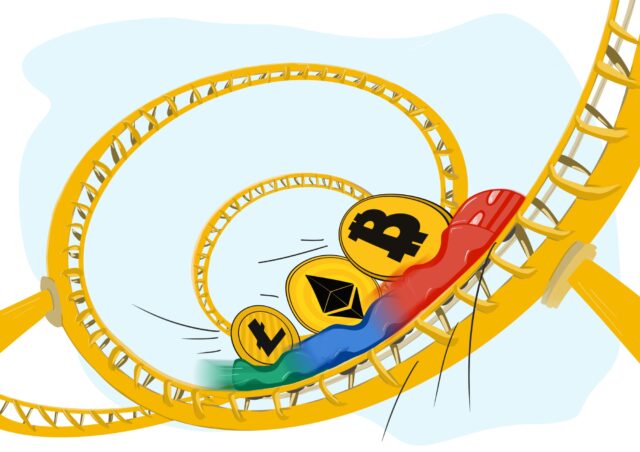
The cryptocurrency market continues its roller-coaster ride, with Bitcoin again in the spotlight, still revolving around the prospects of a Bitcoin Exchange-Traded Fund (ETF). As the market anticipates new highs, whether a spot Bitcoin ETF is on the horizon remains a pivotal point for investors and enthusiasts alike. This article explores the twists and turns of the crypto outlook, diving into the impact of Bitcoin predictions on other coins.

The Bitcoin ETF Dilemma

Recent reports from various sources, including Matrixport and other crypto experts, suggest that the U.S. Securities and Exchange Commission (SEC) might reject all applications for a spot Bitcoin ETF. The potential rejection stems from the current composition of the SEC. Democratic dominance and Chair Gensler’s cautious stance on crypto create uncertainty about approving Bitcoin spot ETFs.

Though the road to regulatory acceptance appears to be winding, the approval of the first Bitcoin ETF is anticipated to become a catalyst for broader crypto adoption. Matrixport’s analysis suggests that SEC Chair Gensler’s reservations about crypto’s compliance standards might delay the approval. If rejected, it could potentially lead to a sell-off.

Crypto Outlook and Market Dynamics

As Bitcoin’s price swings in response to ETF speculations, the entire crypto market experiences a ripple effect. The correlation between Bitcoin’s performance and the overall market sentiment remains robust. The anticipation of an ETF played a significant role in the crypto market’s recent surge, with expectations driving increased investment.

Galaxy Digital and other firms await the SEC’s decision on spot Bitcoin ETF applications. The outcome is crucial not only for Bitcoin but also for the broader cryptocurrency landscape. The market witnessed substantial growth. BTC closed the year 2023 up nearly 160%. Matrixport estimates that a significant portion of the $14 billion deployed into crypto since September is linked to ETF expectations.

Impact Beyond Bitcoin: The Domino Effect

The cryptocurrency market is interconnected, and Bitcoin’s movements often set the tone for other coins. The prospect of a Bitcoin ETF rejection could trigger a market-wide sell-off, impacting altcoins such as Ethereum ($ETH), $XRP, Solana ($SOL), and others. The domino effect, amplified by heightened market volatility, could result in liquidations and a temporary setback for the broader crypto space.

The Crypto Forecast: Navigating Uncertain Waters

As the crypto community awaits the SEC’s decision, the market remains in flux. Traders and investors brace for potential volatility, emphasizing the importance of strategic risk management. The crypto outlook hinges on regulatory decisions as well as on broader market dynamics, macroeconomic factors, and technological developments.

The road to new all-time highs for Bitcoin is intertwined with regulatory developments, particularly the potential approval or rejection of a Bitcoin ETF. The impact on the broader crypto market underscores the interconnectedness of digital assets. Navigating these uncertain waters requires a keen understanding of market dynamics, risk mitigation strategies, and a holistic approach to the evolving crypto landscape.

Read More: Bitcoin 2024 Bull Run – Riding the Crypto Wave                                                                    The Race to Launch the First Spot Bitcoin ETF


EU Crypto Regulation: NBFIs and Crypto Holdings Under Scrutiny

In a development that could have a profound impact on the cryptocurrency landscape in the European Union, the European Banking Authority (EBA) is intensifying its efforts to thoroughly examine the intricate connections between traditional banks, non-bank financial institutions (NBFIs), and entities involved in cryptocurrencies. This move reflects the EU’s commitment to promoting transparency and resilience within its ecosystem.

Focus – Understanding Non-Bank Financial Institutions

José Manuel Campa, Chair of the EBA, stressed the importance of regulators gaining an understanding of NBFIs. These institutions collectively manage a portfolio of financial assets valued at approximately $218 trillion, as reported by the Financial Times. The regulatory spotlight is now shining on NBFIs, including hedge funds, private capital firms and cryptocurrency entities.

Concerns and Potential Impact

This initiative comes as a response to growing concerns regarding contagion effects resulting from strains within NBFIs, particularly those related to the crypto market which could affect traditional lenders. The EBA aims to delve into examining the connections between banks and various financial firms with a goal of identifying vulnerabilities that may arise if cryptocurrency valuations experience significant declines.

Proactive Actions taken by EBA

The EBA has already implemented measures to address the impact of cryptocurrencies on overall financial stability. In November, the regulatory body released regulations that outline liquidity and capital requirements for issuers of stablecoins under the new Markets in Crypto Assets (MiCA) framework in the EU. These proposed rules aim to ensure stability and mitigate activities within the stablecoin market.

Regulations Proposed for Crypto Companies and Individuals

Apart from analyzing the connections between banks and non-bank financial institutions (NBFIs), the EBA has put forth regulations specifically targeting individuals who hold more than 10% ownership in a crypto company. Such individuals would undergo scrutiny for any convictions or sanctions, adding an extra layer of oversight in the cryptocurrency sector. Additionally, crypto companies are encouraged to strengthen their monitoring systems to detect instances of money laundering, particularly those involving privacy coins or self-hosted wallets.

Collaborative Efforts for a Comprehensive Understanding

To strengthen its endeavors the EBA intends to collaborate with both the European Systemic Risk Board and the Financial Stability Board. This collaborative approach aims to develop an understanding of how shocks occurring within shadow banking, including the cryptocurrency sector, can have ripple effects throughout the broader financial system.

Implications for the Crypto Industry

The EBA’s thorough investigation is poised to have significant implications for the future of the cryptocurrency industry in the European Union. As the regulatory landscape evolves, the industry is expected to witness stricter rules and increased oversight, aligning with global efforts to regulate stablecoins, crypto firms, and asset managers.

As the EU continues its journey towards comprehensive cryptocurrency regulation, the scrutiny of non-bank financial institutions and their crypto holdings is a significant stride. The EBA’s initiatives underscore the shared commitment of regulators to address potential financial stability gaps in the evolving landscape of non-bank finance and cryptocurrency.

Read more: Crypto Tax Turmoil: New IRS Rules Spark Legal Debate

Hot or Not? Exploring the Future Prospects of Solana

Solana ($SOL) stands out as a robust contender in the dynamic crypto landscape. As its popularity continues to soar, the pivotal question remains: “Will Solana keep going up?” This piece explores recent trends, expert forecasts, and the fundamental forces shaping Solana’s path in the coming months.

Solana’s Remarkable Journey in 2023

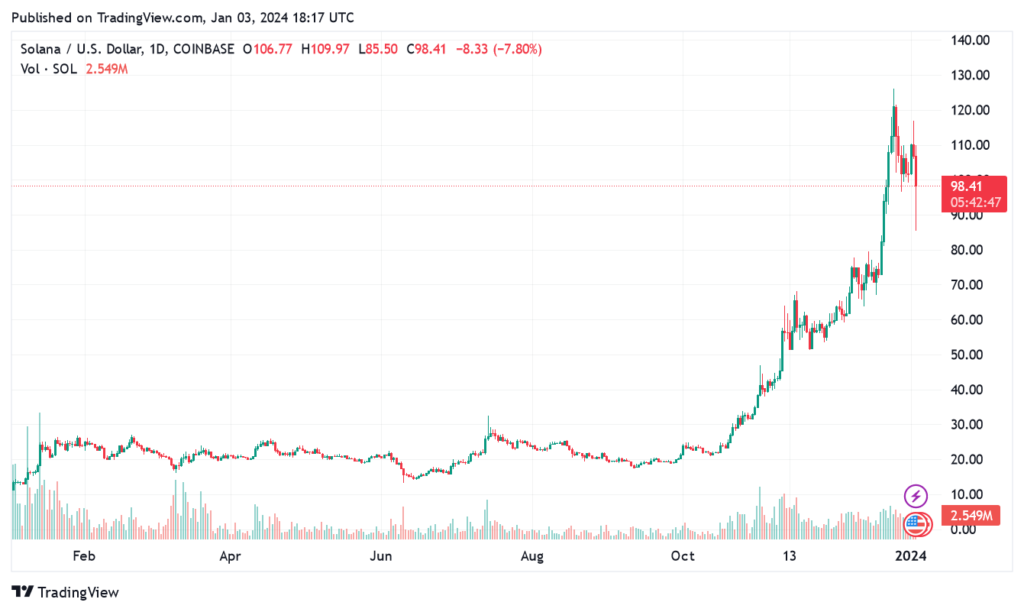
The year 2023 witnessed a spectacular rise for Solana, starting the year below $30 and ending with an impressive $124.02 on December 25th. This remarkable journey marked a staggering 1,033% increment in value, igniting confidence among crypto enthusiasts. The recent retracement to around $115 from the peak has led to speculations about its future trajectory.

Technical Analysis and Expert Predictions

Analyzing Solana’s daily price chart reveals a significant pattern – the formation of a round bottom curve. This pattern, historically associated with upcoming bull runs, suggests a shift from bearish to bullish sentiments. However, the journey to sustainable uptrend hinges on breaking the crucial 50% level, approximately $130. Analysts emphasize that surpassing this mark is imperative for Solana’s continued upward momentum.

Anticipated Catalysts for Solana’s Growth

Beyond technical analysis, several fundamental factors contribute to Solana’s promising outlook. The robust growth of Solana’s Decentralized Finance (DeFi) sector distinguishes it in the market. The introduction of BONK, Solana’s meme coin, and the Saga phone launch have further fueled its expansion. Additionally, the much-anticipated Bitcoin halving event is expected to act as a catalyst, driving Solana’s meteoric growth.

Diverging Expert Opinions on Solana’s Price Targets

Crypto influencer Ben Armstrong has set ambitious price predictions for Solana in 2024. Armstrong envisions Solana surpassing the $1,000 mark, citing the coin’s potential for significant growth. However, he also acknowledges the challenges ahead, particularly for Solana, which he believes already exhibits “massively overinflated numbers.” The path to $1,000, according to Armstrong, may be turbulent.

On the flip side, some experts argue that Solana’s recent dip below $100 raises concerns. This correction, triggered by a 6% decline over 24 hours, indicates a potential cooling off after the ecosystem frenzy. With meme coins like BONK experiencing over 50% corrections from their all-time highs, profit-taking and reduced speculative interest could impact Solana’s short-term performance.

As we navigate the intricate landscape of Solana’s future, the question of whether Solana will go up remains complex. Technical indicators, fundamental developments, and expert opinions present a diverse array of signals. While Solana’s journey in 2023 has been nothing short of extraordinary, the path ahead demands cautious optimism. Investors should closely monitor key resistance levels, upcoming events, and broader market trends to make informed decisions.

Crypto Tax Turmoil: New IRS Rules Spark Legal Debate

Sending ripples through the cryptocurrency community, the Internal Revenue Service (IRS) has implemented controversial tax reporting rules targeting transactions exceeding $10,000 in the crypto space. This move, part of the Infrastructure Investment and Jobs Act signed into law by President Joe Biden in November 2021, has sparked intense debate and legal challenges.

Understanding the New Tax Landscape

Effective January 1, 2024, the IRS now mandates that anyone receiving $10,000 or more in cryptocurrencies during their trade or business must report transaction details promptly. The required information encompasses the sender’s name, address, and Social Security number (SSN), along with the transaction amount, date, and nature. Failure to file this report within 15 days could result in felony charges, escalating the stakes for crypto enthusiasts and businesses alike.

Challenges and Legal Opposition

Crypto advocacy group CoinCenter raised a red flag, challenging the constitutionality of these rules. Critics argue that compliance poses significant hurdles, especially for blockchain miners, validators, and those engaging in decentralized exchanges. With block rewards lacking identifiable senders and lacking clarity on valuing specific cryptocurrencies, the crypto community faces uncharted territory.

Legal Battle and Ongoing Concerns

CoinCenter’s legal challenge against the Treasury Department, filed in June 2022, underscores the depth of concern within the crypto industry. While the case remains in court, the IRS has enforced the rule, leaving individuals and businesses scrambling to navigate its complexities. Questions linger about how to report donations from anonymous contributors and where to submit these mandated reports.

Jerry Brito, Executive director of CoinCenter.org

The Path Forward

As the crypto community grapples with this regulatory shift, uncertainties loom. The lack of IRS guidance and the absence of a designated reporting form add complexity. Industry players are anxiously awaiting clarity on compliance procedures and the future implications of this controversial tax rule.

Emerging Solutions and Industry Response

While challenges persist, the crypto industry is already exploring potential solutions. Collaborative efforts between stakeholders, including advocacy groups, legal experts, and industry leaders, aim to address the shortcomings of the current reporting framework. As the IRS crypto tax rules continue to evolve, a proactive approach to compliance and an open dialogue with regulators become paramount.

The implementation of the IRS crypto tax rules marks a significant moment in the evolving relationship between regulators and the cryptocurrency space. While legal challenges persist, the community must adapt to the new reporting obligations. As the industry awaits further guidance and potential amendments, individuals and businesses are urged to stay informed and seek professional advice to navigate this uncharted terrain.

Read More: What is CARF 2027

- Advertisement -

FEATURED