Home Blog Page 87

MetaMask’s mUSD Is Live: The First Wallet-Native Stablecoin Aims at DeFi — and Daily Spending

MetaMask fox silhouette framing a dollar-pegged mUSD coin, with subtle Ethereum and Linea motifs and a minimal payment card

MetaMask has launched its own dollar-pegged stablecoin, MetaMask USD (mUSD). It is bringing a wallet-native model to a market dominated by third-party issuers. After unveiling the product on August 21, 2025, the company confirms mUSD is now live with native support for on-ramping, swaps, transfers, and cross-chain bridging inside the MetaMask wallet. The first deployments are on Ethereum and Linea, Consensys’ EVM-equivalent L2.

How mUSD Works: Bridge (a Stripe company) + M0 under the hood

MetaMask’s mUSD is issued by Bridge, a stablecoin issuance/orchestration platform that Stripe acquired in early 2025. On-chain, the token uses M0’s decentralized stablecoin infrastructure for interoperability and liquidity across chains. MetaMask says the coin will be fully backed 1:1 by high-quality, highly liquid dollar-equivalent assets, with a transparency posture aligned to its ecosystem ambitions.

https://twitter.com/MetaMask/status/1967605002567876673

Why a Wallet-Native Stablecoin?

For years, MetaMask users have relied on external stablecoins to hold a dollar balance, trade, or bridge across networks. With MetaMask mUSD integrated directly into the wallet, the company argues it can reduce friction and fees for on-ramps, swaps, and cross-chain transfers. MetaMask already has a product footprint in these areas. The wallet-native approach also creates a consistent “digital dollar” experience across DeFi apps accessed via the wallet.

From On-Ramp to Checkout: Payments Are the Next Frontier

Today’s launch focuses on DeFi and in-wallet liquidity. However, MetaMask also ties mUSD to a real-world payments roadmap: the MetaMask Card, targeting acceptance at Mastercard merchants. That unlocks a clear path from fiat on-ramp to on-chain stablecoin to everyday spending, all under one brand experience. Partners and prior updates suggest the card program and on-ramping rails (e.g., via Bridge and integrations like Transak) are core to the go-to-market.

Timing and Market Context

MetaMask first announced mUSD on August 21. Back then, the company framed it as a cornerstone for Linea’s DeFi growth and as a response to rising stablecoin volumes and improving U.S. clarity for payment stablecoins. The live rollout on September 15 answers the key question from the announcement stage, “when does it ship?”. It puts MetaMask alongside an expanding set of issuers as the stablecoin category continues to scale.

Can Wallet-Native Compete With USDT and USDC?

The incumbents enjoy deep liquidity, integrations, and institutional adoption, so MetaMask mUSD must earn its place pair by pair. Its advantages: MetaMask’s distribution and default presence across Ethereum and Linea, where MetaMask can nudge usage within its own ecosystem. Watch for circulating supply growth, DEX/AMM liquidity, lending-market listings, CEX support, and reserve disclosures that match the stated 1:1 backing.

What Success Looks Like

If MetaMask mUSD becomes the default “digital dollar” for MetaMask flows, on-ramp, swap, bridge, and pay, it could carve out a durable niche without displacing incumbents everywhere. Expect a near-term focus on Linea DeFi integrations, followed by broader chain support and payments enablement via the MetaMask Card. The thesis: reduce friction at every step, and users will keep balances in mUSD because it’s the easiest stablecoin to use inside MetaMask.

Readers’ frequently asked questions

Who issues mUSD and how is it backed?

mUSD is issued by Bridge (a Stripe company) and built on M0. MetaMask states the stablecoin targets full 1:1 backing with high-quality, highly liquid dollar-equivalent assets and emphasizes transparency.

Which networks support mUSD at launch?

mUSD is live on Ethereum and Linea, with native on-ramp, swaps, transfers, and bridging available directly in the MetaMask wallet.

Can I spend mUSD at merchants?

MetaMask plans to enable spending through the MetaMask Card, targeting acceptance wherever Mastercard is supported. This would extend mUSD from DeFi into everyday purchases.

What Is In It For You? Action items you might want to consider

Verify network and contract

Double-check the official mUSD contract addresses on Ethereum and Linea before transacting to avoid scams or unofficial tokens.

Test and monitor liquidity

Start with small transfers and review liquidity on major DEX/AMM platforms to confirm depth and fair pricing for mUSD pairs.

Follow roadmap and transparency

Track MetaMask updates on card payments and watch for reserve disclosures from Bridge and M0 to confirm ongoing 1:1 backing.


Pakistan Opens Licensing Doors to Global Crypto Firms, Offering Regulated Access to 40 Million Users

Editorial illustration of Islamabad’s Faisal Mosque with digital ledger patterns overlaying the skyline, symbolizing Pakistan crypto licensing and regulation. Glowing network lines connect to icons of global crypto exchanges, highlighting international firms entering a $300B market serving 40M users. 16:9, no text overlays.

Pakistan has formally opened its doors to the global digital asset industry, inviting international crypto firms to apply for licensing under its new Virtual Assets Ordinance 2025. The move marks a decisive break from the country’s history of bans and grey-market activity. Instead of uncertainty, the government is now offering a regulated framework designed to attract investment and protect millions of users.

The initiative is led by the newly established Pakistan Virtual Assets Regulatory Authority (PVARA), which began operating in July. Setting up a licensing system, Islamabad hopes, will transform one of the world’s largest informal crypto markets into a regulated sector while aligning it with international compliance standards. With an estimated 40 million crypto users and annual trading volumes of around $300 billion, Pakistan is positioning itself as a serious player in the South Asian digital economy.

A Regulatory Framework Built for Global Standards

The Pakistan crypto licensing program sets clear criteria for applicants. Only global crypto exchanges and service providers already regulated by top-tier jurisdictions, including the US, UK, EU, UAE, and Singapore, are eligible. Applicants must disclose their existing licenses, company profiles, compliance records, financial statements, and a detailed business plan tailored to the Pakistani market.

Firms will also need to demonstrate robust AML and KYC compliance, advanced cybersecurity measures, and consumer protection mechanisms. According to PVARA, this structure is meant to reassure both international watchdogs and local users that licensed firms will operate transparently and responsibly. Importantly, the government argues that this framework reflects a new era of Pakistan crypto regulation. It prioritizes oversight while encouraging innovation.

New Opportunities for Global Firms

For international players, the program offers entry into a large but underserved market. Pakistan is one of the top countries in crypto adoption by population. However, its market remains dominated by peer-to-peer trading and offshore platforms that operate without oversight. By applying for a local license, crypto firms in Pakistan gain legitimacy, banking access, and the ability to serve millions of retail and institutional investors through regulated channels.

The open-ended application process also allows firms to submit proposals on a rolling basis. This flexibility means that global exchanges can design market entry strategies at their own pace. The Pakistan crypto licensing system is being promoted as a gateway for companies that want to expand into South Asia’s fast-growing fintech sector.

Impact on Users and Investors

For Pakistani users, the arrival of licensed crypto services could be transformative. Millions of citizens rely on digital assets for crypto remittances, savings, or trading. Yet they often do so through unregulated and risky platforms. A licensed framework promises safer custody, fraud prevention, and potential innovation in areas such as Shariah-compliant crypto products.

Institutional investors and fintech startups may also benefit. With clearer rules, domestic innovation becomes easier, while foreign partnerships are more likely to emerge. By integrating crypto activity into the financial system, regulators aim to support financial inclusion and provide alternatives to the country’s underbanked population.

Challenges Ahead

The shift to regulated crypto services will not be without challenges. Pakistan’s banking infrastructure remains cautious toward digital assets, and compliance with FATF and IMF guidelines will be closely scrutinized. Moreover, execution risks loom large, as previous attempts at financial reform have stumbled due to bureaucracy and political instability.

Still, the creation of PVARA and the invitation to global crypto firms signal a major policy realignment. If implemented effectively, Pakistan’s crypto regulation could not only secure domestic users but also position the country as a potential South Asia crypto hub, competing with regional leaders like Dubai and Singapore. The government hopes that Pakistan’s crypto licensing will become a catalyst for foreign investment, safer digital adoption, and long-term economic modernization.

Readers’ frequently asked questions

How can international crypto firms start the application process in Pakistan?

Interested firms must submit applications to the Pakistan Virtual Assets Regulatory Authority (PVARA) with company details, existing licenses, compliance history, financial records, and a Pakistan-specific business plan. The process is open-ended and handled on a rolling basis.

Will local Pakistani startups also be able to apply for licenses?

For now, PVARA is prioritizing global firms already licensed in major jurisdictions. Domestic companies may be considered in later phases, once the framework for international players is firmly established.

What changes should users expect once licensed exchanges begin operating?

Users can expect stronger security and transparency, as licensed platforms are required to adhere to strict consumer-protection standards. Over time, this may also support Shariah-compliant digital investments and regulated crypto remittance services, reducing reliance on risky peer-to-peer channels.

What Is In It For You? Action items you might want to consider

Monitor which global exchanges apply for licenses

Keep track of announcements from major platforms such as Binance, Coinbase, or regional players in the UAE and Singapore. Their participation will signal how attractive Pakistan’s framework is to international firms.

Evaluate opportunities in regulated remittance and custody services

With Pakistan being one of the largest remittance markets, licensed exchanges could reshape how money flows into the country. Traders, fintech builders, and investors should watch for new custody products and regulated crypto remittance channels.

Track local adoption and regulatory follow-through

Even with licensing in place, execution will be key. Watch how banks, payment providers, and startups adapt to PVARA rules. Early signs of user adoption and institutional integration could indicate whether Pakistan is on its way to becoming a South Asia crypto hub.

Gemini IPO Pops in Nasdaq Debut, Raising $425M and Testing Investor Appetite for Crypto Stocks

Symmetrical light trails over a glass Nasdaq facade at dawn symbolize the Gemini IPO as GEMI debuts on Nasdaq, highlighting strong retail-driven momentum.

The Winklevoss-founded exchange Gemini has officially joined Wall Street, pricing its initial public offering (IPO) at $28 per share. The company raised a capped $425 million, even though demand exceeded the offering by more than twentyfold. Listed under the ticker GEMI on Nasdaq, Gemini made its trading debut on September 12, 2025. Shares surged more than 40% at the open to about $37, before easing back to close near $32 in their first day of trading.

A Rarely Capped, Oversubscribed IPO

Gemini originally set a range of $17–19. It later raised the range to $24–26 as investor demand swelled. Even after pricing at $28, above the increased range, the company capped total proceeds at $425 million. Capping proceeds is unusual for an oversubscribed IPO. Investors oversubscribed the listing by more than 20 times, with strong demand from both institutions and retail buyers.

Why the Cap Matters

Limiting proceeds when books are this strong signals discipline. A hard cap reduces immediate dilution and suggests management believes the company can access capital later on, potentially on better terms. It also keeps a tighter float, which can support price discovery in early trading. For a crypto exchange, that balance between raising growth capital and preserving equity leverage is a key part of the post-listing story.

Retail Gets a Bigger Slice

In a departure from many tech IPOs, Gemini allocated up to 30% of the offering to retail investors across major brokerage platforms. That move aligns with the exchange’s consumer-facing brand. It also builds on the Winklevoss twins’ efforts to frame Gemini as a platform that bridges crypto and mainstream finance. A larger retail presence at the outset may broaden the shareholder base and create a more engaged community around corporate milestones.

Market Context and Comparisons

Gemini’s Nasdaq debut comes amid a broader crypto IPO boom, with peers such as Figure, Bullish, and Circle also entering the public markets this year. Investor enthusiasm suggests renewed appetite for “crypto equities” after a subdued two years. Comparisons to Coinbase (COIN) are inevitable. Gemini remains smaller in trading volume but is pitching its regulatory-first image and diversified revenue as differentiators. If digital-asset prices stay firm and on-chain activity expands, listed exchanges can benefit from higher trading, custody, and staking-related revenues. If volumes soften, fee compression and share shifts toward larger rivals become the core risks.

Who’s Buying and Why

Goldman Sachs and Citigroup led the books. Nasdaq itself invested $50 million via a private placement. For investors, Gemini stock offers direct exposure to the exchange model, but with caveats. The company still relies heavily on trading fees, faces tight competition, and operates in a sector navigating regulatory uncertainty. Supporters argue that Gemini’s compliance-forward approach may give it a smoother path than rivals. Skeptics will look for evidence that revenue can grow beyond cyclical trading ups and downs.

Key Metrics to Watch

Now that Gemini is public, investors will focus on a few simple markers. Reported spot and derivatives volumes will indicate traction versus larger competitors. Net deposits and assets under custody will show whether users are choosing Gemini as a primary venue. Take rate and cost discipline will reveal how much operating leverage the model can deliver. Finally, product mix across retail trading, institutional services, and any wallet or payment lines will shape how resilient revenue proves across market cycles.

What’s Next for GEMI

Attention now shifts to post-IPO performance. Lock-up expirations, quarterly volume data, and regulatory milestones will be key drivers for GEMI stock. The Winklevoss twins have also leaned into bold long-term messaging. They continue to argue that Bitcoin could eventually reach $1 million. Such a statement frames Gemini’s public offering not just as a listing, but as a bet on the future of digital assets. If execution meets expectations, the Gemini IPO could help anchor a broader class of crypto-native equities on major U.S. exchanges.

Readers’ frequently asked questions

How can I buy GEMI shares now that Gemini is public?

Open a brokerage account that offers access to U.S. equities on Nasdaq, search for the ticker GEMI, and place a market or limit order during regular or extended hours. Non-U.S. investors typically need to submit a W-8BEN form and should account for FX conversion and local tax rules.

Is there a lock-up period for insiders and pre-IPO holders?

Yes. Gemini’s IPO includes a standard 180-day lock-up. The exact release timing and any early-release provisions are defined in the underwriting agreement and detailed in the final prospectus (424B4). Review the final prospectus for precise windows and exceptions.

Which SEC filings should I watch now that GEMI is public, and what will they tell me?

Track the 424B4 (final terms and risk factors), 8-K (IPO close and material agreements), 10-Q/10-K (volumes, revenue mix, margins), Form 4 (insider trades), and Schedule 13D/13G (holders over 5%). These appear on EDGAR and most broker research portals.

What Is In It For You? Action items you might want to consider

Calendar the post-IPO catalysts

Add reminders for GEMI’s first earnings call (10-Q), any 8-K updates, and the 180-day lock-up expiry. These dates often drive liquidity spikes and price gaps; being early lets you prepare orders and risk limits.

Build a quick comps view vs Coinbase

Create a simple sheet tracking GEMI vs COIN on revenue mix, take rate, volumes, and valuation multiples. Update it each quarter. A rolling comps snapshot helps you spot mispricings when sentiment swings.

Trade with guardrails

Use price alerts and limit orders (not market orders) around the open and major news. Size positions assuming elevated volatility in the first months after listing, and review borrow availability/fees before considering shorts or options strategies.

Figure IPO Surges on Nasdaq as Wall Street Backs Blockchain Lending

Nasdaq building in New York with FIGR ticker displayed on the tower screen, symbolizing Figure Technologies’ IPO debut and $7B blockchain lender valuation.

Figure Technologies made a high-profile entrance to the public markets, with its Nasdaq debut underscoring both the growing momentum of crypto-related IPOs and the strong investor appetite for blockchain-backed finance.

A Strong Debut on Wall Street

The Figure IPO was priced at $36 per share and immediately drew heavy demand. Shares climbed more than 20% on the first day, closing around $44. That put the blockchain lender Figure at a valuation between $6.6 billion and $7.6 billion. The successful listing makes Figure Technologies’ Nasdaq debut one of the largest blockchain offerings on the market this year. Investors will now be watching its stock closely to see if it can sustain the opening momentum.

From Startup Vision to Nasdaq Milestone

Founded by former SoFi chief executive Mike Cagney, Figure built its model on tokenized lending and blockchain-driven securitization. Cagney has repeatedly argued that blockchain rails can lower costs and boost efficiency in financial markets. The company emphasizes how its technology can streamline capital markets. It also aims to cut costs for borrowers and investors. After swinging to profitability earlier this year, the lender was in a stronger position to win over Wall Street ahead of its IPO.

Market Performance and Valuation

Investors drove the stock higher throughout the opening session. This signaled confidence in the company’s ability to compete with traditional fintechs. Reports varied on the exact Figure valuation. Some outlets cited $6.6 billion, while others estimated closer to $7.6 billion. Either way, the Figure stock surge puts the company in line with other high-profile fintech listings. It also positions Figure as a test case for future blockchain IPO deals. The company’s performance will be seen as a benchmark for how markets value blockchain lenders.

Investor Appetite and the Crypto IPO Wave

Figure’s warm reception to the Nasdaq comes amid renewed momentum for crypto-related listings. Analysts view the strong demand as an encouraging sign for the sector. Circle, the issuer of USDC, already completed its IPO earlier this year, while Gemini is preparing for a potential debut. Together, these moves highlight a broader shift toward crypto adoption on Wall Street, where institutional investors are increasingly backing firms that put blockchain at the center of their business models.

Risks on the Horizon

Despite the strong showing, some analysts warn that long-term sustainability remains untested. The profitability of blockchain lending will depend on scaling its securitization business and staying competitive with traditional financial firms. In addition, market volatility remains a risk. Valuations tied to crypto infrastructure have historically been prone to sharp swings. However, the blockchain lender Figure will likely utilize its public platform to demonstrate its resilience across various market cycles.

Outlook: A Bellwether for Tokenized Finance

The Figure IPO is more than a single company’s success. It may set the tone for how investors evaluate upcoming crypto-related listings. If Figure sustains its momentum, it could accelerate the adoption of tokenized finance across traditional capital markets. On the other hand, if performance falters, it may trigger doubts about whether blockchain models can deliver durable profits at scale.

Either way, Figure Technologies’ Nasdaq debut has already marked a milestone. Wall Street is betting big that blockchain can redefine how lending and investing are done, and the outcome may shape broader Wall Street crypto adoption in the years ahead.

Readers’ frequently asked questions

What ticker symbol does Figure trade under on Nasdaq?

Figure Technologies trades under the ticker symbol FIGR on the Nasdaq exchange.

How does Figure use blockchain in its lending business?

Figure integrates blockchain into loan origination, securitization, and settlement. This approach is designed to cut costs, speed up transaction times, and improve transparency compared to traditional lending methods.

What risks should investors consider with Figure stock?

Investors should keep in mind that blockchain lending is still a young sector. Profitability will depend on scaling, competition from both fintechs and banks, and broader crypto market volatility, which can affect valuations.

What Is In It For You? Action items you might want to consider

Track FIGR’s stock performance in the weeks after the IPO

Figure’s strong debut drew investor attention, but early volatility is common with new listings. Monitoring how FIGR trades in the first 30–60 days can offer clues about long-term market confidence.

Evaluate blockchain lending as part of your investment strategy

Figure’s IPO highlights the growing role of blockchain in financial services. If you follow fintech or tokenized finance, consider how blockchain-based lenders compare to traditional financial institutions in terms of risk and opportunity.

With Circle already public and Gemini preparing for a potential listing, Figure’s success may encourage more blockchain firms to go public. Keeping an eye on this trend can help investors anticipate new opportunities in the sector.

U.S. Treasury’s Mixer Rule Nears Final Stage Despite Friendlier White House Crypto Stance

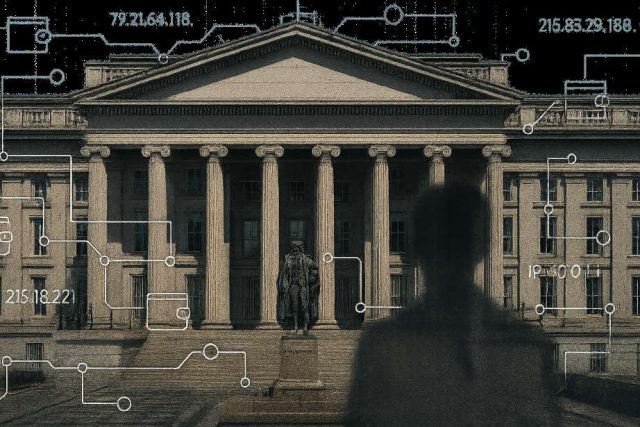
Editorial illustration of the U.S. Treasury building with blockchain motifs and fading crypto user silhouette, symbolizing FinCEN’s mixer rule and crypto privacy concerns.

The U.S. Treasury is preparing to finalize its controversial mixer rule, first proposed in 2023 under the previous administration. Treasury officials insist the measure is not a ban. Still, its sweeping definition of crypto “mixing” and strict reporting requirements for any foreign-linked transactions raise fears of a de facto crackdown on crypto privacy. Many expected that a more crypto-friendly White House might soften the proposal. However, FinCEN has not amended the rule since its initial draft.

Background: From 2023 to Today

The proposed FinCEN regulation on crypto mixers was introduced in October 2023 as a Notice of Proposed Rulemaking (NPRM) under Patriot Act Section 311. For the first time, FinCEN designated a class of transactions, international crypto mixing, as a primary money laundering concern.

The rule was designed to force U.S. financial institutions to collect and report data on foreign nexus transactions involving mixers. The comment period closed in January 2024. Since then, the proposal has moved into the final rule stage, with publication expected later in 2025. Notably, the text has not been revised or amended since its initial release.

What the Rule Requires

If finalized as proposed, the U.S. Treasury mixer rule would impose significant obligations on “covered financial institutions.” This group includes banks, broker-dealers, money services businesses (MSBs), custodians, and mutual funds.

Any transaction involving crypto mixers and a foreign connection must be reported within 30 days of detection. Institutions must log details, including:

  • Wallet addresses linked to the mixer or customer
  • Transaction hashes and timestamps
  • Customer identifiers such as name, address, date of birth, and taxpayer information
  • Associated IP addresses

These records must remain on file for five years. This requirement extends compliance obligations well beyond the usual scope of transaction reporting under standard anti-money laundering (AML) rules.

Why It’s Controversial

The most contentious element is the rule’s definition of “mixing.” It covers not only obvious obfuscation services but also common transaction behaviors such as splitting funds, chain-hopping between assets, or using single-use wallets.

Critics argue this broad scope risks sweeping ordinary activities into the same bucket as deliberate laundering. For privacy advocates, the measure represents a direct threat to crypto privacy. Even though FinCEN frames it as a transparency requirement rather than a prohibition, the chilling effect could amount to a de facto ban on privacy tools.

Users who rely on mixers for legitimate financial privacy, including journalists and activists, may find their transactions flagged simply for crossing borders. Moreover, opponents say the approach expands AML enforcement in ways that could discourage lawful innovation in the privacy sector.

Political Context

The mixer rule’s persistence across administrations underscores how FinCEN regulation operates with institutional momentum. It originated under a White House perceived as skeptical of digital assets. Yet it has advanced unchanged under the current administration, which has projected a more favorable stance toward innovation in crypto regulation and DeFi.

This continuity highlights the deep concern regulators share about mixers as a systemic AML risk. It also shows that even a friendlier political environment for crypto does not necessarily translate into lighter-touch policy on financial privacy.

Industry Impact and Reactions

For crypto exchanges and custodians, the rule would mean heavier compliance burdens and greater reliance on blockchain analytics tools to track transactions with a foreign nexus. Banks and broker-dealers will also need to integrate new workflows to detect and report potential mixing activity.

Moreover, exposure could occur several hops away from the original customer, adding complexity and cost. This creates new challenges for DeFi compliance, where protocols often lack centralized control. Industry groups, including the Blockchain Association, have urged FinCEN to clarify the scope. They want it to narrow its definition of mixers and create safe harbors for legitimate use cases.

Without these changes, institutions may resort to de-risking. This could mean blocking entire categories of transactions rather than risk regulatory penalties.

The U.S. Treasury mixer rule is listed in the federal Unified Agenda as being in the final rule stage. Publication is expected in late 2025. Once finalized, financial institutions will need to adapt compliance systems rapidly to meet the 30-day reporting deadline and five-year retention requirement.

However, whether the final rule reflects industry feedback remains open. If the original proposal holds, advocacy groups are likely to challenge it in court, and crypto lobbyists will continue pressing for revisions.

More broadly, the rule signals that U.S. authorities increasingly treat crypto privacy tools as systemic risks in the fight against money laundering rather than a neutral infrastructure. The approach may also shape future debates on AML obligations for decentralized platforms and privacy-enhancing technologies.

Readers’ frequently asked questions

Is the U.S. Treasury’s mixer rule already in effect?

No. The rule is still in the final rulemaking stage. It was proposed in October 2023, the comment period closed in January 2024, and the final version is expected to be published later in 2025. Until then, existing AML obligations apply, but the mixer-specific reporting requirement has not yet taken effect.

Who will be required to comply with the mixer rule once it is finalized?

The rule applies to “covered financial institutions” under the Bank Secrecy Act. This includes banks, broker-dealers, money services businesses (MSBs) such as exchanges and custodians, futures commission merchants, and mutual funds. These entities will need to detect and report transactions that involve foreign-linked crypto mixing.

Does the mixer rule make it illegal for individuals to use privacy tools?

Not directly. The rule does not create criminal penalties for individual users. Instead, it compels institutions to flag and report transactions involving mixers. However, because of the rule’s broad definition of “mixing,” many expect exchanges and banks to block mixer-related activity altogether to avoid regulatory risk. This could make it much harder for individuals to access privacy tools in practice.

What Is In It For You? Action items you might want to consider

Monitor the final rule’s publication timeline

Stay alert for the Treasury’s official release of the final mixer rule, expected in late 2025. This will mark the point when new compliance obligations come into effect for financial institutions.

Assess exchange and custodial policies on mixers

If you trade or hold crypto through regulated exchanges or custodians, prepare for stricter restrictions. Many institutions may block transactions linked to mixers once the rule passes.

Follow DeFi compliance developments

Projects in the DeFi space may need to adapt if regulators extend AML-style oversight to decentralized protocols. Users and developers should track how the rule shapes future compliance expectations in DeFi.

- Advertisement -

FEATURED