Home Blog Page 99

Pump.Fun Nets $500M in 12 Minutes — But BONK and LetsBonkFun Still Lead the Meme Coin Race
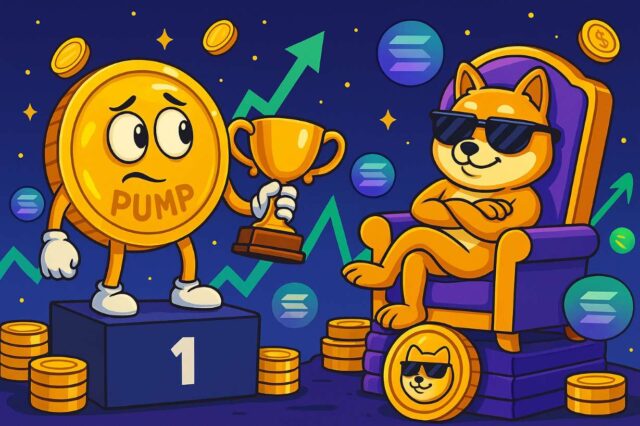
Cartoon-style illustration of the PUMP token character standing on a podium holding a trophy, looking nervously at the confident BONK Shiba Inu lounging on a throne made of Solana coins. The background features floating crypto coins and rising market charts, symbolizing the PUMP token launch success and ongoing meme coin rivalry.

The Solana meme coin space delivered another headline-making moment. Pump.Fun concluded its ICO, raising an eye-watering $500 million in under 12 minutes. Despite earlier skepticism, the PUMP token launch was a rapid success. Pump.Fun now holds a reported $4 billion fully diluted valuation. Yet beneath the surface of this historic raise, questions persist about transparency, sustainability, and whether Pump.Fun can keep up with rivals BONK and LetsBonkFun. Both continue to dominate through organic community support.

ICO Results in Detail

Pump.Fun’s ICO achieved what few thought possible. It raised $500 million across Bybit, Bitget, Gate.io, and BingX in record time. Despite falling short of the speculated $600 million, the feat set a new benchmark for crypto presale success within the meme coin space on Solana.

However, major jurisdictions like the U.S., U.K., and EEA remained excluded due to regulatory pressures. Many retail participants reported frustration over limited allocations. The overwhelming demand apparently favored larger early buyers. This has fueled a controversy over token allocation, with critics questioning fairness and transparency.

Price Performance Post-ICO

Following the ICO, the PUMP token saw an initial surge of 87% in trading price. However, this spike has since cooled. Speculative momentum shifted to other meme coins. Analysts suggest that without a clear token utility, Pump.Fun’s post-ICO performance mirrors typical patterns seen in previous meme coin pump-and-dump cycles.
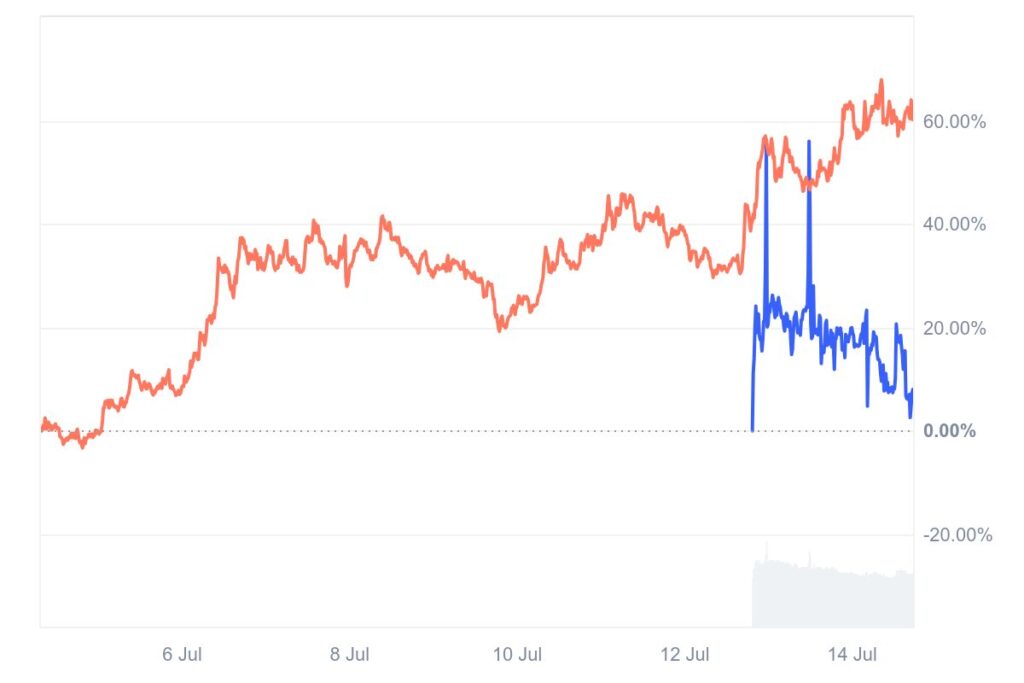
Source: CoinMarketCap
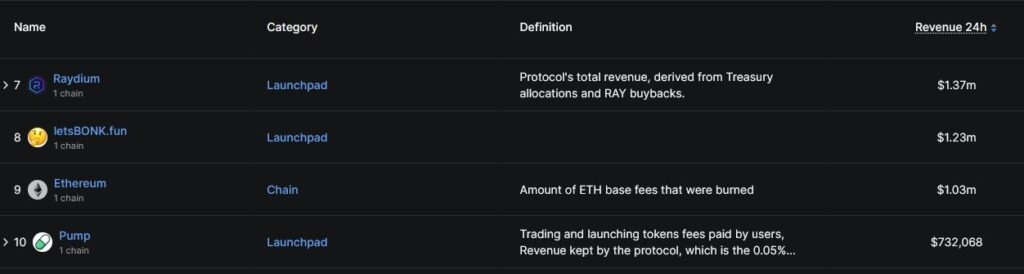
Market Cap Bonk vs. Pump

Ongoing Concerns and Criticism

Despite the headline numbers, concerns remain. Transparency over token allocation and insider participation has been lacking. Some observers question how tokens were distributed so quickly. They hint at pre-arranged buys or insider access.Cartoon-style illustration of the PUMP token character standing on a podium holding a trophy, looking nervously at the confident BONK Shiba Inu lounging on a throne made of Solana coins. The background features floating crypto coins and rising market charts, symbolizing the PUMP token launch success and ongoing meme coin rivalry.

Critics argue the $4 billion valuation isn’t supported by utility or adoption metrics. These concerns raise questions about meme coin valuation practices and sustainability. Warnings of pump-and-dump dynamics persist across industry commentary.

BONK and LetsBonkFun: Still Leading?

While Pump.Fun commands headlines, BONK continues to lead the Solana meme coin ecosystem in daily volume and community engagement. Born from a fair launch with no presale, BONK’s adoption spans DeFi apps and NFT platforms.

LetsBonkFun, though newer, has quickly captured market attention. It thrives through grassroots energy and alignment with BONK’s ethos. Both projects outperform Pump.Fun not just in metrics but also in community trust. That trust is a critical factor in meme coin longevity.

What This Says About Meme Coins in 2025

Pump.Fun’s success underscores the power of hype in crypto’s meme sector. Raising $500 million in minutes is a historic feat. Yet sustainability remains unproven.

As BONK and LetsBonkFun show, community-driven projects with transparent origins often outlast heavily marketed ICOs. The current meme coin race reflects a maturing market. In this space, trust, not just capital, determines staying power.

Pump.Fun’s ICO cements its place in meme coin history. However, questions about allocation, transparency, and token utility linger. Meanwhile, BONK and LetsBonkFun maintain their lead through community-first strategies and consistent engagement.

The Solana meme coin race is far from over. The winners may not be those with the biggest raises but those with the deepest roots.

Readers’ frequently asked questions

Why did Pump.Fun exclude U.S. and European investors from its ICO?

Pump.Fun excluded users from the U.S., U.K., and European Union due to regulatory restrictions on ICOs and crypto presales in those regions. This is common practice for projects seeking to avoid legal risk.

How does BONK differ from Pump.Fun in terms of community trust?

BONK launched without a presale or ICO, relying on organic growth and community adoption. This grassroots approach has earned BONK a stronger reputation for transparency and fairness compared to Pump.Fun’s highly commercial ICO.

What risks should investors watch for in meme coin ICOs?

Investors should watch for signs of token allocation controversy, lack of transparency, and overreliance on marketing hype. Meme coin ICOs often face volatility, and success depends heavily on community trust and sustained demand.

What Is In It For You? Action items you might want to consider

Monitor the post-ICO price performance of PUMP token

Keep an eye on how PUMP trades over the coming weeks. Look for signs of stabilization, further volatility, or shifting sentiment as the meme coin market reacts.

Evaluate transparency risks in future meme coin ICOs

Use the Pump.Fun ICO as a case study when evaluating new projects. Look for clear disclosures on token allocation, vesting schedules, and regulatory compliance.

Track BONK and LetsBonkFun as benchmarks for community-driven success

Monitor BONK and LetsBonkFun’s adoption, trading volumes, and community activity as benchmarks for what organic growth looks like in the meme coin ecosystem.

GMX Hacker Returns $37M in White-Hat Deal: Token Surges After $42M Exploit

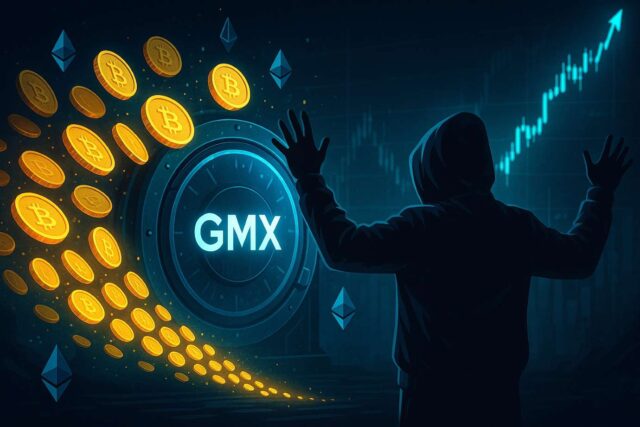
Illustration of a hacker returning stolen cryptocurrency to GMX, with glowing coins flowing into a digital vault and a bullish crypto price chart in the background — symbolizing a white-hat bounty deal and DeFi recovery.

In a dramatic turnaround for decentralized finance, the anonymous attacker behind the $42 million GMX hack has returned most of the stolen crypto assets. He struck a white-hat bounty deal with the protocol. The move not only reversed one of the largest DeFi exploits of 2025 but also triggered a swift recovery in the GMX token. It surged over 14% on the news. While the outcome restored investor confidence, it also reignited long-standing concerns over DeFi security and the reliability of bounty-based crisis management.

The Hack: How GMX Was Exploited

The GMX exploit took place earlier this week, targeting the decentralized perpetual exchange’s smart contract systems. The attacker exploited an oracle manipulation vulnerability, which allowed them to drain liquidity pools and manipulate pricing mechanisms. Over $42 million in various crypto assets were siphoned off before GMX was able to freeze key operations and contain the damage.

Security researchers later confirmed that flaws in the contract design and oracle integration were at the core of the breach. Similar issues have plagued multiple decentralized exchange hacks across the DeFi sector.

Hacker Turns White-Hat in $5M Bounty Deal

In a rare case of post-exploit diplomacy, the GMX hacker entered into communication with the protocol’s development team. He agreed to return $37 million worth of assets. In exchange, they were allowed to keep $5 million as part of a formal white-hat bounty deal. Such deals are controversial, but an increasingly common method of mitigating damage in DeFi exploits.

The GMX community largely supported the move, framing it as a pragmatic response in the absence of legal recourse in decentralized systems. The deal follows similar arrangements seen in the Euler, Curve, and Mango protocol breaches over the past year.

Tracing the Funds: 11,700 ETH in Motion

Blockchain analysts traced the stolen funds as they were converted into 11,700 ETH, distributed across multiple wallets. These movements triggered initial fears of asset laundering. However, soon after, the hacker returned the funds in a series of on-chain transactions, likely to wallets under the GMX team’s control.

On one hand, this act salvaged a significant portion of user and protocol funds. But it also showcased the role that crypto bounty negotiations can play in resolving high-stakes breaches without external enforcement mechanisms.

DeFi Security in the Spotlight

Despite the recovery, the incident casts a long shadow over the current state of DeFi security. The GMX exploit exposed once again how smart contract vulnerabilities and poorly protected oracle systems remain favorite targets for malicious actors. Security experts have warned that relying on ad hoc bounty settlements creates a dangerous precedent. They fear future hackers may view exploits as a negotiation tactic rather than a punishable offense.

The GMX hack also raised questions about the adequacy of protocol audits and the limitations of permissionless financial infrastructure.

GMX Token Rebounds on Return News

Initially, the breach sent shockwaves through the market. The swift return of funds and the publicized bounty deal then sparked a strong market reaction. The GMX token surged by over 16% within hours of the announcement, regaining much of the value lost during the panic. Analysts noted increased trading volume and renewed investor confidence, driven largely by the transparency of the team’s communication and the speed of the resolution.

This GMX price surge also signals a growing investor tolerance for DeFi volatility, provided incidents are resolved in favor of user funds.

Lessons Learned and Protocol Response

Following the exploit and resolution, the GMX team announced plans for a comprehensive protocol upgrade, including tighter oracle protections and third-party audits. Community members have also proposed the formalization of a structured DeFi attack response framework, possibly including pre-defined bounty tiers and third-party mediators.

While the GMX hack ended on a relatively positive note, it underscores the need for systemic change. As DeFi governance evolves, the sector must move beyond reactive measures and toward preventative architectures.

The GMX hack and its unexpected reversal are a defining moment in the evolving dynamics of decentralized finance. A white-hat hacker reversing a multimillion-dollar theft in exchange for a bounty may seem like a win. However, it also spotlights the fragility of the system. With the GMX token rebounding and the protocol poised for reform, the crypto world now grapples with a key question: Can DeFi scale on the back of trust, negotiation, and goodwill, or does it need new rules?

Readers’ frequently asked questions

How can I check if a DeFi protocol has active bug bounty programs?

To verify whether a DeFi protocol runs an active bug bounty program, check its documentation or GitHub repository for security policies. Platforms like Immunefi and HackenProof often list ongoing DeFi bounty programs and recent white-hat reports. Searching for “active DeFi bug bounty programs 2025” on aggregator sites can also reveal current security incentives.

What happens when crypto hackers return stolen funds?

When hackers return stolen assets, the protocol often offers a partial bounty as part of a white-hat agreement. This doesn’t always eliminate legal risk, but many decentralized projects prefer pragmatic solutions to recover funds. These “white-hat crypto deals” are becoming more common in high-profile DeFi hacks in 2025.

Are smart contract audits enough to prevent DeFi exploits?

Smart contract audits reduce risk but cannot guarantee complete safety. Many 2025 DeFi exploits occurred on audited code. To improve protection, users should look for protocols with multiple audits, on-chain monitoring, and real-time alert systems. Long-tail searches like “are smart contract audits safe enough in DeFi” reflect growing concern around this issue.

What Is In It For You? Action items you might want to consider

Evaluate DeFi protocols with active bounty programs before investing

Before committing funds to any project, check if it runs an ongoing white-hat or crypto bounty program. Platforms with transparent security incentives and public disclosures are more likely to handle exploits responsibly. Searches like “which DeFi protocols have active bug bounty programs 2025” can guide your due diligence.

Track how protocols publicly handle hacker negotiations

Monitor how teams respond to exploits. Whether they use on-chain messages, publish wallet deals, or involve third-party mediators. Projects that negotiate quickly and transparently may offer better post-attack protection. You can search for “how DeFi projects negotiate with hackers in 2025” to learn from past incidents.

Add DeFi audit layers to your personal investment checklist

Look for more than a badge. Investigate how recent the audit is, who conducted it, and whether the code has been retested after major updates. Searching for “how to verify smart contract audits DeFi 2025” gives you tools to protect yourself before the next exploit happens.

BITCOIN ASIA 2025

Hong Kong will host Bitcoin Asia 2025.

Bitcoin Asia 2025 is set to unite the brightest minds in Bitcoin, from policy-makers and investors to developers, artists, and entrepreneurs. The two-day event will bring together over 10,000 attendees, 200+ speakers, 500+ global companies, and 100+ sponsors, making it one of the biggest and boldest Bitcoin events on the continent.

Who Should Attend Bitcoin Asia 2025?

Whether you are an experienced Bitcoiner, a curious investor, a tech founder, or a policy-maker, keeping up with the evolution of finance, Bitcoin Asia 2025 is for you.

Key Themes and Highlights at Bitcoin Asia 2025

Hard-hitting conversations on the future of Blockchain

Unfiltered discussions from some of the most influential voices in Bitcoin and beyond. Over 200 speakers will take to the stage exploring Bitcoin’s adoption, regulation, and innovation.

The 2025 speaker lineup includes:

  • Dr. The Hon Johnny NG, Kit Chong MH, JP – Member, HKSAR Legislative Council
  • Eric Yip – Executive Director, Intermediaries, Hong Kong Securities and Futures Commission
  • Simon Gerovich – President, Metaplanet Inc.
  • Mark Moss – Founder, Market Disruptors
  • Uli Sigg – Entrepreneur, Art Collector, BANFA AG
  • Stephan Livera – Host, Stephan Livera Podcast
  • Bonnie Chang – Founder, Bonnie Blockchain (邦妮區塊鏈)

Massive Expo Hall Featuring Global Innovators

Over 500 companies, from startups to established giants, will attend this year’s event. Over 100 sponsors will also be present.

Bitcoin Asia 2025 features an art gallery showcasing immersive digital art installations. Attendees will have a chance to buy or bid on leading ordinary art projects.

Limited Edition Merchandise

Attendees can grab exclusive Bitcoin Asia merchandise, including limited edition drops and brand collaborations, only available during the event.

Networking Opportunities

Whether you are a trader, founder, VC, developer, or content creator, Bitcoin Asia 2025 offers countless ways to connect, including casual meetups and curated side events.

VIP Whale Experience

For those seeking elevated access, Bitcoin Asia 2025 offers a Whale Pass. The pass unlocks premium perks like priority seating, dedicated concierge services, and access to exclusive networking spaces.

Venue and Registration

Bitcoin Asia 2025 will be held at the Hong Kong Convention and Exhibition Centre, one of Hong Kong’s largest event spaces. Tickets are available in three tiers: General Admission, which is free, Pro Pass, and Whale Pass.

With global interest in Bitcoin surging and Asia playing an increasingly influential role in its growth, Bitcoin Asia 2025 is more than just a conference; it’s where the next chapter of digital currency begins. Join thousands of thinkers, builders, and believers as they explore, challenge, and shape the future of Bitcoin.

For information on how to purchase your tickets, speaker updates, etc., visit their official website.

Pump.Fun Prepares for Launch, but BONK and LetsBonkFun Are Already Winning the Meme Race

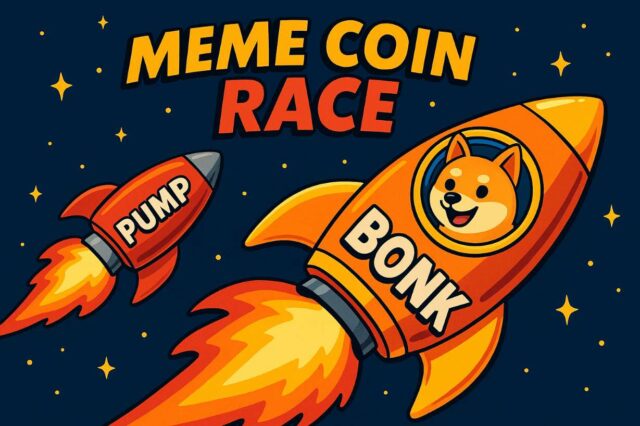
Cartoon-style illustration of two meme coin rockets labeled BONK and PUMP racing through a starry sky, with “MEME COIN RACE” text above. It symbolizes the competitive ICO landscape in the Solana ecosystem.

The Solana meme coin arena is heating up. All eyes are on Pump.Fun. The project is set to launch its highly anticipated $600 million Pump.Fun token sale on July 12, 2025. It will offer 150 billion PUMP tokens. But as the Pump.Fun ICO draws near, its position as a market leader is already being challenged. Two formidable competitors are taking the spotlight: BONK and LetsBonkFun.

What Is Pump.Fun?

Pump.Fun is a Solana-based meme coin launchpad, designed to make it easy for anyone to launch their own token. The platform has gained attention for its slick interface and its promise to democratize token creation. However, despite the buzz, the PUMP token offers little to no real utility. Users don’t need to hold or spend the token to access its launch tools. Moreover, no governance, staking, or burn mechanisms have been introduced.

Major platforms like Bybit, Bitget, Gate.io, and BingX will host the Pump.Fun ICO, while only thirty-three percent of the total supply is allocated to the public. Yet the project faces scrutiny over its tokenomics. Concerns center on the pre-mined nature of the entire 150 billion supply and the absence of a clear distribution roadmap. Analysts point to the project’s fully diluted valuation of $1.8 billion, and many see it as unjustified given the lack of token utility.

Critics Raise Red Flags

While Pump.Fun positions itself as a meme coin launchpad, many in the crypto community are skeptical. There is no vesting schedule, and team allocations remain undisclosed. Not to mention the aggressive marketing tactics that have led to accusations of pump-and-dump behavior. The PUMP token does not power any unique functionality within the platform. This only adds to investor concerns.

Additionally, the Pump.Fun ICO will exclude major jurisdictions. These include the United States, the United Kingdom, and most of the European Economic Area. Regulatory constraints are driving this exclusion, and the exchanges involved enforce strict KYC rules. Thus, access is largely limited to regions like Asia-Pacific, Latin America, and the Middle East.

BONK and LetsBonkFun: The Meme Kings of Solana?

While Pump.Fun builds hype, BONK and LetsBonkFun have already captured attention. They dominate the Solana meme coin ecosystem. BONK, the first dog-themed Solana token, rose to prominence with a fair launch. It also boasts deep integration across Solana DeFi. The token has real trading volume, community-led development, and legitimate use cases.

LetsBonkFun may be a spin-off or parody project. Nevertheless, it has recently overtaken Pump.Fun in daily trading volume and user engagement. Its rapid growth and branding alignment with BONK make it a serious competitor. It challenges Pump.Fun’s narrative of dominance in the meme coin competition.

Exchange Participation vs. Community Trust

On paper, Pump.Fun’s token sale looks like a success. Top-tier exchanges are hosting it. Capital inflow is enormous. The interface is slick. In theory, it should dominate the Solana token launch space. But real adoption doesn’t come from exchange listings alone. BONK has proven that grassroots support and fair distribution matter more than marketing spend.

LetsBonkFun’s success further undermines Pump.Fun’s position. The mimicry of the Pump.Fun name blurs branding lines. It certainly channels attention toward more community-centric alternatives. As Solana’s meme ecosystem grows, the market appears to favor authenticity over hype.

Final Thoughts

Pump.Fun’s upcoming ICO may raise significant capital. But whether the PUMP token holds value beyond speculative hype remains to be seen. BONK and LetsBonkFun are already dominating trading charts and community mindshare. Pump.Fun might find itself outpaced before it even begins.

In the evolving Solana meme coin economy, authenticity and community trust are winning the race. Right now, BONK and LetsBonkFun are leading the pack.

Readers’ frequently asked questions

Will holding PUMP tokens grant early access or discounts on the Pump.Fun platform?

No. As of now, Pump.Fun’s launch tools are freely accessible and do not require users to hold or spend PUMP tokens. There are no known access tiers or rewards tied to token holdings.

What makes BONK different from most meme coins on Solana?

BONK is considered the first truly community-driven meme coin on Solana. It launched fairly without a presale, has wide adoption across DeFi apps, and is not tied to any centralized entity or ICO.

Why is LetsBonkFun gaining attention ahead of Pump.Fun’s launch?

LetsBonkFun has quickly overtaken Pump.Fun in daily volume and user engagement. Its appeal lies in its grassroots momentum and alignment with BONK, which many view as more authentic than Pump.Fun’s heavily marketed ICO.

What Is In It For You? Action items you might want to consider

Track Pump.Fun’s post-ICO market performance

Monitor the token’s price, liquidity, and trading volume in the weeks following the launch. Compare how it performs relative to BONK and LetsBonkFun to evaluate market sentiment.

Evaluate risk signals in meme coin tokenomics

Use Pump.Fun’s structure as a case study for identifying red flags—such as pre-mined supply, limited utility, and excluded regions—before participating in future meme coin ICOs.

Keep an eye on Solana-based meme projects like BONK and LetsBonkFun to track where real user interest is moving. These signals can guide short-term speculation or long-term investment strategies.

Circle Finds an Ally in Asia: Ant Group to Integrate USDC in Global Push for Compliance and Inclusion

A photo-realistic bridge linking Hong Kong and New York, with a large USDC coin at the center, symbolizing the Ant Group USDC partnership and cross-border integration.

In a move that could reshape stablecoin adoption in Asia, Circle has announced a strategic partnership with Ant Group, the fintech powerhouse backed by Jack Ma. The collaboration will bring USDC into Ant’s blockchain infrastructure and aims to support both cross-border payments and broader financial inclusion in the region. This is more than a technical alliance. It’s a calculated offshore stablecoin strategy by a leading Chinese tech firm to remain competitive in the evolving world of regulated digital currencies.

The Partnership Explained

This Ant Group – USDC integration will see Circle’s dollar-pegged stablecoin embedded into Ant’s enterprise-facing blockchain systems. The move lays the groundwork for enterprise blockchain finance use cases. These include digital trade settlements, on-chain remittance tools, and fintech app development.

Unlike speculative crypto experiments, this Circle stablecoin partnership is grounded in solving practical financial inefficiencies. It promises faster settlement, reduced costs, and increased accessibility for small businesses. The rollout will also enhance blockchain use in cross-border payments, enabling seamless financial interactions across borders.

Offshore Strategy: Navigating Around Mainland China’s Crypto Ban

While China’s crypto regulation remains firmly prohibitive, its tech giants are innovating abroad. Ant Group, JD.com, and other firms are actively building digital asset services in jurisdictions like Hong Kong and Singapore. These efforts reflect a larger strategy for stablecoin use in offshore markets, where regulatory clarity is more achievable.

Ant Group is reportedly pursuing a stablecoin license in Hong Kong, giving it a regulated foothold in one of Asia’s most progressive digital finance hubs. This strategy positions Ant as a global player without clashing directly with Beijing’s domestic restrictions, a shrewd geopolitical move.

USDC’s Rising Influence in Asia

This collaboration also expands Circle in Asia, reinforcing USDC’s reputation as the stablecoin of choice for regulated, enterprise-grade use. Though USDT dominates speculative markets, USDC’s integration into major tech infrastructure could shift regional preferences, particularly among institutions.

This is not merely about adoption; it’s about digital dollar influence. With USDC gaining traction in Asia, digital dollar adoption could accelerate in major financial centers. These include Tokyo, Seoul, and Dubai, where regulatory support is rising.

The Inclusion Angle: Why This Move Matters for Emerging Markets

Beyond the regulatory game, this partnership signals a push toward blockchain-driven financial inclusion. Today, millions across Southeast Asia, Latin America, and Africa lack access to stable financial services. With Ant Group’s broad reach and Circle’s technology, the two companies, together, could serve these populations in the future.

By embedding USDC into user-friendly platforms, the alliance enables faster and cheaper remittance with stablecoins, bypassing traditional banking friction. It’s a clear example of financial inclusion via blockchain, offering economic access to those historically left out of the system.

What’s Next: Regulation, Adoption, and Geopolitical Undercurrents

As Ant Group awaits approval for its Hong Kong stablecoin license, the world watches for ripple effects. Will this partnership inspire similar alliances between U.S. fintechs and Asia-based tech titans? Can it bridge the divide between the U.S. and Chinese regulatory spheres?

This evolution of enterprise blockchain finance also raises the stakes for governments and multinational corporations alike. As stablecoins like USDC gain ground through trusted brands, new standards may emerge for transparent, compliant digital currency infrastructure.

This Ant Group USDC partnership blends the best of two fintech worlds: enterprise-grade innovation and regulatory foresight. Whether seen as an offshore stablecoin strategy, a compliance-driven play, or a tool for economic inclusion, the initiative marks a turning point in Asia’s blockchain finance trajectory.

USDC integration is now underway at the highest levels of Asian fintech. The era of cautious experimentation may be ending, and the age of digital dollar adoption might just be beginning.

Readers’ frequently asked questions

Why is Ant Group partnering with Circle instead of launching its own stablecoin?

Ant Group is taking a regulatory-first approach by aligning with Circle, a U.S.-regulated issuer. This strategy allows Ant to deploy a widely recognized, compliant stablecoin without waiting for domestic Chinese approvals or launching an untested proprietary asset.

How does Ant Group’s USDC move stay compliant with China’s crypto ban?

Ant Group is leveraging offshore regulatory jurisdictions like Hong Kong and Singapore to legally engage in digital asset innovation. By integrating USDC outside mainland China and through a licensed partner like Circle, Ant avoids direct conflict with Beijing’s domestic crypto policies while still advancing blockchain capabilities abroad.

How does this move affect USDC’s competition with USDT in Asia?

While USDT dominates retail trading, USDC is positioning itself as the preferred stablecoin for institutions and regulated ecosystems. The Ant Group deal strengthens USDC’s reputation in compliance-driven markets and may tip the balance for enterprise adoption.

What Is In It For You? Action items you might want to consider

Monitor Ant Group USDC rollouts in regulated jurisdictions

If you work in blockchain infrastructure or cross-border fintech, watch how USDC is integrated into Ant Group’s international platforms. Pay close attention to pilot programs in Hong Kong or Southeast Asia, where early adoption may shape regional enterprise standards.

Evaluate stablecoin positioning strategies in Asia-Pacific

Crypto founders, treasury teams, and digital asset investors should reassess the role of USDC versus USDT in Asia. Ant Group’s alignment with Circle could shift regulatory favor toward compliant stablecoins across trade corridors and fintech services.

Track global partnerships between Asian tech firms and U.S. stablecoin issuers

This deal might signal a new pattern: Chinese tech companies using U.S.-compliant stablecoins to expand abroad. Hence, enterprises should track similar alliances involving JD.com, Tencent, or global payments players entering the stablecoin space.

- Advertisement -

FEATURED