Home Blog Page 111

BTC PRAGUE 2025

View of Charles Bridge, old town Prague. Prague is the venue for BTC Prague 2025

Set against the backdrop of one of Europe’s most historically rich cities, this year’s edition promises once again unparalleled Bitcoin-related content.  Bold conversations, breakthrough technologies, and unmatched networking opportunities all centered around one mission: strengthening the global Bitcoin movement.

Why You Should Attend BTC Prague 2025

Whether deep in the rabbit hole or just starting to grasp the fundamentals of Bitcoin, BTC Prague 2025 is built to meet you where you are. Here’s what makes this year’s event one you can’t afford to miss:

Unfiltered Bitcoin Focus

BTC Prague has been and still is an unapologetically Bitcoin-only event, making it the purest space for critical discussions on freedom, sovereignty, privacy, and the sound money revolution.

World-Class Speakers

The 2025 lineup promises hard truths, fresh takes, and sharp debates. Over 200 speakers will take to the stages, including:

  • Michael Saylor – Executive Chairman of Strategy
  • Dr. Adam Back – CEO & Co-founder, Blockstream
  • Stephan Livera – Host, The Stephan Livera Podcast
  • Mark Moss – CEO, Market Disruptors
  • Samson Mow – CEO, JAN3
  • Saifedean Ammous – Author, The Bitcoin Standard
  • Lawrence Lepard – Partner, Bitcoin Opportunity Fund
  • Efrat Fenigson – Journalist & Host, You’re The Voice podcast

Real-World Learning and Next-Level Networking

BTC Prague 2025 features several focused and interactive events.

  • Dev/Hack day on June 18, 2025.

A one-day in-person only conference happening right before BTC Prague 2025. It will include hands-on workshops and sessions covering cutting-edge development across the Bitcoin stack and related technologies.

  • Business Day – June 19

A day dedicated to executives, institutional players, builders, operators, and investors to explore Bitcoin integration across various sectors such as energy, finance, infrastructure, and open-source innovation.

  • The Expo

Your chance to see innovation in motion and meet the people building it. BTC Prague 2025 is bringing to life Europe’s largest Bitcoin-dedicated exhibition, with around 100 companies participating.

Who Should Attend BTC Prague 2025?

  • Developers and builders looking to contribute to Bitcoin’s infrastructure.
  • Entrepreneurs and start-ups ready to innovate around Bitcoin commerce.
  • Investors seeking high-conviction insights and strategies.
  • Educators and advocates committed to financial literacy and digital freedom.
  • Curious newcomers wanting to finally understand what Bitcoin is really about.

Venue and Registration

BTC Prague 2025 will take place at the PVA Expo Centre, Beranových 667, 199 00 Prague, Czech Republic. Tickets are available in four tiers: Expo only, Conference (2 days), Business (3 days), and VIP (full access + perks).

The conference’s language is English. The main stage, expo stage, and exhibition area will be conducted entirely in English. There will also be an outdoor stage featuring programme items in Czech for the local audience.

For information on how to purchase your tickets, speaker updates, etc, visit their official website.

DeLorean Drives into the Future with Blockchain – Powered Alpha5 EV

DeLorean revives the glory of its iconic DMC-12, the Back to the Future car, and innovates with blockchain reservation system and its $DMC token.

The iconic DeLorean is making a dramatic comeback – not just as a car, but as a symbol of blockchain innovation. Best known as the Back to the Future car, the DeLorean now re-emerges as the Alpha5 EV. It’s a sleek electric vehicle infused with cutting-edge technology and decentralized finance principles. Through a newly launched on-chain marketplace, customers can reserve and exchange vehicle build slots using NFTs. This positions DeLorean as a pioneer in the tokenization of car ownership.

DeLorean is Reinventing Reservations Through Blockchain

At the core of this automotive revival is blockchain. DeLorean Motor Company has partnered with the Sui blockchain network to introduce a fully tokenized reservation platform. Buyers use non-fungible tokens (NFTs) to secure build slots for the Alpha5 EV. This turns car reservations into tradable digital assets.

The approach allows early supporters to invest in limited production slots and resell them if desired. That’s an innovative shift from traditional car waitlists. In addition, the $DMC token underpins this digital ecosystem, facilitating transactions and rewarding community engagement. According to a January 2025 press release, the token is designed to “enhance loyalty and incentivize holders,” aligning financial participation with brand growth.

DeLorean Alpha5 EV
Source: delorean.com

From Pop Culture Icon to Web3 Trailblazer

The DeLorean’s cultural cachet as the Back to the Future car laid the foundation for its modern-day appeal. But today’s iteration of the DeLorean isn’t just capitalizing on nostalgia. It’s bridging the gap between automotive enthusiasm and blockchain utility.

Public figures like Patrick Stewart have endorsed this evolution. He joined the campaign to promote DeLorean’s on-chain reservation tech. Meanwhile, the vehicle itself, an all-electric sports coupe, embraces modern design and sustainability standards. It still nods to its 1980s predecessor through familiar visual elements.

Legacy Extended by the Next Generation

In parallel with DeLorean Motor Company’s blockchain project, Kat DeLorean, daughter of company founder John DeLorean, is building her own car. She’s doing it through DeLorean Next Generation Motors. Her project, the Model-JZD, honors her father’s legacy while remaining distinct from the Alpha5. As reported by Interesting Engineering, Kat’s mission is to “bring soul back to the auto industry” through ethical labor and accessible pricing.

Model-JZD by DNG Motors
Source: dngmotors.org

Although the Alpha5 and Model-JZD are separate initiatives, they reflect a shared vision. Both illustrate a dynamic revival of the DeLorean name, one rooted in innovation and family legacy.

A Tokenized Road Ahead

With only a few hundred original models left on UK roads, the DeLorean brand could have faded into obscurity. Instead, it has re-emerged at the forefront of automotive blockchain integration. The use of NFTs for reservations, along with the $DMC token, reflects a broader shift toward decentralized consumer experiences.

As the Alpha5 EV moves toward production, DeLorean’s bold embrace of blockchain may become a model for the industry. Whether you’re a crypto-savvy investor, a tech-forward driver, or a Back to the Future fan, one thing is clear: the DeLorean is no longer just about the past. It’s now aimed squarely at the road ahead.

Readers’ frequently asked questions

Do I need to own cryptocurrency to reserve a DeLorean Alpha5?

Not necessarily. While the reservation process is powered by blockchain and NFTs, the actual payment experience can vary depending on how DeLorean integrates traditional payment methods. Some platforms allow users to reserve NFTs using credit cards, while others require crypto wallets and tokens. DeLorean’s use of the Sui network suggests a Web3-native system, but it remains to be seen whether they will offer fiat payment options for broader accessibility.

What makes an NFT car reservation more useful than a traditional deposit?

NFT-based reservations are unique in that the holder can trade or transfer the NFT. If you reserve a car build slot but later decide not to buy the vehicle, you can resell your NFT to someone else, potentially at a profit if demand increases. Traditional deposits are usually non-transferable and locked to your name. With NFTs, the slot becomes a verifiable asset you fully control.

Is the blockchain involved in the vehicle itself or just in the reservation?

Right now, the blockchain integration is focused on the reservation and ownership experience, not on the car’s hardware. The Alpha5 isn’t a blockchain-enabled vehicle in the sense of being “connected” to a crypto wallet or having on-chain telemetry. However, they could use blockchain in the future for things like maintenance records, insurance claims, or secondary market provenance, but that isn’t part of the current Alpha5 rollout.

What Is In It For You? Action Items You Might Want to Consider

Monitor early trading activity around the $DMC token

If you’re tracking emerging utility tokens, keep a close eye on DeLorean’s $DMC. It’s designed to power a functional NFT-based marketplace tied to real-world assets, a growing crypto use case. Watch how demand builds as reservation slots for the Alpha5 EV open up. Early tokenomics and liquidity movements may offer signals for speculative entry or longer-term ecosystem plays.

Track NFT reservation slot pricing and trading volumes

These NFTs aren’t just digital art, they represent tangible manufacturing slots. If the Alpha5 gets traction among car collectors or EV enthusiasts, the resale market for these slots could create a new micro-economy worth observing. Traders who understand floor pricing, secondary demand, and market hype cycles will recognize patterns that resemble successful NFT launches in other verticals.

Evaluate the automotive NFT model as a trend indicator

DeLorean is pioneering a format that other automakers could adopt. Use this project as a test case for how NFTs and token-based loyalty systems can function in real-world industries. If the rollout succeeds, it may signal an opening for blockchain-native investors to enter sectors traditionally out of reach. Position yourself as someone who’s early to the next asset class.

Jamie Dimon Opens JPMorgan’s Doors to Bitcoin Amid Ongoing Skepticism

Jamie Dimon silhouette overlooking skyline with Bitcoin symbols reflected on glass at JPMorgan headquarters

In a striking policy shift, JPMorgan Chase CEO Jamie Dimon has confirmed that the bank will now allow clients to invest in Bitcoin, despite his longstanding skepticism toward the digital asset.

The move represents a notable pivot for one of the world’s most influential financial institutions. Historically cautious about digital currencies, JPMorgan Chase has now joined competitors such as Morgan Stanley and Goldman Sachs in facilitating Bitcoin investment for its clients. Customers will be permitted to purchase Bitcoin and display those holdings on official statements. However, the firm will not offer custody services for crypto assets, drawing a clear line that reflects lingering institutional hesitancy.

A reluctant green light from Dimon for Bitcoin Investment

Jamie Dimon has previously labeled Bitcoin a “fraud” and repeatedly expressed concerns over its use in illicit activities. He reiterated his reservations during JPMorgan’s annual investor day. According to CNBC, Dimon stated that while he is “not a fan” of Bitcoin, he supports clients’ rights to invest in it. Interest in Bitcoin continues to rise, fueled by a combination of retail enthusiasm and increased institutional participation.

In his remarks, Dimon made clear that this policy shift does not signify a change in his personal views. “I’ve always believed people should be allowed to do what they want,” he was quoted as saying. “But that doesn’t mean I have to support it personally.”

Aligning with Wall Street’s crypto push

This decision places JPMorgan more closely in line with Wall Street’s growing institutional crypto adoption trend. Firms like Fidelity, BlackRock, and Franklin Templeton have launched spot Bitcoin ETFs. Also, traditional banks are increasingly integrating crypto services into their offerings. The move may further validate Bitcoin investment as a mainstream strategy, particularly for high-net-worth clients demanding diversified exposure.

Despite this shift, the firm’s approach remains measured. JPMorgan will not provide wallet custody, thereby avoiding some of the regulatory and compliance risks associated with holding digital assets on behalf of customers.

Client demand drives institutional response

The bank’s decision was driven by sustained client demand for Bitcoin exposure. More investors view Bitcoin as a hedge against inflation and a high-growth asset class, particularly amid recent macroeconomic uncertainty. The digital currency recently surged past $111,000, setting a new all-time high.

Competitive pressures may also be a motivating factor. As traditional banks and fintech platforms expand their digital assets offerings, standing still could risk falling behind without a robust crypto strategy, even if full endorsement remains off the table.

A symbolic, but cautious, step into crypto

JPMorgan’s cautious entrance into Bitcoin investment reflects both the evolving regulatory environment and the realities of client expectations. While Jamie Dimon’s personal skepticism remains intact, the institutional acknowledgment of Bitcoin’s role in modern portfolios marks a broader shift in financial norms.

Whether this development will lead to deeper engagement with cryptocurrency remains to be seen. For now, the message is clear: JPMorgan Chase is opening its doors, albeit carefully, to the crypto era.

Readers’ frequently asked questions

Why is JPMorgan allowing Bitcoin investment now?

JPMorgan’s move is primarily driven by client demand and growing institutional interest in Bitcoin. As competitors expand their crypto offerings, JPMorgan is aligning with the market to avoid falling behind—despite CEO Jamie Dimon’s personal reservations.

Will JPMorgan hold Bitcoin for clients?

No. JPMorgan will allow clients to purchase Bitcoin and include it on their statements, but it will not provide custody services. Clients must use third-party platforms for holding their digital assets.

Does this mean Jamie Dimon supports Bitcoin?

Not exactly. Jamie Dimon remains personally skeptical of Bitcoin. He stated he is “not a fan” but supports client freedom to invest in it. His views have not changed, but the bank’s policy has adapted to market realities.

What Is In It For You? Action Items You Might Want to Consider

Evaluate Your Exposure to Bitcoin Investment

If you’re a client of JPMorgan or a similar institution, this may be the right time to review your portfolio and consider whether adding Bitcoin aligns with your risk appetite and long-term goals.

Compare Custody Options Before Investing

Since JPMorgan will not offer custody, ensure you understand the risks and responsibilities of third-party wallets or custodial services before buying Bitcoin.

Watch for Signals from Other Banks

JPMorgan’s policy shift could spark wider institutional adoption. Stay alert to similar moves by major banks, which may impact crypto asset prices and regulatory developments.

FIFA Teams Up with Avalanche to Launch Dedicated Blockchain for Fan Engagement

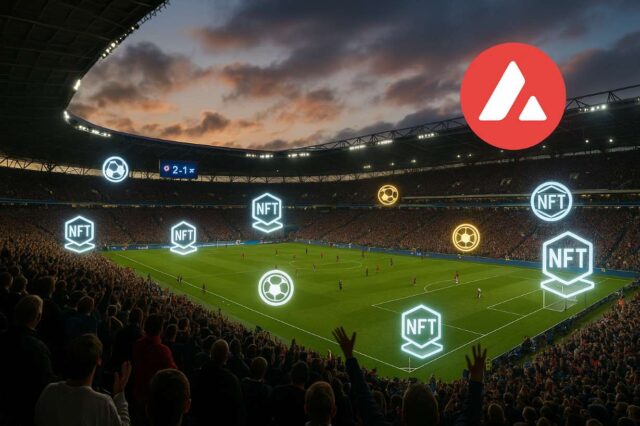
Photo-realistic image of a packed football stadium with NFT icons and Avalanche blockchain branding overlayed, representing FIFA’s Layer 1 blockchain fan engagement platform.

FIFA has officially partnered with Avalanche to develop a dedicated Layer 1 blockchain tailored to the global football audience. This strategic move signals a significant shift in FIFA’s Web3 strategy and marks a step forward in integrating blockchain technology into mainstream sports engagement.

The primary goal of the collaboration is to create a highly scalable blockchain environment that enables FIFA to launch a variety of digital products — from football-themed NFT collectibles to immersive online fan experiences. The new infrastructure will run on an Avalanche subnet, leveraging its low-latency and high-throughput performance.

A Strategic Shift: From Algorand to Avalanche

Until recently, the football governing body had partnered with Algorand for its Web3 initiatives. It has now pivoted toward building its own ecosystem using Avalanche’s Layer 1 blockchain. The upcoming blockchain will be fully EVM-compatible, making it easier for developers to deploy decentralized applications that support Web3 sports utilities.

Avalanche has confirmed that FIFA’s subnet will be the technical backbone for its new Layer 1 blockchain. The subnet is already active, indicating progress toward live deployment.

Boosting Fan Engagement Through Web3

The organization’s blockchain ambitions go beyond infrastructure. It plans to enhance fan interaction with blockchain-native features such as collectible NFTs, token-based rewards, and virtual events. The goal is to seamlessly and securely bridge traditional football audiences with Web3-native experiences.

The new platform is expected to support various digital engagement tools. Features like virtual meet-and-greets, gamified challenges, and exclusive NFT drops tied to real-world football events will be accessible to a global audience through FIFA’s upcoming mobile game, “FIFA Rivals,” developed in collaboration with Web3 gaming studios.

AVAX Market Reaction and Infrastructure Advantages

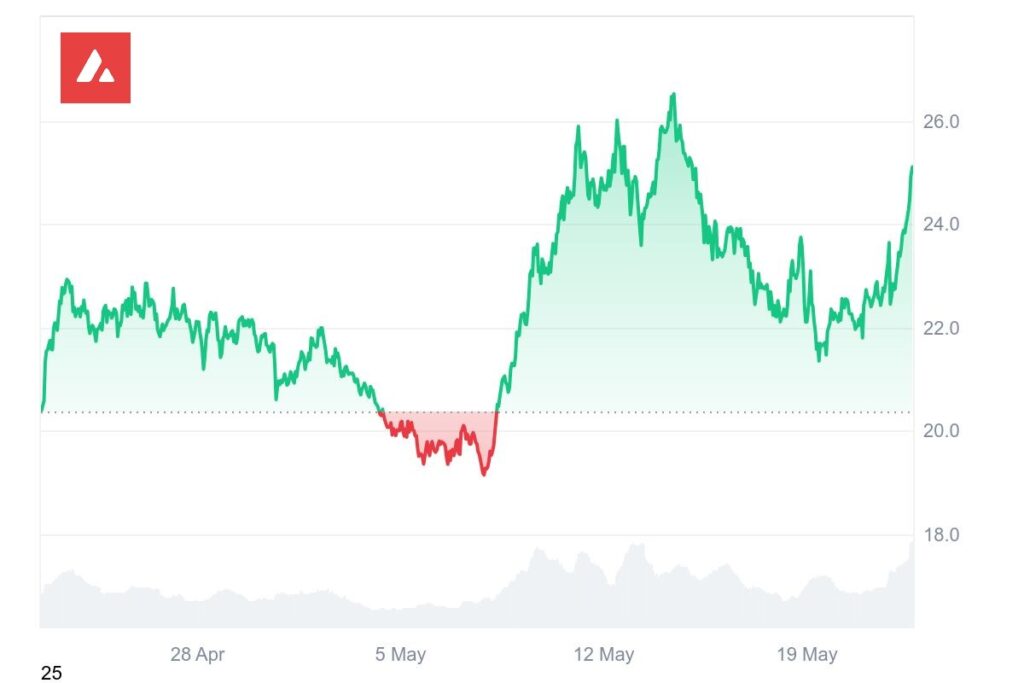
Following the announcement, Avalanche’s native token AVAX saw a price increase of over 10%. The market response underscores investor confidence in the blockchain’s growing utility and association with one of the world’s most recognized sports brands.

Source: CoinMarketCap

Avalanche’s architecture features subnets, sub-second finality, and customizable blockchain environments. These characteristics make it ideal for high-traffic applications like those envisioned by FIFA. The technical capabilities provide a strong foundation for what the organization hopes will become a long-term Web3 ecosystem.

Conclusion: FIFA’s Blockchain Ambitions Set a New Standard for Global Fan Engagement

FIFA’s partnership with Avalanche to launch a Layer 1 blockchain reflects a calculated move to redefine digital fan engagement. The use of Avalanche’s infrastructure provides the flexibility, scalability, and developer access required to build a robust sports-centric Web3 environment. As the FIFA blockchain evolves, it may set a precedent for how global sports entities can use blockchain technology to connect with fans worldwide.

By embedding blockchain into its fan outreach strategy, FIFA signals that the future of football will be increasingly decentralized, interactive, and digital. Avalanche’s Layer 1 blockchain will be the cornerstone of this transformation.

Readers’ frequently asked questions

What is a Layer 1 blockchain, and why is FIFA building one?

A Layer 1 blockchain is the foundational infrastructure for a blockchain ecosystem. It handles all on-chain transactions and smart contracts. FIFA is building its own Layer 1 on Avalanche to support high-speed, scalable applications for global fan interaction.

Will FIFA launch its own cryptocurrency or token?

As of now, there is no confirmation that FIFA will launch its own cryptocurrency. The focus is on creating a blockchain-based ecosystem for NFTs, digital collectibles, and gamified experiences tied to football events.

What is Avalanche’s role in the project?

Avalanche provides the technical framework through its subnet architecture. FIFA’s new blockchain will operate as a dedicated subnet within the Avalanche network, allowing FIFA to customize features, scale efficiently, and maintain interoperability with other EVM-compatible platforms.

What Is In It For You? Action Items You Might Want to Consider

FIFA’s involvement is boosting visibility and use-case credibility for Avalanche. If you’re a trader or investor, watch how AVAX performs following major announcements or ecosystem developments.

Explore upcoming NFT drops and Web3 campaigns

Football fans and collectors should monitor FIFA’s digital collectible launches and game-based activations. Early participation in official NFT campaigns may offer perks, access, or resale opportunities.

Stay informed about FIFA’s blockchain rollout

This marks a new era of blockchain adoption in global sports. Keep an eye on technical updates, developer access, and user onramps as FIFA scales its Layer 1 initiative.

$400M Fallout: Coinbase Faces Lawsuits, Backlash After Data Breach Hits 69,000 Users

Coinbase data breach leads to serious legal fallout for the company

Editor’s Note – May 25, 2025: This article has been updated with new details on how the breach enabled real-world scams, resulting in user fund losses. Jump to the update.

Coinbase is facing growing legal and financial pressure after confirming that a months-long data breach affected 69,461 customers. The breach, now linked to insider manipulation, has triggered at least six lawsuits. It could cost the exchange as much as $400 million in remediation and liability expenses.

The breach occurred between December 2024 and May 2025. However, its full scope only came to light through a regulatory disclosure in May. With sensitive customer data compromised, including names, home addresses, government-issued IDs, and account balances, this Coinbase data breach now ranks among the most serious security failures ever reported by a major cryptocurrency platform.

Scope and Timeline of the Coinbase Data Breach

According to a filing with the Maine Attorney General’s office, the breach impacted tens of thousands of users across Coinbase’s global customer base. The leaked information included personally identifiable data but did not affect user funds or private keys.

Coinbase initially confirmed the incident on its blog, revealing that the data breach had persisted undetected for several months. While the company maintained that funds remained secure, it acknowledged that the data leak exposed customers to phishing, fraud, and reputational risks.

Insider Threat and Method of Attack

Further investigation revealed that the attackers gained access by exploiting insider access. Coinbase stated that overseas customer support agents were bribed to provide login credentials, enabling unauthorized access to internal systems.

The insider threat raises critical questions about the risks of outsourcing sensitive functions to third-party vendors. Though common in the crypto industry, this practice has drawn criticism for reducing oversight and increasing exposure to social engineering attacks.

Coinbase’s Financial Exposure and Response to the Data Breach

The financial fallout from the breach is substantial. Coinbase estimated its losses could reach between $180 million and $400 million. These costs include incident response, customer notifications, and potential reimbursements.

The attackers demanded a $20 million ransom in exchange for suppressing the data. Coinbase refused to negotiate. Instead, it offered a $20 million bounty for information leading to the identification and arrest of those responsible.

As of mid-May, at least six lawsuits had been filed against Coinbase in U.S. courts. Plaintiffs allege the company failed to implement adequate safeguards to protect user data. They also argue that Coinbase delayed disclosing the data breach.

Some cases could evolve into a Coinbase class action. Claimants are seeking damages and demanding that the company hire independent security auditors. The litigation adds pressure on Coinbase to reform its data governance practices.

Public and Industry Backlash

The breach has drawn sharp criticism from tech leaders. TechCrunch founder Michael Arrington warned the leak could lead to physical threats against high-net-worth users. He criticized Coinbase’s decision to outsource customer support as a critical failure.

https://twitter.com/arrington/status/1924587249674412266

The Coinbase data breach has renewed scrutiny on centralized exchanges. Industry voices are calling for better vendor oversight and tighter data protection protocols.

What Comes Next

Coinbase has confirmed that it is cooperating with U.S. law enforcement, including the FBI. Internally, the exchange is rotating credentials, tightening access controls, and reassessing third-party vendor policies.

The reputational damage and legal risk remain unresolved. Future regulatory findings and court outcomes will determine the long-term impact on the platform and its users.

Update – Social Engineering Attacks Linked to Data Breach

Although Coinbase initially reported that no customer funds were stolen during the breach itself, new developments show that the situation is more complex. The personal information leaked—including names, contact details, and account balances—has been used in social engineering scams targeting affected users.

According to Coinbase’s official disclosures and follow-up investigations, attackers impersonated Coinbase staff using stolen data and tricked customers into transferring assets. Some users ultimately lost funds by authorizing transactions under false pretenses. Coinbase has since confirmed that it is reimbursing victims and cooperating with law enforcement agencies.

The total scope of these scams is not publicly known. However, one incident making headlines involves an attacker moving approximately $42 million in Bitcoin across multiple chains. The same wallet later posted an on-chain message mocking blockchain investigator ZachXBT, fueling speculation that the actor is connected to the broader breach.

This new layer of damage significantly expands the breach’s implications. What began as a leak of sensitive data has now evolved into a live criminal campaign involving financial theft, impersonation, and reputational trolling. Coinbase continues to offer a $20 million bounty for information leading to the identification of the perpetrators.

The Coinbase data breach exposed more than just technical flaws. It revealed how vulnerable crypto platforms remain to human lapses and governance gaps. As regulatory pressure mounts, this case may redefine how accountability is enforced across the industry.

Readers’ frequently asked questions

What information was leaked in the Coinbase data breach?

The breach exposed customer names, residential addresses, email addresses, phone numbers, government-issued IDs, and account balances. While no crypto funds were stolen, the stolen data can be used for phishing, identity theft, or physical targeting of users with high balances.

How did the attackers gain access to Coinbase systems?

According to Coinbase, the attackers bribed contracted customer service agents working overseas. With their login credentials, the attackers accessed internal support tools and systems. This insider breach bypassed external security barriers and allowed deep access to user data.

What is Coinbase doing for affected users?

Coinbase has stated it is notifying all users whose data was exposed in the breach. The company is cooperating with law enforcement and has offered a $20 million bounty to help identify the attackers. While no crypto assets were stolen, affected users may still face risks from scams or identity misuse. Several lawsuits have been filed alleging that Coinbase failed to protect user data, and those legal cases may lead to compensation depending on the outcomes.

What Is In It For You? Action Items You Might Want to Consider

Freeze or limit data sharing with exchanges

Where possible, avoid uploading personal documents unless required. Opt out of unnecessary account features that expose more personal data. The less data stored on centralized platforms, the lower your exposure in case of future breaches.

Check if the Coinbase data breach affects you and secure your accounts

If you have a Coinbase account, monitor for official breach notifications. Even if you’re not notified, assume risk if you used the platform during the breach window. Update passwords, enable 2FA, and use a password manager to protect against credential stuffing and phishing.

Major breaches often spark new compliance standards and enforcement trends. If you trade frequently or operate a crypto business, pay attention to how regulators respond. New user data protection laws or platform restrictions could affect your operations or market exposure.

- Advertisement -

FEATURED