Home Blog Page 139

Empowering Creators: How Sony’s Soneium Blockchain Redefines Fan Engagement

Soneium is the blockchain for creators.

Sony has officially entered the blockchain space with the launch of Soneium, a Layer 2 blockchain platform built on Ethereum. More than a technological feat, this platform promises a paradigm shift in the creator economy, leveraging blockchain technology to redefine how artists and fans connect. With features like NFT-based engagement and the innovative Soneium Spark incubator program, Sony aims to empower creators and revolutionize fan experiences in the Web3 era.

A Platform Built for Creators and Fans

Soneium distinguishes itself by focusing on equitable value distribution. The platform allows creators to mint and sell NFTs directly to their fanbase, fostering a more intimate and financially rewarding relationship. At the heart of this initiative is Soneium Spark, an incubator program designed to nurture creative talent. This program provides technical and marketing support. It ensures that creators retain control over their intellectual property, an often-neglected aspect of traditional digital marketplaces.

Sony’s strategy extends beyond blockchain as a technology and into its broader entertainment ecosystem. Plans are underway to integrate Soneium with its music, film, and gaming divisions. It will position the platform as a decentralized hub for fans and creators alike. This cross-industry approach reflects Sony’s ambition to bridge the gap between Web2 and Web3, bringing blockchain’s potential to a mainstream audience.

https://twitter.com/soneium/status/1878988222866350348

The Controversy: Meme Coin Blacklisting

While Soneium’s features have garnered praise, its launch has not been without controversy. Sony’s decision to blacklist certain meme coins from its ecosystem has sparked heated debate within the crypto community. Critics argue that this move undermines blockchain’s decentralized ethos. Supporters, on the other hand, see it as a necessary step to ensure quality and security within the platform.

The blacklisting raises broader questions about the balance between decentralization and oversight in blockchain platforms. Sony’s curated approach aims to create a safer and more reliable ecosystem, particularly for users new to blockchain technology. However, this stance risks alienating segments of the crypto community who prioritize unrestricted access and decentralized principles.

Transforming the Creator Economy

Despite the criticism, Soneium represents a significant opportunity for creators in the blockchain space. Its user-friendly design and focus on intellectual property protection address key challenges faced by artists navigating Web3. By prioritizing equitable value distribution, the platform could become a model for future blockchain-based creator economies.

As Sony integrates Soneium across its entertainment divisions, it sets the stage for a more interactive and rewarding fan experience. Whether it’s a musician offering exclusive NFTs to superfans or a filmmaker crowdsourcing ideas through blockchain-based voting, Soneium promises to transform how creators and audiences engage.

A New Standard for Blockchain Platforms?

Sony’s entry into blockchain is a bold move that underscores the technology’s growing significance across industries. While its approach to curation may be contentious, Soneium’s potential to empower creators and enhance fan engagement is undeniable. By combining blockchain’s capabilities with Sony’s extensive reach in entertainment, Soneium could pave the way for a new era of Web3 innovation.

Time will tell if Sony’s vision aligns with the decentralized ideals of the blockchain community. Still, one thing is clear: Soneium has opened the door to exciting possibilities for creators and fans alike.

Readers’ frequently asked questions

What are NFTs, and how do they work in Soneium’s ecosystem?

NFTs, or non-fungible tokens, are unique digital assets representing ownership of specific items or content, such as artwork, music, videos, or collectibles. In Soneium’s ecosystem, NFTs act as a bridge between creators and fans. A musician, for example, can mint a limited-edition album as an NFT and sell it directly to fans, who then hold verifiable proof of ownership on the blockchain. Unlike traditional digital downloads, NFTs can also grant additional perks, like exclusive content or invitations to private events. These interactions create new revenue streams for creators and foster a deeper sense of connection with their audience.

Why did Sony blacklist certain meme coins, and does it affect regular users?

Sony’s decision to blacklist meme coins is primarily about quality control and security. Meme coins, often created without robust use cases, can be speculative and risky. By excluding these coins, Sony aims to build trust and attract users unfamiliar with the blockchain space. It wants Soneium to remain a reliable and scam-free environment. For regular users, this decision might limit certain speculative opportunities, but it also provides a safer ecosystem for exploring blockchain-based fan engagement. This curated approach helps new users engage with blockchain features without worrying about potential pitfalls associated with high-risk tokens.

How is Soneium different from other blockchain platforms?

Soneium differentiates itself through its focus on the creator economy and its integration with Sony’s entertainment divisions. Unlike many generic blockchain platforms, Soneium is tailored specifically for artists, musicians, filmmakers, and other creators. It introduces features like the Soneium Spark incubator program. The program supports creators by providing tools to mint NFTs, connect with fans, and retain control over their intellectual property. Additionally, Sony’s extensive reach in entertainment allows Soneium to blend traditional media with blockchain innovation, creating unique opportunities for fan engagement that other platforms, lacking such cross-industry influence, cannot match. This combination of blockchain technology and entertainment expertise sets Soneium apart in the Web3 landscape.

What Is In It For You? Action Items You Might Want to Consider

Explore NFT Investment Opportunities on Soneium

Consider diversifying your portfolio by investing in NFTs minted on Soneium. As a platform designed with creators in mind, it may attract high-quality and exclusive digital assets from prominent artists, musicians, and filmmakers. Early adoption could position you to capitalize on unique NFT releases that could gain value as the platform grows.

Stay Informed About Meme Coin Policy Changes

If you trade meme coins, monitor Soneium’s policies closely. While the current blacklist restricts certain tokens, any shifts in Sony’s stance or new developments might open opportunities for trading or create ripple effects on meme coin markets tied to Soneium’s ecosystem. Adapt your strategies accordingly to align with these potential changes.

Leverage the Soneium Ecosystem for Creator-Focused Investments

Soneium’s integration across Sony’s entertainment divisions could generate new revenue streams tied to creative projects. Keep an eye on collaborations, tokenized crowdfunding campaigns, or fan-driven initiatives emerging from the platform. These opportunities could provide unique, blockchain-backed investments that align with Sony’s broader entertainment ventures, offering both financial and cultural value.

Blockchain Meets the Real World: How ROAM and Solana Are Changing Wireless Networks

Solana and ROAM revolutionizes wireless networks with blockchain

Blockchain technology, once primarily associated with cryptocurrencies, is now stepping into the physical realm with transformative applications. ROAM, a decentralized communication network powered by Solana, exemplifies how blockchain is redefining traditional industries. Together, ROAM and Solana are building a global wireless network that empowers users to contribute to and benefit from decentralized internet infrastructure. This collaboration marks a significant milestone in blockchain adoption and its integration into real-world use cases.

The Rise of Decentralized Wireless Networks

The concept of Decentralized Physical Infrastructure Networks (DePINs) represents a paradigm shift in how infrastructure is built and managed. Instead of relying on centralized entities to deploy and maintain networks, DePINs utilize blockchain to distribute these responsibilities among a global network of participants. ROAM is a leading example of this model, leveraging Solana’s high-performance blockchain to build a decentralized wireless communication network.

ROAM’s network has achieved remarkable growth, with over 1 million nodes deployed worldwide and nearly 900,000 daily check-ins. These nodes provide connectivity to more than 1 million Wi-Fi points, enabling users to access the internet in a decentralized manner. The network’s success demonstrates the scalability and efficiency of blockchain-enabled infrastructure.

Solana’s Role in Powering DePINs

Solana’s blockchain infrastructure has been instrumental in ROAM’s rapid expansion. Known for its low transaction costs and high throughput, Solana provides the scalability necessary for a project of ROAM’s magnitude. By utilizing Solana’s blockchain, ROAM ensures that its network remains fast, reliable, and secure, even as it scales to accommodate millions of users.

This synergy between Solana and ROAM highlights the broader potential of blockchain technology in physical infrastructure. Solana has positioned itself as a hub for DePIN projects, offering a platform for innovative solutions that blend blockchain with real-world applications.

A Decentralized Vision for Connectivity

ROAM’s mission aligns with the broader goals of decentralization: reducing dependency on centralized providers and empowering individuals to contribute to and benefit from network infrastructure. By allowing users to operate nodes and participate in network expansion, ROAM fosters a more equitable and inclusive internet ecosystem.

Moreover, the decentralized nature of ROAM’s network enhances its resilience. Unlike traditional networks that can be disrupted by single points of failure, ROAM’s distributed infrastructure ensures greater reliability and security.

Challenges and Opportunities

While the growth of ROAM and other DePIN projects is promising, challenges remain. The adoption of decentralized networks depends on user education, robust technical support, and the ability to compete with established providers. Additionally, regulatory uncertainties surrounding blockchain and decentralized infrastructure could impact future developments.

However, the opportunities are vast. By integrating blockchain technology into physical networks, projects like ROAM and Solana pave the way for innovations in accessibility, affordability, and security. Their success could inspire further advancements in sectors ranging from telecommunications to energy and beyond.

ROAM and Solana’s collaboration represents a pivotal moment in blockchain’s journey from virtual to physical applications. By leveraging blockchain’s transparency, scalability, and decentralization, they are transforming the way wireless networks are built and managed. As ROAM continues to grow, it provides a glimpse into a future where blockchain technology underpins not just digital assets but also the essential infrastructure of the physical world. This evolution underscores blockchain’s potential to drive innovation across industries and reshape how we connect and interact in the modern age.

Readers’ frequently asked questions

How does ROAM’s decentralized wireless network actually work, and what role do users play in it?

ROAM’s decentralized wireless network relies on a model called Decentralized Physical Infrastructure Networks (DePINs). Instead of a single company installing and maintaining the infrastructure, ROAM enables individuals or organizations to operate nodes, which are essentially access points for wireless connectivity. These nodes contribute to the network’s expansion and functionality. Users who operate nodes earn rewards or incentives for their participation, making it a community-driven system. The blockchain records the activity and transactions within the network, ensuring transparency and fairness in distributing these rewards.

Why does ROAM use Solana instead of other blockchains like Ethereum?

ROAM chose Solana because it offers high-speed transactions and low fees, both of which are crucial for managing a decentralized wireless network with millions of daily interactions. Unlike Ethereum, which has faced challenges with scalability and high gas fees, Solana’s architecture is designed for high throughput, allowing it to process thousands of transactions per second. This makes Solana an ideal choice for real-world applications like ROAM, where efficiency and affordability are paramount for scalability.

Can I use ROAM’s network, and if so, what do I need to get started?

Yes, you can use ROAM’s network, whether as a user accessing decentralized Wi-Fi or as a node operator contributing to the network. To access Wi-Fi, you would connect to one of the nodes within ROAM’s ecosystem, which may require setting up a wallet or using a specific app to pay for usage via blockchain-based transactions. If you’re interested in becoming a node operator, you would need to purchase and set up a compatible device to act as a node, register it within ROAM’s system, and ensure it stays connected to provide service. The network rewards node operators based on their contributions, such as uptime and data throughput.

What Is In It For You? Action Items You Might Want to Consider

Explore Opportunities in DePIN Ecosystems Like Roam

As a trader, consider investigating the growing ecosystem of Decentralized Physical Infrastructure Networks (DePINs) like ROAM. These networks are gaining traction, and their tokens or associated assets may present promising investment opportunities. Research ROAM’s developments on the Solana blockchain and assess its tokenomics, partnerships, and adoption metrics to gauge potential market value.

Monitor Solana’s Role in Real-World Blockchain Applications

Solana’s increasing adoption in projects like ROAM positions it as a critical player in bridging blockchain technology with real-world infrastructure. Keep an eye on Solana’s ecosystem developments and performance metrics. Analyzing its role in DePIN projects can offer insights into broader market trends and opportunities for long-term investment strategies.

Assess Node Operation as a Passive Income Strategy

If you’re open to diversifying your income streams, consider the feasibility of participating as a node operator in ROAM’s network. Operating a node allows you to earn rewards while contributing to decentralized infrastructure. Before diving in, calculate the costs of node equipment, setup, and potential earnings to determine whether this aligns with your financial goals and trading strategies.

No, the U.S. Government Hasn’t Sold $6.5 Billion Silk Road Bitcoin Yet

The US government is holding on to $6.5B worth of Bitcoins seized from the Silk Road exchange.

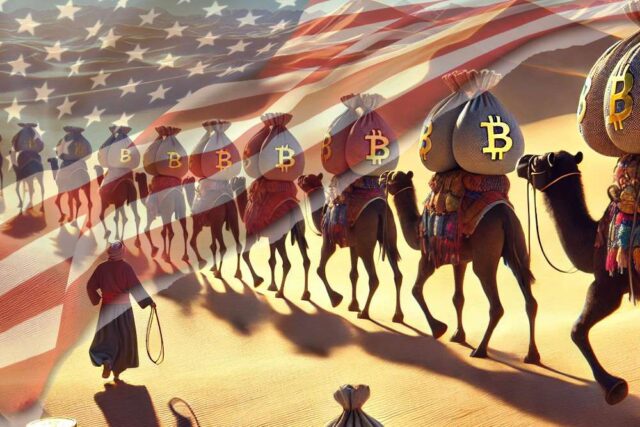
Despite widespread speculation, the U.S. government has not yet liquidated the 69,370 Bitcoins it seized in connection with the Silk Road case. Valued at approximately $6.5 billion, these assets remain under government control, with blockchain data confirming that no transactions have been made to external wallets or exchanges. However, rumors of an imminent sale have caused panic among some investors, contributing to Bitcoin’s recent price volatility. This article aims to separate fact from fiction and clarify the timeline for the potential liquidation of these seized funds.

Background: The Silk Road Bitcoin Seizure

The Bitcoins in question originate from the infamous Silk Road, a darknet marketplace shut down by U.S. authorities in 2013. These funds were later surrendered to the U.S. government by “Individual X,” a hacker who exploited vulnerabilities in the platform. In 2020, the U.S. Department of Justice (DOJ) transferred the 69,370 Bitcoins to government-controlled wallets, marking one of the largest cryptocurrency seizures in history.

Recent court rulings have authorized the DOJ to liquidate these assets. The clearance, confirmed in early January 2025, follows years of legal proceedings. However, while the authorization is in place, no sale has occurred to date.

Debunking Rumors of an Imminent Sale

Speculation about a possible sale intensified after the court’s decision. Blockchain watchers and traders quickly noticed movements of smaller test transactions involving government-controlled Bitcoin wallets, leading some to believe a large-scale sale was imminent. However, these test transactions are standard practice to verify wallet access and prepare for future liquidation processes, not indicators of immediate action.

In fact, blockchain analysis platforms confirm that the seized Bitcoins remain in their original government-controlled addresses. The U.S. Marshals Service, historically responsible for managing such sales, has not announced any upcoming auctions or sales of these assets.

Impact on Bitcoin Prices

The mere prospect of the U.S. government liquidating such a large amount of Bitcoin has had an outsized impact on market sentiment. Bitcoin’s price saw a sharp decline following the news of the court’s approval, with many traders fearing that a sudden influx of 69,370 BTC into the market could create downward pressure.

Historical precedent, however, suggests otherwise. Previous auctions of seized Bitcoins by the U.S. government, including those from earlier Silk Road cases, were conducted in controlled batches and did not lead to significant market disruption. Analysts expect a similar approach this time, aiming to minimize market impact.

What Happens Next?

The timing and method of liquidation remain uncertain. The U.S. Marshals Service is likely to conduct the sale through a series of auctions or other controlled mechanisms, as has been the norm in past instances. These sales often attract institutional buyers, who typically acquire the assets at market or near-market prices.

It is important for market participants to rely on verified information and updates directly from the DOJ or U.S. Marshals Service to avoid unnecessary panic. Blockchain monitoring tools and government announcements will be key resources for staying informed about the status of the Silk Road Bitcoins.

The U.S. government’s authorization to sell the Silk Road Bitcoins is a significant development, but no sale has occurred as of now. Blockchain data confirms that the funds remain securely in government-controlled wallets. Traders and investors should be cautious of rumors and focus on verified updates to navigate this unfolding situation. By separating fact from fiction, the cryptocurrency community can mitigate unnecessary volatility and better understand the implications of this high-profile case.

Readers’ frequently asked questions

Why does the U.S. government sell seized Bitcoins instead of holding onto them?

The U.S. government typically sells seized assets, including cryptocurrencies, because holding onto them indefinitely is not part of its mandate. Assets like Bitcoin are liquidated to convert them into fiat currency, which is then returned to victims, used to fund law enforcement initiatives, or allocated to government budgets as appropriate. This approach ensures that the government doesn’t act as a long-term market participant in volatile assets like cryptocurrencies and minimizes the risk of mismanaging these holdings.

What is a government-controlled wallet, and how can we verify these Bitcoins haven’t been sold yet?

A government-controlled wallet is a cryptocurrency wallet managed by a government entity, such as the U.S. Marshals Service or Department of Justice. These wallets hold confiscated digital assets securely until they are auctioned or liquidated. Blockchain technology allows public transparency, meaning anyone can track the funds by monitoring the wallet addresses associated with the government. In this case, blockchain analysis tools show that the 69,370 Bitcoins remain unmoved from these wallets, confirming that no sale has occurred yet.

How could the sale of $6.5 billion in Bitcoin affect the market if it happens?

The impact depends largely on how the sale is conducted. If the U.S. government sells the Bitcoins in large, sudden batches on open exchanges, it could flood the market and drive prices down due to increased supply. However, historical precedent suggests the government is likely to auction the assets in controlled tranches, selling them to institutional buyers over time. This method limits the potential for significant market disruption. While the sheer volume of the sale raises concerns, previous auctions of smaller Bitcoin holdings had minimal long-term effects on prices.

What Is In It For You? Action Items You Might Want to Consider

Keep an Eye on Blockchain Monitoring Tools

Stay informed about the status of the Silk Road Bitcoins by using blockchain tracking platforms to monitor government-controlled wallets. By doing so, you can quickly identify any significant movements and anticipate potential market impacts. This proactive approach can help you position your trades effectively.

Avoid Reacting to Unverified Rumors

Market rumors about imminent large-scale Bitcoin sales can spark unnecessary panic. Instead, rely on verified updates from credible sources such as the DOJ or the U.S. Marshals Service. This will help you make rational, informed decisions rather than reacting emotionally to speculative news.

Prepare for Potential Market Volatility

While past government Bitcoin sales have been controlled, the scale of this liquidation could still create short-term price fluctuations. Consider setting stop-loss orders or diversifying your portfolio to safeguard your investments. Remaining flexible and prepared for shifts in market sentiment will give you an edge in navigating potential volatility.

Tether Finds a New Home: El Salvador Becomes the Global HQ for the Stablecoin Giant

Tether moves HQ to El Salvador

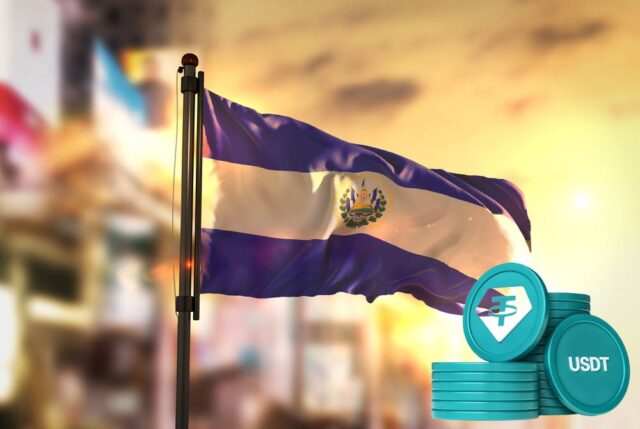
Tether, the world’s leading stablecoin issuer, has announced its decision to relocate its global headquarters to El Salvador after securing a Digital Asset Service Provider (DASP) license in the country. This move reinforces El Salvador’s position as a global pioneer in cryptocurrency adoption. It also signals Tether’s commitment to aligning with regulatory frameworks that encourage innovation. By establishing its physical base in the Bitcoin-centric nation, Tether aims to bolster financial inclusion and strengthen its position amidst growing scrutiny in traditional markets.

El Salvador: A Haven for Crypto Innovation

El Salvador cemented its reputation as a cryptocurrency trailblazer when it became the first country in the world to adopt Bitcoin as legal tender in 2021 under President Nayib Bukele. The government has since implemented initiatives to create a robust infrastructure supporting digital assets. That includes Bitcoin bonds and regulatory frameworks designed to attract blockchain-based businesses. Tether’s decision to establish its headquarters in El Salvador underscores the nation’s appeal as a hub for innovation in the crypto space.

The DASP license obtained by Tether is a key milestone. It grants the company the regulatory approval to operate within El Salvador’s growing digital economy. This move reflects Tether’s strategic alignment with jurisdictions that support blockchain innovation and provide a clear regulatory path for cryptocurrency firms to thrive.

https://twitter.com/CrispyBull/status/1867267575006343490

Tether’s Strategic Relocation

The decision to relocate comes as stablecoins face increased scrutiny from regulators in traditional markets such as the United States and the European Union. By moving its headquarters to a jurisdiction with a favorable crypto environment, Tether positions itself to navigate these challenges more effectively. According to Tether’s CEO, Paolo Ardoino, the move aligns with the company’s mission to foster global Bitcoin adoption and support financial inclusion in emerging markets.

Although Tether will establish a physical headquarters in El Salvador, it has clarified that much of its workforce will continue to operate remotely. This approach reflects the company’s broader operational model while solidifying its regional commitment.

Implications for Tether and the Industry

Tether’s relocation to El Salvador significantly impacts the global cryptocurrency industry. With over two-thirds of the $212 billion stablecoin market under its control, Tether’s choice of headquarters could influence other blockchain companies to consider El Salvador as a potential base. The move also reinforces the narrative that jurisdictions with progressive crypto policies can attract industry leaders and foster economic growth.

For El Salvador, hosting Tether’s headquarters further validates its efforts to establish itself as a global leader in cryptocurrency adoption. The presence of such a high-profile crypto firm is expected to stimulate local job creation, attract additional investment, and promote innovation within the country’s financial ecosystem.

Tether’s relocation marks a turning point for both the company and the crypto sector. By choosing El Salvador, Tether underscores the importance of regulatory clarity and crypto-friendly policies in driving the industry forward. As the stablecoin giant establishes its global headquarters in the world’s first Bitcoin nation, this partnership exemplifies the symbiotic relationship between forward-thinking governments and blockchain innovators. It remains to be seen how this move will influence broader adoption and regulatory trends. However, one thing is clear: Tether and El Salvador are setting a bold precedent for the future of cryptocurrency.

Readers’ frequently asked questions

What exactly is a Digital Asset Service Provider (DASP) license, and why is it important for Tether?

A Digital Asset Service Provider (DASP) license is a regulatory approval allowing a company to legally offer cryptocurrency-related services within a specific jurisdiction. For Tether, obtaining this license in El Salvador ensures compliance with the country’s legal framework. It grants the company the ability to operate without facing regulatory roadblocks. This is particularly significant as global scrutiny of stablecoins intensifies. By aligning with local laws, Tether gains legitimacy but also demonstrates its commitment to adhering to clear and supportive regulations. This should instill confidence in its operations and further its adoption.

What is Tether, and how does its stablecoin, USDT, work?

Tether is a company that issues USDT, a type of cryptocurrency known as a stablecoin. Stablecoins are designed to maintain a stable value by being pegged to a traditional currency, such as the US dollar. In Tether’s case, each USDT is intended to represent one US dollar, supported by reserves held by the company. This makes USDT less volatile compared to other cryptocurrencies like Bitcoin. It’s this stability that makes it suitable for trading, transferring money, and storing value.

Will Tether’s move to El Salvador affect how USDT is used globally?

No, Tether’s relocation will not change how USDT is used globally. USDT will continue to function as a stablecoin available on various blockchain networks. Its relocation simply means that the company’s headquarters will now be based in El Salvador. Users around the world can still trade, transfer, and utilize USDT in the same manner as before, regardless of Tether’s physical location. The move primarily affects Tether’s regulatory and operational base, not the usability or availability of its stablecoin.

What Is In It For You? Action Items You Might Want to Consider

Monitor Stablecoin Market Trends

With Tether relocating its headquarters to El Salvador, the regulatory environment supporting USDT is becoming more favorable. Traders should keep an eye on any potential shifts in stablecoin usage or adoption rates, as these could influence liquidity and trading strategies across global markets.

Explore Trading Opportunities in Emerging Markets

El Salvador’s growing emphasis on cryptocurrency adoption, bolstered by Tether’s presence, could spark new opportunities in emerging markets. Consider diversifying your trading portfolio to include cryptocurrencies and blockchain projects that may gain traction in crypto-friendly regions like El Salvador.

Evaluate the Impact of Regulatory Changes

The move highlights the importance of jurisdictional regulations on crypto companies. Stay informed about evolving global crypto regulations, as these can impact the operations of major players like Tether and subsequently affect market stability, exchange policies, and trading environments. Aligning your strategies with regulatory developments could offer a competitive edge.

Polymarket Under Fire: U.S. and Singapore Crack Down on Crypto Prediction Markets

Authorities cracking down on Polymarket, categorizing it as online gambling

Polymarket, a decentralized prediction market platform, finds itself at the epicenter of regulatory scrutiny. Authorities in the United States and Singapore take aggressive actions against its operations. These developments underscore the growing tension between innovative blockchain platforms and global regulatory frameworks aimed at ensuring compliance and consumer protection.

U.S. Regulatory Action

In the United States, the Commodity Futures Trading Commission (CFTC) has intensified its investigation into Polymarket. The agency has subpoenaed customer data from Coinbase, focusing on the platform’s alleged offering of unregistered derivatives. This is not Polymarket’s first encounter with the CFTC. In 2022, the commission fined Polymarket $1.4 million for operating without proper registration. The recent subpoena signals the regulator’s continued scrutiny of decentralized finance (DeFi) platforms potentially operating in violation of U.S. law.

Adding to Polymarket’s legal woes, the Federal Bureau of Investigation (FBI) recently conducted a search of CEO Shayne Coplan’s Manhattan residence. During the raid they seized electronic devices, further highlighting the seriousness of the investigation. While details of the allegations remain under wraps, the actions by U.S. authorities reflect a broader effort to enforce existing financial regulations in the rapidly evolving crypto landscape.

Singapore Bans Polymarket as Illegal Gambling Site

In a separate but equally significant development, Singapore’s Gambling Regulatory Authority (GRA) has blocked access to Polymarket, categorizing it as an “illegal gambling site.” Singapore’s stringent gambling laws only permit state-licensed operators. GRA warns that individuals accessing unlicensed platforms could face fines of up to SGD 10,000, imprisonment for up to six months, or both.

Singapore’s actions are part of a broader crackdown on online gambling. The decision to target Polymarket reflects the government’s concern over consumer protection and regulatory compliance. Similar moves have been observed in other jurisdictions, including Taiwan and France, which have also restricted access to the platform.

The Broader Implications

Polymarket’s predicament is emblematic of the challenges faced by decentralized platforms operating in regulatory gray areas. While blockchain-based prediction markets offer innovative ways for users to speculate on real-world events, they also blur the lines between gambling and financial products. This ambiguity has made them a focal point for regulators seeking to establish clear guidelines for emerging technologies.

The regulatory actions against Polymarket could set a precedent for other decentralized platforms. As governments worldwide grapple with the complexities of DeFi, platforms that fail to comply with local laws may find themselves facing similar scrutiny. At the same time, these developments raise questions about the balance between fostering innovation and ensuring consumer safety.

The crackdown on Polymarket by the United States and Singapore highlights the growing regulatory pressure on crypto-based platforms. While these actions aim to protect consumers and maintain oversight, they also underscore the challenges of navigating a rapidly evolving digital landscape. For Polymarket and similar platforms, the path forward will likely require greater transparency, compliance, and collaboration with regulators to ensure their long-term viability in the global financial ecosystem.

Readers’ frequently asked questions

What is a decentralized prediction market like Polymarket?

A decentralized prediction market is a platform that allows users to place bets or speculate on the outcomes of real-world events, such as elections or sports results, using cryptocurrencies. Unlike traditional betting platforms, these markets are typically built on blockchain technology, which ensures transparency and removes the need for a central authority. Polymarket operates in this space, enabling users to participate in prediction markets by leveraging the benefits of decentralized finance (DeFi).

What does it mean for Polymarket to be labeled an “illegal gambling site” in Singapore?

When Singapore’s authorities classify a platform as an “illegal gambling site,” it means the platform is operating without the required licenses to provide gambling services under the country’s laws. In the case of Polymarket, the platform’s activities, which involve betting on event outcomes, are considered gambling. Since Polymarket did not secure authorization to operate within Singapore, the government has blocked access to it. Users attempting to access such platforms can face penalties, including fines and imprisonment.

Why is the U.S. Commodity Futures Trading Commission (CFTC) involved with Polymarket?

The CFTC is responsible for regulating derivatives markets in the United States. Polymarket’s operations, which involve users speculating on event outcomes, may involve financial instruments classified as derivatives under U.S. law. The CFTC requires platforms offering such products to register with the agency and comply with its rules. Polymarket’s failure to register and adhere to these regulations prompted the CFTC’s investigation and earlier fines. The recent subpoena of customer data from Coinbase suggests the regulator is continuing its efforts to enforce compliance.

What Is In It For You? Action Items You Might Want to Consider

Stay Informed About Platform Legitimacy

Before using a crypto platform like Polymarket, ensure it complies with regulatory requirements in your country. Look for licenses or regulatory certifications on the platform\u2019s website and verify its status with local financial authorities. This can help you avoid legal risks and protect your funds from potential platform shutdowns or fines.

Be Cautious with Decentralized Platforms

While decentralized platforms offer innovative financial tools, they often operate in regulatory gray areas. If you trade or participate in prediction markets, make sure you fully understand how the platform operates, including its terms of service, risk factors, and potential legal implications in your region. This awareness can help you trade responsibly and avoid unintended consequences.

Diversify Trading and Investment Strategies

Regulatory actions, like those against Polymarket, highlight the risks associated with depending too heavily on a single platform or strategy. To minimize disruption, consider diversifying your trading activities across multiple compliant platforms and incorporating various asset classes into your portfolio. This approach can safeguard your investments and reduce exposure to regulatory challenges affecting specific platforms.

- Advertisement -

FEATURED