Home Blog Page 147

XRP Breaks Records as WisdomTree Drives Global Crypto Innovation with ETF and ETP Launches

WisdomTree takes significant steps to expand XRP’s accessibility

The cryptocurrency world is abuzz as WisdomTree, a leading asset management firm, takes bold steps to broaden XRP’s institutional reach. Through a dual strategy of launching a physical XRP Exchange-Traded Product (ETP) in Europe and filing for a spot XRP Exchange-Traded Fund (ETF) in the United States, WisdomTree aims to cement XRP’s place in the growing portfolio of crypto-based financial instruments. These initiatives come at a pivotal time, with Ripple’s XRP recently surging to a three-year high of $1.60, spurred by a combination of market optimism and partial legal victories against the U.S. Securities and Exchange Commission (SEC).

However, these developments underscore a stark contrast between Europe’s welcoming regulatory framework and the complex, uncertain environment in the United States.

XRP’s Market Momentum and Institutional Demand

Ripple’s XRP has emerged as a focal point in the cryptocurrency market. Its recent price surge reflects heightened interest among both retail and institutional investors. Ripple’s legal battles with the SEC over whether XRP should be classified as a security have not deterred its adoption. Instead, they’ve highlighted the potential of XRP as a bridge currency for global financial transactions, solidifying its value proposition.

This market momentum has driven WisdomTree’s initiatives, starting with the launch of the WisdomTree Physical XRP ETP. Traded on leading European exchanges, including Deutsche Börse Xetra, SIX Swiss Exchange, and Euronext in Paris and Amsterdam, the ETP provides a cost-effective solution for investors. With a management fee of just 0.50%, it is currently one of the most affordable XRP-linked products in Europe. Fully backed by physical XRP holdings, the product aligns with European regulatory standards that encourage crypto asset innovation while maintaining investor protection.

The U.S. Regulatory Challenge

In contrast to Europe’s supportive environment, the U.S. regulatory landscape poses significant challenges. WisdomTree’s filing for a spot XRP ETF with a Delaware trust represents a calculated risk in an uncertain environment. The SEC’s history of delaying or denying crypto ETF applications, coupled with its ongoing litigation against Ripple, underscores the complexities of operating in the U.S. market.

Despite these challenges, WisdomTree’s move signals confidence in the potential for regulatory progress. Ripple’s partial courtroom successes, where XRP was deemed not a security for certain types of transactions, have shifted the narrative. Combined with growing political and institutional pressure for crypto regulation, there’s cautious optimism that the SEC might soon adopt a more accommodating stance toward crypto ETFs.

Europe’s Advantage: A Haven for Crypto Innovation

Europe’s regulatory clarity and proactive approach to crypto innovation have made it a preferred destination for launching digital asset products. The European Union’s Markets in Crypto-Assets (MiCA) regulation offers a framework that balances innovation with investor protection. It provides companies like WisdomTree the confidence to roll out products like the Physical XRP ETP.

This environment not only fosters institutional investment but also positions Europe as a leader in the crypto financial products market. WisdomTree’s ETP success in Europe could serve as a blueprint for future products, bridging the gap between traditional finance and the rapidly evolving digital asset ecosystem.

The Broader Implications of XRP’s Institutional Push

WisdomTree’s initiatives highlight a broader trend in the cryptocurrency market: the growing institutional appetite for diversification beyond Bitcoin and Ethereum. XRP’s unique utility as a payment and settlement asset makes it an attractive addition to portfolios, particularly in a landscape increasingly driven by regulatory clarity and investor demand for legitimacy.

While Europe continues to set the pace for crypto adoption, the U.S. must navigate its regulatory hurdles to remain competitive. WisdomTree’s dual approach reflects a strategic bid to position XRP as a leading institutional asset. It capitalizes on Europe’s openness while preparing for potential breakthroughs in the U.S.

As XRP’s prominence grows and the demand for diversified crypto investment products rises, the question remains: will the U.S. catch up, or will it cede its leadership in financial innovation to Europe? WisdomTree’s journey might provide the answer.

Readers’ frequently asked questions

What is the difference between an ETP and an ETF, and why are both significant for XRP?

An Exchange-Traded Product (ETP) and an Exchange-Traded Fund (ETF) are both financial instruments that trade on stock exchanges. They provide investors with access to underlying assets like stocks, commodities, or cryptocurrencies. The key difference lies in their structure. ETPs, such as WisdomTree’s Physical XRP ETP, are typically backed directly by the asset they represent – in this case, XRP. This ensures that each ETP share corresponds to a specific amount of XRP held in reserve.

ETFs, on the other hand, are often structured to track the price of an asset or a basket of assets, sometimes without direct ownership of the underlying cryptocurrency. In the case of XRP, the ETF WisdomTree is proposing in the U.S. would allow investors to gain exposure to XRP’s price movements without needing to manage or hold XRP themselves. These products are significant because they offer a bridge for traditional investors into the crypto market, potentially driving wider adoption of XRP.

Why is the regulatory environment so different between Europe and the United States?

Europe has taken a proactive approach to regulating cryptocurrencies through frameworks like the Markets in Crypto-Assets (MiCA) regulation. This provides clear guidelines for companies looking to develop and launch crypto-related financial products, ensuring investor protection while fostering innovation. As a result, companies like WisdomTree can confidently launch products such as the Physical XRP ETP in European markets.

The U.S., however, lacks a unified regulatory framework for cryptocurrencies. Agencies like the Securities and Exchange Commission (SEC) and the Commodity Futures Trading Commission (CFTC) often overlap in their responsibilities. That leads to inconsistent rulings and prolonged uncertainty. This disparity is evident in the SEC’s ongoing legal battles with Ripple over XRP’s classification as a security. While Europe encourages growth in the crypto space, the U.S. remains cautious. It creates barriers for new financial products like the XRP ETF WisdomTree is pursuing.

How can an investor decide whether to invest in XRP through an ETP or directly?

Investing in an ETP like WisdomTree’s Physical XRP ETP offers convenience and security for those who may not want to manage XRP directly. With an ETP, investors avoid the need for digital wallets, private key management, or direct exposure to the risks of crypto exchanges. Instead, they can purchase shares of the ETP through traditional stock markets. It makes the asset accessible to those already familiar with standard investment practices.

Direct investment in XRP, however, allows for greater control over the asset. It enables holders to use it for transactions, staking, or other blockchain-related activities. Direct ownership might appeal to those interested in participating in the crypto ecosystem beyond simply profiting from price movements. The choice depends on an individual’s investment goals and their comfort level with managing cryptocurrency. ETPs cater to traditional investors seeking exposure, while direct ownership suits those looking for more involvement in the digital asset space.

What Is In It For You? Action Items You Might Want to Consider

Consider diversifying your portfolio with XRP exposure through institutional-grade products

If you’re looking to add XRP to your investment mix, explore options like WisdomTree’s Physical XRP ETP in Europe or keep an eye on developments in the U.S. regarding the XRP ETF. These products provide a streamlined way to gain exposure to XRP without the complexities of managing wallets or exchanges. They are an attractive option for traders seeking a secure and regulated approach.

Monitor regulatory updates in the U.S. for potential market shifts

The outcome of WisdomTree’s XRP ETF filing with the SEC could signal a broader shift in the U.S. regulatory environment for cryptocurrency products. Traders should stay informed on SEC rulings and Ripple’s legal proceedings. Positive developments could significantly impact XRP’s price and trading volumes. A favorable regulatory outcome might open doors for more institutional inflows, boosting XRP’s long-term prospects.

Leverage XRP’s current momentum strategically

With XRP reaching multi-year highs, short-term traders might find opportunities in the heightened volatility. Look for entry and exit points by analyzing market trends and volume spikes. For long-term investors, consider whether XRP’s utility as a bridge currency and the increasing institutional adoption aligns with your broader investment strategy. Timing your trades around major news or product launches, such as WisdomTree’s ETP, could maximize your returns.


World Liberty Financial: Can Justin Sun’s $30M Rescue a Floundering Trump-Backed Project?

Justin Sun invests $30M in WLFI token

World Liberty Financial (WLFI), a decentralized finance (DeFi) platform launched in September 2024, entered the crypto market with significant fanfare. Backed by the endorsement of Donald Trump and his family, the project promised to disrupt traditional financial systems with decentralized borrowing and lending services. However, despite its high-profile associations, WLFI has struggled to gain traction. Its token sale initially targeted $300 million. It had only raised $21 million before Justin Sun, founder of the Tron blockchain, intervened with a $30 million investment. While Sun’s involvement brings fresh capital and expertise, questions remain about whether this will be enough to overcome the platform’s challenges.

What Is World Liberty Financial?

WLFI aims to position itself as a next-generation financial platform leveraging blockchain technology to offer decentralized lending and borrowing services. Through its native WLFI token, the platform intends to create a governance system where token holders can influence decisions and participate in the ecosystem’s growth.

The project’s design emphasizes compliance with financial regulations, particularly in the United States. This compliance-driven approach has led to significant restrictions on the WLFI token. It is non-transferable, meaning investors cannot trade or exchange the token on secondary markets. Further, its availability is limited to accredited U.S. investors and non-U.S. participants. While these measures may appeal to regulators, they have significantly limited the token’s appeal to crypto enthusiasts who prioritize liquidity, freedom of exchange, and speculative potential.

Despite these lofty goals, the platform has struggled to differentiate itself in an increasingly saturated DeFi market. Unlike its competitors, WLFI has not introduced groundbreaking technology or features that would set it apart. Combined with its restrictive tokenomics, this lack of innovation has raised questions about its long-term viability.

The Trump Connection: Boon or Burden?

WLFI’s association with Donald Trump and his family has undoubtedly brought significant attention to the project. The Trump family’s involvement includes promotional backing from Donald Trump himself and active roles for his sons, Eric and Donald Jr.. This association is reflected in WLFI’s branding, marketing, and even its financial structure. According to the project’s “gold paper,” a portion of the proceeds from the token sale is allocated to a Trump-owned company. Profits are kicking in after the $30 million milestone – a target that Sun’s investment has finally met.

However, this close relationship with the Trump brand has been a double-edged sword. While it attracts a politically aligned audience, it also alienates potential investors who may view the project’s governance structure as opaque or overly politicized. The allocation of funds to Trump-owned entities has sparked debates about the project’s motives and whether it prioritizes innovation or financial gain for its backers.

Justin Sun’s $30M Gamble

Justin Sun’s $30 million investment represents a lifeline for WLFI, more than doubling the funds raised to date. As the founder of Tron, Sun is no stranger to the competitive world of blockchain and cryptocurrency. His leadership of Tron has turned it into one of the leading blockchain platforms, renowned for its efficiency and support for decentralized applications. Additionally, Sun has a reputation for taking bold bets in the cryptocurrency space, often leveraging aggressive marketing strategies to achieve results.

https://twitter.com/justinsuntron/status/1861121947372773545

By becoming WLFI’s largest investor and taking on an advisory role, Sun is expected to bring not only financial resources but also strategic guidance to the project. His expertise in blockchain technology and marketing could help WLFI overcome its initial hurdles, particularly in building credibility within the crypto community and expanding its user base.

However, critics argue that Sun’s investment does not address some of WLFI’s core issues. The non-transferable nature of its token remains a significant obstacle to adoption, as liquidity is a cornerstone of most successful crypto ecosystems. Furthermore, the project’s regulatory focus, while commendable in principle, limits its appeal in a global market that thrives on decentralized and borderless systems.

Challenges Ahead

Despite its high-profile backing, WLFI faces an uphill battle in establishing itself as a significant player in the DeFi market. The platform must address several pressing issues to remain competitive:

  1. Token Utility and Liquidity: The WLFI token’s restricted usability and lack of liquidity have deterred many potential investors. Revisiting these constraints without jeopardizing regulatory compliance will be a critical challenge.
  2. Market Differentiation: WLFI needs to identify and market unique features that set it apart from competitors. Simply offering decentralized lending and borrowing is no longer enough in a space crowded with innovative solutions.
  3. Reputation and Trust: While Sun’s involvement boosts WLFI’s credibility within the crypto community, the Trump connection may deter others. The project must find a way to balance its political associations with the broader market’s expectations.
  4. Fund Utilization Transparency: With Sun’s $30 million investment, stakeholders will closely watch how these funds are allocated. Mismanagement or a lack of transparency could further damage the project’s reputation.

The Verdict

The partnership between Justin Sun and World Liberty Financial represents a fascinating intersection of politics, blockchain technology, and high-stakes investment. Sun’s involvement has provided a much-needed boost to the project. However, it remains to be seen whether his expertise and resources will be enough to rescue it from obscurity.

For now, WLFI remains a case study in the challenges of navigating the intersection of traditional power structures and decentralized technology. While its high-profile endorsements and ambitious goals have captured attention, the platform’s ultimate success will depend on its ability to overcome its structural weaknesses and deliver on its promises. Whether Sun’s $30 million proves to be a masterstroke or a misstep will likely define WLFI’s future – and its place in the ever-evolving DeFi landscape.

Readers’ frequently asked questions

What does “non-transferable token” mean, and why does it matter for investors?

A non-transferable token means that once you acquire the token, you cannot trade, sell, or exchange it with others on secondary markets, unlike most cryptocurrencies. For investors, this limitation is crucial. It removes the possibility of profiting from price fluctuations or liquidity – key reasons many people participate in cryptocurrency markets. This design is intended to comply with regulatory requirements, ensuring that the WLFI token doesn’t fall under stricter securities laws. However, for someone with little trading experience, your ability to benefit from owning the token is limited to its use within the World Liberty Financial ecosystem, such as governance voting or platform participation.

What is an “accredited investor,” and why can only they invest in WLFI tokens in the U.S.?

An accredited investor is an individual or entity that meets specific financial criteria set by U.S. regulations. For example, they must have a net worth of over $1 million (excluding their primary residence) or an annual income exceeding $200,000 for the past two years. This designation exists to protect less experienced or less financially secure individuals from potentially risky investments. World Liberty Financial restricts token sales to accredited investors in the U.S. to comply with these regulations. For readers wondering if they qualify, it’s important to assess your financial situation or consult a financial advisor before attempting to participate in projects like WLFI.

What are the potential risks of investing in a project like World Liberty Financial?

Investing in a project like WLFI comes with unique risks, even beyond the typical volatility associated with cryptocurrencies. First, its compliance-heavy structure limits the token’s appeal to a niche market, which may affect its adoption and overall value. Second, the project’s association with Donald Trump could polarize investors and introduce unpredictable reputational risks. Third, its restricted tokenomics, such as the inability to trade the WLFI token, means that your investment’s value is tied strictly to the success of the platform rather than external market dynamics. Finally, WLFI’s early struggles to meet fundraising goals suggest that it might face challenges in gaining user traction or delivering on its promises, especially in a competitive DeFi landscape.

What Is In It For You? Action Items You Might Want to Consider

Evaluate WLFI’s Tokenomics and Compliance Approach Before Investing

Before considering an investment in WLFI, traders should carefully evaluate its unique tokenomics. The non-transferable nature of the WLFI token, along with restrictions on who can purchase it, sets it apart from most cryptocurrencies. Ask yourself: does the regulatory focus align with your trading goals? If you’re looking for speculative opportunities or liquidity, WLFI’s structure may not fit your strategy. However, if governance and potential long-term alignment with regulatory trends appeal to you, it might warrant deeper exploration.

Monitor Justin Sun’s Involvement for Signals of WLFI’s Potential Growth

Justin Sun’s $30 million investment and advisory role bring credibility and momentum to WLFI, but his track record of involvement in other crypto ventures is worth studying. Traders should watch for announcements or changes stemming from Sun’s influence, such as technological upgrades, partnerships, or marketing efforts. These could signal whether Sun’s involvement is driving real growth or if the project is struggling to overcome its current challenges.

Stay Alert to Regulatory and Market Sentiment Around WLFI

Given WLFI’s strong compliance focus and association with Donald Trump, the project is likely to generate polarized opinions in both regulatory and market contexts. Traders should stay updated on how regulators and the broader crypto community perceive WLFI. Regulatory approvals or high-profile endorsements could boost its appeal, while negative publicity or unclear governance could hurt its prospects. Consider setting alerts for relevant news to ensure you’re acting on the latest developments.

Landmark Victory for Decentralization: U.S. Court Strikes Down Tornado Cash Sanctions

Tornado Cash sanctions overturned by Court of Appeals

In a historic decision, the U.S. Fifth Circuit Court of Appeals has overturned sanctions imposed by the Treasury Department’s Office of Foreign Assets Control (OFAC) on Tornado Cash, a decentralized cryptocurrency mixer. The court ruled that immutable smart contracts – key to Tornado Cash’s functionality – do not meet the definition of “property” under the International Emergency Economic Powers Act (IEEPA). They are therefore beyond the reach of U.S. sanctions. This precedent-setting judgment is celebrated as a significant victory for the principles of decentralization and privacy within the blockchain ecosystem.

A Win for Decentralization and Open-Source Technology

The ruling is a major development for decentralized technologies. It highlights the importance of distinguishing between the neutral tools of innovation and their potential misuse. Tornado Cash operates as a privacy-focused protocol that enables users to obscure transaction details on the Ethereum blockchain through immutable smart contracts. These programs run without the need for human intervention and cannot be altered post-deployment. The court’s decision underscores the notion that such immutable software, as a piece of open-source code, cannot be treated as a tangible entity subject to sanctions.

This outcome is being lauded by privacy advocates and blockchain innovators. They have long argued that governmental overreach into the regulation of decentralized tools stifles technological progress. Industry leaders see this as a step toward safeguarding the principles of decentralization and innovation. It ensures that foundational blockchain technologies remain open and accessible to all.

TORN Token Skyrockets in Response

The court’s decision had immediate ripple effects on the cryptocurrency market. Tornado Cash’s governance token, TORN, surged in value – climbing as much as 400% according to reports. The dramatic price increase reflects renewed investor confidence and enthusiasm within the crypto community. However, the surge also illustrates the volatile nature of cryptocurrency markets. Regulatory news often plays a critical role in shaping market sentiment.

Privacy vs. Criminal Activity: A Controversial Tool

While the decision represents a triumph for decentralization, it does not absolve Tornado Cash of controversy. The platform has been widely criticized for its role in facilitating illicit activities, including money laundering. OFAC originally sanctioned Tornado Cash in 2022. It alleged the platform had been used to launder billions of dollars, including funds tied to North Korean hackers. These allegations remain a critical aspect of the platform’s legacy, and they highlight the dual-use nature of privacy-enhancing technologies.

The case underscores a broader debate within the cryptocurrency ecosystem: How can privacy be preserved in financial transactions without enabling criminal misuse? Tornado Cash’s ability to anonymize transactions exemplifies this challenge, making it a focal point for policymakers and law enforcement alike.

Implications for Blockchain Regulation

The ruling also sets a critical precedent for how decentralized technologies are regulated. By limiting the government’s ability to sanction immutable software, the decision may influence future approaches to blockchain oversight. Regulators now face the challenge of developing frameworks that balance innovation with security – protecting open-source technologies while addressing legitimate concerns over misuse.

The court’s decision could pave the way for other decentralized platforms to assert their independence from traditional regulatory structures. However, the ongoing scrutiny of Tornado Cash’s operations serves as a reminder that privacy-focused tools remain a double-edged sword. They offer both benefits and risks.

The U.S. Fifth Circuit Court of Appeals’ ruling to overturn Tornado Cash sanctions represents a landmark moment in the evolution of blockchain regulation. It is a resounding affirmation of the importance of decentralization and the neutrality of open-source software. At the same time, it reignites discussions about the role of privacy-enhancing technologies in fostering financial independence and criminal activity.

For the blockchain community, the decision is a cause for cautious celebration. It’s a victory for innovation tempered by the enduring challenge of addressing the darker sides of privacy in a digital age.

Readers’ frequently asked questions

What exactly are immutable smart contracts, and why can’t they be sanctioned?

Immutable smart contracts are self-executing programs stored on a blockchain. Once deployed, they operate autonomously according to their code. They cannot be altered, deleted, or stopped by anyone, including their creators. This immutability ensures that the software functions predictably and transparently. In the case of Tornado Cash, the court ruled that these smart contracts are not “property” because they lack physical or legal ownership. They exist as pieces of code on a decentralized network, making them fundamentally different from entities or assets that can be sanctioned. As a result, sanctioning Tornado Cash’s smart contracts would be akin to sanctioning the code itself, which does not align with the legal definition of “property.”

Why is Tornado Cash controversial if its technology is neutral?

The controversy surrounding Tornado Cash stems from its dual-use nature. While its technology serves legitimate privacy needs – allowing users to mask transaction details to protect their financial information – it has also been exploited for illicit activities. Criminals, including North Korean hackers, have reportedly used Tornado Cash to launder stolen funds and obscure the origins of cryptocurrency. This misuse has drawn criticism and regulatory scrutiny. The court’s decision focused on the legality of sanctioning the underlying technology, not its misuse. However, the ruling does not eliminate concerns about how privacy-focused tools can be leveraged for criminal purposes, highlighting the need for balanced regulatory approaches.

What does this ruling mean for the average cryptocurrency user?

For the average cryptocurrency user, the court’s ruling primarily reinforces the idea that decentralized tools like Tornado Cash are considered neutral technologies and not inherently illegal. This means users can continue to interact with smart contracts or other open-source blockchain technologies without fear of being directly targeted by sanctions, as long as they use them legally. However, it’s important to note that the ruling does not absolve individuals of responsibility for how they use such tools. If a user employs Tornado Cash or similar platforms for illegal purposes, they remain subject to prosecution. The decision essentially ensures that the technology itself isn’t criminalized, focusing accountability on how it’s used instead.

What Is In It For You? Action Items You Might Want to Consider

Keep an Eye on Tornado Cash-Related Market Movements

The recent court ruling has caused a sharp increase in the value of Tornado Cash’s governance token, TORN. If you’re considering trading TORN, monitor its price movements closely, as regulatory news often leads to high volatility. Use technical analysis tools to identify potential entry or exit points, but be cautious—such spikes can be followed by rapid corrections.

Understand the Risks of Privacy-Focused Tools

If you’re using or considering platforms like Tornado Cash, ensure you’re fully aware of their legal and ethical implications. While privacy tools are valuable for protecting your financial anonymity, they are also under intense regulatory scrutiny. Ensure that your activities comply with local laws to avoid any unintended legal consequences.

Diversify Your Portfolio with Privacy Tokens, but Carefully

Privacy-focused cryptocurrencies and tokens, such as TORN, may see increased interest following this ruling. If you’re interested in diversifying into this niche, research similar projects like Zcash or Monero. However, invest only what you can afford to lose, as privacy tokens often face regulatory and market risks that can lead to sudden value swings.

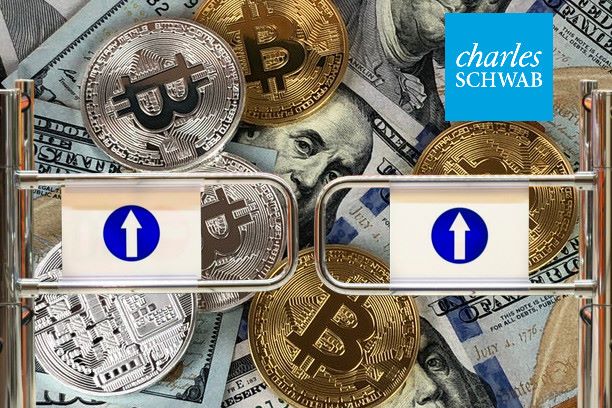
Charles Schwab Poised to Enter Crypto Market: A $7.13 Trillion Industry Giant Embraces Blockchain

Charles Schwab is preparing to offer direct cryptocurrency trading services

Charles Schwab, one of the world’s largest financial services firms, managing over $7.13 trillion in assets, has announced its intent to offer direct cryptocurrency trading services to its clients. This strategic move, contingent upon regulatory clarity expected soon, represents a monumental shift for the financial powerhouse. Charles Schwab has historically limited its cryptocurrency exposure through exchange-traded funds (ETFs) and futures contracts. This pivot addresses the growing demand for digital asset services. It also positions Schwab as a forward-looking player in a financial landscape increasingly reshaped by blockchain technology.

The Strategic Pivot

For years, Schwab has cautiously approached cryptocurrencies. It offered indirect exposure through investment products tied to Bitcoin and other digital assets rather than direct trading services. However, the rising interest in crypto among younger, tech-savvy investors and the broader adoption of blockchain technology across industries have pushed the firm to reassess its stance. Schwab’s latest move signals its recognition of cryptocurrencies as a legitimate and growing segment of the financial market.

Schwab is planning to introduce spot trading services to meet the expectations of its clients. These clients increasingly view digital assets as a vital component of diversified investment portfolios. The firm is reportedly waiting for anticipated regulatory changes in the United States to implement this offering. That showcases its commitment to compliance and long-term sustainability in a space often marred by regulatory uncertainty.

The Leadership Influence

Source: www.aboutschwab.com/rick-wurster

This strategic shift coincides with the changing leadership at Schwab. Incoming CEO Rick Wurster has been vocal about his awareness of the growing prominence of cryptocurrencies. He candidly admitted his personal regret at not investing in the asset class earlier. “I have not bought crypto, and now I feel silly,” Wurster said in a recent interview. He captured the sentiment of many traditional finance executives coming to terms with the disruptive potential of digital assets.

Wurster’s forward-looking approach reflects a broader cultural shift within Schwab and the financial industry at large. His leadership may prove pivotal in driving the firm’s crypto ambitions while maintaining the trust and stability Schwab has built over decades.

Implications for the Financial Sector

Charles Schwab entering the cryptocurrency market is not just a business decision – it is emblematic of a larger trend within traditional financial institutions. The growing integration of blockchain technology and digital assets into mainstream finance signals an industry-wide recognition of their transformative potential. Schwab’s foray into spot crypto trading could pave the way for similar moves by other major players, accelerating the institutionalization of the crypto market.

At the same time, Schwab’s cautious approach, hinging on regulatory clarity, highlights the critical role of government policy in shaping the future of digital assets. The firm’s readiness to act once regulations evolve highlights the importance of a clear and supportive framework. Such a framework must balance innovation with investor protection.

Charles Schwab entering the cryptocurrency market is a watershed moment for the financial sector. With $7.13 trillion in assets under management and a strong reputation for reliability, Schwab’s pivot to crypto could have a significant impact. It may help normalize digital assets for a broader audience and bridge the gap between traditional finance and the decentralized economy. Under the leadership of Rick Wurster and with a keen eye on regulatory developments, Schwab is set to solidify its position as a leader in the next phase of financial innovation.

Readers’ frequently asked questions

What does “spot cryptocurrency trading” mean, and how does it differ from ETFs and futures?

Spot cryptocurrency trading refers to the direct buying and selling of cryptocurrencies like Bitcoin and Ethereum at their current market prices, typically on a digital platform or exchange. Through exchange-traded funds (ETFs) or futures contracts, investors gain exposure to cryptocurrency prices without owning the actual assets. Spot trading involves owning the cryptocurrency itself. For instance, purchasing Bitcoin through a spot trading platform means you hold actual Bitcoin. You can store it in a digital wallet, transfer it to others, or use it for transactions. In contrast, ETFs and futures are financial instruments that track the value of cryptocurrencies. It makes it easier to trade them through traditional brokerage accounts but without granting direct ownership.

Why does Charles Schwab need regulatory clarity to offer cryptocurrency trading?

Cryptocurrency markets operate in a rapidly evolving legal and regulatory environment. In the United States, offering spot crypto trading services requires compliance with federal and state regulations that govern securities, commodities, and money transmission. Schwab, as a major financial institution, must ensure its services adhere to these regulations to protect its clients and maintain its reputation. Regulatory clarity would define the rules for trading, custody, and taxation of cryptocurrencies. It would provide Schwab with the legal framework needed to confidently launch these services. This cautious approach minimizes risk and ensures the firm’s crypto offerings align with its commitment to transparency and investor protection.

How might Schwab’s entry into cryptocurrency trading impact individual investors?

Charles Schwab’s move into cryptocurrency trading could make it easier and more secure for everyday investors to access digital assets. With Schwab’s reputation as a trusted financial institution, individuals who have been hesitant about crypto due to concerns about safety or complexity may feel more comfortable entering the market. Additionally, Schwab’s large-scale entry could lead to competitive pricing and improved customer support compared to existing platforms. For new investors, Schwab’s integrated educational resources and established infrastructure could provide a smoother entry into the world of digital assets. It would enable them to diversify their portfolios while benefiting from the convenience of a single platform for traditional and crypto investments.

What Is In It For You? Action Items You Might Want to Consider

Stay Informed on Regulatory Developments

Keep a close eye on U.S. regulatory updates concerning cryptocurrency trading. Charles Schwab’s entry into the spot crypto market hinges on these changes, which could signal a broader shift in the financial landscape. Understanding the regulatory environment will help you anticipate market movements and identify new opportunities when major institutions like Schwab expand their offerings.

Evaluate Your Investment Options

If you’ve been hesitant to invest directly in cryptocurrencies, Schwab’s anticipated services could provide a safer and more familiar entry point. Take this time to review your portfolio and consider how direct crypto ownership might align with your goals. Explore how Schwab’s spot trading services might offer advantages compared to existing platforms, such as streamlined integration with your traditional investments.

Diversify Your Knowledge Base

As institutional players like Charles Schwab enter the crypto space, the market is likely to see increased legitimacy and competition. Use this period to deepen your understanding of blockchain technology, spot trading mechanics, and the differences between direct crypto ownership and indirect exposure through ETFs or futures. This knowledge will better prepare you to make informed trading decisions when new opportunities arise.

Fraud, Mismanagement, and Bankruptcy: Delio’s $1.75 Billion Fall from Grace

Delio faces $1.75B bankruptcy amid fraud

Delio’s shocking bankruptcy filing reveals a tale of alleged fraud, embezzlement, and mismanagement. With CEO Jeong Sang-ho facing criminal charges and the company’s license suspended, questions abound about how such practices went unchecked. As creditors prepare for legal battles and regulators demand accountability, the case serves as a cautionary tale for the high-stakes world of cryptocurrency.

A Collapse Rooted in Mismanagement and Allegations of Fraud

Once regarded as a leader in South Korea’s crypto sector, Delio’s downfall stems from a series of missteps and alleged misconduct. Central to the crisis was the platform’s entanglement with FTX, the now-infamous cryptocurrency exchange whose own collapse in late 2022 triggered widespread financial turmoil. Delio reportedly managed customer assets through an FTX account, losing access to those funds when FTX filed for bankruptcy.

Adding to the chaos, South Korea’s Financial Intelligence Unit (FIU) imposed a 1.83 billion won fine and temporarily suspended Delio’s business license in September 2023. The regulatory body accused the platform of violating financial laws, misusing customer funds, and failing to uphold basic fiduciary duties. CEO Jeong Sang-ho has since been charged with fraud, embezzlement, and breach of trust, further tarnishing the company’s reputation.

Impact on Investors and Customers

The bankruptcy has left 2,800 customers in limbo, with approximately $1.75 billion in unpaid debts. Many of these individuals had entrusted their savings to Delio, drawn in by promises of high yields on crypto deposits. Now, they face uncertainty as the Seoul Rehabilitation Court oversees the liquidation process. Creditors have until February 2025 to file claims, with the first creditors’ meeting scheduled for March 19, 2025.

For investors, Delio’s collapse is a grim reminder of the risks inherent in unregulated or poorly regulated crypto platforms. While South Korea has made strides in regulating digital assets, the case underscores gaps in oversight and enforcement.

A Regulatory Reckoning

Delio’s collapse has reignited debates about the need for stronger safeguards in the crypto industry. Experts argue that the platform’s downfall highlights systemic issues, including inadequate transparency and the absence of robust mechanisms to prevent misuse of funds. Regulators are now under pressure to tighten controls and impose stricter penalties on firms that fail to comply with financial laws.

Lessons from the Delio Debacle

The fall of Delio serves as a stark warning for both investors and industry stakeholders. For customers, the incident underscores the importance of due diligence when engaging with crypto platforms. For regulators, it is a call to action to address vulnerabilities that could lead to similar crises.

As the legal and financial proceedings unfold, Delio’s story is a cautionary tale of how fraud, mismanagement, and regulatory gaps can converge to create a disaster of epic proportions in the high-risk world of cryptocurrency.

Readers’ frequently asked questions

What specific role did FTX’s collapse play in Delio’s bankruptcy?

FTX’s collapse was a key trigger for Delio’s financial downfall. Delio had managed its customers’ assets through an account on FTX, a major cryptocurrency exchange. When FTX filed for bankruptcy in November 2022, it froze Delio’s access to those funds, effectively making it impossible for Delio to honor customer withdrawals. This exposure to FTX’s failure highlighted the risks associated with relying heavily on third-party platforms to manage customer assets. Delio’s subsequent inability to recover these funds created a financial crisis that spiraled into bankruptcy.

Why was Delio fined and its license suspended by South Korea’s Financial Intelligence Unit (FIU)?

The FIU imposed penalties on Delio because the platform was found to have violated financial regulations. It mismanaged customer funds and failed to adhere to proper compliance standards, which are critical in protecting investors in the financial and crypto sectors. The FIU not only fined Delio 1.83 billion won but also suspended its license to operate, citing the need to prevent further harm to customers. This regulatory action also stemmed from the discovery of alleged fraud, embezzlement, and breach of trust by Delio’s leadership, including CEO Jeong Sang-ho.

What lessons can investors learn from Delio’s bankruptcy to avoid similar risks?

Delio’s collapse highlights the importance of due diligence when choosing where to invest or store cryptocurrency. Investors should prioritize platforms with a track record of transparency, regulatory compliance, and strong risk management practices. Diversifying investments across multiple platforms rather than placing all assets in one, especially one heavily reliant on another firm like FTX, can reduce exposure to systemic failures. Additionally, staying informed about the regulatory environment and choosing platforms subject to strict oversight can further protect investors from potential losses in a volatile market.

What Is In It For You? Action Items You Might Want to Consider

Reassess Your Platform Choices

Take a moment to evaluate the platforms you currently use for trading or storing cryptocurrency. Look for platforms with transparent operations, regulatory compliance, and clear policies regarding asset custody. Avoid platforms heavily reliant on third-party services, especially those with a history of exposure to financial crises like FTX.

Diversify Your Assets

To safeguard against potential platform failures, spread your investments across multiple exchanges and wallets. Consider using cold wallets for long-term storage of significant funds to minimize reliance on centralized platforms. Diversification reduces the risk of losing your entire portfolio in the event of a single platform’s collapse.

Stay Informed About Regulatory Changes

Keep up-to-date with crypto regulations in your region and those governing the platforms you use. Regulatory scrutiny can both protect you and signal red flags about the financial health of a platform. Regularly check if your chosen exchange or platform faces investigations, fines, or operational suspensions, as these may indicate deeper issues.

- Advertisement -

FEATURED