Home Blog Page 149

Bitcoin’s $97K Surge: Halving Hype or Macro Masterstroke?

Bitcoin High: $97K Surge Amid Halving and Market Forces

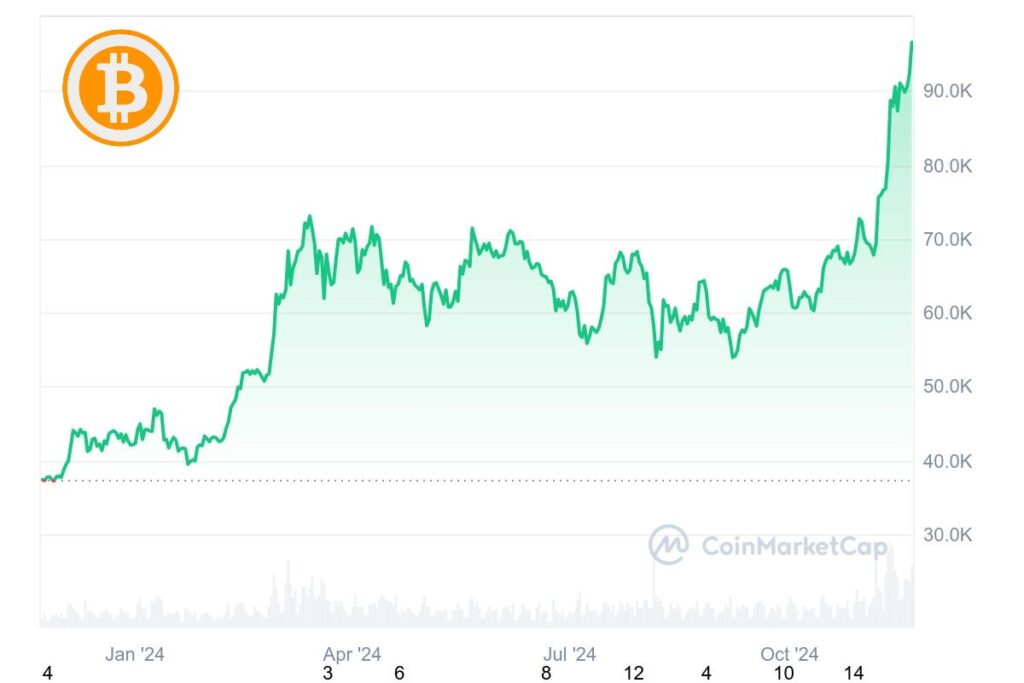
Bitcoin has once again defied expectations, reaching an all-time high of $97,000 in November 2024. For seasoned investors, the climb is no surprise—historically, Bitcoin’s halving cycles have triggered significant price appreciation. But this year’s rally isn’t solely about the halving event that occurred seven months ago. A potent mix of macroeconomic uncertainty, geopolitical tensions, and institutional adoption has propelled the world’s largest cryptocurrency to new heights.

With Bitcoin edging closer to the symbolic $100,000 milestone, the question remains: Is this surge the foundation of a sustainable bull market, or merely a temporary spike driven by external forces?

Halving’s Lingering Impact: Scarcity Fuels Demand

On April 19, 2024, Bitcoin underwent its fourth halving, reducing the block reward from 6.25 BTC to 3.125 BTC. The halving event is a critical component of Bitcoin’s design. It reduces the rate at which new coins enter circulation, creating a supply shock. Historically, such events have driven demand, as seen in the months following the 2016 and 2020 halvings.

The current rally aligns with this pattern. As supply dwindles, the scarcity narrative around Bitcoin intensifies, attracting investors seeking to capitalize on the reduced issuance. However, many analysts argue that the halving alone cannot explain Bitcoin’s dramatic rise; broader economic forces are at play.
Macroeconomic Forces Amplify Bitcoin’s Appeal

Global economic instability has significantly influenced Bitcoin’s ascent. Persistently high inflation rates in major economies, coupled with rising interest rates, have eroded trust in fiat currencies and traditional investment vehicles. Bitcoin, often referred to as “digital gold,” has become a preferred store of value for those seeking a hedge against economic uncertainty.

Geopolitical tensions have also driven adoption. Escalating conflicts and economic sanctions have prompted individuals and institutions in affected regions to turn to Bitcoin as a means of wealth preservation and cross-border transactions. This trend has been particularly pronounced in countries with restrictive financial systems or volatile currencies.

Institutional Adoption: From Fringe Asset to Mainstream Investment

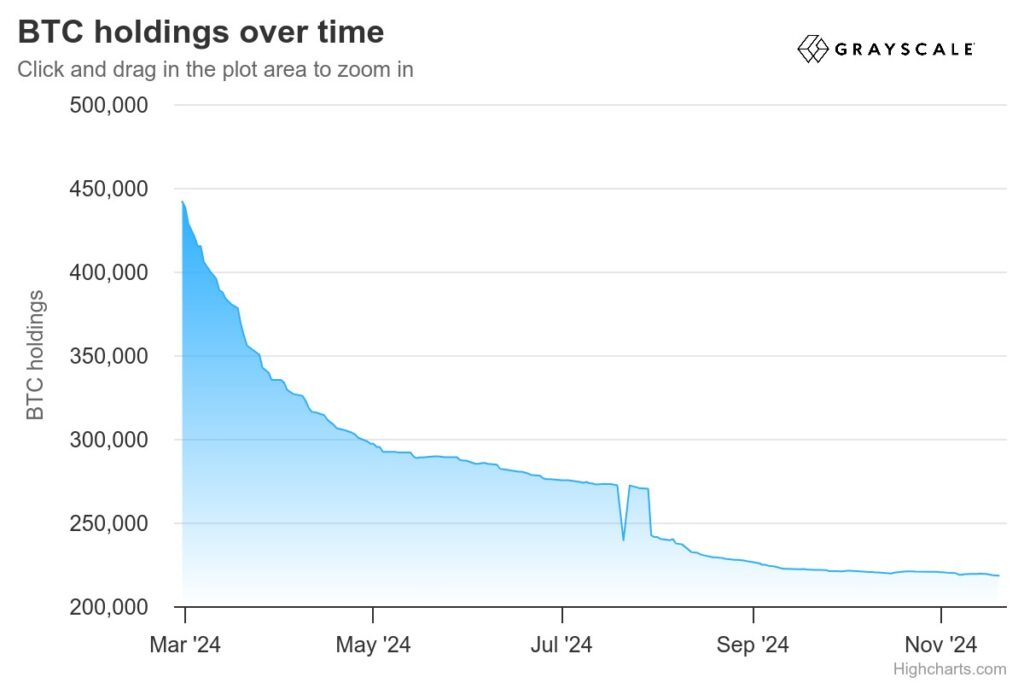
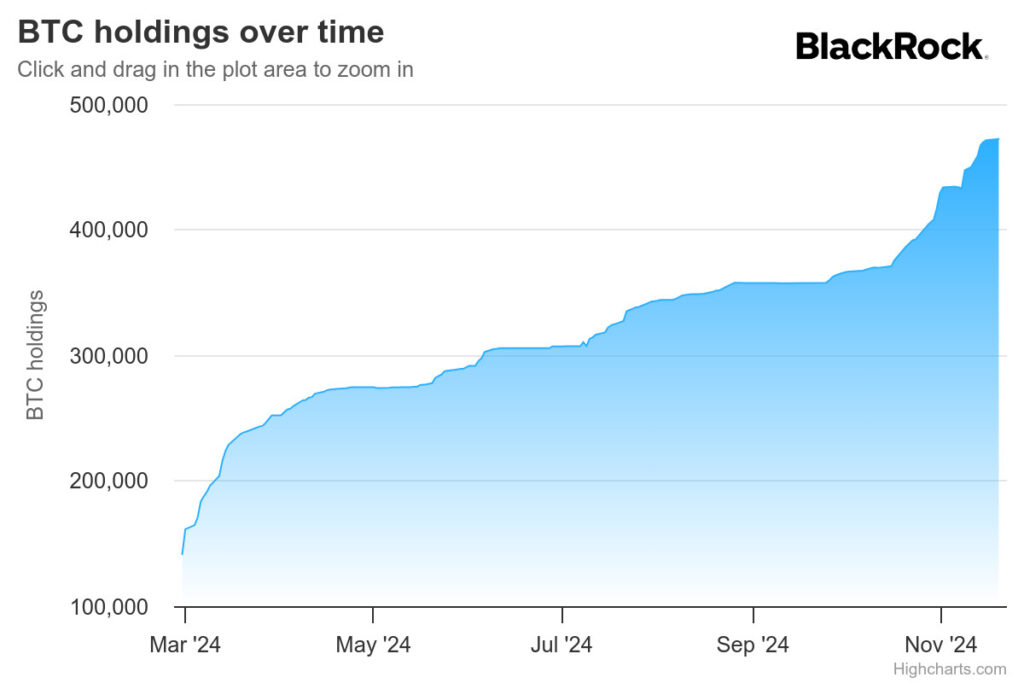
A defining feature of Bitcoin’s current rally is the role of institutional investors. The approval of spot Bitcoin ETFs in the United States earlier this year marked a turning point. Products like BlackRock’s iShares Bitcoin Trust have provided traditional investors with a regulated, accessible way to gain exposure to Bitcoin. That resulted in significant inflows of capital.

Institutional participation has driven Bitcoin’s dominance to over 55% of the cryptocurrency market. This dominance underscores its transition from a speculative asset to a cornerstone of modern investment portfolios. However, this influx of institutional money has raised questions about Bitcoin’s decentralization, as large players increasingly influence market dynamics.
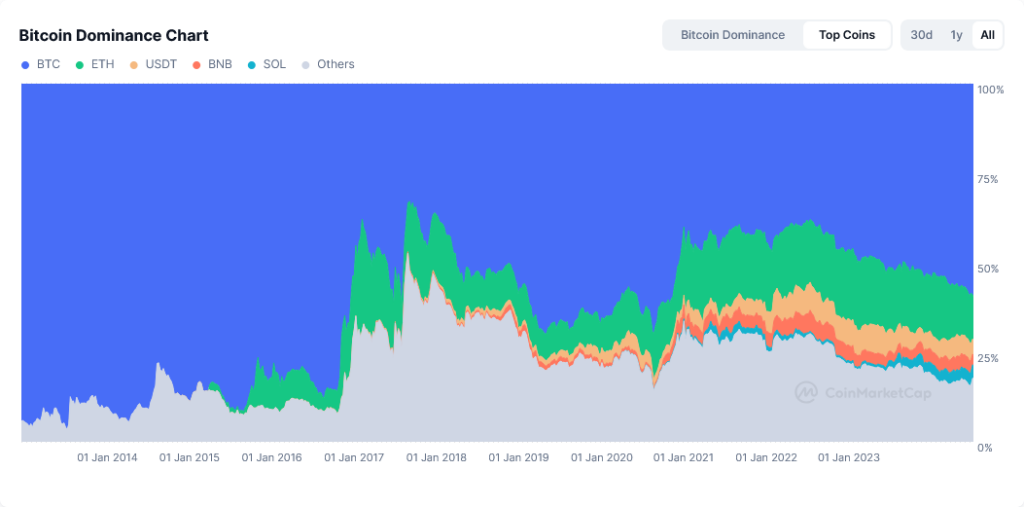
Source: CoinMarketCap.com

Volatility Ahead? Risks to Bitcoin’s Momentum

While optimism abounds, potential risks could temper Bitcoin’s upward trajectory. Regulatory uncertainty remains a significant concern, particularly regarding centralized exchanges and stablecoins that underpin much of the cryptocurrency market. Additionally, profit-taking by early investors could trigger short-term corrections.

Some analysts caution that Bitcoin’s current valuation may already reflect much of the post-halving and macroeconomic momentum, leaving limited room for further upside without additional catalysts.

Bitcoin’s rise to $97,000 is a culmination of cyclical, economic, and institutional factors. it underscores its growing relevance in the global financial ecosystem. While the April 2024 halving set the stage, the rally has been amplified by broader trends, including inflation concerns, geopolitical shifts, and increased adoption by institutional investors.

As Bitcoin inches closer to $100,000, it stands at a crossroads: Will it solidify its role as the digital gold standard, or will volatility and regulatory challenges temper its ascent? Regardless of the outcome, Bitcoin’s journey to this point is a testament to its resilience and its transformative impact on the financial world.

Readers’ frequently asked questions

What exactly is the Bitcoin halving, and why does it matter so much for its price?

The Bitcoin halving is a programmed event in Bitcoin’s code. It reduces miners’ rewards for validating transactions by half and happens roughly every four years. In April 2024, the reward dropped from 6.25 BTC to 3.125 BTC. This reduction limits the number of new bitcoins entering circulation, creating a scarcity effect. Economically, when demand stays constant or rises and supply decreases, prices tend to increase. The halving is a cornerstone of Bitcoin’s deflationary design, aimed at mimicking the scarcity of precious metals like gold. However, it’s not just the halving itself that drives prices. It’s the market’s anticipation of it, combined with broader adoption and macroeconomic factors, that ultimately contributes to price rallies.

How does institutional involvement influence Bitcoin’s price and its identity as a decentralized currency?

Institutional involvement, such as the launch of Bitcoin ETFs like BlackRock’s iShares Bitcoin Trust, introduces substantial liquidity to the market. This has a stabilizing effect on price volatility over time as larger players adopt Bitcoin as part of their diversified portfolios. However, the influx of institutional capital also changes Bitcoin’s dynamics. Critics argue that it shifts Bitcoin away from its original purpose as a peer-to-peer, decentralized currency. Instead, it turns it into more of a speculative or investment vehicle controlled by traditional financial institutions. This duality creates tension: while institutional adoption accelerates mainstream acceptance, it could centralize influence over the market and diminish the ethos of decentralization. A feature that Bitcoin’s early adopters championed.

Is Bitcoin a safe investment now, given its recent price surge?

Bitcoin’s all-time high of $97,000 demonstrates its growth potential. Still, it’s important to note that cryptocurrency remains a highly volatile asset. While the current rally reflects a combination of reduced supply post-halving, macroeconomic conditions, and institutional demand, the market is still subject to risks such as regulatory changes, profit-taking, and broader economic downturns. For investors, understanding the risks and having a long-term strategy is crucial. Bitcoin’s potential lies in its role as a hedge against inflation and as a store of value, but it’s not immune to sharp corrections. Those considering an investment should evaluate their risk tolerance and diversify their portfolios to mitigate exposure to market swings.

What Is In It For You? Action Items You Might Want to Consider

Consider Strategically Accumulating Bitcoin Before the $100K Milestone

With Bitcoin’s price nearing $100,000, traders should evaluate the potential for further growth driven by lingering effects of the April 2024 halving, ongoing institutional inflows, and macroeconomic uncertainty. If you believe these factors will sustain the rally, consider gradually increasing your Bitcoin position rather than making lump-sum purchases to mitigate the risk of short-term corrections. Look for opportunities during minor pullbacks to secure better entry points.

Diversify to Hedge Against Market Volatility

While Bitcoin’s price surge is promising, its market remains prone to volatility. Consider diversifying your portfolio by including other cryptocurrencies or assets with strong fundamentals, such as Ethereum, which often benefits from Bitcoin-led rallies, or stablecoins for liquidity management. Diversification can help you reduce risk while maintaining exposure to the crypto market’s upside potential.

Stay Alert to Regulatory Developments and Market Sentiment

The crypto market is heavily influenced by news and regulations. Keep a close eye on developments surrounding centralized exchanges, stablecoins, and ETF approvals, as these could significantly impact market conditions. Additionally, monitor market sentiment and on-chain data, such as whale activity or exchange inflows, which might signal impending price movements. Being proactive about gathering and acting on this information could give you an edge in navigating Bitcoin’s volatile journey.
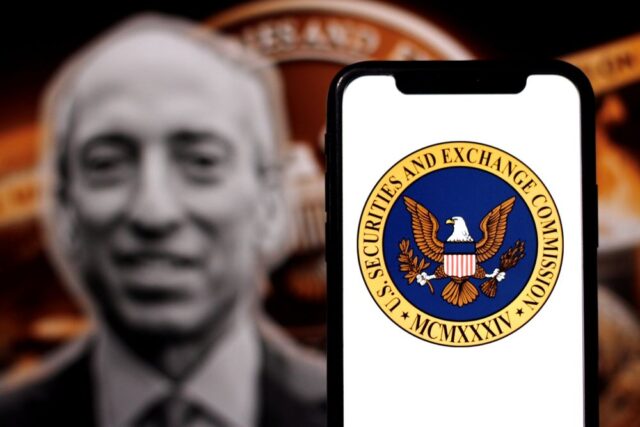

Gary Gensler’s SEC Tenure Under Threat? Legal Hurdles in Trump’s Path

Gary Gensler SEC tenure faces uncertainty as Trump plans regulatory reforms, raising questions about leadership and crypto policies.

President-elect Donald Trump has made it clear: regulatory reform is a cornerstone of his agenda. However, removing SEC Chair Gary Gensler, whose policies have drawn ire from the crypto community, may not be as straightforward as it seems. Legal protections for independent agency leaders could thwart Trump’s efforts, leaving Gensler at the helm despite calls for change. Will Gensler voluntarily step down, or will he withstand the political storm?

Gensler’s Legacy at the SEC: A Controversial Tenure

Appointed by President Joe Biden in 2021, Gary Gensler has overseen a period of rigorous enforcement at the Securities and Exchange Commission (SEC). The agency particularly targeted the cryptocurrency sector. Under his leadership, the SEC has filed high-profile lawsuits against leading crypto platforms and pushed for strict compliance with securities laws. Gensler’s critics, including industry leaders and members of Congress, argue that his policies have stifled innovation. He failed to provide clear guidelines for digital asset regulation.

Despite the criticism, Gensler maintains that his approach prioritizes investor protection and market stability. This hardline stance has made him a polarizing figure, especially in an industry seeking regulatory clarity and collaboration.

Trump’s Pro-Business Agenda and the Push for Change

Donald Trump’s return to the White House signals a shift in the political landscape. His focus will be on deregulation and business-friendly policies. This stance aligns with the crypto industry’s long-standing demand for a less adversarial regulatory approach. Trump has expressed dissatisfaction with the current direction of the SEC. Many industry players anticipate that his administration will attempt to replace Gensler with a chairperson more sympathetic to blockchain innovation.

However, the path to removing Gary Gensler from the SEC is fraught with legal obstacles.

Legal and Institutional Challenges to Gensler’s Removal

The SEC is an independent federal agency whose leaders are shielded from arbitrary dismissal to preserve their autonomy. Legal precedent, particularly the Supreme Court’s 1935 decision in Humphrey’s Executor v. United States, limits the President’s authority to remove independent agency heads without cause. This protection ensures that agency leadership is not subject to political whims. It requires valid grounds such as inefficiency, neglect of duty, or malfeasance for dismissal.

Given Gensler’s adherence to SEC policies and the absence of evidence of misconduct, any attempt by Trump to unilaterally remove him would likely face legal challenges. Furthermore, political analysts suggest that a drawn-out legal battle over Gensler’s position could detract from Trump’s broader agenda.

The Resignation Option: A Likely Compromise?

Historically, SEC chairs have often chosen to resign when a new administration with opposing policy priorities takes office. This voluntary departure avoids prolonged conflict and allows the incoming administration to appoint a successor more aligned with its vision.

Speculation is rife that Gensler may follow this precedent, stepping down ahead of Trump’s inauguration. Such a move would enable a smoother transition and potentially pave the way for a more collaborative regulatory environment for digital assets.

Implications for the Crypto Industry

Gensler’s departure—or continued tenure—will significantly impact the U.S. crypto industry. A leadership change at the SEC could signal a shift toward clearer regulations and reduced enforcement actions, fostering an environment more conducive to blockchain innovation. Conversely, Gensler’s retention would likely mean continuing the current enforcement-driven approach. Many in the industry view this as a barrier to growth.

For the global blockchain ecosystem, the U.S. regulatory stance remains a bellwether. As other jurisdictions adopt progressive frameworks for digital assets, the SEC’s trajectory under Trump’s administration will shape America’s competitiveness in the blockchain economy.

While President-elect Trump has expressed a desire to remove Gary Gensler as SEC Chair, legal protections and institutional norms complicate this ambition. Whether Gensler will step down voluntarily or fight to retain his position remains central to the unfolding narrative. Whatever the outcome, the decision will resonate far beyond the SEC. It will influence the regulatory landscape for cryptocurrencies and blockchain innovation in the years to come.

This legal and political standoff underscores the broader tension between regulatory independence and political agendas, a dynamic that will shape the crypto industry’s future.

Readers’ frequently asked questions

Why is Gary Gensler’s role as SEC Chair so protected compared to other government positions?

Gary Gensler’s role, like that of all SEC commissioners, falls under the category of independent federal agencies. These agencies were specifically designed to operate outside of direct political influence to ensure consistent regulation and enforcement, regardless of changing administrations. This structure is crucial in areas like securities regulation, where predictability and impartiality are key for maintaining market confidence. Unlike Cabinet members, who serve at the President’s discretion, SEC commissioners are appointed for fixed terms. They can only be removed “for cause”, a deliberate safeguard ensuring financial regulation isn’t swayed by short-term political agendas or partisan pressures. For investors and businesses, this independence helps maintain a stable regulatory framework even during political transitions.

What does Gary Gensler’s “hardline approach” to crypto regulation mean for ordinary crypto investors?

Gensler’s regulatory stance focuses on classifying many cryptocurrencies as securities, subjecting them to stringent federal laws. His goal is to protect investors from fraudulent schemes, unregistered token sales, and opaque business practices within the crypto space. For ordinary investors, this means increased scrutiny of exchanges and projects, making the market safer in the long run. However, critics argue that the lack of clear guidelines under Gensler’s tenure creates uncertainty. It potentially stifles innovation and limits the availability of crypto-based products and services in the U.S. This enforcement-heavy approach has been seen as overly aggressive by some. However, it intends to ensure greater accountability and transparency in the industry.

If Gensler resigns, will the SEC automatically adopt a more crypto-friendly stance?

Not necessarily. While a new SEC chair appointed by Trump would likely align more closely with his administration’s pro-business agenda, the SEC operates through a framework of laws and institutional protocols that don’t change overnight. Any shift toward a more crypto-friendly stance would depend on the new chair’s priorities, the commission’s composition, and the broader regulatory environment. That said, a new chair could ease enforcement pressures, focus on creating clearer regulations, and foster dialogue with the industry. This would create a more predictable environment for businesses and investors. However, it’s important to recognize that significant policy changes require time and consensus within the agency. The crypto community’s optimism about a potential leadership change reflects hope for greater collaboration and clarity, but it’s no guarantee.

What Is In It For You? Action Items You Might Want to Consider

Monitor Regulatory Developments Closely

Keep an eye on news surrounding Gary Gensler’s position and potential changes in SEC leadership. A shift in leadership could signal significant changes in cryptocurrency regulations, which might affect trading platforms, token offerings, and market dynamics. Staying informed will help you anticipate market movements and adjust your trading strategy accordingly.

Diversify Beyond U.S.-Focused Crypto Assets

While the U.S. regulatory environment remains uncertain, consider diversifying your portfolio to include cryptocurrencies and blockchain projects operating in jurisdictions with clearer or more favorable regulatory frameworks. Regions like the European Union, with its MiCA framework, or Hong Kong, which has embraced crypto innovation, may offer opportunities less influenced by U.S. regulatory shifts.

Be Prepared for Volatility

Leadership uncertainty at the SEC and potential policy changes can lead to increased market volatility in the short term. Traders should use stop-loss orders, take-profit targets, and other risk management tools to protect their positions. If you’re trading actively, be ready to capitalize on short-term price swings while maintaining a clear understanding of your long-term goals.

Bitcoin on Lockdown: The Long-Term Holders Changing the Game for Global Markets

Bitcoin reserves on exchanges hit 6-year lows as investors shift to self-custody, reshaping markets and complicating large-scale acquisitions.

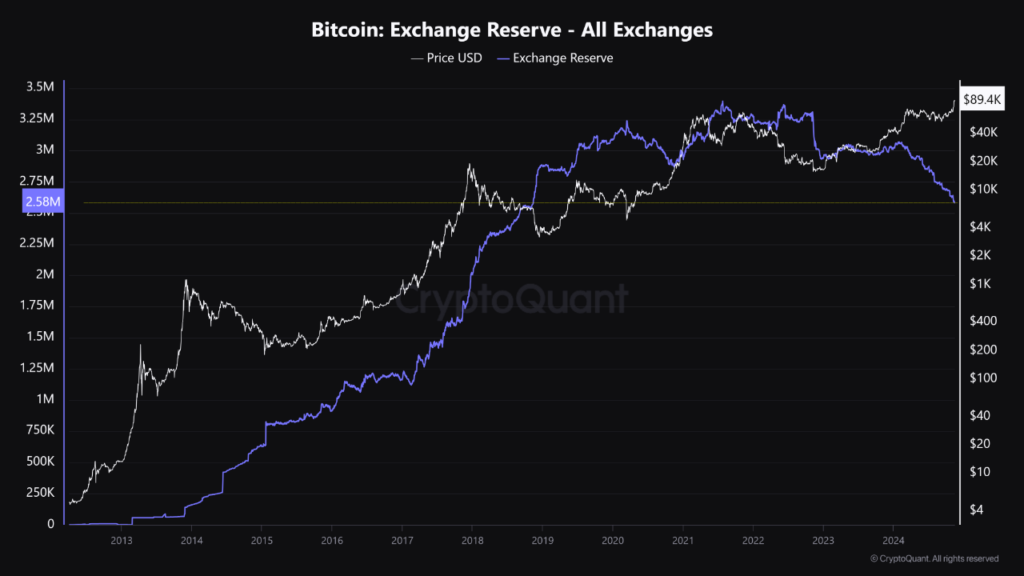
The trend of dwindling Bitcoin reserves on cryptocurrency exchanges, first noted months ago, shows no signs of slowing. As of November 2024, exchange-held reserves have plunged to their lowest levels in five years, reinforcing a transformative shift in the digital asset market. This persistent decline, driven by investors moving their Bitcoin holdings into private custody, signals a growing conviction in its long-term value. However, the ongoing scarcity also presents fresh challenges for institutional stakeholders and government initiatives, including President-elect Donald Trump’s ambitious proposal to establish a U.S. Bitcoin reserve.

The continuation of this trend highlights a broader narrative: Bitcoin is steadily transitioning from a speculative trading asset to a cornerstone of long-term investment strategies. Yet, as reserves shrink, market dynamics become increasingly complex, posing obstacles to large-scale acquisitions and amplifying price volatility risks.

A Shift Toward Self-Custody

The dramatic decline in Bitcoin held on exchanges reflects a shift in investor behavior. Data shows that many are opting for cold storage solutions and private wallets, motivated by security concerns and a belief in Bitcoin’s long-term appreciation. By holding their assets outside of exchanges, investors mitigate risks associated with centralized platforms, such as hacking or mismanagement. This shift also signals a broader market trend: a transition from speculative trading toward long-term investment strategies.

This movement aligns with the broader adoption of decentralized financial practices. By taking their Bitcoin off exchanges, investors are signaling trust in the network’s resilience and the underlying value of the asset. These dynamics, while positive for market stability, reduce the immediate supply of Bitcoin available for trading, potentially amplifying price volatility.

Implications for Global Markets

The declining reserves pose a double-edged sword for the global cryptocurrency ecosystem. On one hand, reduced liquidity on exchanges can drive scarcity, which historically correlates with upward price trends. On the other, it introduces challenges for entities seeking to acquire large quantities of Bitcoin without triggering significant market disruptions.

Institutional investors, who often rely on exchanges for transactions, may need to adjust their strategies. Over-the-counter (OTC) desks or direct partnerships with existing holders could become the preferred methods of acquisition. This approach, while mitigating market impacts, requires careful planning and negotiation.

Challenges for a U.S. Bitcoin Reserve

The proposal by President-elect Donald Trump to establish a U.S. Bitcoin reserve adds another layer of complexity to this narrative. A government initiative to acquire substantial Bitcoin holdings would face significant hurdles in the current low-liquidity environment. Without careful execution, such efforts could inadvertently lead to price spikes, making the acquisition more expensive and market conditions more volatile.

Analysts suggest that any large-scale government purchase would need to be conducted discreetly, possibly through OTC transactions or strategic alliances with major Bitcoin holders. Even then, the reduced exchange reserves could limit the pace and scale of such an initiative.

Conclusion

Bitcoin’s declining exchange reserves highlight a critical juncture for the cryptocurrency market. The shift toward long-term holding reflects the growing maturity and stability of the asset class, demonstrating confidence in its value. However, it also presents challenges for large-scale acquisitions, particularly for institutions and governments like the U.S., which may struggle to navigate the complexities of a tightening supply.

As Bitcoin continues to evolve, this trend underscores the need for strategic foresight and innovation in acquisition and management practices. For now, Bitcoin’s growing scarcity reinforces its position as a unique asset, capable of reshaping global financial markets while challenging traditional paradigms of liquidity and governance.

Readers’ frequently asked questions

Why are investors moving Bitcoin to private wallets instead of keeping it on exchanges?

Investors are shifting their Bitcoin to private wallets for enhanced security and greater control over their assets. When Bitcoin is stored on exchanges, it remains vulnerable to potential hacks, operational failures, or even regulatory interventions that could freeze or confiscate funds. By using private wallets, investors remove these third-party risks and gain direct ownership of their cryptocurrency. This move reflects a growing sophistication among market participants, who are now treating Bitcoin more like digital gold—a store of value to be safeguarded rather than actively traded.

How does reduced Bitcoin liquidity affect ordinary investors?

For individual investors, the reduced Bitcoin liquidity on exchanges can have both positive and negative consequences. On the positive side, decreased supply often leads to higher prices over time as demand outpaces availability. This can benefit long-term holders who are looking for value appreciation. However, for active traders or new buyers, reduced liquidity may result in higher transaction costs and greater price volatility, making it harder to execute trades at predictable prices. For those entering the market, timing and strategy become crucial in a low-liquidity environment.

Could a U.S. Bitcoin reserve actually impact the global Bitcoin market?

If the U.S. were to move forward with establishing a Bitcoin reserve, it could significantly influence the global market. Such a move would signal institutional and governmental validation of Bitcoin as a strategic asset, potentially spurring adoption worldwide. However, the mechanics of acquiring Bitcoin on a large scale could strain the already limited supply, driving prices higher and creating ripple effects across the market. Additionally, other governments might respond by accumulating Bitcoin themselves, further intensifying competition and shaping Bitcoin’s role as a geopolitical asset. For individual investors, this could mark the beginning of a new phase in Bitcoin’s evolution, where its value is influenced not just by market forces but also by state-level strategies.

What Is In It For You? Action Items You Might Want to Consider

Explore Private Wallet Solutions for Long-Term Security

If you’re holding Bitcoin on exchanges, consider moving a portion of your assets into private wallets or cold storage solutions. This protects your holdings from exchange vulnerabilities like hacks or operational failures, while aligning with the growing trend of long-term holding. Evaluate hardware wallets or trusted software wallets that prioritize security and ease of use.

Adapt Your Trading Strategy for Low Liquidity Conditions

With exchange reserves at historic lows, Bitcoin markets could experience heightened price volatility. Use this as an opportunity to refine your trading strategy. If you’re an active trader, set tighter stop-loss limits and consider scaling into positions gradually to avoid abrupt price movements. For long-term investors, dollar-cost averaging remains a smart way to accumulate Bitcoin without overexposing yourself to market spikes.

Monitor Institutional Moves and Government Initiatives

Stay alert to developments surrounding institutional Bitcoin acquisitions or government-led initiatives, such as the U.S. Bitcoin reserve proposal. Large-scale purchases can significantly impact market dynamics and create opportunities for traders. Keep an eye on over-the-counter trading activity or major wallet movements that might indicate institutional buying pressure. Being ahead of such trends could give you a competitive edge in market positioning.

France Becomes a Crypto Haven: Gemini’s Bold Entry Signals Rising Adoption

Gemini France launch marks a key step in Europe's crypto growth, leveraging regulation and rising adoption for retail and institutional traders.

The Winklevoss twins’ Gemini cryptocurrency exchange has officially entered the French market, making a strong statement in the evolving European cryptocurrency landscape. With an estimated 18% of the French population now owning cryptocurrencies, this launch underscores the country’s position as a rising crypto hub. Gemini is poised to attract both retail and institutional players by offering robust trading tools. This strategy leverages France’s clear regulatory environment in a rapidly expanding digital asset market.

A Strategic Move in a Proactive Market

Gemini enters France following its registration as a Digital Asset Service Provider (DASP) with the Autorité des Marchés Financiers (AMF) in January 2024. This compliance milestone allows Gemini to operate within one of Europe’s most proactive regulatory frameworks. It provides confidence to users wary of the fragmented policies that often plague the cryptocurrency industry.

France’s transparent approach to digital asset regulation has proven instrumental in fostering growth. According to Gemini’s 2024 Global State of Crypto report, regulatory concerns among French consumers have significantly decreased. Only 32% of surveyed non-owners cited regulation as a barrier in 2024, down from 37% in 2022. One can read that as a sign that clearer rules build trust in the ecosystem.

Catering to France’s Growing Crypto Demographic

Gemini’s French platform supports the trading, storage, and management of over 70 cryptocurrencies. It also offers users seamless integration with local payment systems such as euro and British pound deposits via debit cards, bank transfers, and Apple Pay. The platform provides advanced trading options like the ActiveTrader platform for experienced users and an over-the-counter (OTC) desk for institutional clients handling large-scale transactions.

With crypto adoption steadily increasing in France, Gemini’s services are designed to appeal to a broad range of users, from first-time traders to institutional investors. France’s vibrant tech-savvy population and its government’s openness to innovation make it a fertile ground for crypto businesses.

Timing Is Everything

The timing of Gemini’s launch aligns with significant regulatory developments in Europe. The European Union’s Markets in Crypto Assets (MiCA) regulation is set to take effect in weeks, creating a unified legal framework for digital assets across member states. This move is expected to further streamline operations for companies like Gemini, which aim to scale across multiple European markets.

Gemini focusing strategically on France as a launchpad suggests the country’s growing importance within Europe’s crypto ecosystem. By establishing a strong foothold in France, Gemini positions itself to benefit from broader European adoption under the MiCA framework.

France: Europe’s Crypto Leader?

France’s progressive stance on digital assets sets it apart from its European neighbors, many of whom are still grappling with the complexities of integrating cryptocurrencies into their economies. The country’s clear regulatory policies, coupled with rising public trust and adoption, are transforming it into a crypto-friendly haven for businesses and individuals.

Gemini expanding into France reflects a calculated business decision and acknowledges the country’s pivotal role in shaping Europe’s crypto future. With the right mix of regulation, innovation, and adoption, France is emerging as a leader in the European cryptocurrency landscape.

As Gemini embarks on this new chapter, all eyes will be on how the French market responds and whether this launch will set a precedent for further crypto adoption across the continent.

Readers’ frequently asked questions

Why is France emerging as a crypto-friendly hub, and what makes it stand out in Europe?

France’s rise as a crypto-friendly hub stems from its proactive and transparent regulatory framework. The French financial authority, the Autorité des Marchés Financiers (AMF), has implemented a clear registration process for crypto platforms through its Digital Asset Service Provider (DASP) designation. This clarity has reduced the uncertainty often associated with cryptocurrency regulations. It encourages businesses and consumers to engage with digital assets confidently. Additionally, France’s government has shown openness to innovation, fostering a tech-savvy environment that aligns with the needs of blockchain companies. Compared to other European nations, France’s forward-thinking approach and growing public trust in cryptocurrencies make it a standout market in the region.

How does the Gemini platform cater to retail and institutional investors in France?

Gemini offers a broad range of services tailored to different types of investors. Retail users can easily access the platform to buy, sell, and store over 70 cryptocurrencies using local payment methods such as euro deposits, bank transfers, debit cards, and Apple Pay. For advanced retail traders, the ActiveTrader platform provides sophisticated tools for executing trades with speed and precision. On the institutional side, Gemini’s over-the-counter (OTC) desk and eOTC trading system enable large-scale trades with deep liquidity and competitive pricing. By addressing the needs of both individual and institutional clients, Gemini ensures its platform appeals to a diverse audience. It bridges the gap between casual users and seasoned professionals.

How will the EU’s Markets in Crypto Assets (MiCA) regulation impact Gemini’s operations and the broader European crypto market?

The EU’s Markets in Crypto Assets (MiCA) regulation, set to roll out soon, introduces a unified legal framework for digital assets across member states. For Gemini, this means a more streamlined process for expanding its operations throughout Europe. The consistent rules across countries will reduce the regulatory complexities that currently exist. MiCA will bring greater legitimacy and trust to the broader European crypto market, attracting more users and businesses into the space. Gemini’s launch in France ahead of MiCA’s implementation positions it as a key player. The company is ready to capitalize on the increased stability and confidence the regulation can bring. This timing not only strengthens Gemini’s foothold but also sets the stage for more seamless growth across Europe.

What Is In It For You? Action Items You Might Want to Consider

Take Advantage of France’s Crypto-Friendly Environment

If you’re trading or investing in cryptocurrencies, France’s proactive regulatory framework makes it a compelling market to consider. The country’s Digital Asset Service Provider (DASP) system ensures a higher level of security and compliance for traders. That provides peace of mind while engaging with platforms registered under the French financial authority. Look into opportunities to explore trading in this stable and transparent regulatory landscape.

Explore Platforms Offering Advanced Trading Features

For traders looking to enhance their strategies, consider platforms that provide sophisticated tools such as advanced trading terminals, competitive liquidity options, and seamless fiat integration. Whether you’re executing large-scale transactions or experimenting with advanced orders, using platforms with robust features can help optimize your trading efficiency.

Prepare for the Impact of MiCA Regulations

The upcoming implementation of the EU’s MiCA regulations is set to standardize crypto rules across Europe, simplifying operations for traders and platforms alike. Stay informed about how these changes might affect the assets you hold and the platforms you use. This is a great time to ensure that the services you rely on are prepared to adapt to the MiCA framework, offering compliance and continuity in the evolving European market.

Bakkt Takeover: Is Trump’s Move into Crypto a Rescue Mission or a Strategic Pivot?

Trump Media & Technology Group (TMTG), the parent company of Truth Social, is reportedly in advanced talks to acquire cryptocurrency trading platform Bakkt.

The crypto world is abuzz! Trump Media & Technology Group (TMTG), the parent company of Truth Social, negotiates the acquisition of Bakkt, a cryptocurrency trading and digital assets platform. The potential deal has sparked a significant market reaction, sending Bakkt’s shares soaring by over 160%, while TMTG’s stock saw volatility. As industry experts weigh in, opinions are divided. Is this acquisition a strategic pivot into the burgeoning crypto sector, or a lifeline for a struggling platform?

The Deal at a Glance

According to reports, TMTG is pursuing an all-stock acquisition of Bakkt, founded by Intercontinental Exchange (ICE) in 2018 with grand ambitions to bridge institutional finance and cryptocurrency. While Bakkt initially gained attention for its partnerships and plans to revolutionize cryptocurrency custody and trading, it has struggled to achieve consistent profitability. Despite its public listing and initial momentum, the company’s financial performance has been underwhelming. That prompts speculation about the motivations behind the acquisition.

Bakkt’s Financial Challenges

Bakkt’s difficulties have been well-documented. From its inception, the platform aimed to position itself as a key player in institutional crypto adoption. It offered secure custody solutions and regulated futures trading. However, intense competition, regulatory hurdles, and limited consumer adoption have stifled growth. Even with high-profile partnerships, such as its collaboration with Starbucks for a crypto payment initiative, Bakkt has failed to sustain the profitability needed to justify its initial hype.

Trump Media’s Crypto Ambitions

For TMTG, the potential acquisition represents an intriguing shift. Known primarily as the parent company of Truth Social, TMTG has faced its own challenges in sustaining momentum in the competitive social media landscape. By acquiring Bakkt, TMTG could aim to integrate cryptocurrency services into its platform. That would likely broaden its appeal and tap into the lucrative digital finance market.

This move aligns with a broader trend of traditional companies exploring blockchain and cryptocurrency to diversify revenue streams. Moreover, it underscores former President Donald Trump’s growing engagement with crypto. Previously critical of Bitcoin and other cryptocurrencies, Trump recently promoted World Liberty Financial, a new crypto venture, signaling a possible shift in his stance.

Market Reactions and Skepticism

The announcement has sparked contrasting reactions. On one hand, Bakkt’s share price skyrocketed, reflecting investor optimism – or perhaps speculation – about the deal. On the other, TMTG’s stock experienced fluctuations, indicating market caution. Analysts have raised questions about whether this move is a strategic integration of crypto into TMTG’s ecosystem or a rescue mission for a platform that has yet to prove its viability.

Some industry insiders see potential synergies between Bakkt’s technical capabilities and TMTG’s reach in the digital sphere. Others argue that Bakkt’s lack of consistent revenue makes it a risky bet. The acquisition might burden TMTG with a struggling asset rather than bolster its business.

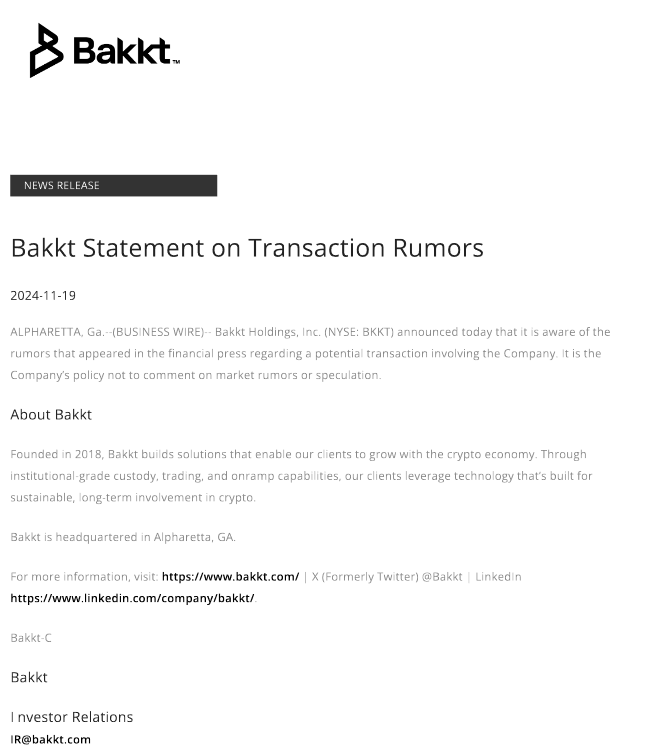
Source: investors.bakkt.com

Implications for the Crypto Sector

If finalized, the acquisition would mark a significant moment in the convergence of media, technology, and cryptocurrency. TMTG’s foray into crypto could inspire similar moves by other companies looking to integrate blockchain into their ecosystems. However, it also raises concerns about the long-term sustainability of such ventures, especially in an industry as volatile as crypto.

A Gamble or a Visionary Move?

As talks continue, the Bakkt acquisition poses critical questions: can TMTG successfully leverage Bakkt’s infrastructure to carve out a unique niche in the digital asset space? Or is this an overextension into an unpredictable and high-risk industry? The deal remains speculative for now, but its outcome could significantly shape perceptions of cryptocurrency’s integration into mainstream business.

For Bakkt, the acquisition offers a potential lifeline to revitalize its ambitions and regain investor confidence. For TMTG, it’s a chance to redefine its strategy and align with the future of digital finance. The stakes, however, remain high—for both parties and the wider crypto sector.

Readers’ frequently asked questions

Why would TMTG, a social media company, want to acquire a struggling cryptocurrency platform like Bakkt?

TMTG’s potential acquisition of Bakkt might seem surprising at first. However, it aligns with broader trends where companies are diversifying into the cryptocurrency and blockchain sectors to stay competitive and relevant. For TMTG, acquiring Bakkt could be a strategic move to integrate cryptocurrency services into its ecosystem, potentially offering users on Truth Social the ability to trade, hold, or transact in digital assets. This expansion could diversify TMTG’s revenue streams and attract a broader audience interested in digital finance. While Bakkt has struggled with profitability, it possesses the infrastructure and partnerships that could give TMTG a foundation to build upon in the rapidly growing crypto industry. The deal could also signify an ambition to position TMTG as a pioneer in the convergence of social media and blockchain technology.

If Bakkt is struggling financially, how can it benefit TMTG or its users?

While Bakkt has faced challenges in achieving consistent profitability, it remains a recognized brand in the cryptocurrency sector, particularly in regulated trading and custody solutions. For TMTG, this acquisition could provide access to Bakkt’s technical expertise, existing regulatory licenses, and its network of institutional and retail partnerships. These assets could help TMTG innovate and offer integrated services that bridge social interaction and digital finance. For users, this could mean access to secure and regulated cryptocurrency transactions through a familiar platform like Truth Social. The move could also position TMTG to capitalize on the increasing adoption of blockchain technology. To do so, it would need to effectively address Bakkt’s operational inefficiencies.

What risks does this acquisition pose to TMTG and the cryptocurrency industry?

The risks for TMTG lie primarily in Bakkt’s financial struggles and the volatile nature of the cryptocurrency market. If Bakkt’s performance does not improve under TMTG’s ownership, it could become a financial burden rather than an asset. Furthermore, TMTG’s lack of experience in the crypto space may make it difficult to address Bakkt’s challenges or fully realize its potential. For the cryptocurrency industry, the acquisition could raise concerns about high-profile but potentially unsustainable ventures. The success of such deals heavily depends on execution and market conditions. Additionally, skepticism about the long-term viability of this move could increase if TMTG fails to demonstrate a clear strategy for integrating and revitalizing Bakkt. For both parties, navigating regulatory hurdles and market competition will be critical to ensuring the deal’s success.

What Is In It For You? Action Items You Might Want to Consider

Monitor Bakkt’s Stock Performance for Short-Term Opportunities

The news of TMTG’s potential acquisition has already caused Bakkt’s stock price to surge. Traders should watch for further market reactions and volatility, as these spikes can create opportunities for short-term gains. Keep an eye on trading volumes and sentiment indicators to determine whether this rally has momentum or is likely to cool down.

Evaluate TMTG’s Long-Term Strategy Before Investing

If you’re considering investing in TMTG or its stock, take a step back and assess the broader implications of the Bakkt acquisition. Investigate whether TMTG has the infrastructure and vision to make this a successful pivot into cryptocurrency. Look for updates on how the company plans to integrate Bakkt’s offerings with its existing ecosystem, as this will heavily influence its long-term viability.

Stay Alert to Broader Crypto Market Trends

This deal reflects a growing trend of traditional businesses entering the crypto sector, signaling potential shifts in the market. Traders should keep tabs on similar acquisitions or partnerships, as they often indicate where institutional interest is heading. Use this trend as a guide for positioning yourself in related sectors, such as blockchain infrastructure, regulated exchanges, or crypto payment platforms.

- Advertisement -

FEATURED