Home Blog Page 202

Binance Delists Monero – Understanding Privacy Token Delisting and Its Implications
Binance delisting Monero privacy token

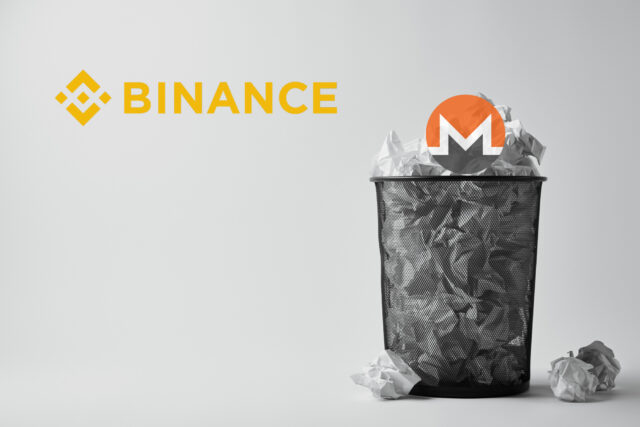
In a significant move shaking the cryptocurrency market, Binance, a leading digital asset exchange, announced the delisting of Monero (XMR), a prominent privacy token. This decision highlights a growing trend among exchanges, shedding light on the complexities surrounding privacy tokens and the regulatory landscape they navigate.

What Are Privacy Tokens?

Privacy tokens, such as Monero, are a subset of cryptocurrencies. They are designed to provide users with enhanced privacy and anonymity in transactions. Unlike traditional cryptocurrencies like Bitcoin, privacy tokens offer features that obscure transaction details, wallet balances, and user identities. This heightened privacy has made them attractive to users seeking to safeguard their financial information from surveillance and monitoring.

Why Exchanges Are Delisting Privacy Tokens?

The delisting of privacy tokens by exchanges like Binance underscores the challenges posed by regulatory compliance. Privacy tokens have come under increased scrutiny from regulatory authorities. Government bodies are concerned about their potential misuse in illicit activities such as money laundering and terrorist financing. Exchanges face pressure to adhere to strict regulatory standards. This prompts them to reevaluate the inclusion of privacy tokens in their listings.

Navigating Regulatory Compliance

The delisting of Monero by Binance indicates a significant development in the cryptocurrency market. It follows a similar move by OKX last December, which also delisted Monero ($XMR), Dash ($DASH), and Zcash ($ZEC). This collective action from major exchanges underscores the challenges posed by regulatory compliance. It also highlights the evolving attitudes towards privacy tokens within the industry. Navigating this constantly changing landscape, crypto exchanges must strike a delicate balance between providing users with privacy-enhancing features and complying with regulatory requirements to mitigate legal risks.

https://twitter.com/CrispyBull/status/1741489309260427743

Implications for the Cryptocurrency Market

The delisting of Monero by Binance indicates a significant development in the cryptocurrency market. It reflects the ongoing tension between privacy rights and regulatory compliance, shaping the future trajectory of digital asset trading. As exchanges reassess their listings, users may experience changes in available trading pairs and asset options. This might impact trading strategies and investment decisions.

The delisting of Monero by Binance sheds light on the complexities surrounding privacy tokens and regulatory compliance in the cryptocurrency market. As exchanges grapple with evolving regulatory pressures, users must stay informed about changes in listing policies and their implications for trading activities. The decision underscores the need for continued dialogue between industry stakeholders and regulators to foster a balanced approach to privacy and compliance in digital finance.


Blockchain Life 2024 – Dubai

Blockchain Life Dubai will be held 15 - 16 April 2024

Blockchain Life 2024 – Dubai, scheduled for April 15-16, 2024, is a major international event that will bring together thousands of crypto enthusiasts, investors, developers, and entrepreneurs from over 120 countries. This event is the perfect meeting point for anyone interested in web3, cryptocurrencies, and mining.

Why You Should Go!

Decentralize Everything

The event will feature visionary speakers and experts who will share their predictions and insights on web3 and blockchain for 2024 and beyond. You will learn about the latest trends and innovations in decentralization, interoperability, cross-chain, and DeFi.

https://twitter.com/BlLife_Forum/status/1752710739897254346

Network with the World’s Crypto Whales

The event will attract over 8,000 attendees, including the world’s top crypto whales, funds, and investors. You will have the opportunity to connect with them, pitch your ideas, and secure funding for your projects.

Discover the Most Promising Projects

The event will showcase over 150 booths and a startup pitch competition, where you will discover the most promising projects in the crypto industry. You will also get access to exclusive offers and discounts on equipment and services.

Explore the Opportunities and Challenges of the Crypto Industry in the Middle East and Africa

The event will also cover the opportunities and challenges of the crypto industry in the Middle East and Africa, a region with huge potential and demand for blockchain solutions. You will hear from government officials, regulators, and industry leaders on how they are embracing and adopting blockchain technology.

Blockchain Life 2024 – Dubai is more than just an event; it’s a celebration of the global crypto community. Whether you’re a crypto veteran, a newbie, or a curious observer, this event is worth attending. It’s not just about being part of the event; it’s about being part of the future.

For more details, visit the official Blockchain Life website.

Where Is Bitcoin Going? Lastest Analyst Opinions Post-ETF Launch and Pre-Halving

Where Bitcoin is Going in 2024 and Beyond? Analyst predictions

As the cryptocurrency market continues to evolve, investors are keen to understand the future trajectory of Bitcoin. Analysts offer insights into where it might be headed in the coming years. This follows the recent launch of spot Bitcoin exchange-traded funds (ETFs) in January 2024 and the highly anticipated halving event expected in April 2024.

Analyst Predictions and Projections

Renowned analysts across the crypto space have been vocal about their predictions for Bitcoin’s future price movements. Scott Melker, an influential crypto analyst, made headlines with his forecast of a potential Bitcoin price reaching as high as $240,000 post-halving. Melker’s projection is based on historical data from previous halving cycles. They often resulted in significant price gains.

On the other hand, analysts like Chris Burniske and Justin Bennett have adopted a more cautious stance. Burniske, a partner at Placeholder and former crypto lead at Ark Invest, suggests that Bitcoin could experience a pullback to the mid-$20,000 range before potentially moving towards a new all-time high. Meanwhile, Bennett warns of the possibility of BTC crashing to $10,000, citing historical price patterns and technical analysis.

Impact of ETF Launch and Halving Event

The launch of spot Bitcoin ETFs was expected to be a bullish catalyst for BTC. It would potentially attract billions of dollars in capital from traditional finance markets. However, the initial response to the ETF launch was mixed. The cryptocurrency experienced a price decline of about 15% since January 10, the day the U.S. Securities and Exchange Commission (SEC) approved the ETFs.

Despite the short-term price volatility, many analysts remain optimistic about Bitcoin’s long-term prospects, especially with the upcoming halving event. Bitcoin halvings, which occur approximately every four years, are programmed into the cryptocurrency’s protocol. They are designed to reduce the rate at which new coins are created, thereby increasing scarcity and potentially driving up prices.

Key Factors Influencing Bitcoin’s Trajectory

Lark Davis, also known as @TheCryptoLark, recently defined several key factors he expects to influence Bitcoin’s trajectory in the coming years. The influx of institutional capital through Trade-Fi, the integration of Real World Assets (RWAs) onto the blockchain, and geopolitical events such as elections in multiple countries could all impact Bitcoin’s price dynamics.

Moreover, the level of adoption and use cases for Bitcoin’s underlying technology, blockchain, will play a significant role in determining its future value. Raoul Pal, a former Goldman Sachs Executive, believes that advancements in the applications layer of blockchain, including non-fungible tokens (NFTs) and smart contracts, could drive increased demand for Bitcoin and other cryptocurrencies.

While the future of Bitcoin remains uncertain, analysts’ opinions provide valuable insights into potential price movements and market trends. Whether Bitcoin will reach new highs or experience a correction in the coming years is subject to various factors and market dynamics. However, by staying informed and conducting thorough research, investors can better navigate the evolving landscape of the cryptocurrency market and make informed investment decisions.

How Easy Is It to Trade Crypto with a Fake ID?

Report unveils weakness in multiple crypto KYC procedures. How easy is it to trade crypto with a fake ID?

A recent report by 404 Media’s investigative journalist Joseph Cox revealed that he was able to create a verified account on OKX, one of the largest cryptocurrency exchanges in the world, by using a variety of false identification, passports, and other legal documentation. This raises serious questions about the security and integrity of the crypto market. What are the potential regulatory impacts of identity fraud on crypto platforms?

OKX’s Verification Policy and Procedures

OKX, a cryptocurrency exchange, requires users to complete the identity verification process to meet the Know Your Customer (KYC) requirements. This is done to ensure the safety of their accounts and assets. During the verification process, users must provide their personal information like name, nationality, date of birth, and address. Additionally, they must upload a photo or video of a government-issued ID and a selfie. OKX claims that it uses advanced technology and third-party service providers to verify the authenticity and validity of the documents and the identity of the users.

Cox found a way to bypass the verification process by using synthetic identities. Underground vendors create these identities by combining real and fake information, such as names, photos, and documents. He obtained these synthetic identities from illicit sellers, peddling them on internet forums and Telegram for as low as $150. He then used these identities to register and verify accounts on various crypto platforms, including OKX, Binance US, Kraken, and Coinbase Pro.

According to Cox’s experiment, OKX’s verification policy and procedures are insufficient in preventing identity fraud. The exchange becomes vulnerable to money laundering, terrorist financing, tax evasion, and other illicit activities facilitated through the use of fake or stolen identities.

Similar Cases of Identity Fraud on Crypto Platforms

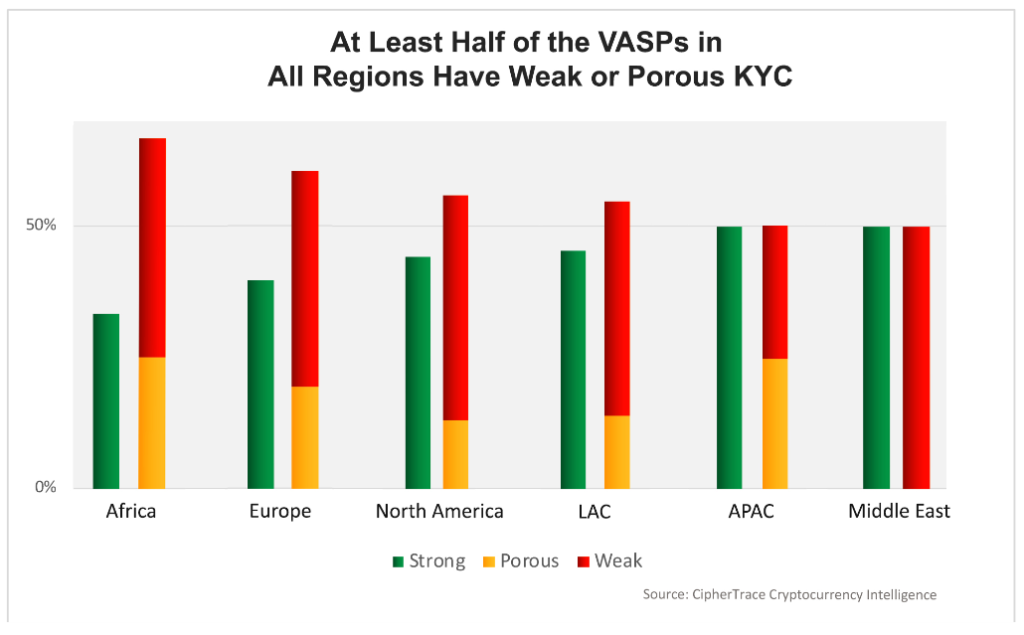
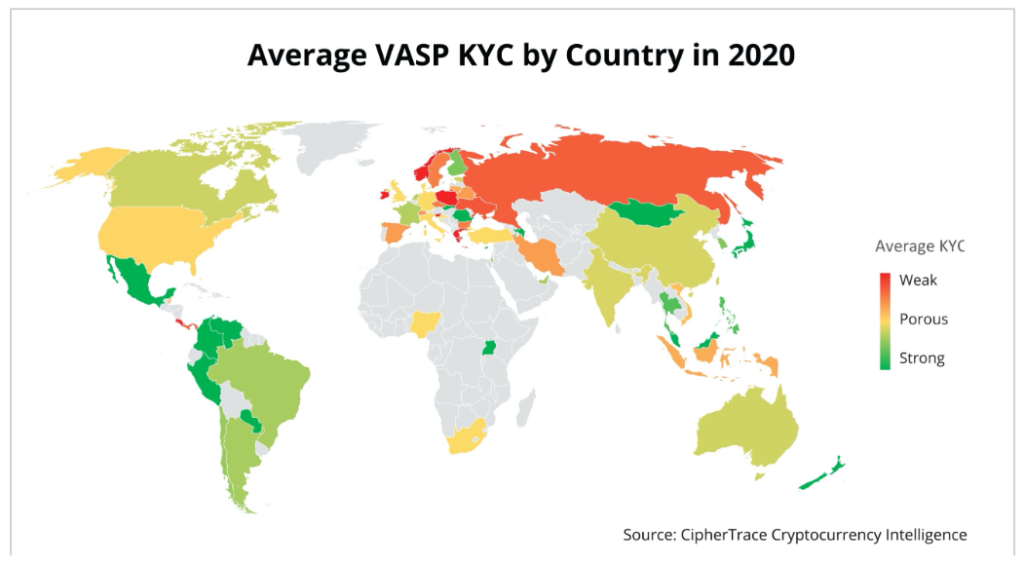
OKX is not the only crypto platform exposed to identity fraud. CipherTrace, a blockchain analytics firm, conducted a study in 2020. It revealed that 56% of crypto exchanges have either weak KYC processes or no KYC measures in place at all. Additionally, a report from CoinDesk, a prominent media outlet for crypto news, showed a thriving black market for “verified” accounts on major exchanges such as Coinbase Pro and Binance US. Fraudsters create these accounts using other people’s identities or fabricated names.

Identity fraud cases in the crypto industry are a major concern. They erode the trust and confidence of users, investors, and regulators. Additionally, they leave platforms and their customers vulnerable to legal and financial liability and reputational damage in the event of fraud, theft, or hacking incidents.

Regulatory Impacts of Identity Fraud on Crypto Platforms

Identity fraud on crypto platforms is becoming more common, raising concerns among regulators. They worry about the harm this could cause to consumers and the financial system. To address this trend, regulators worldwide are working to establish rules and standards to govern crypto assets and their providers. The primary objective is to enhance transparency, accountability, and consumer protection.

Global Standards and Regional Regulations

In 2019, the Financial Action Task Force (FATF), an intergovernmental organization tasked with establishing worldwide standards to combat money laundering and terrorist financing, issued new guidance. These regulations require cryptocurrency platforms or virtual asset service providers (VASPs) to comply with the same KYC (Know Your Customer) and AML (Anti-Money Laundering) obligations as traditional financial institutions. This means that VASPs have to verify the identity of their customers and the origin of their funds. They are obliged to report any suspicious transactions to the authorities.

In 2018, the European Union introduced the Fifth Anti-Money Laundering Directive (AMLD5). It expanded the coverage of the existing AML regulations to include crypto platforms and custodian wallet providers. The directive mandates these entities to register with their national authorities. They must perform due diligence on their customers and collaborate with law enforcement agencies.

In 2019, the Financial Crimes Enforcement Network (FinCEN), a bureau of the Treasury Department in the United States, issued guidance to clarify that cryptocurrency platforms are bound to the same regulatory framework as money transmitters for enforcing Anti-Money Laundering (AML) laws. This implies that these platforms must register with FinCEN and implement AML programs. They must file currency transaction reports and suspicious activity reports to comply with the law.

Challenges and Opportunities for the Crypto Industry

Authorities implemented regulatory measures to create a secure and legal environment for crypto innovation while safeguarding the public interest and financial stability. Nevertheless, these measures can be a significant challenge and expense for crypto platforms, particularly those operating across various jurisdictions. Additionally, they may not be adequate to prevent or identify identity fraud. Some fraudsters may use advanced techniques or exploit regulatory loopholes or inconsistencies.

To ensure the security and compliance of crypto platforms, they must adopt more robust and effective verification methods and technologies such as biometric authentication, artificial intelligence, and blockchain analysis. Additionally, regulators must collaborate with one another, the industry, and civil society. They should develop and enforce harmonized and proportionate rules and standards for the crypto sector.

Read more: Crypto Crime 2023 – Chainalysis Report

Paris Blockchain Week 2024 – A Deep Dive into the Future of Blockchain

Paris Blockchain Week scheduled 9 - 11 April 2024

Paris Blockchain Week 2024, scheduled for April 9-11, is a premier event in the blockchain and digital assets industry. Hosted in the heart of Paris, this event is a must-attend for anyone interested in the future of blockchain technology.

Why You Should Attend Paris Blockchain Week?

Comprehensive Coverage

The event covers all aspects of blockchain technology, including open finance, decentralized finance, macro trends & investments, mass adoption, tech builders, artificial intelligence, scalability, interoperability, data management, and more. This comprehensive coverage ensures attendees gain a holistic understanding of the blockchain ecosystem.

Diverse Program Tracks

The program tracks are diverse, ranging from corporate Web3 and creators economy to NFT gaming & metaverse and public policy. These tracks provide attendees with a wide range of perspectives and insights into the blockchain industry.

Insightful Discussions

Paris Blockchain Week 2024 will feature insightful discussions on various topics, including MiCA & European regulations, regulatory trends, CBDCs, AML (Anti Money Laundering), enterprise blockchain, traceability, payments, infrastructure & security, and blockchain as a service. These discussions will provide attendees with a deep understanding of the current state and future trends of the blockchain industry.

Networking Opportunities

With thousands of thought leaders, innovators, and experts from around the world attending the event, Paris Blockchain Week 2024 provides unparalleled networking opportunities. Attendees can connect with like-minded individuals, forge partnerships, and exchange ideas.

Learning from the Best

The event will feature prominent individuals like Ryan Selkis, Founder & CEO at Messari, and Kristina Lucrezia Cornèr, Editor in Chief of Cointelegraph, alongside companies like Nasdaq, Google, Circle, Deutsche Bank, UNICEF, the World Economic Forum, and Fireblocks. Learning from these industry leaders will provide attendees with valuable insights and knowledge.

Paris Blockchain Week 2024 is more than just an event; it’s an opportunity to delve deep into the world of blockchain and digital assets. Whether you’re a blockchain enthusiast, investor, or a curious explorer, this event is worth considering. It’s not just about being part of the event; it’s about being part of the future.

For more details, visit the official Paris Blockchain Week website.

- Advertisement -

FEATURED