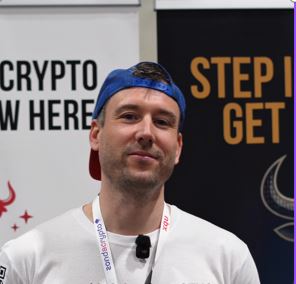
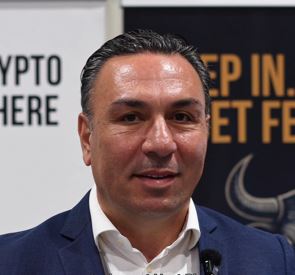
Gabor Bovai, co-founder of Gen6, showcases the debut of the platform’s new identity and verification tools at Next Block Expo in Warsaw. By leveraging blockchain’s immutability, Gen6 has developed decentralized applications (dApps) specifically designed to support communities, influencers, and events. The platform also features an encrypted messaging protocol, offering a secure solution for users who prioritize privacy and verified digital interactions in the Web3 space.
We caught up with Callum Hill from Bleap at the Next Block Expo in Warsaw to discuss the platform’s mission to fix the complexities of the crypto industry.
Bleap is positioning itself as an all-in-one financial app that allows users to spend, earn, and save digital assets in a single location. By focusing on a “smarter” user experience and eliminating trading fees, the platform aims to make crypto more accessible to mainstream retail users. As Callum explains, bringing a “Web2” audience into the fold is essential for growing the entire Web3 industry.
DogeOS is transforming the Doge ecosystem by building the app layer for Dogecoin, which includes an EVM on Doge. This initiative aims to provide the utility, smart contracts, and composability that the community has wanted for a long time.
Representing DogeOS at Next Block Expo in Warsaw, Alex Hoffmann highlighted the project’s current search for talented developers, with a specific focus on game builders. You can follow the project’s progress at @DogeOS on Twitter or connect with Alex directly at @Ah0xxman
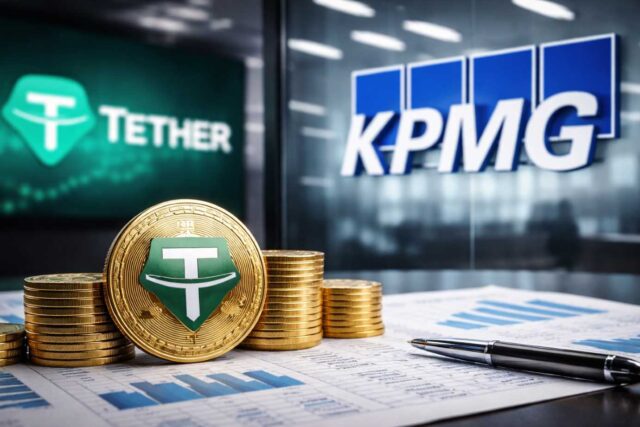
Tether has hired KPMG to conduct its first full audit of USDT reserves, marking a shift from prior attestations.
The move aligns with U.S. expansion plans and upcoming regulatory requirements for large stablecoin issuers.
A successful audit could improve credibility and competitiveness against rivals like USDC.
Tether is reportedly taking a significant step toward financial transparency. It has hired KPMG to conduct its first full independent audit of USDT reserves, according to multiple industry reports. The move signals a potential shift. It changes how the world’s largest stablecoin issuer approaches disclosure, especially as it positions itself for deeper engagement with the U.S. market.
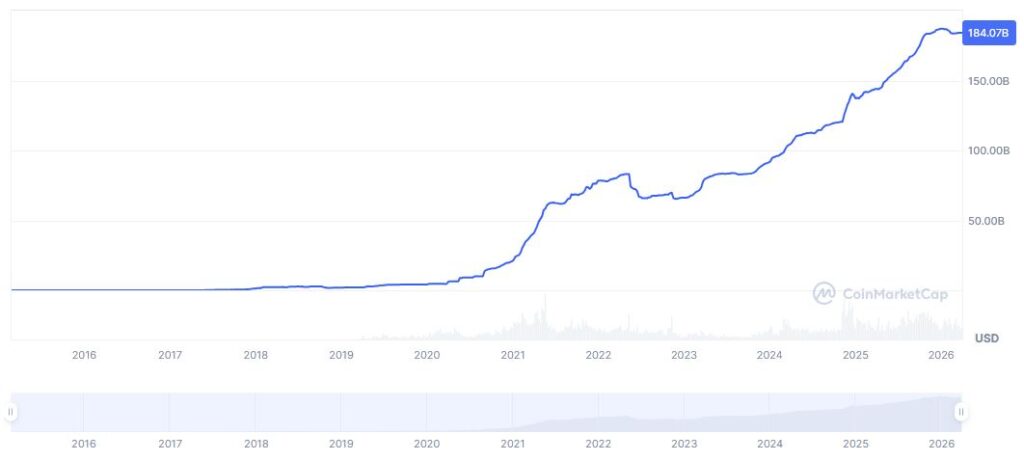
Tether’s decision to pursue a KPMG audit follows years of scrutiny over the composition and verification of the company’s reserves. Tether has regularly published attestations from accounting firms. However, it has not previously completed a comprehensive, top-tier audit comparable to those required of traditional financial institutions. USDT circulation is estimated at roughly $184–192 billion. This scale makes the audit particularly consequential for the broader crypto market.
A Shift From Attestations to Full Audit
Historically, Tether relied on quarterly attestations to provide snapshots of its reserves. These reports confirmed that assets exceeded liabilities at specific points in time. They did not offer the continuous, detailed verification associated with full audits.
A full audit conducted by a Big Four firm like KPMG would involve a deeper examination of internal controls. It would also review asset quality, liabilities, and operational processes. This level of scrutiny is widely considered the gold standard in financial reporting.
This shift shows Tether is responding to both market expectations and regulatory pressure. Stablecoins have become a central part of the crypto market infrastructure. Policymakers have increasingly called for clearer oversight of issuers holding billions in user funds.
The timing of the audit initiative appears closely linked to Tether’s reported plans to expand its presence in the United States. Entering or scaling within the U.S. financial system requires higher compliance standards. It also requires stronger transparency around reserves. This push also aligns with the GENIUS Act, the U.S. stablecoin law signed in July 2025, which set audit, reserve, disclosure, and compliance expectations for large issuers entering the U.S. market.
Regulators in the U.S. have been particularly focused on stablecoins due to their role as digital cash equivalents. A completed KPMG audit could help address longstanding concerns among lawmakers and financial watchdogs over Tether’s reserves. It may also smooth the path for broader adoption.
Some reports also suggest that PwC may be involved in a supporting or advisory capacity. This indicates that Tether is engaging multiple major firms as it upgrades its financial reporting framework.
Tether’s move comes amid increasing competition in the stablecoin sector. Circle, the issuer of USDC, has emphasized regulatory alignment and transparency as part of its positioning, particularly in the U.S.
USDC has gained traction among institutions and regulators partly due to its reporting practices and perceived compliance readiness. By contrast, Tether has faced criticism in the past over reserve disclosures and legal settlements related to earlier transparency issues.
A successful audit could narrow that perception gap. It may also strengthen Tether’s standing with institutional users who require higher assurance before engaging with stablecoin issuers.
While the announcement has been framed as a milestone, several details remain unclear. The timeline for completing the audit has not been confirmed. It is also uncertain how frequently such audits will be conducted going forward.
Market participants are also watching the scope. They want to see whether the audit fully addresses past concerns about reserve composition, including exposure to different asset classes and counterparties.
Still, the KPMG audit move represents a notable development in the evolution of Tether’s stablecoin transparency. If completed successfully, it could set a precedent for other issuers. It may also contribute to broader standardization across the sector.
The broader significance of this development lies in its potential impact on trust. Stablecoins function as critical liquidity tools across crypto markets. Confidence in their backing is essential for market stability.
Tether is aligning more closely with traditional financial norms by pursuing a full audit from a major accounting firm. This shift could influence how regulators, institutions, and retail users assess not only USDT but the stablecoin category as a whole.
The next step is clear. Tether’s KPMG audit will likely shape how regulators and institutions evaluate the credibility of stablecoins. The level of detail disclosed will determine whether this effort meaningfully changes perceptions.
At the Next Block Expo in Warsaw, we had the opportunity to speak with Nassar Al Achkar, the Chief Strategy Officer at CoinW. We discussed the exchange’s rapid evolution and the broader challenges facing the digital asset space.
Al Achkar highlighted a landmark year for the platform, which recently celebrated its 8th anniversary. A standout achievement discussed in the interview is CoinW’s massive expansion to a global user base exceeding 20 million users. According to Al Achkar, a core pillar of this growth is an unwavering commitment to security, ensuring that user funds and assets remain protected on the platform as they continue to scale globally.
Beyond these milestones, Al Achkar shared a candid perspective on the current state of the market, identifying what he believes is the “one thing” the crypto industry still gets wrong. His insights offer a unique look at the balance between rapid growth and the foundational principles of trust and safety.