Home Blog Page 46

Vietnam Moves Toward Licensed Crypto Exchanges as Overseas Trading Ban Looms

TL;DR

  • Vietnam is preparing a pilot framework to license domestic crypto exchanges as part of evolving Vietnam crypto regulation.
  • Five firms linked to major banks and conglomerates have passed an initial qualification round for potential exchange licenses.
  • Authorities are also drafting rules that could restrict Vietnamese traders from using overseas crypto platforms.

Vietnam is moving closer to a formal crypto market framework. Officials are preparing to license the country’s first domestic exchanges while drafting rules that could block citizens from trading on overseas platforms. The shift marks one of the clearest steps yet in Vietnam crypto regulation, as authorities try to bring a large but loosely supervised market under tighter local control.

Reuters reported on March 17 that five companies had passed an initial qualification round for the pilot scheme, citing a Finance Ministry document dated March 12. The group includes affiliates of private banks Techcombank, VPBank, and LPBank, as well as VIX Securities and conglomerate Sun Group.

Why the policy shift matters

Vietnam is already one of the world’s most active crypto markets. Chainalysis data shows the country ranked fourth in the latest Global Crypto Adoption Index. Transaction volume involving Vietnamese traders is estimated at more than $200 billion over the 12 months to June.

That scale helps explain why regulators are acting now. Crypto is not recognized as money or legal tender in Vietnam, but ownership is not explicitly banned. Hence, most trading happens through offshore centralized exchanges such as Binance, OKX, and Bybit. For policymakers, that raises concerns around capital outflows, oversight, and tax collection.
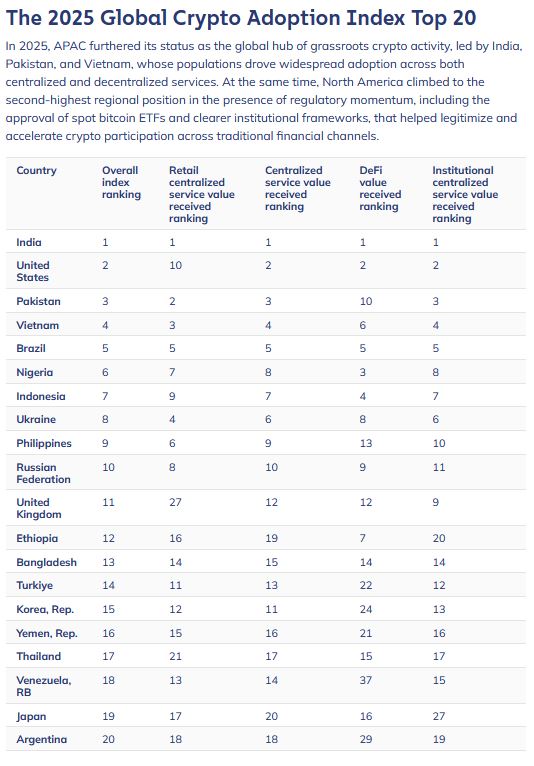
How Vietnam’s crypto regulation is taking shape

The immediate policy direction is not broad liberalization. Instead, the government appears to be building a controlled domestic market. Approved exchanges will operate under local supervision, and activity can be monitored more closely. The pilot scheme could be rolled out as soon as this month under Resolution No. 05/2025/NQ-CP issued in September 2025.

Local reporting provides additional detail on the capital threshold facing prospective operators. Resolution No. 05/2025/NQ-CP sets a minimum charter capital requirement of about $40 million for establishing a digital asset exchange. Some pilot proposals target higher thresholds for licensed operators within the pilot framework, suggesting stricter entry requirements as the regulatory model develops. Both reports point to a cautious regulatory design aimed at screening out weaker entrants.

Sun Group and the scramble for early positions

One reason this story matters beyond regulation is the type of companies moving into the sector. Reports suggest that Sun Group has become the controlling shareholder in Vietnam Digital Asset JSC, contributing 64% of its initial capital. The company was established in January with registered business lines covering brokerage, trading services, and exchange operations.

That suggests large domestic groups expect the licensing regime to create a meaningful new financial market rather than a symbolic pilot. Vietnamese financial firms are preparing capital and technology infrastructure to compete for the first licences. The market appears to be shifting already from speculation about regulation to positioning ahead of enforcement.

What comes next

The next phase will depend on how aggressively Hanoi follows through on restricting offshore access. The Finance Ministry is drafting rules to prohibit Vietnamese nationals from trading on overseas crypto platforms, though the final scope, timeline, and enforcement mechanism remain unclear.

For now, the policy message is straightforward. Vietnam’s crypto regulation is moving toward a domestically licensed model that could redirect trading activity, fee income, and market infrastructure back into the country. Whether that produces a safer and more competitive market will depend on the final rules for supervision, taxation, custody, and investor protection.


BlockFills Files for Chapter 11 After Withdrawal Freeze

TL;DR

  • BlockFills filed for Chapter 11 bankruptcy on March 15, 2026, in Delaware after halting withdrawals weeks earlier amid mounting financial pressure.
  • Court filings show liabilities between $100 million and $500 million, with assets estimated at $50–100 million and up to 5,000 creditors.
  • The BlockFills bankruptcy follows $75 million in losses and a legal dispute over 70.6 bitcoin frozen by a U.S. court.

BlockFills’ bankruptcy marks the latest disruption in the crypto lending sector, as the Chicago-based trading and lending firm seeks Chapter 11 protection following weeks of operational turmoil. The bankruptcy petition was filed on March 15, 2026, in the U.S. Bankruptcy Court for the District of Delaware by the company’s operating entity, Reliz Ltd.

Court documents indicate the firm reported liabilities between $100 million and $500 million. Its assets are estimated between $50 million and $100 million. The filing also lists between 1,000 and 5,000 creditors, underscoring the broad financial impact of the company’s collapse.

BlockFills said the restructuring process represents the “most responsible path forward”. The company is working to stabilize operations, address creditor claims, and potentially reorganize its business. The filing adds BlockFills to a growing list of Chapter 11 crypto firms seeking court-supervised restructuring after market stress exposed weaknesses in lending and trading models.

Withdrawal Freeze Raised Early Warning Signs

Concerns about the company’s financial stability intensified after BlockFills halted client withdrawals and deposits on February 11, 2026. The suspension left customers unable to access funds and quickly raised questions about the firm’s liquidity position.

Withdrawal freezes have historically signaled deeper solvency issues in crypto lending platforms. In the case of BlockFills, the halt preceded the bankruptcy filing by several weeks. Apparently, the company was already attempting to manage mounting financial stress before entering formal restructuring.

Industry observers note that liquidity crunches can escalate quickly when lenders rely heavily on short-term funding while holding longer-term or illiquid crypto positions.

Losses and Creditor Disputes Deepened the Crisis

Reports indicate the company suffered around $75 million in losses, stemming from a mix of lending exposure, trading setbacks, mining-related investments, and accounting problems that weakened its financial position.

At the same time, BlockFills became involved in a legal dispute with creditor Dominion Capital, which accused the firm of misappropriating digital assets. As part of the conflict, a U.S. court in New York ordered the freeze of 70.6 Bitcoin. The assets were valued at roughly $5 million at the time.

The asset freeze added another layer of pressure during an already difficult financial period. When courts restrict access to digital assets during creditor disputes, companies may lose access to funds needed to maintain operations or satisfy obligations.

The legal battle also highlights a broader challenge in the crypto sector. How can they determine ownership and custody of digital assets when multiple parties claim rights to the same funds?

Institutional Market Exposure

BlockFills positioned itself primarily as an institutional crypto trading and lending platform. It provided liquidity services to professional investors, funds, and trading firms. The company facilitated large-volume digital asset transactions and lending arrangements within the institutional crypto market.

While the firm was not among the largest global crypto lenders, it maintained a significant role in institutional trading infrastructure. The collapse, therefore, raises concerns about counterparty exposure for firms that relied on its services.

Crypto markets have experienced repeated periods of stress over the past several years. Lending platforms that combine trading services with credit products were particularly vulnerable. When market volatility intensifies, leveraged positions and liquidity mismatches can quickly create solvency risks.

What the BlockFills Bankruptcy Means for the Sector

The BlockFills bankruptcy adds to ongoing scrutiny of crypto lending models that rely on complex trading strategies and borrowed capital. The collapse also reflects a broader crypto-market liquidity crisis that can arise when lending platforms rely on leveraged trading strategies and short-term funding structures.

For market participants, the situation serves as another reminder that institutional crypto services can still face liquidity shocks, especially when asset values fluctuate rapidly or counterparties fail to meet obligations.

The bankruptcy process will now determine how remaining assets are distributed and whether the company can restructure portions of its operations. In many Chapter 11 cases, firms attempt to reorganize debt and continue operating. However, outcomes vary depending on creditor negotiations and asset recovery.

Looking ahead, BlockFills’ bankruptcy may draw renewed attention from regulators and market participants. Transparency, custody standards, and risk management in crypto lending could come under greater scrutiny again. As the case unfolds in court, its resolution could offer further insight into how digital asset firms handle insolvency within the traditional legal framework.

Oil Becomes One of Hyperliquid’s Busiest Markets During Price Surge

TL;DR

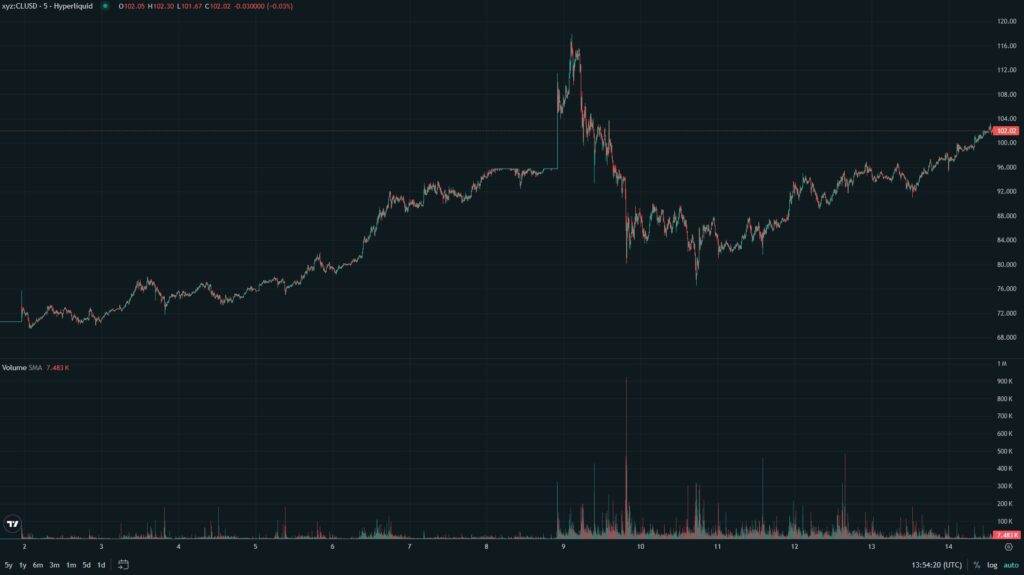
  • Oil trading on Hyperliquid surged as volatility linked to Middle East tensions pushed activity close to $1 billion in a single 24-hour session.
  • The surge briefly made oil the second most traded market on the platform, ahead of Ether but behind Bitcoin.
  • The spike also drew attention to HYPE because its buyback-and-burn design ties token demand to trading activity.

Rising tensions in the Middle East have triggered sharp swings in oil prices, which are now spilling into crypto markets. Oil trading on Hyperliquid surged this week as traders rushed to speculate on crude prices via the platform. Activity approached $1 billion in 24-hour volume in one recent session, with some reports citing $1.2–1.6 billion on other days.

The surge followed a broader rally in oil markets as investors reacted to fears that the Iran conflict could disrupt the region’s supply routes. Oil prices climbed rapidly during the volatility, drawing attention from traders looking for ways to react quickly to global events.

While oil is normally traded on traditional commodity exchanges, platforms like Hyperliquid offer a digital alternative. These crypto-based markets allow users to bet on oil price moves (tracking major crude benchmarks) without buying actual barrels.

How crypto platforms enable oil speculation

Hyperliquid runs continuously, meaning users can trade at any time of day rather than only during standard market hours. This round-the-clock structure can be appealing during fast-moving global events, when prices may change while traditional exchanges are closed.

In this case, the platform’s oil-linked market quickly became one of its busiest. Reports indicate that oil trading volumes briefly ranked second by volume after Bitcoin and overtook Ether on the exchange. The event highlights how strongly macroeconomic events can influence activity in digital asset markets.

For many users, the platform’s oil market functions as a way to respond quickly to geopolitical news, energy supply, or global economic conditions. Instead of waiting for the next trading session on a conventional exchange, traders can enter or exit positions instantly.

A broader shift toward real-world markets

The surge also illustrates a wider trend within crypto: markets originally built for digital tokens are increasingly offering exposure to real-world assets such as commodities. This shift expands the role of crypto platforms beyond cryptocurrency trading alone.

As new products emerge, users can gain exposure to movements in markets such as oil, gold, and foreign currencies within the crypto ecosystem. Growing oil trading volumes on Hyperliquid oil trading reflect that change. It was global energy markets and geopolitical risk that sparked the activity on the platform, not developments within crypto itself.

Interest in the HYPE token rises

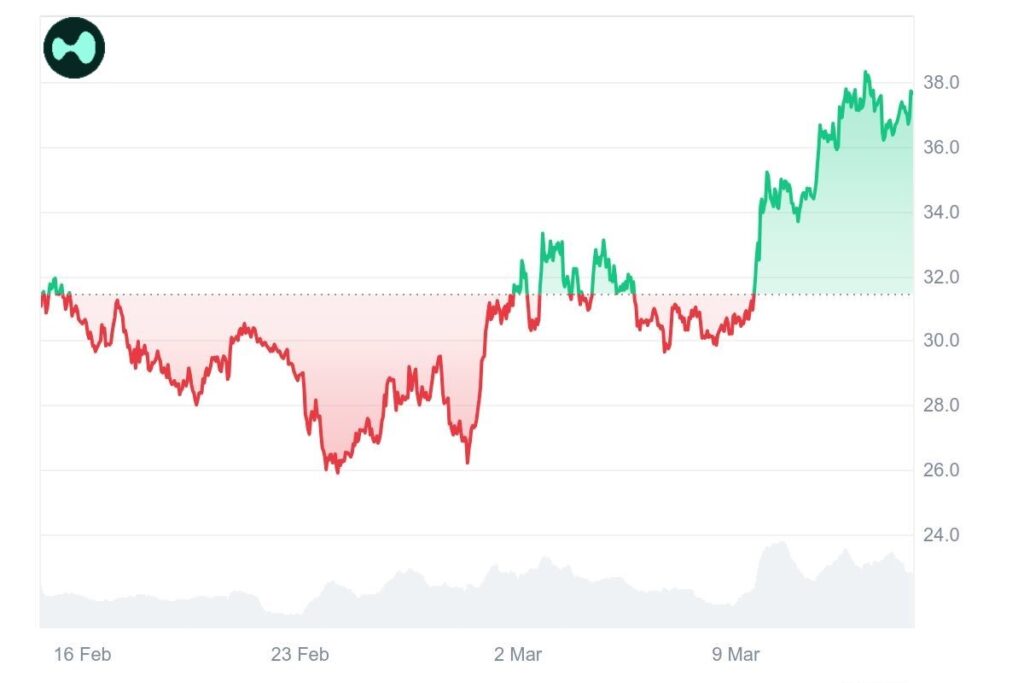
The burst of activity has also drawn attention to Hyperliquid’s native token, HYPE. Some market observers note that increased trading activity on the exchange can support demand for the token, given its ties to the platform’s broader ecosystem, including HYPE’s buyback-and-burn design. The protocol uses trading fees to repurchase and burn tokens.

However, the token’s movement appears to be a secondary effect of the larger story. The main development is the growing role of crypto platforms as venues where traders react to global financial events in real time.

Source: CoinMarketCap

Looking ahead

The recent surge suggests that crypto markets may play an increasing role during periods of global volatility. Because they operate continuously and attract traders from around the globe, these platforms can become active hubs when major news moves prices in traditional markets.

For now, oil trading on Hyperliquid is a clear example of that shift. What began as a crypto-focused exchange has briefly become a place where traders respond directly to one of the world’s most important commodities.

CLARITY Act Talks Resume as Senators Seek Stablecoin Yield Compromise

TL;DR

  • A White House target to advance the CLARITY Act passed on March 1 without agreement, as disputes between banks and crypto firms stalled negotiations.
  • The main debate centers on activity-based rewards for stablecoins, even though both the CLARITY Act and GENIUS Act already prohibit passive yield.
  • Senators Angela Alsobrooks and Thom Tillis are now exploring a bipartisan compromise aimed at reviving progress on the legislation.

A White House target for resolving the disputes on stablecoin yield to advance the CLARITY Act, passed on March 1, without agreement. Negotiations between the crypto industry and the banking sector remained stalled over key policy questions.

The debate over stablecoin yield provisions has emerged as one of the most contentious issues in the legislative process. Both the CLARITY Act and the GENIUS Act already prohibit passive yield, meaning interest paid solely for holding payment stablecoins.

Instead, the current dispute centers on whether to permit stablecoin issuers to offer limited activity-based rewards, such as incentives tied to transactions, liquidity provision, or staking-related activity. Now, Senate lawmakers are exploring a potential bipartisan compromise that could revive negotiations and move the bill forward.

White House Target Passed Without Agreement

The CLARITY Act has been widely discussed as one of the most significant efforts to establish a comprehensive regulatory framework for digital assets in the United States. Earlier this year, the White House encouraged lawmakers and industry groups to reach a consensus on the legislation by March 1.

The date was intended as a policy milestone rather than a formal legislative deadline. However, talks between crypto advocates, banking groups, and policymakers failed to produce a compromise before the target deadline passed.

The stalled negotiations highlighted the growing divide. Crypto companies are seeking regulatory clarity while banks remain concerned about the impact of stablecoins on the traditional financial system.

The debate is also linked to the interaction between two pieces of legislation. The GENIUS Act focuses on stablecoin issuers and reserve requirements and was already passed by Congress last summer. The CLARITY Act addresses market structure rules for digital assets and trading platforms.

Stablecoin Yield Becomes a Central Dispute

One of the most contentious topics in the debate is how stablecoin incentives should be structured under the legislation. Both the CLARITY Act, through Section 404, and the GENIUS Act already prohibit passive yield on payment stablecoins.

That means issuers may not offer interest solely for holding a stablecoin balance. The ongoing dispute concerns whether issuers may provide activity-based rewards for payment usage, liquidity participation, or staking-related services within blockchain ecosystems.

Banks have pushed back even on these narrower forms of incentives. They warn that they could function as disguised interest and compete with deposit products. As a result, the question of stablecoin yield rules has become a central obstacle in negotiations between the two sectors.

Some Regulators Say Banks Could Benefit

Though banks have raised objections to parts of the legislation, several policymakers and former regulators have suggested the bill could ultimately benefit traditional financial institutions. Supporters of this view argue that regulatory clarity would give banks a clear legal pathway to expand into digital asset services.

Large financial institutions already have the compliance infrastructure and customer base to expand into digital assets. That position could allow them to issue stablecoins, offer custody services, or integrate blockchain-based payment systems. The GENIUS Act regulates stablecoin issuers and reserve requirements. The CLARITY Act, meanwhile, would define the market structure rules for exchanges and digital asset trading. Together, these two frameworks could allow banks to participate more directly in crypto markets.

From that perspective, clearer rules could indeed strengthen the role of traditional finance within the emerging digital asset ecosystem.

Political Pressure Builds Around Crypto Legislation

The stalled negotiations have also drawn criticism from industry leaders and policymakers who want the United States to move faster on digital asset regulation. Some officials have warned that prolonged uncertainty could push crypto innovation and investment toward jurisdictions that have already adopted clearer regulatory frameworks.

Industry executives have also expressed frustration with what they describe as banking sector resistance to certain provisions of the bill. The debate has intensified as stablecoins become increasingly important for payments, trading infrastructure, and cross-border transactions.

Despite the pressure, lawmakers still face difficult policy questions about stablecoin oversight and financial stability safeguards. They must also decide how to divide regulatory responsibilities among U.S. agencies.

Senators Seek Compromise to Revive Negotiations

Amid the ongoing stalemate, Senators Angela Alsobrooks (D-MD) and Thom Tillis (R-NC) are leading a bipartisan effort to develop a compromise to break the deadlock. Their discussions focus on how activity-based stablecoin rewards can fit within the CLARITY Act while respecting the ban on passive yield. If they succeed, it could enable Senate Banking markup in late March.

Banks remain cautious even about these narrower incentives, arguing that transaction-based or liquidity-related rewards could still evolve into deposit-like products. The compromise would set clearer guardrails around permitted incentives while allowing stablecoin networks to support legitimate blockchain activity.

What Comes Next for the CLARITY Act

The future of the CLARITY Act remains uncertain as negotiations continue in Washington. If lawmakers can reach an agreement on how activity-based rewards should work alongside the existing ban on passive stablecoin yield, the bill could regain momentum as part of a broader regulatory framework paired with the GENIUS Act.

With the GENIUS Act already setting rules for stablecoin issuers, the CLARITY Act would complement this by shaping market structure across the broader ecosystem. The talks show how challenging it is to balance concerns over banking stability with blockchain’s fast growth.

Polish Blockchain Week 2026

Polish Blockchain Week is a multi-event industry gathering focused on blockchain, digital assets, and Web3 technologies. The event brings together startups, developers, investors, and industry organizations through a series of conferences, networking sessions, and community meetups hosted across Warsaw.

Rather than being a single conference, Polish Blockchain Week acts as an umbrella event coordinating multiple blockchain-related gatherings during the same week. The initiative aims to highlight Poland’s growing role in the European Web3 ecosystem while connecting regional startups with international investors and technology partners.

What the Event Covers

Polish Blockchain Week brings together discussions across several areas of the digital asset and Web3 ecosystem, including:

  • blockchain infrastructure and development
  • decentralized finance (DeFi)
  • crypto trading and market developments
  • venture capital and startup funding
  • Web3 entrepreneurship
  • regulatory developments affecting digital assets

The program consists of multiple independently organized events, each focusing on different aspects of the blockchain industry.

Program Format

Instead of a single conference agenda, Polish Blockchain Week features a series of industry events, including:

  • major blockchain conferences
  • startup pitch competitions
  • investor networking sessions
  • technical workshops and developer meetups
  • ecosystem gatherings and community events

The largest conference typically held during the week is Next Block Expo, which attracts thousands of attendees from across the global Web3 industry.

Speakers and Participants

Speakers vary depending on the individual events taking place during the week. Participating conferences typically feature:

  • blockchain founders and startup leaders
  • venture capital investors
  • developers and infrastructure builders
  • representatives from crypto exchanges and fintech companies
  • industry analysts and ecosystem contributors

Because Polish Blockchain Week hosts multiple conferences, the speaker lineup changes each year depending on participating organizations and event partners.

Who Should Attend

Polish Blockchain Week is designed for participants across the blockchain ecosystem, including:

  • Web3 founders and startup teams
  • blockchain developers and engineers
  • venture capital firms and angel investors
  • crypto traders and analysts
  • fintech companies and infrastructure providers
  • industry researchers and policy specialists

The week’s events provide opportunities for networking, project discovery, and collaboration across the regional Web3 community.

Location Context

Warsaw has developed into an active hub for blockchain startups and fintech companies in Central and Eastern Europe. Poland hosts a growing number of blockchain companies, developer communities, and industry events that contribute to the broader European Web3 ecosystem.

By clustering multiple conferences and community events into a single week, Polish Blockchain Week aims to strengthen Warsaw’s position as a regional meeting point for blockchain professionals.

How to Attend

Participation in Polish Blockchain Week depends on the individual events taking place during the week. Attendees typically register separately for conferences, workshops, or meetups through the respective event organizers.

Further details and a list of participating events are available on the official website.

TL;DR

  • Polish Blockchain Week is a multi-event Web3 industry gathering in Warsaw
  • The week includes conferences, meetups, and networking events
  • The largest anchor conference is Next Block Expo
  • Participants include founders, developers, investors, and industry organizations
  • The event highlights Poland’s growing blockchain ecosystem
- Advertisement -

FEATURED